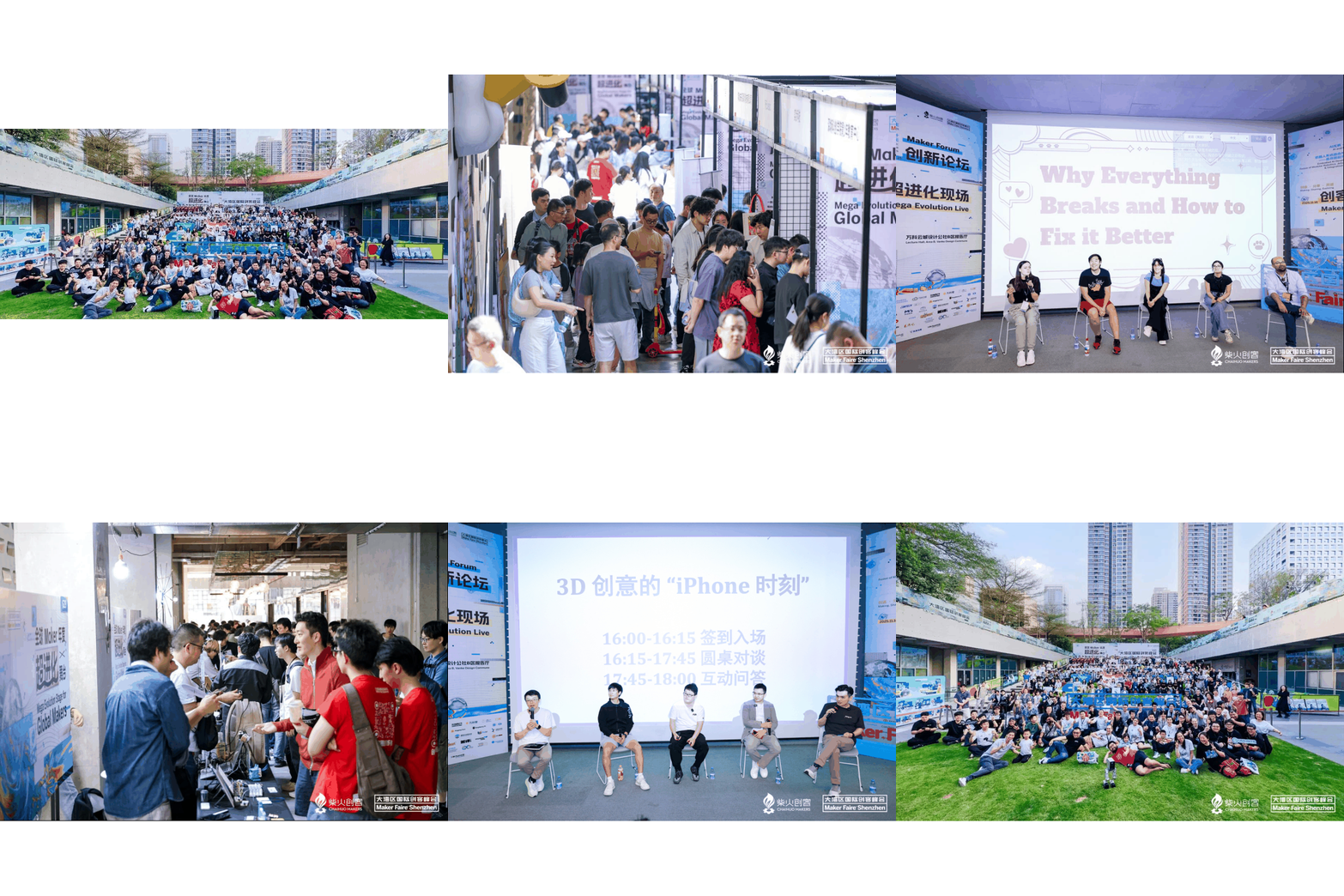
If previous editions of Maker Faire Shenzhen were testing grounds where inspiration sparked, this year we will see how creative ideas take root and become reality.
This time, we are putting OPC creators and full-industry-chain service providers center stage, working together to build a “Mega Evolution Stage for Global Makers.”
Long-time friends of Maker Faire Shenzhen know that it consistently ranks among the season’s most popular offline events. In addition to offering an in-depth look at cutting-edge technologies and industry trends, its wide range of on-site activities attracts professionals and visitors from many different communities.
This year’s event is officially scheduled for December 12–13.
In today’s “Startup Spotlight” column, we introduce — Makit, located at Booth B12.

Makit
Makit is an AI app that helps users bring hardware and physical product ideas to life. Users describe their needs through conversations to perform CAD 3D modeling and PCB circuit board design, then use the design files for 3D printing and circuit board prototyping, gradually turning ideas into physical objects.
We particularly focus on those who have the desire to create but are not yet familiar with professional design tools. Designing a suitable enclosure for a development board, adding a self-designed small object to the desktop, or trying out an electronic device can all become reasons to start creating. Makit hopes to help more people take this step and refine their ideas through repeated modifications and making.
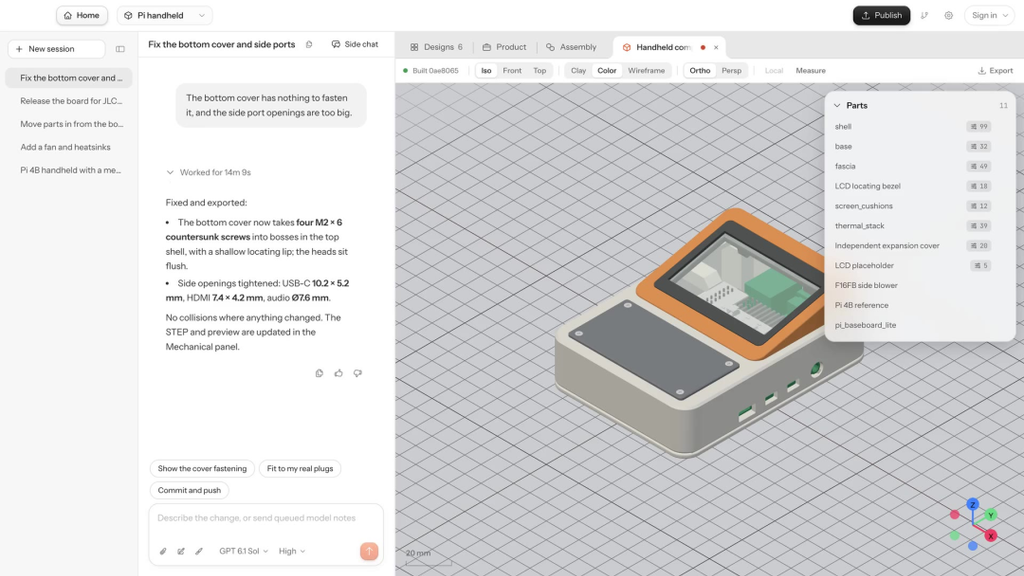
Makit product interface example: adjusting enclosure structure and interface cutouts through conversation
Make it real is Makit’s brand expression and the starting point for developing this product.
Product Features
Describe and modify designs through conversation
Starting from “what I want to make,” tell Makit the purpose, size, and desired look of the object, and then adjust it step by step through conversation. You can start with an off-the-shelf development board and design an enclosure for it, or explore new structures and circuit solutions around your own usage needs.
Advance enclosure and circuit design within the same project
Makit supports mechanical CAD modeling and custom PCB design. When you need to modify the enclosure, adjust cutouts, or change component positions on the circuit board, you can continue to describe modification requirements and view the design changes. The 3D PCB preview helps visualize the spatial layout of the circuit board and components, with the enclosure and circuit gradually perfected around the same product goal.
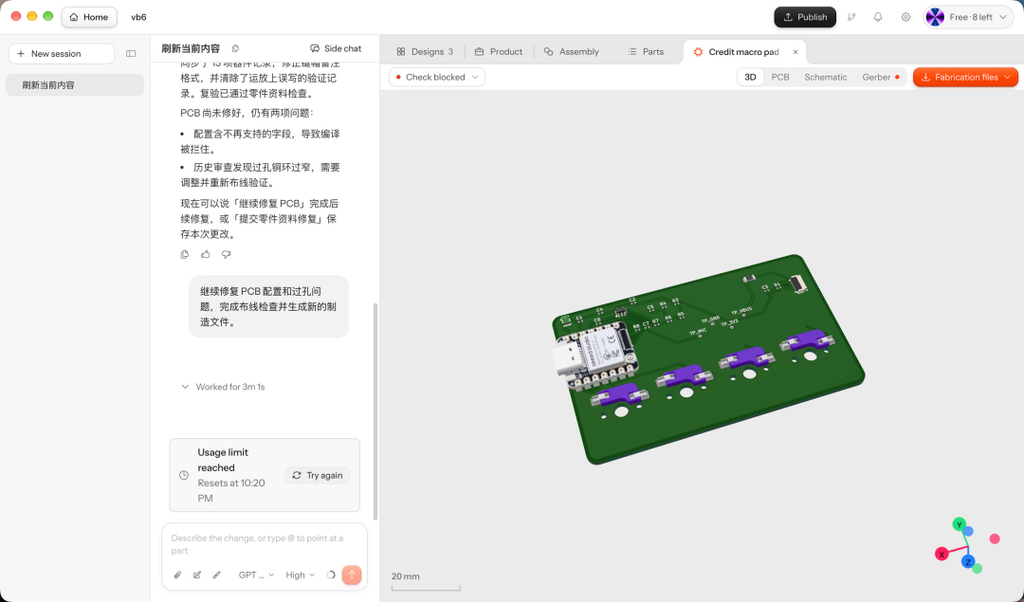
Makit 3D PCB preview interface: viewing the spatial layout of the circuit board and components
Export files to continue making
Makit can export model files such as STEP for 3D printing, with one-click import to Bambu Studio; it can also export PCB manufacturing files for board prototyping on platforms like JLC and Huaqiu, providing BOM (Bill of Materials) and pick-and-place coordinate files to prepare for SMT assembly, with one-click ordering support coming in the future.
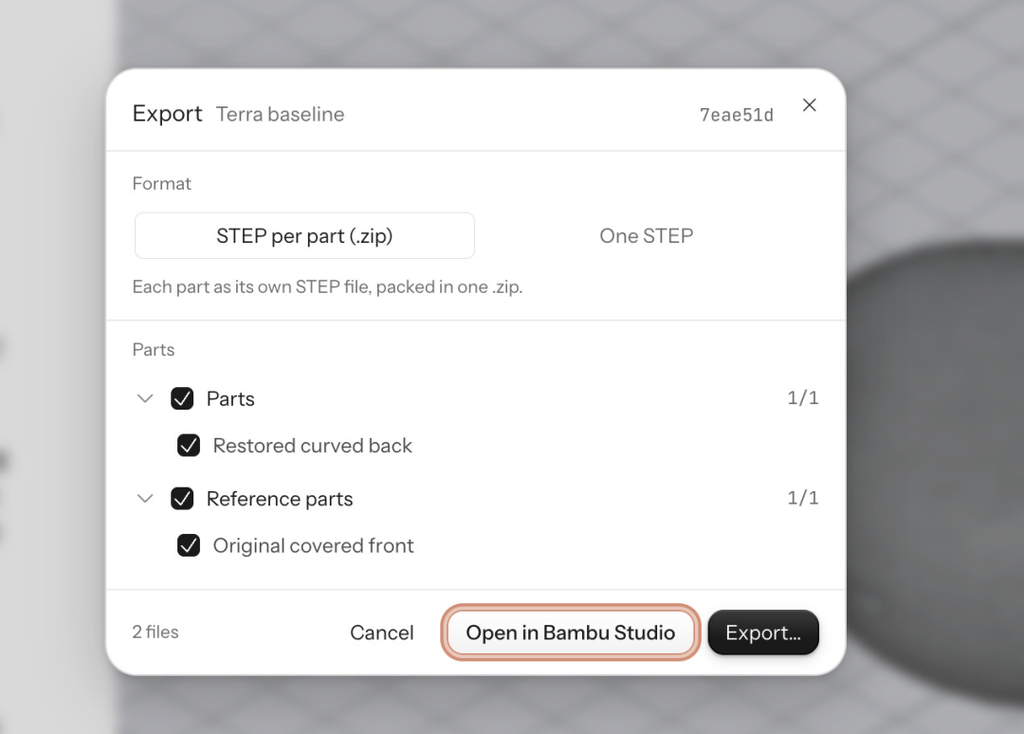
3D printing export
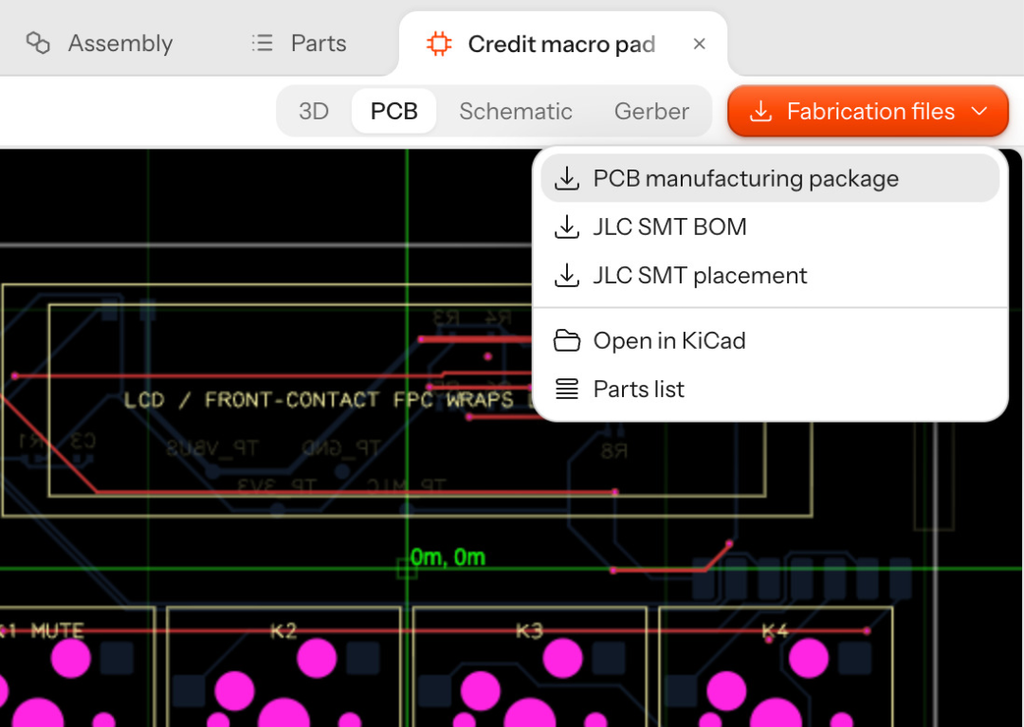
PCB manufacturing export
Project Showcase
01 Makit Compute — Creator: c3ll256
Makit Compute is a handheld terminal designed for user-supplied Raspberry Pi 4B, featuring a display screen, an interface board that supports interchangeable GPIO expansion modules, an enclosure, and a cooling system, aimed at Linux terminal operations, SSH remote connections, and various portable tool applications. Makit Compute’s enclosure modeling and PCB design were entirely completed using Makit.
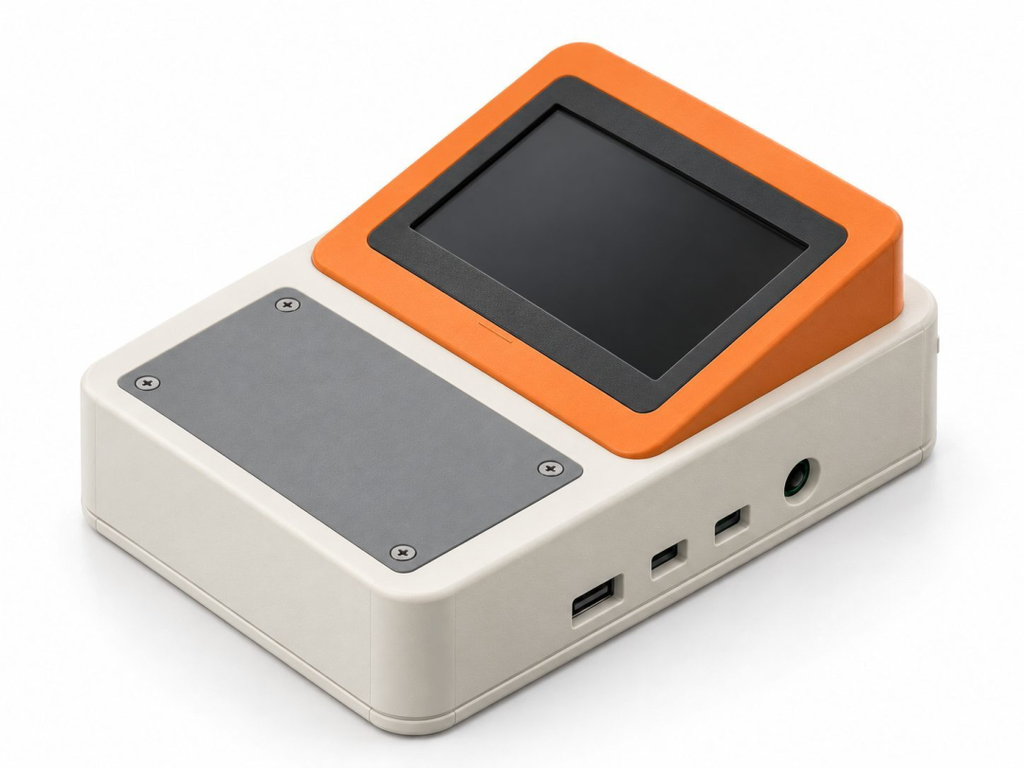
Exterior rendering
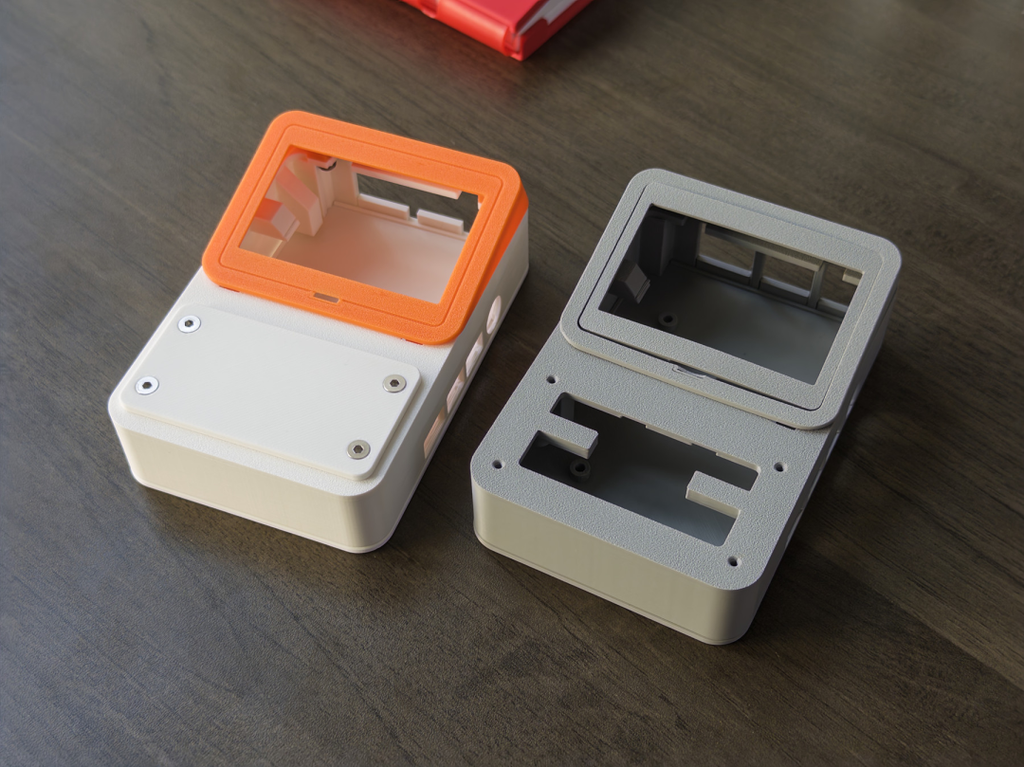
Actual photo of the printed enclosure
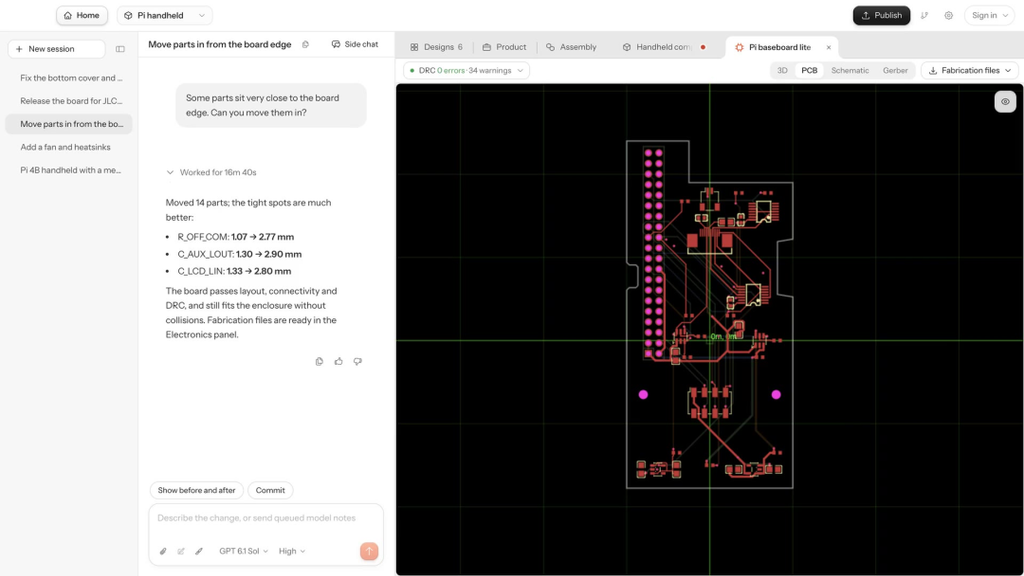
Makit Compute’s PCB design interface
02 TamaMKT — Creator: kenji
TamaMKT is a Gorpcore outdoor-style personal AI Agent mobile terminal gadget, attempting to turn a personal intelligent agent into a carry-on physical terminal. Based on a community project, TamaMKT’s enclosure modeling and PCB design were completed using Makit.
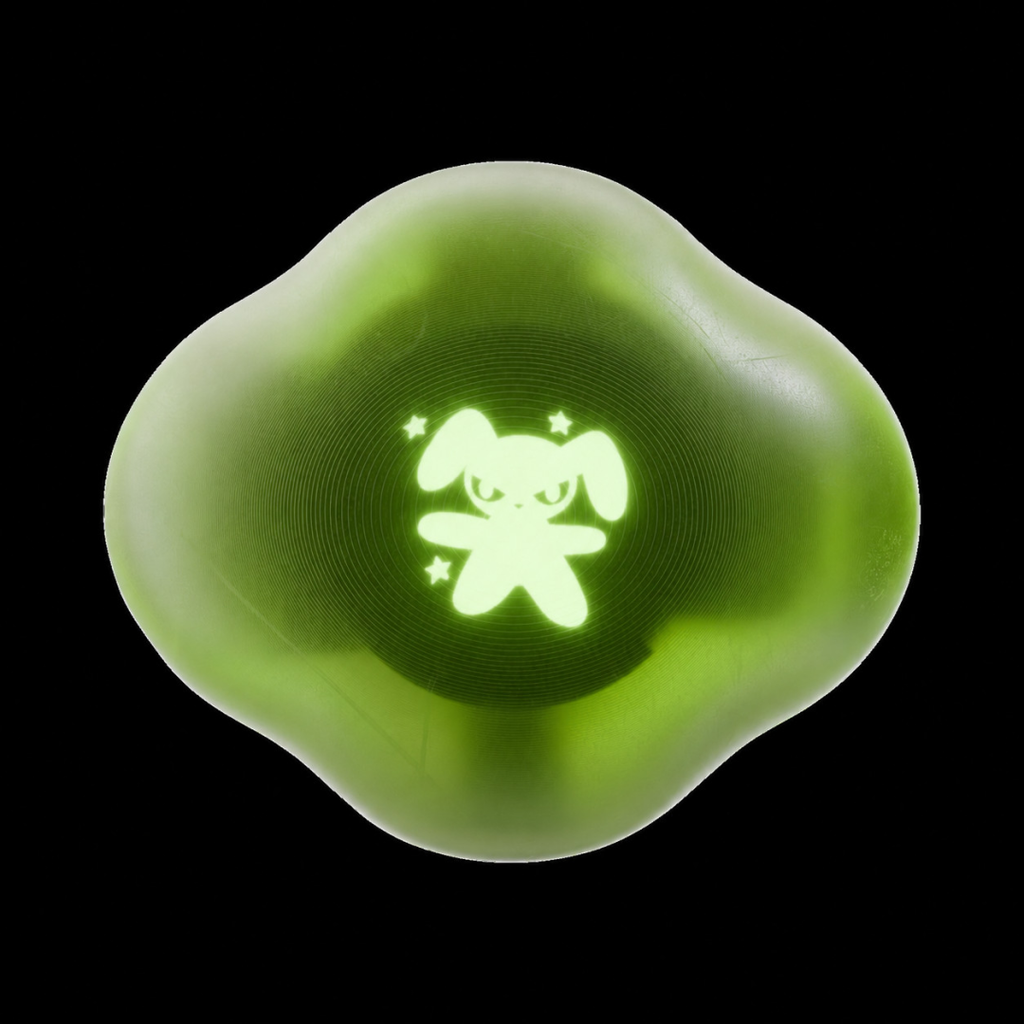
Green exterior rendering
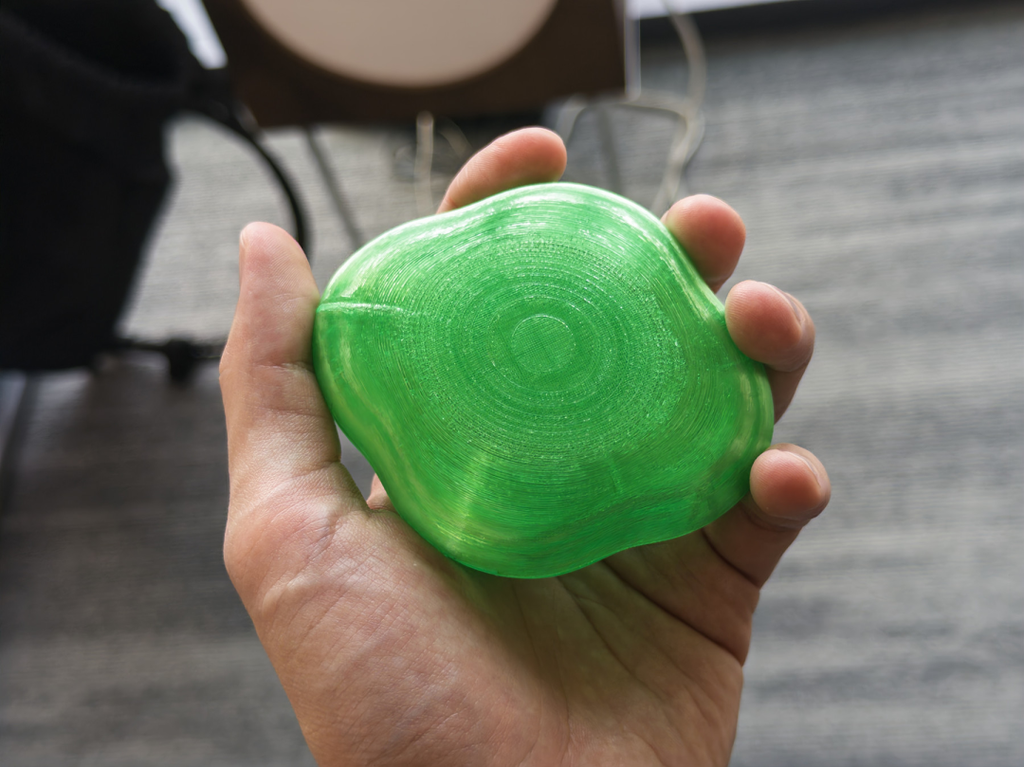
Actual photo of the test-printed enclosure
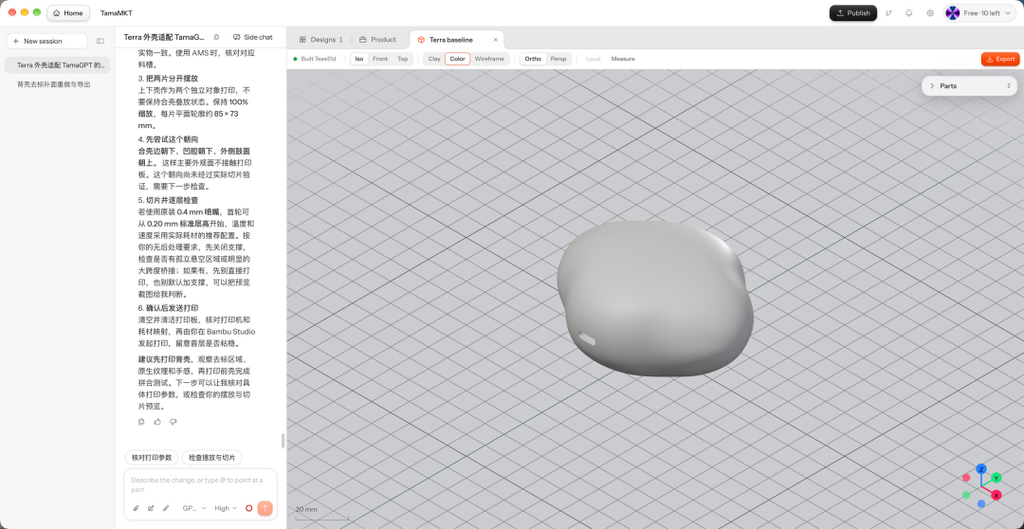
TamaMKT enclosure modeling interface
03 iPhone Duo Pokémon Pokédex Phone Case — Creator: joshua
Inspired by the Pokémon Pokédex, classic exterior elements are incorporated into the iPhone Duo phone case design. The creator used Makit to complete the design workflow from enclosure modeling to manufacturing file export, and brought it to life through 3D printing. This work is planned to be displayed at Booth B12. The enclosure modeling was entirely completed using Makit.
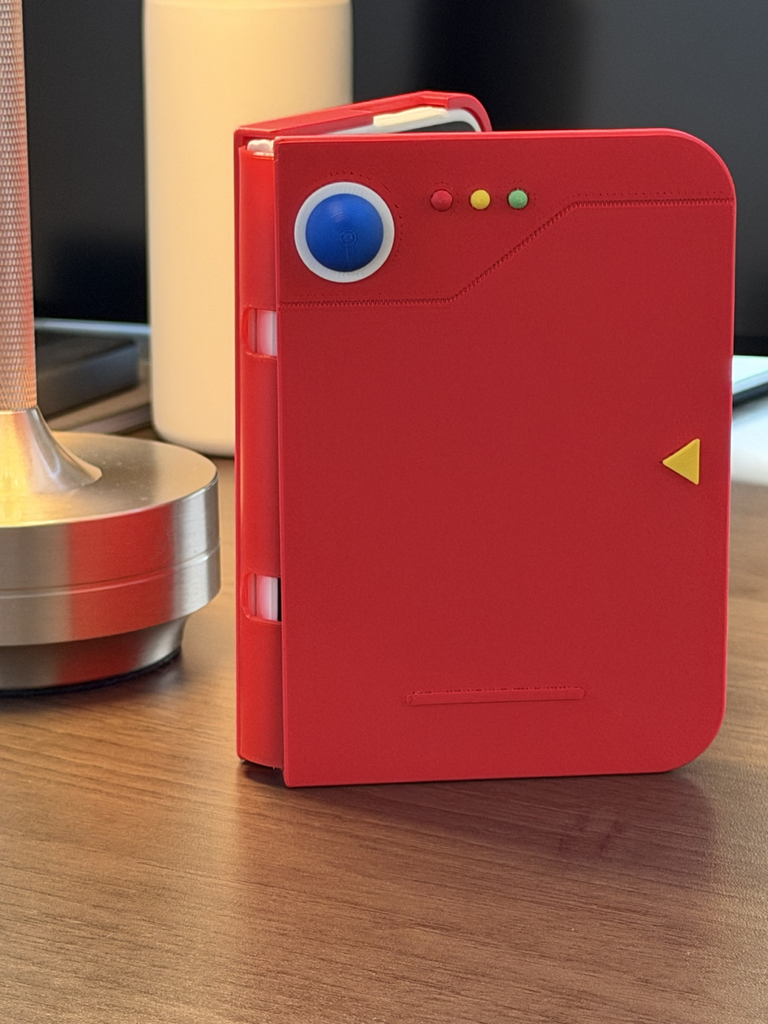
Actual photo of the phone case front
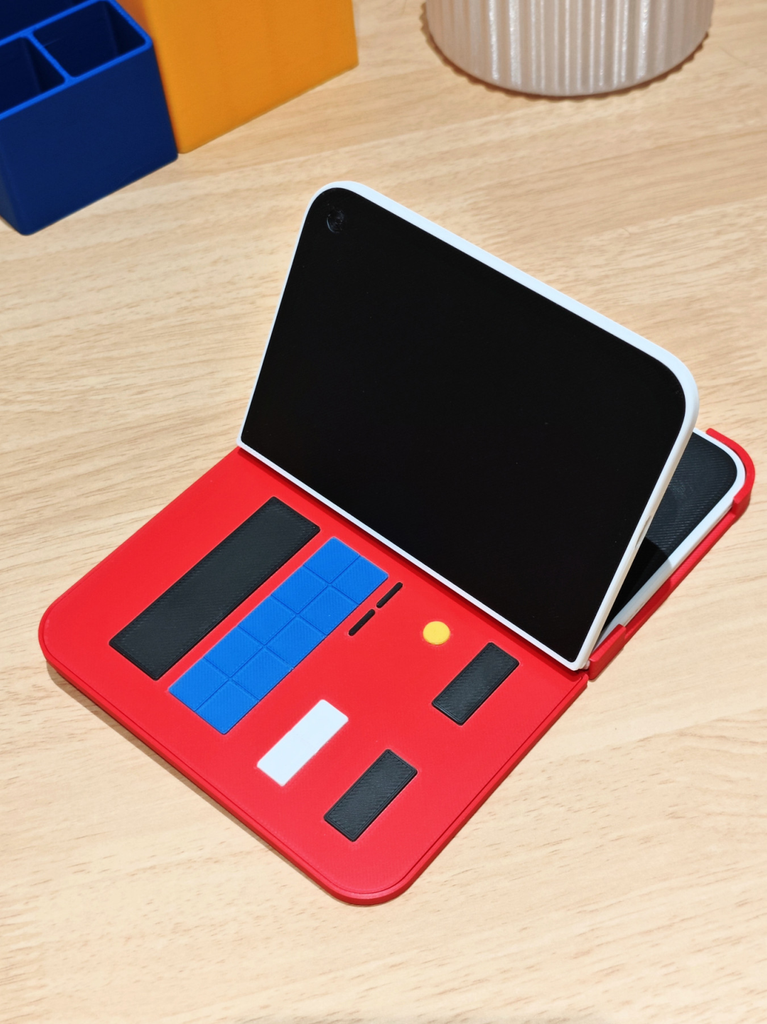
Actual photo of the phone case in open state
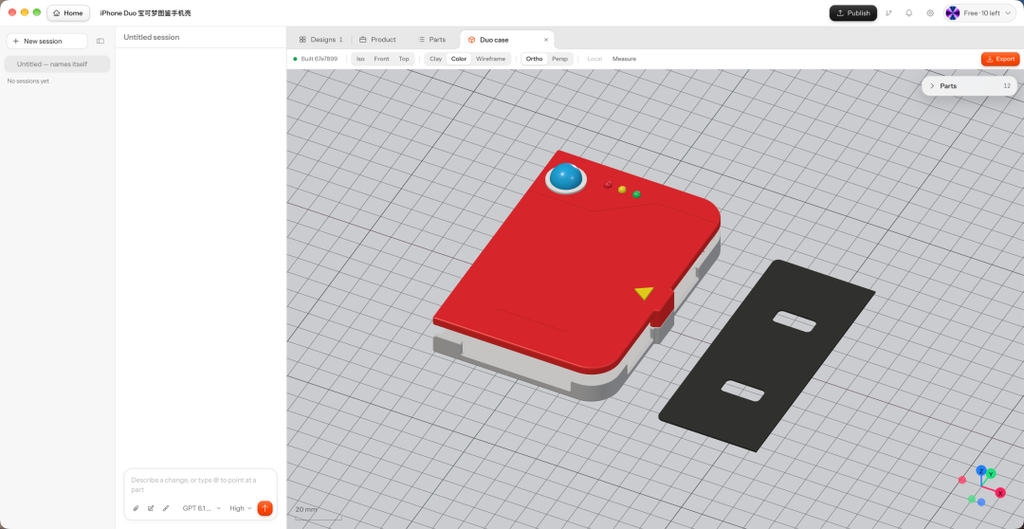
Screenshot of the Makit design interface
Share and continue creating in the community
You can publish your works to the Makit community to exchange making ideas, or start from designs shared by others and try out a version that suits you. The community already features projects in various directions such as desktop organizers, computer cases, and lighting fixtures, giving your first attempt a concrete starting point.
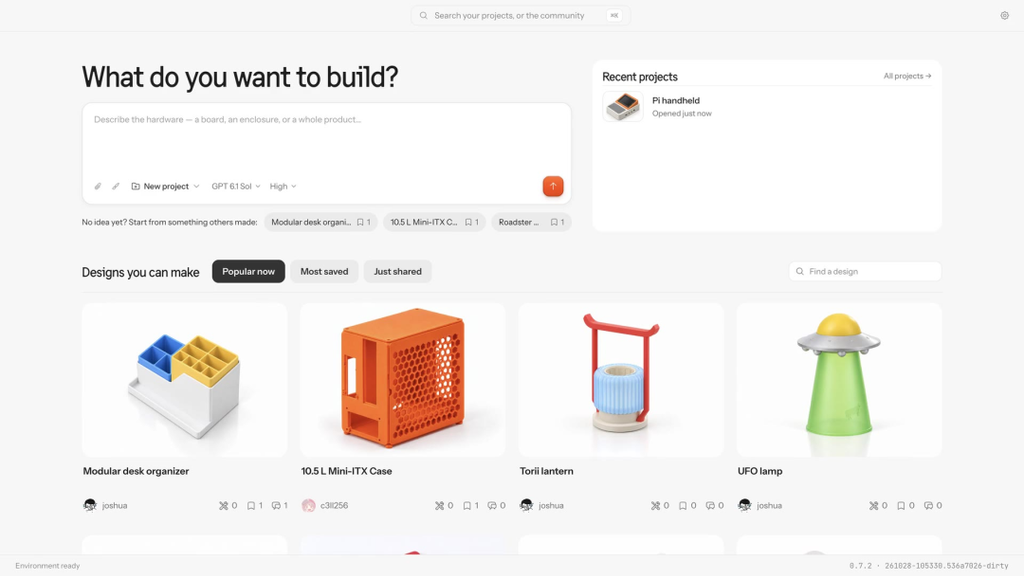
Makit community interface example: browsing projects and finding your creative starting point
Meet us at Maker Faire
Maker Faire brings together people who are willing to get hands-on and share experiences. Makit hopes to communicate face-to-face with creators here, listen to what everyone wants to make and the difficulties encountered in design and production, and let the product continue to grow through real projects.
Welcome to bring your hardware ideas to Booth B12 to chat with Makit. We also look forward to meeting manufacturing service providers, hardware companies, channel partners, makerspaces, and educational institutions to explore cooperation opportunities in product development and prototyping, tool promotion, and project-based teaching.
Our long-term goal is to make it easier for more people’s creativity to connect with manufacturing capabilities, giving individual creations and small-team product attempts the opportunity to keep moving forward.
Individuals, companies, and traders are all welcome to inquire about cooperation!
Learn more about Makit
- Official website and Mac version download: https://makit.build/(Makit currently offers a Mac version with a 7-day free trial.AI model services require access through user’s supported existing subscriptions or API services)
- Makit Community: https://community.makit.build/
- Product and cooperation inquiries: hello@makit.build
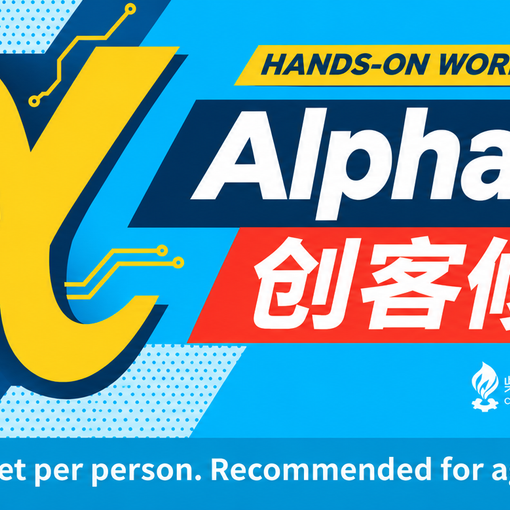
For the 2026 Greater Bay Area International Maker Summit, we have specially created a brand-new program segment—Alpha Camp. It is not a conventional exhibition, nor a workshop where you sit in the audience taking notes—it is an unscripted “making experiment ground”: there are no spectators here—either take the stage or get your hands on the tools.
Over the two days, around 40 hardcore skill workshops and sharing sessions will run back-to-back—laser cutting, advanced soldering, hands-on 3D printing, AI hardware deployment… 70%–80% of them are hands-on. Attendees are not judged by degrees or titles; the person sitting at the next table might be a veteran welder from the workshop floor whose skills run deep—or your future partner for all-night project builds.
What Is Included?
- Priority workshop reservations and access to the ticket-holder community. Book your preferred sessions early, get program updates, and connect with other participants before the event.
- Two days of ALPHA Camp access. Explore around 40 workshops and skill-sharing sessions across both days.
- Your own NFC maker badge. Activate it at check-in, tap it for access, and use it to complete challenges and level up your virtual pet.
- Practical workshops led by experienced makers. Work with people who have used these skills on real projects.
- Lunch on both days. Your pass includes an on-site lunch each day.
- A certificate of completion and a maker passport. Complete the workshop and challenge requirements to receive your certificate at the event. Use your passport to collect stamps at participating exhibitor booths.
- Maker merchandise. Take home a sticker pack, a custom woven tote bag, and other event merchandise.

Over the past 13 years, the development trajectory of Maker Faire Shenzhen can be seen as a microcosm of the development of maker culture in China.
- 2012: “Gathering Small Wisdom, Journeying through the Great Future” – This was the first Mini Maker Faire in China, with less than 1000 attendees, and was more like a gathering within a small circle. But we saw the infinite possibilities emerging from the maker community.
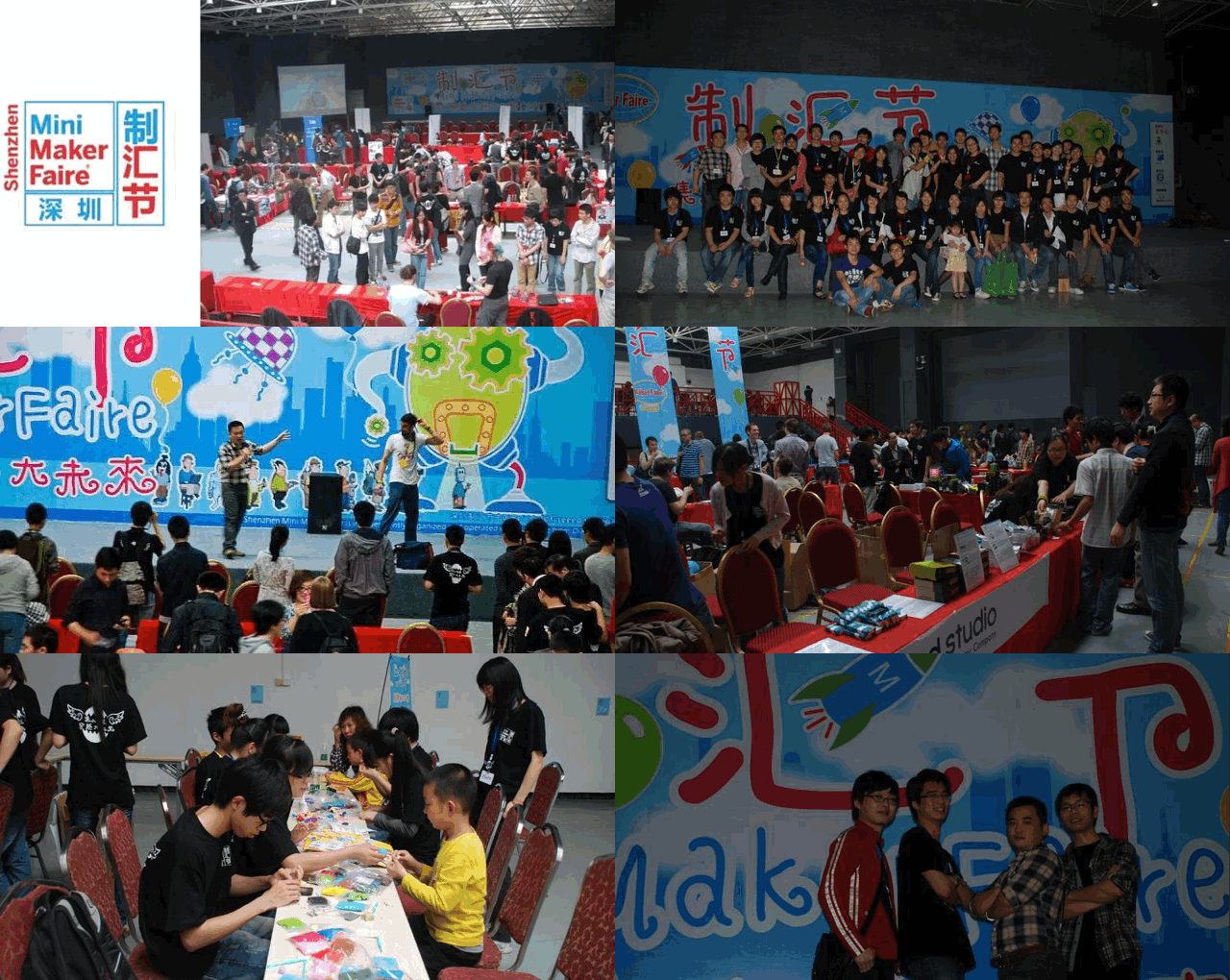
- 2013: The slogan was absent, and the maker community was still small. – In the OCT Creative Park, there were cross-disciplinary exchanges among different creative communities, silently laying the foundation for cultural output.
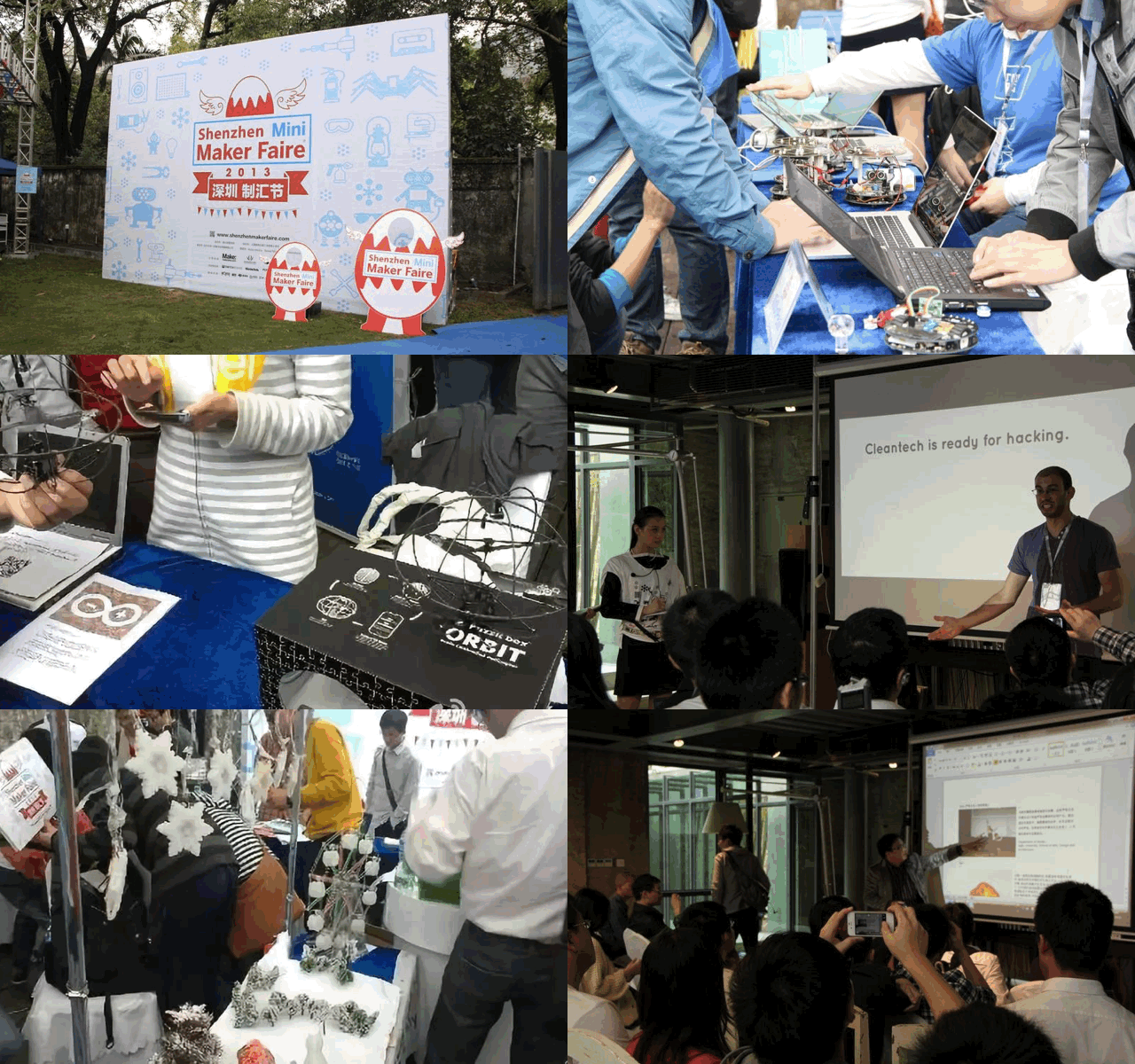
- 2014: “Innovate with China” – the event was upgraded to the Featured level for the first time, with a significant increase in scale compared to previous years, and the beginning of professional independent forums. This year, makers began to enter the public’s view.
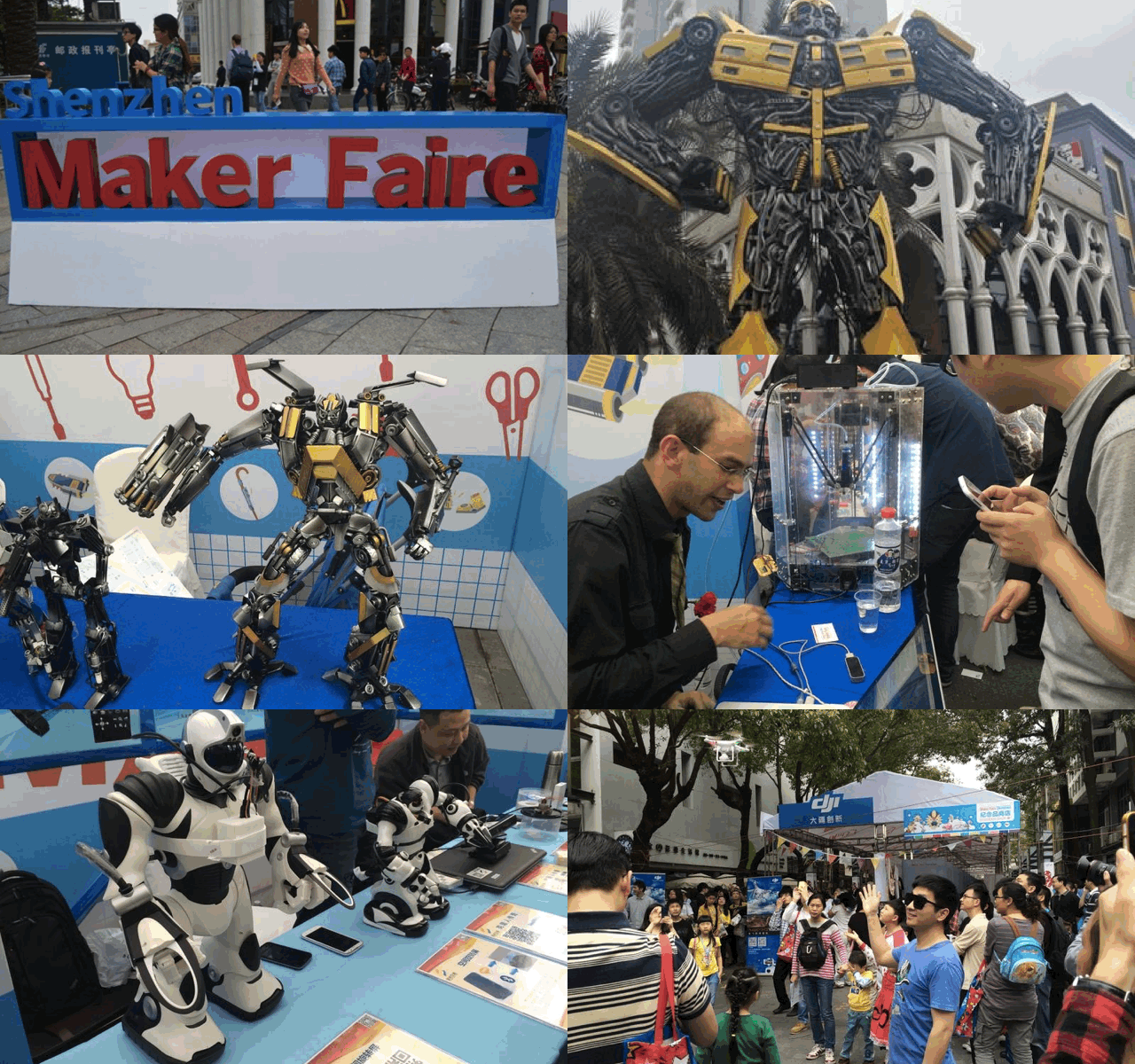
- 2015: “Everyone is a Maker, what are you waiting for?” – This year’s Shenzhen International Maker Week became one of the largest Maker Faires in the world. This year, the concept of “maker” was elevated to a national level, and the trend of “mass innovation, mass entrepreneurship” swept across the country.
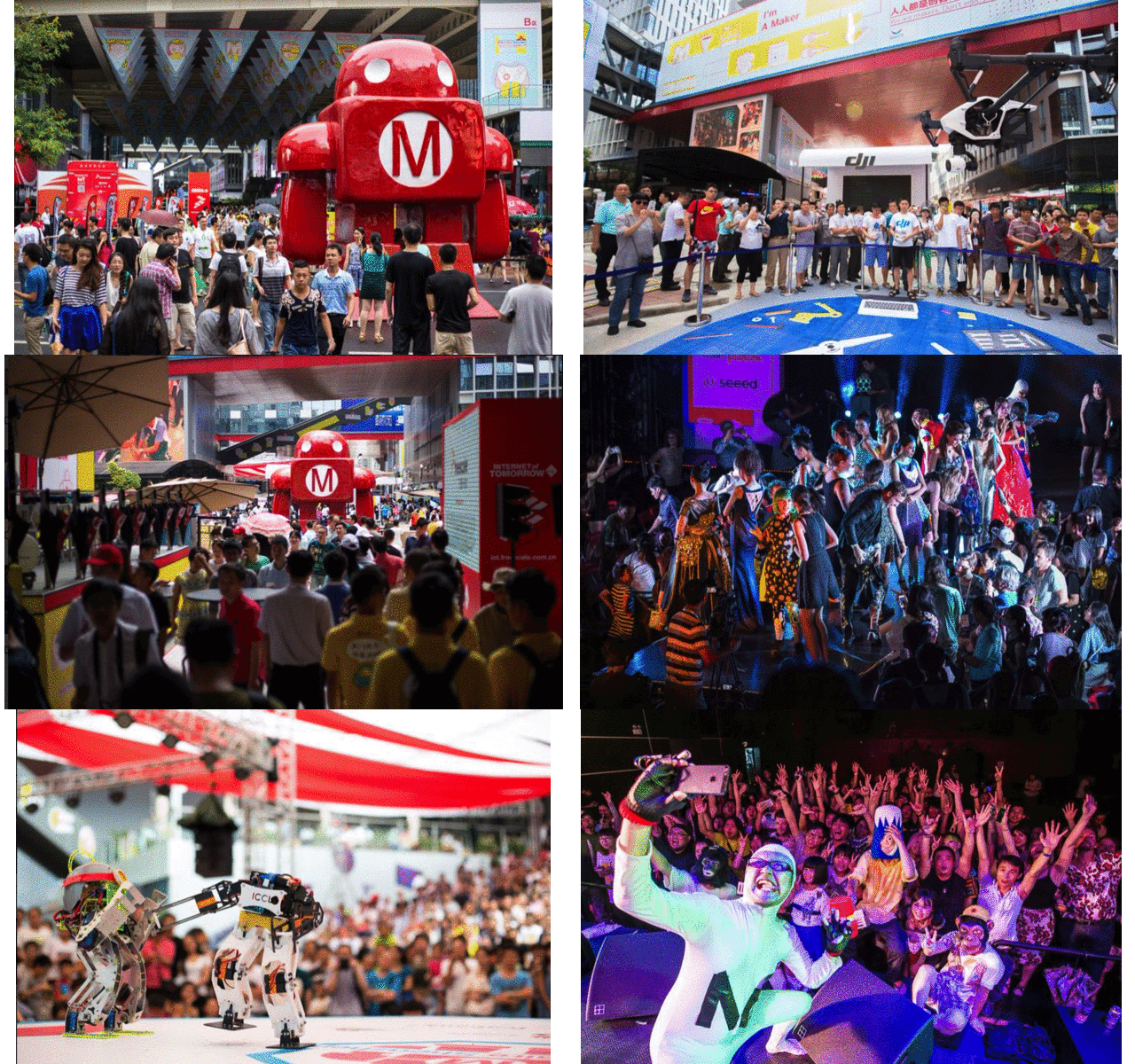
- 2016: “My World, My Creation” – As the sub-venue of the National Innovation and Entrepreneurship Week, the event was held for the first time in the commercial center area, experiencing unpredictable weather from typhoons to scorching heat. Many makers succeeded in your entrepreneurial endeavors this year, but it seemed like there were even more failures. The hype around entrepreneurship shifted towards rationality.
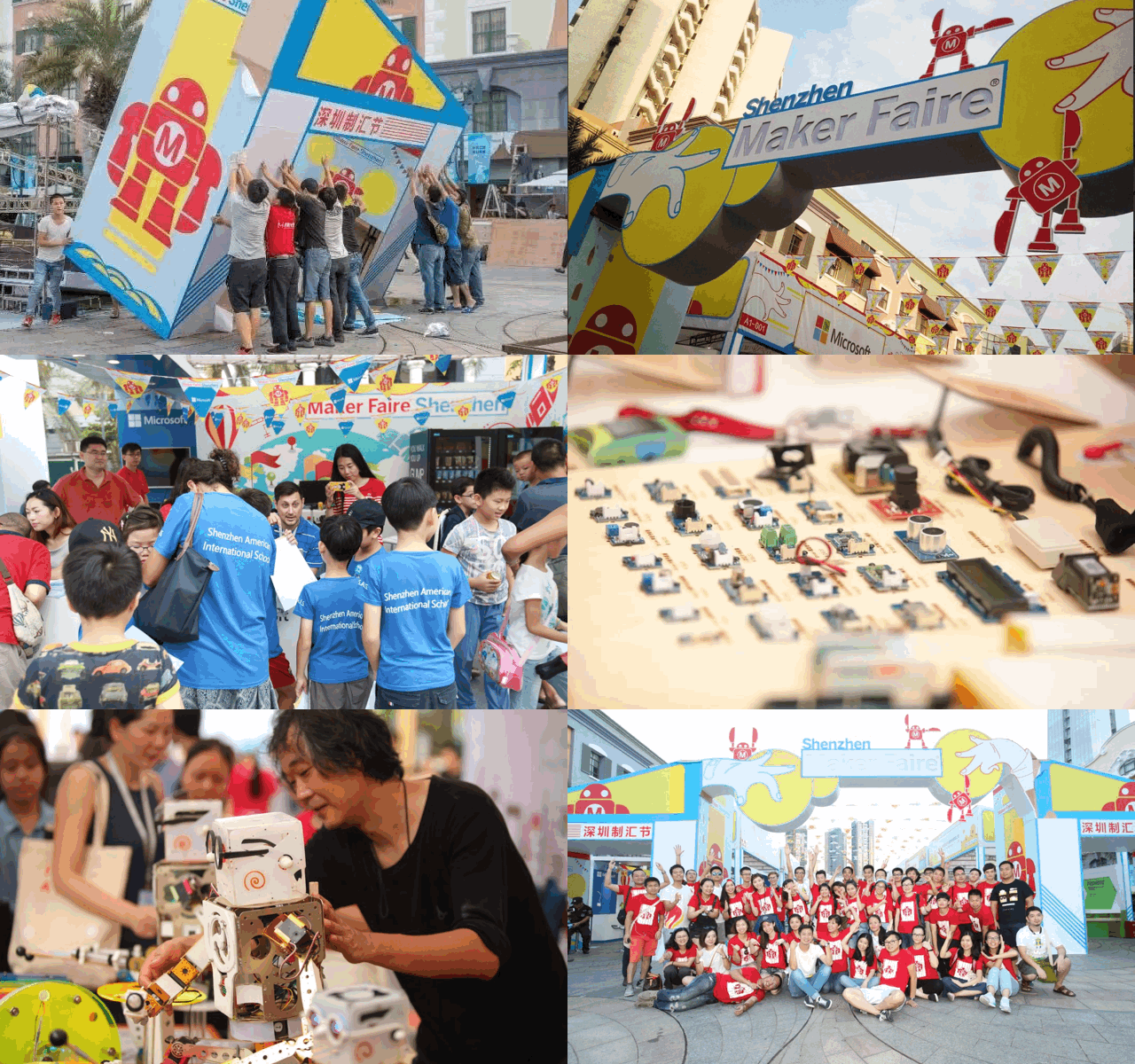
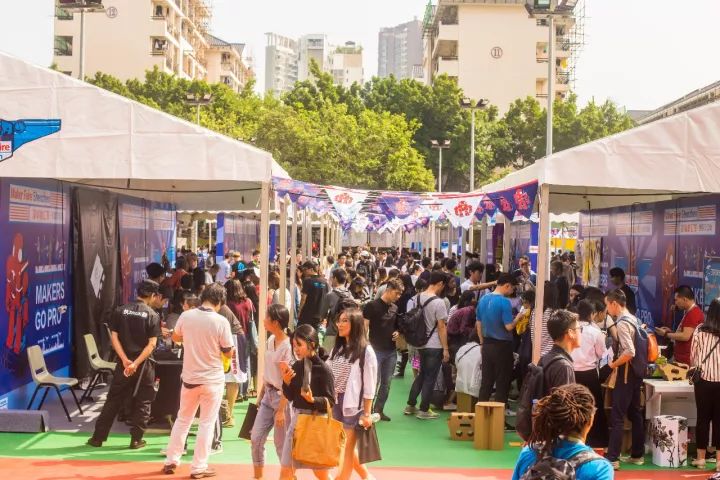
- 2017: “Makers, Go Pro” – The event took place at the university campus for the first time, focusing on Maker Pros and providing a platform for diverse innovators and makers to showcase themselves, presenting more possibilities for the growth path of makers to the entire community.
- 2018: “Co-making in the City” – The main venue of Shenzhen International Maker Week, where individuals and groups with shared visions and values gathered to showcase stories, projects, and explorations of collaboration among different communities and people.
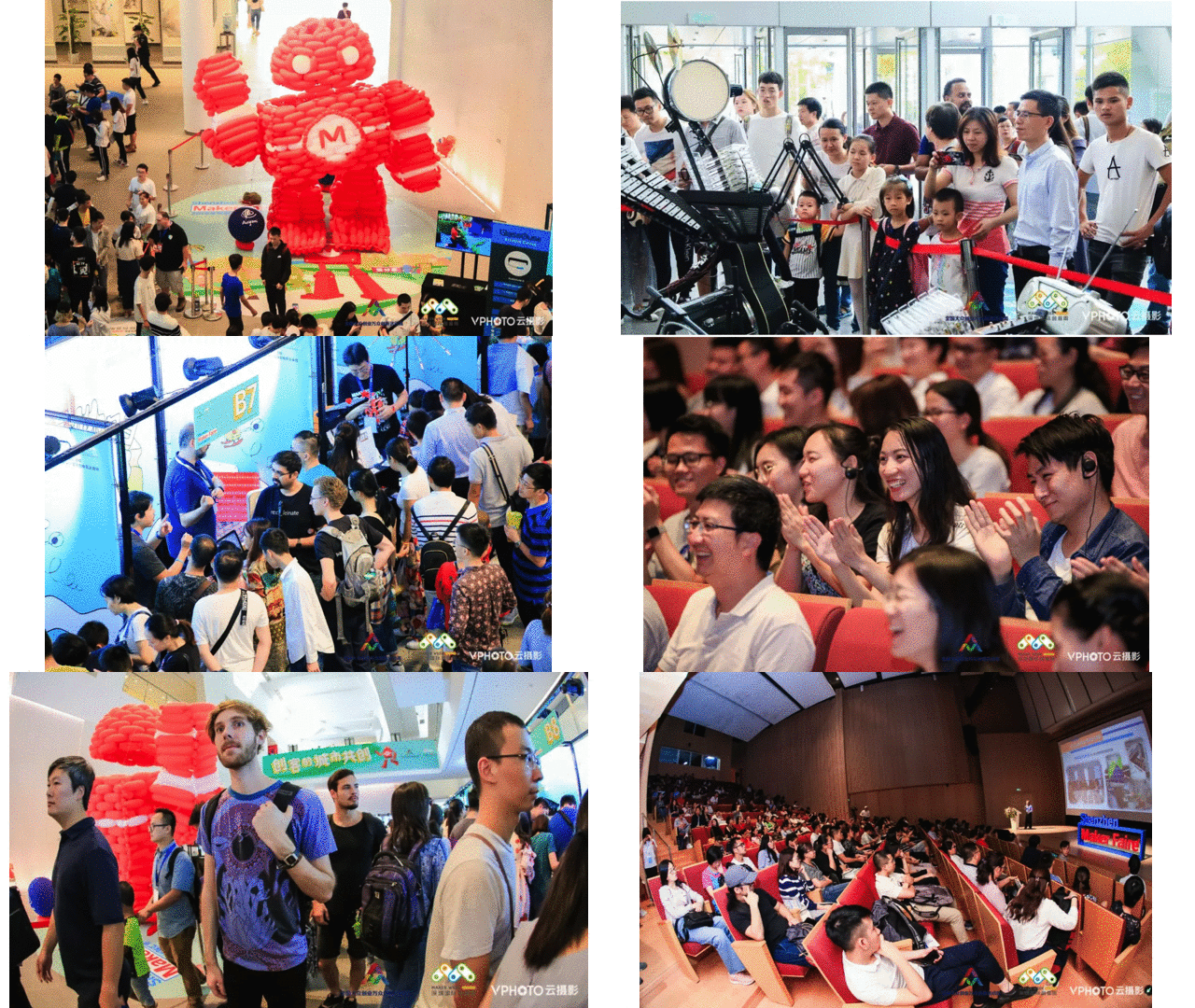
- 2019: ” To the Heart of Community, To the Cluster of Industry” – The event was upgraded to the Maker Faire Shenzhen, attempting to attract professional audiences and focusing on pragmatic aspects such as solving the needs of industrial upgrading and co-developin. It aims to build a platform for innovation and industry dialogue and collaboration.

- 2023: “Where Are The Makers?”– Starting from our own mission and values, we aim to explore the future direction of makers and theapossibilities for commercialization. Though this question does not have a definitive answer, we do hope that through this event, we can communicate and share with every one of you, finding more ideas and directions together.

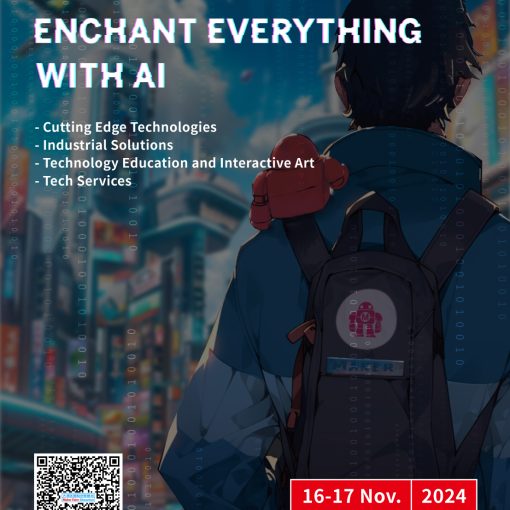
- 2024: “Everything is AI” – This year, we brought together over 120 exhibitors from around the world, attracting nearly 1,500 professional attendees from nearly 20 countries and over 20 provinces across China. The exhibition showcased a wide range of AI application projects and hosted 10 AI hardware-themed satellite events, alongside various workshops.
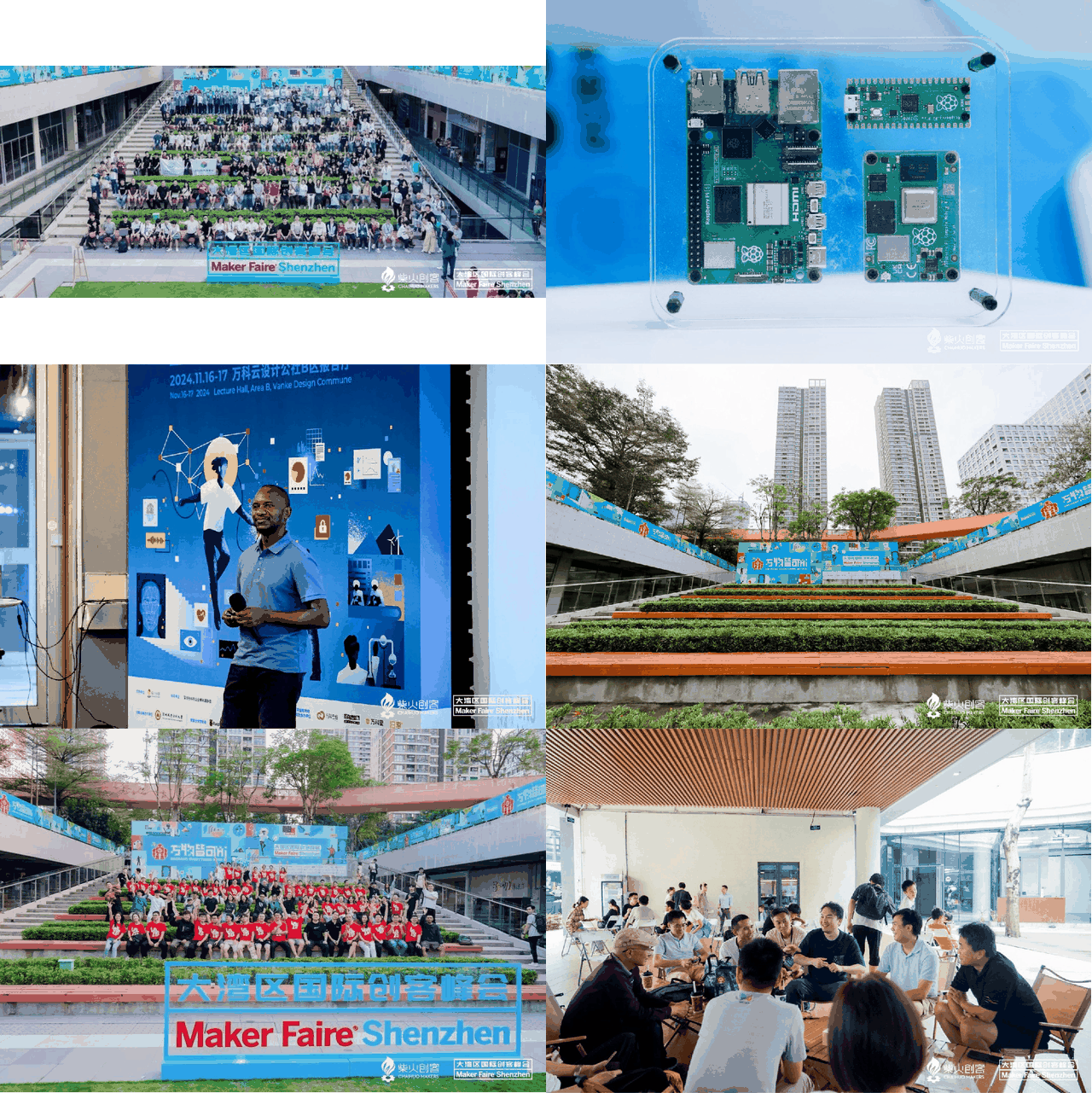
- 2025: “AI Without Boundaries, Everything Reimagined”The summit brought together nearly 100 international innovation ambassadors and showcased almost 1,000 AI hardware projects.Technology leaders, pioneering makers, industry experts, and university teams from more than 30 countries gathered to create an international innovation event combining frontier thinking, technical exchange, and cross-disciplinary collaboration.