Aniruddh Mali · Maker Bhavan IITGN · India · Technology Education and Interactive Art · Makers and Teams
If previous editions of Maker Faire Shenzhen were testing grounds where inspiration sparked, this year we will see how creative ideas take root and become reality. This year’s event is officially scheduled for December 12–13, 2026, in Nanshan District, Shenzhen — and this time we are putting OPC creators and full-industry-chain service providers center stage, working together to build a “Mega Evolution Stage for Global Makers.”
In today’s “Meet the Maker”, we introduce one of this year’s international exhibitors: Aniruddh Mali, a global maker, educator and ecosystem builder from India, better known in the community as MakerGuru.
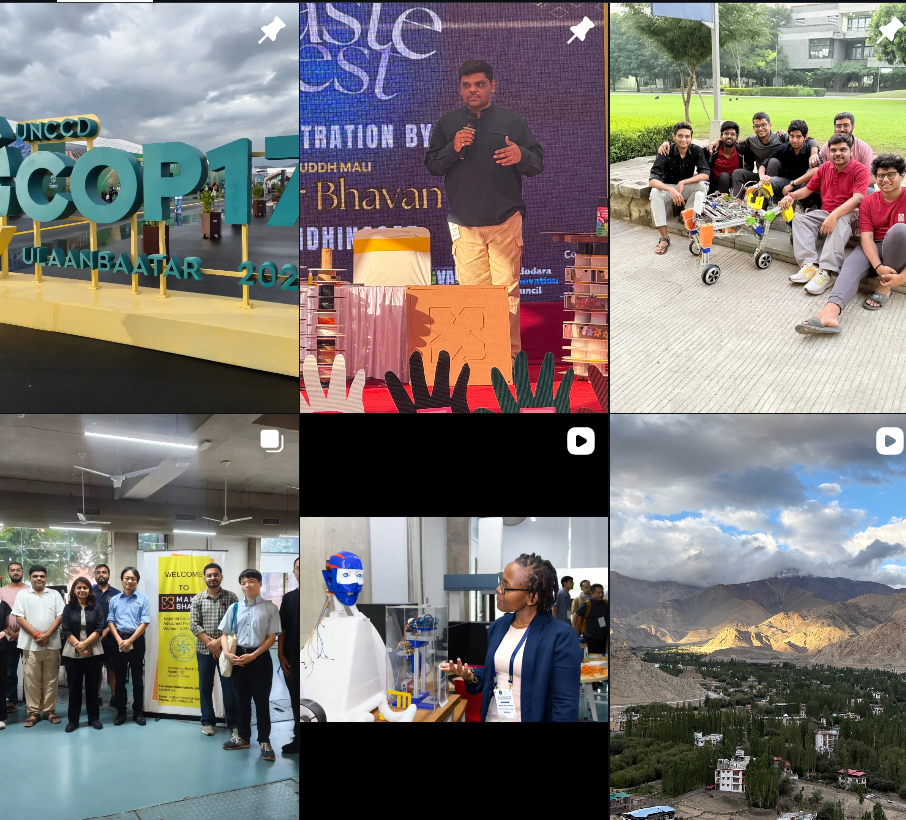
Aniruddh Mali is a global maker, educator and ecosystem builder based in India, working with Maker Bhavan IITGN (Indian Institute of Technology Gandhinagar). Through Learning by Making, makerspaces and community-driven innovation, he has empowered more than 10,000 innovators across India and internationally. He built India’s first academic makerspace model, integrating academia with makerspace pedagogy to transform hands-on engineering education across the IIT ecosystem. His project this year is called Global Community Innovation — and true to the name, what he brings is not a single device but an innovation ecosystem that is already running in several countries.
Learn by making — then build the ecosystem that lets others do the same.

Project Spotlight: Global Community Innovation
What Aniruddh Mali submitted is called Global Community Innovation. It is not an object that can be placed on a table, but a whole set of things he has assembled over the years: a method, spaces, a network and a set of issues.
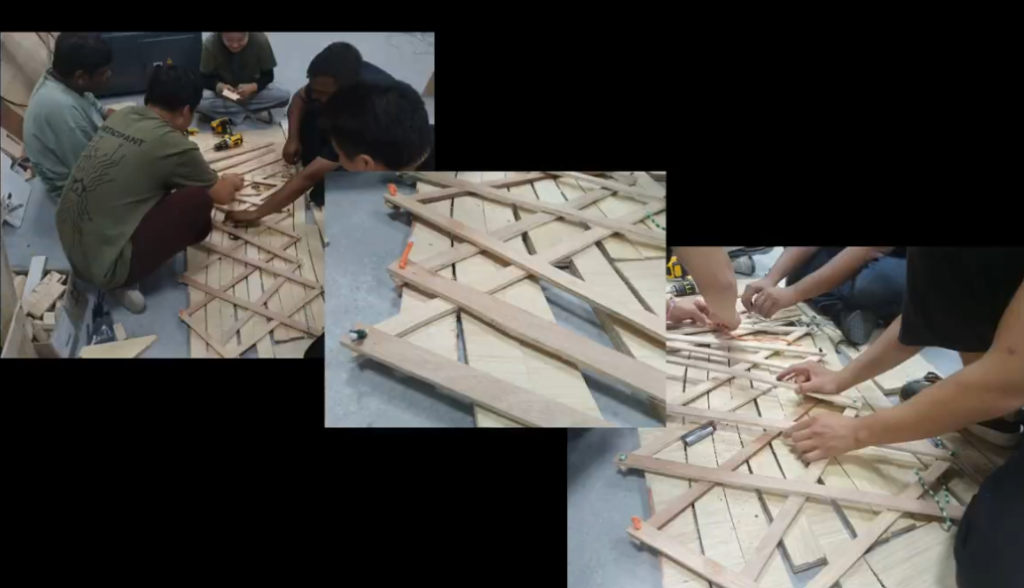
The first layer is education. He built India’s first academic makerspace model, combining academic training with makerspace pedagogy to reform hands-on engineering education across the IIT system. The second layer is ecosystem: he is helping build Mongolia’s first full-size Fab Lab, GERLAB, supporting its maker education, innovation pathways and connections into the global Fab Lab network.
The third layer is the issues themselves. His recent work spans Leh-Ladakh, Mongolia, West Africa, Egypt, Argentina and the Philippines, focused on community-driven innovation, the circular design economy and climate-resilient futures.
At UNCCD COP17 in Mongolia he served as a Global Instructor for the NomaTech Challenge 2026, mentoring young innovators to develop locally relevant solutions for desertification, water scarcity, land degradation and climate resilience. His student teams placed second and third among six teams.
He also contributes through FAB26, Startup Fest, the Leh-Ladakh Innovation Bootcamps and Change Maker programs, connecting technology, education and communities so that local problems turn into things that can actually be built.
Three layers, one logic
Taken apart, Global Community Innovation has a clear structure:
- Education. Write Learning by Making into curricula and makerspaces, so making becomes a method rather than a weekend club.
- Ecosystem. Get local makerspaces such as GERLAB off the ground and connect local makers to the global Fab Lab network.
- Issues. Desertification, water scarcity, land degradation, climate resilience — technology as an answer to specific local problems.
- Validation. Students placing in an international challenge shows the method is not just an idea.
The project lists seven Sustainable Development Goals: SDG 3, SDG 4, SDG 6, SDG 9, SDG 11, SDG 14 and SDG 17 — spanning health, education, water and sanitation, industry and innovation, sustainable cities, ecosystems and partnerships.
The Projects He Is Bringing
In his application he lists nine projects currently in progress, each tied to a concrete scenario:
- Autonomous Firefighting Drone — an aerial system combining drones, thermal imaging, embedded systems and autonomous navigation to detect heat sources and help locate fire-affected areas, reducing human exposure. Scenarios: forest fires, industrial fires, disaster response and emergency monitoring.
- Robotic Dog for Rescue Operations — a quadruped platform carrying sensors and cameras into environments that are difficult or unsafe for people, supporting remote inspection, situational awareness and search and rescue.
- Upcycling 3D Printing Waste — turning discarded printing material and failed prints into useful new products, exploring material recovery, recycling and creative remanufacturing for makerspaces, schools and circular manufacturing education.
- Anvesa Patch — a compact wearable electrochemical biosensing platform for accessible health monitoring, exploring non-invasive biomarker monitoring through sweat. A finalist in the TCT Healthcare Application Awards 2026 and shown at RAPID + TCT Boston.
- BioRobotic Skin — integrating soft materials, sensors, electronics and robotics into a skin-like sensing interface for prosthetics, rehabilitation and human-robot interaction.
- Space Agriculture — a maker-driven exploration of controlled-environment agriculture for extreme environments, combining sensors, automation, environmental monitoring and low-resource cultivation.
- Bhoo Kavach — a technology-enabled approach to restoring landscapes degraded by mining, using environmental sensing and locally appropriate interventions.
- Bulag — a climate-resilience concept focused on water scarcity in Mongolia, exploring capture, monitoring, conservation and management of limited water resources.
- Snow Catcher — capturing and managing seasonal snowfall as a local water resource for cold, arid regions facing water stress.
About Aniruddh Mali
In the community he is better known as MakerGuru. He works as a maker, an educator and an ecosystem builder — and he genuinely does all three.
His judgment is that one person finishing a project does not amount to much; what matters is making the path of Learning by Making reproducible. So he builds makerspaces, curricula and cross-border networks — converting individual capability into a route that a whole group can keep using.
His vision is a globally connected maker ecosystem, in which makerspaces become platforms for education, entrepreneurship, circular innovation, climate resilience and community-led technological change.
He will be attending with a team of five.
Experience Technology and Creativity First-Hand
At Maker Faire Shenzhen 2026, Aniruddh Mali will be in the Makers and Teams zone, and the project has been flagged as a highlight project offering onsite performance. He also wants to run a hands-on workshop on Circular Making during the event.
Here is what you can do at his booth:
- Hear how a makerspace turns from a room into a replicable educational method
- Talk circular making: what it takes to go from 3D printing waste to remanufacture
- If your city or school wants to build a makerspace, this is a direct conversation
Links
- Project materials (Google Drive): Google Drive folder
- Instagram: instagram.com/makerguruji
We sincerely invite you to visit the Makers and Teams zone during the event, hear how a makerspace becomes a method, and talk with Aniruddh Mali about building the ecosystem around it.
If you would like to share your OPC ideas and experiences at China’s largest maker innovation celebration—and demonstrate how AI can truly become part of our work and everyday lives while solving real-world problems—this is your opportunity.
Let your project be seen by more peers, developers, partners, and potential customers, and allow new ideas to meet and grow here.
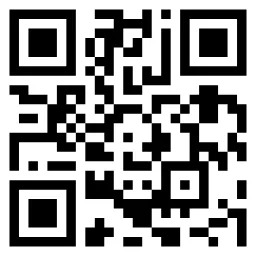
Scan the QR code below or click “Read the Original Article” at the end of the post to apply. Together, let us step into the era of OPC creators and unlock the infinite possibilities of the future!
Greater Bay Area International Maker Summit & Maker Faire Shenzhen 2026
Global Call for Makers Now Open
Application period: June 30–October 30, 2026
Event dates: December 12–13, 2026
P.S. Companies that reserved a booth last year do not need to submit another application. More participation opportunities will be announced soon—stay tuned!
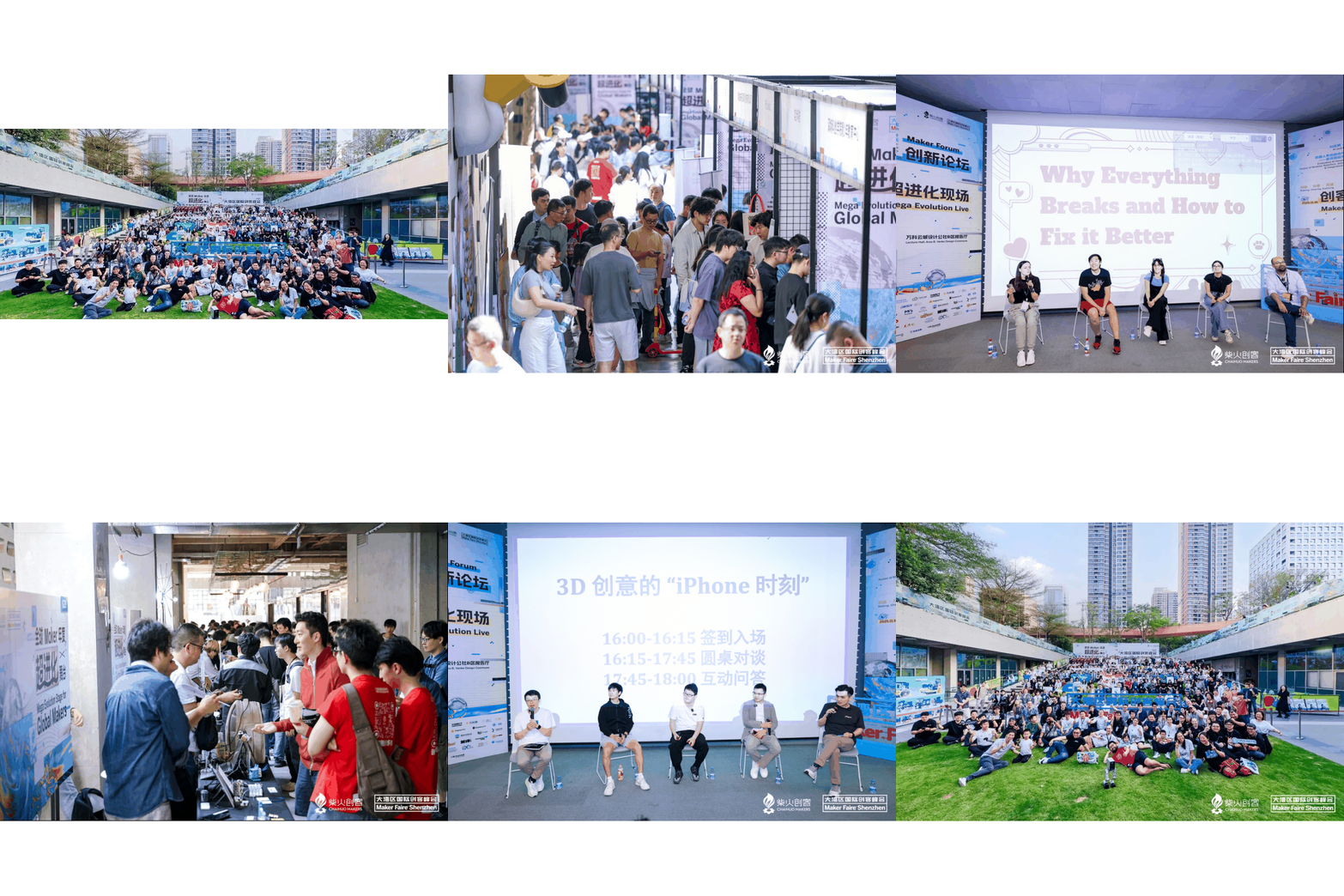
Over the past 13 years, the development trajectory of Maker Faire Shenzhen can be seen as a microcosm of the development of maker culture in China.
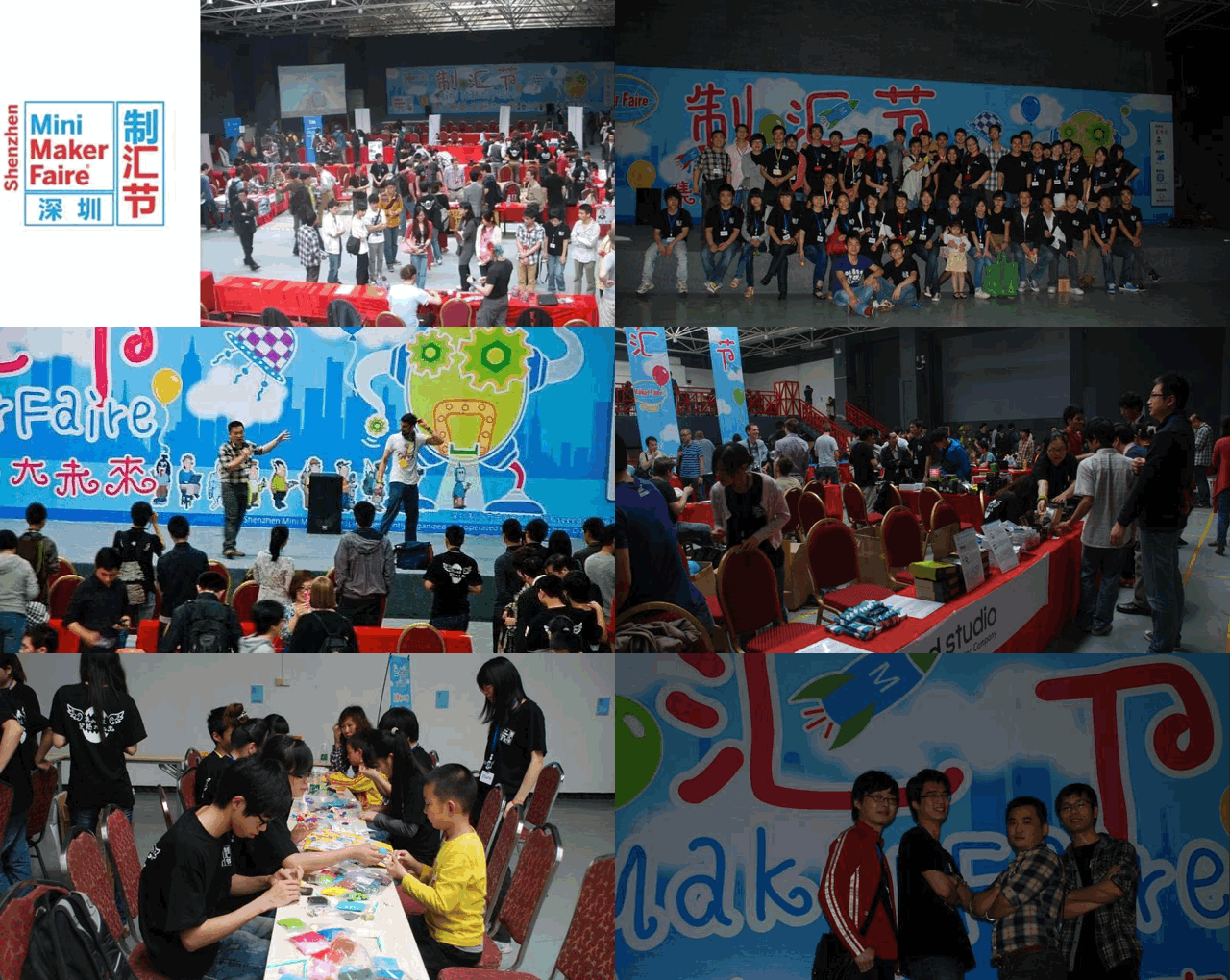
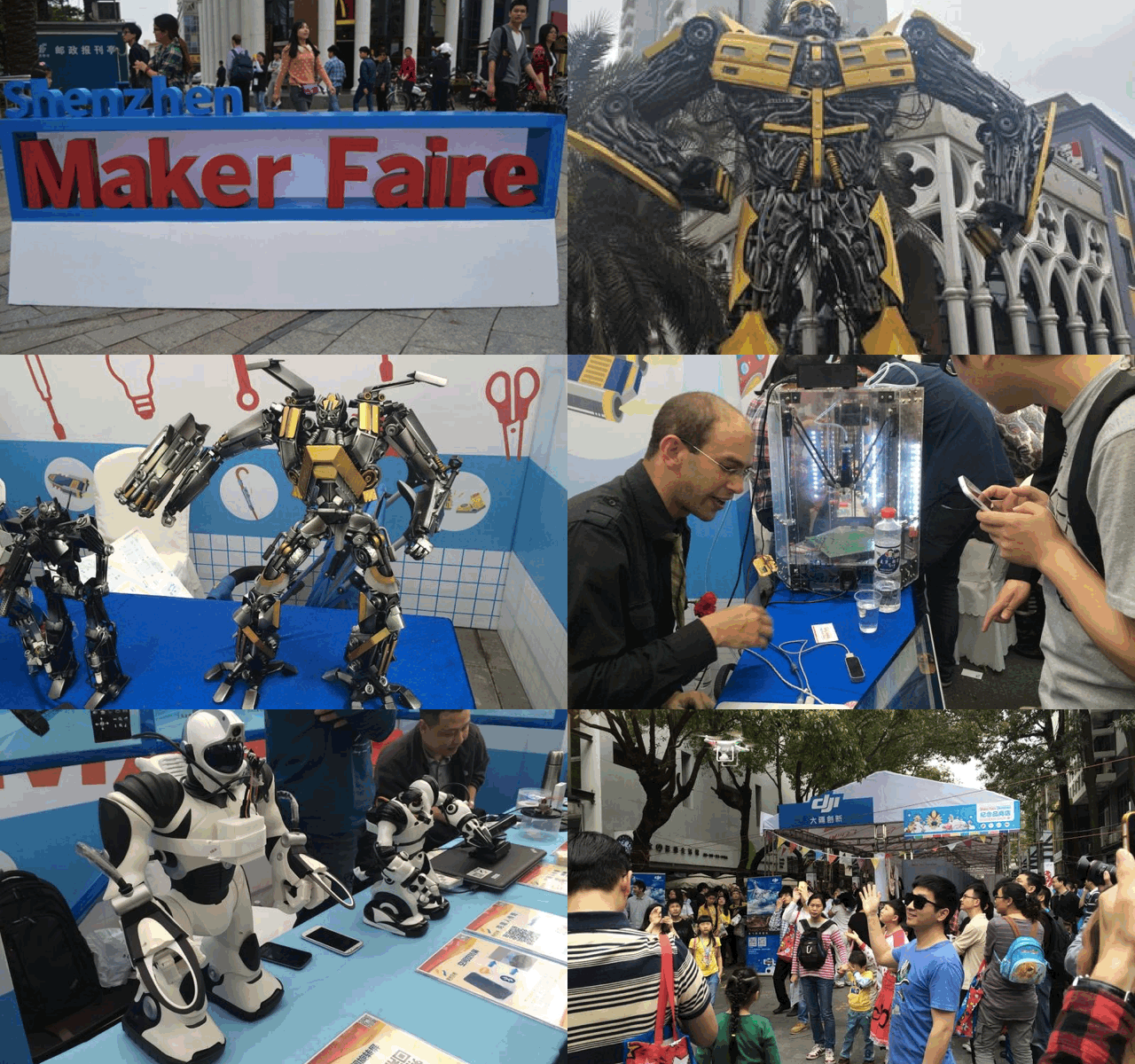
- 2012: “Gathering Small Wisdom, Journeying through the Great Future” – This was the first Mini Maker Faire in China, with less than 1000 attendees, and was more like a gathering within a small circle. But we saw the infinite possibilities emerging from the maker community.
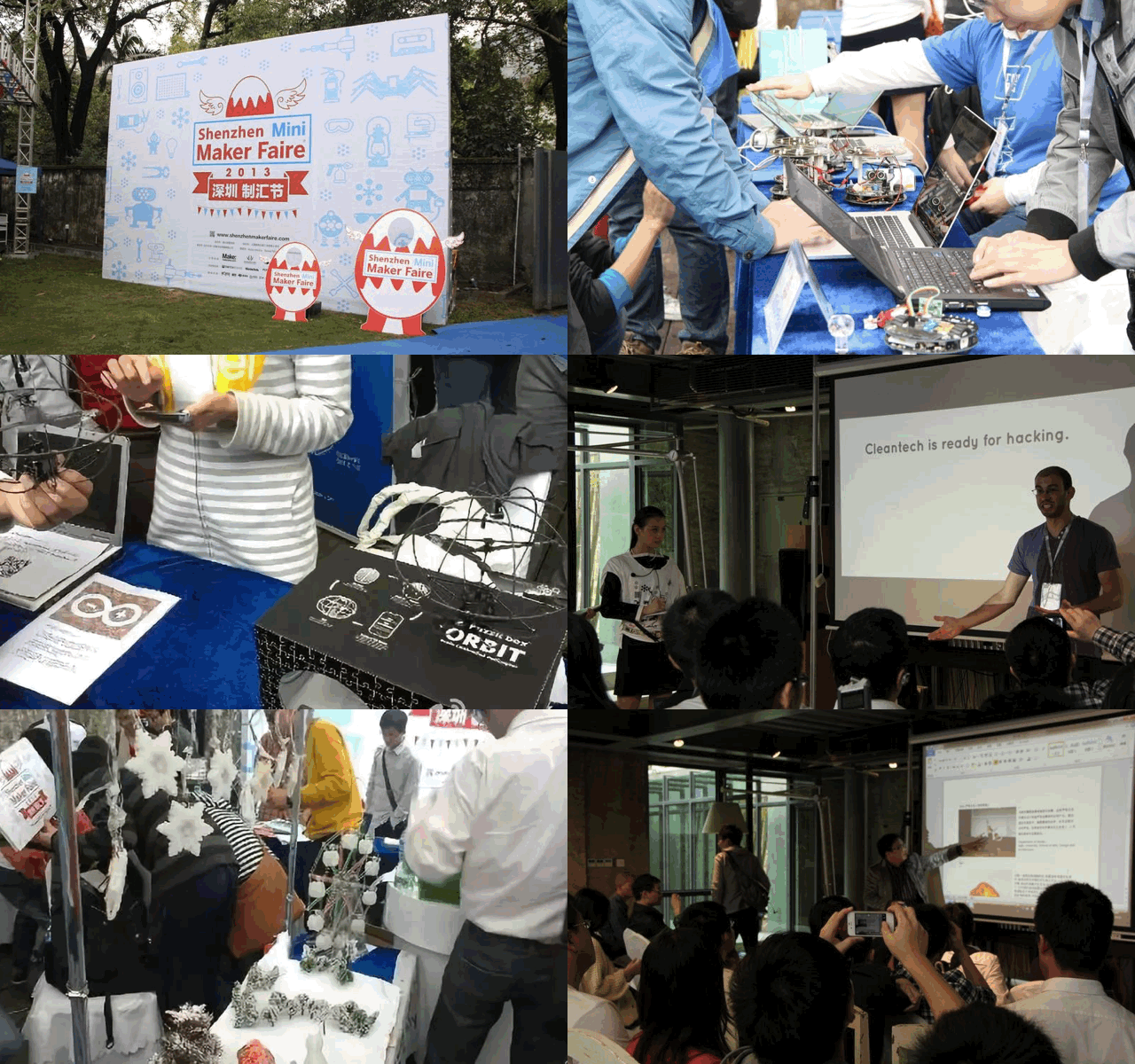
- 2013: The slogan was absent, and the maker community was still small. – In the OCT Creative Park, there were cross-disciplinary exchanges among different creative communities, silently laying the foundation for cultural output.
- 2014: “Innovate with China” – the event was upgraded to the Featured level for the first time, with a significant increase in scale compared to previous years, and the beginning of professional independent forums. This year, makers began to enter the public’s view.
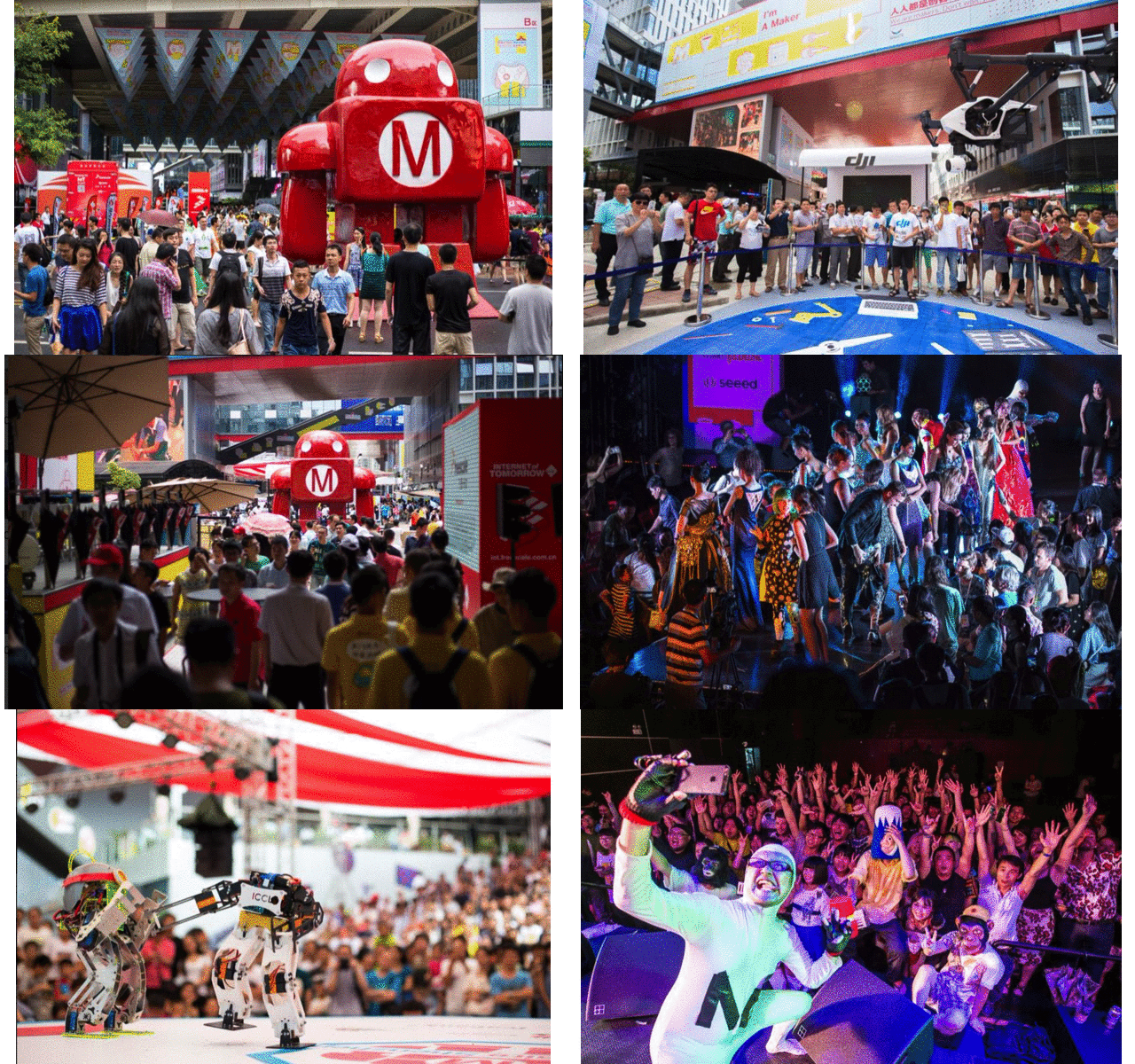
- 2015: “Everyone is a Maker, what are you waiting for?” – This year’s Shenzhen International Maker Week became one of the largest Maker Faires in the world. This year, the concept of “maker” was elevated to a national level, and the trend of “mass innovation, mass entrepreneurship” swept across the country.
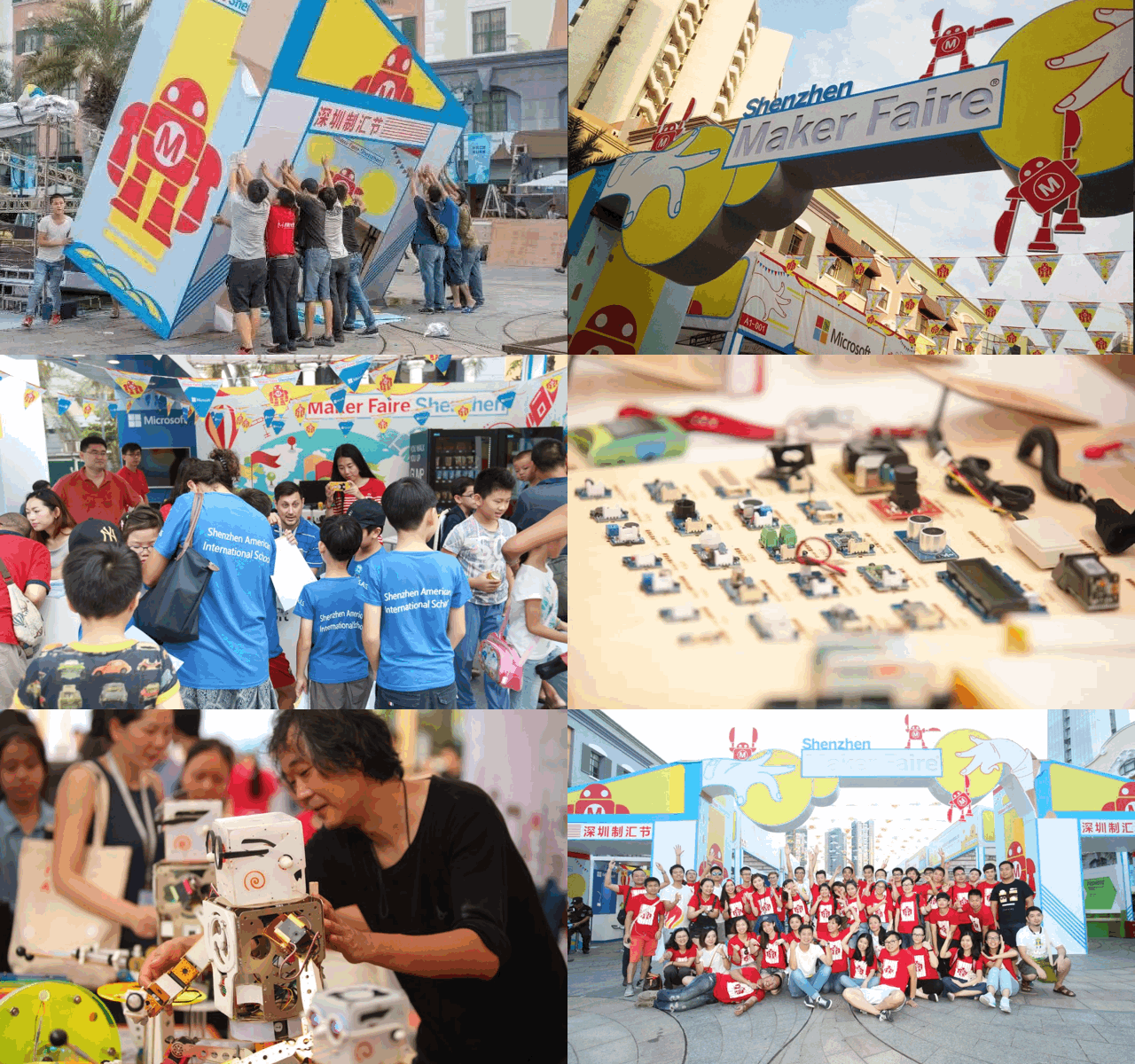
- 2016: “My World, My Creation” – As the sub-venue of the National Innovation and Entrepreneurship Week, the event was held for the first time in the commercial center area, experiencing unpredictable weather from typhoons to scorching heat. Many makers succeeded in your entrepreneurial endeavors this year, but it seemed like there were even more failures. The hype around entrepreneurship shifted towards rationality.
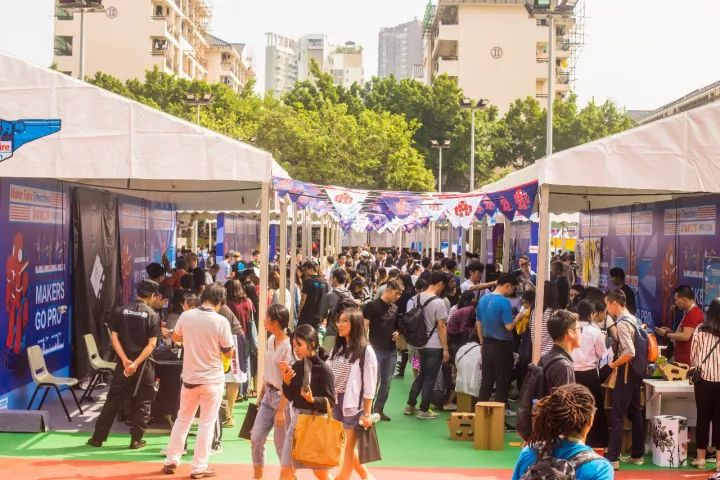
- 2017: “Makers, Go Pro” – The event took place at the university campus for the first time, focusing on Maker Pros and providing a platform for diverse innovators and makers to showcase themselves, presenting more possibilities for the growth path of makers to the entire community.
- 2018: “Co-making in the City” – The main venue of Shenzhen International Maker Week, where individuals and groups with shared visions and values gathered to showcase stories, projects, and explorations of collaboration among different communities and people.
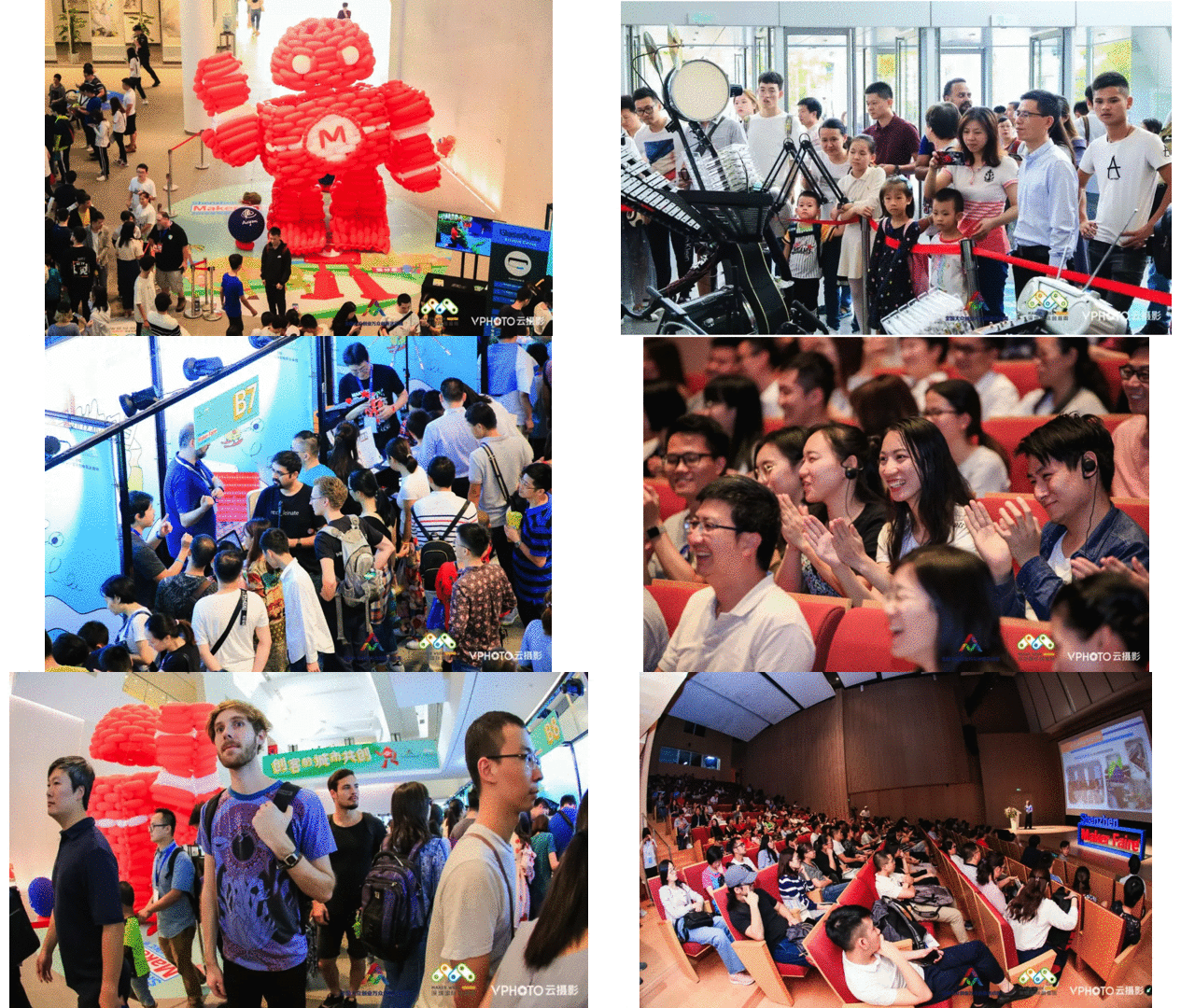
- 2019: ” To the Heart of Community, To the Cluster of Industry” – The event was upgraded to the Maker Faire Shenzhen, attempting to attract professional audiences and focusing on pragmatic aspects such as solving the needs of industrial upgrading and co-developin. It aims to build a platform for innovation and industry dialogue and collaboration.

- 2023: “Where Are The Makers?”– Starting from our own mission and values, we aim to explore the future direction of makers and theapossibilities for commercialization. Though this question does not have a definitive answer, we do hope that through this event, we can communicate and share with every one of you, finding more ideas and directions together.

- 2024: “Everything is AI” – This year, we brought together over 120 exhibitors from around the world, attracting nearly 1,500 professional attendees from nearly 20 countries and over 20 provinces across China. The exhibition showcased a wide range of AI application projects and hosted 10 AI hardware-themed satellite events, alongside various workshops.
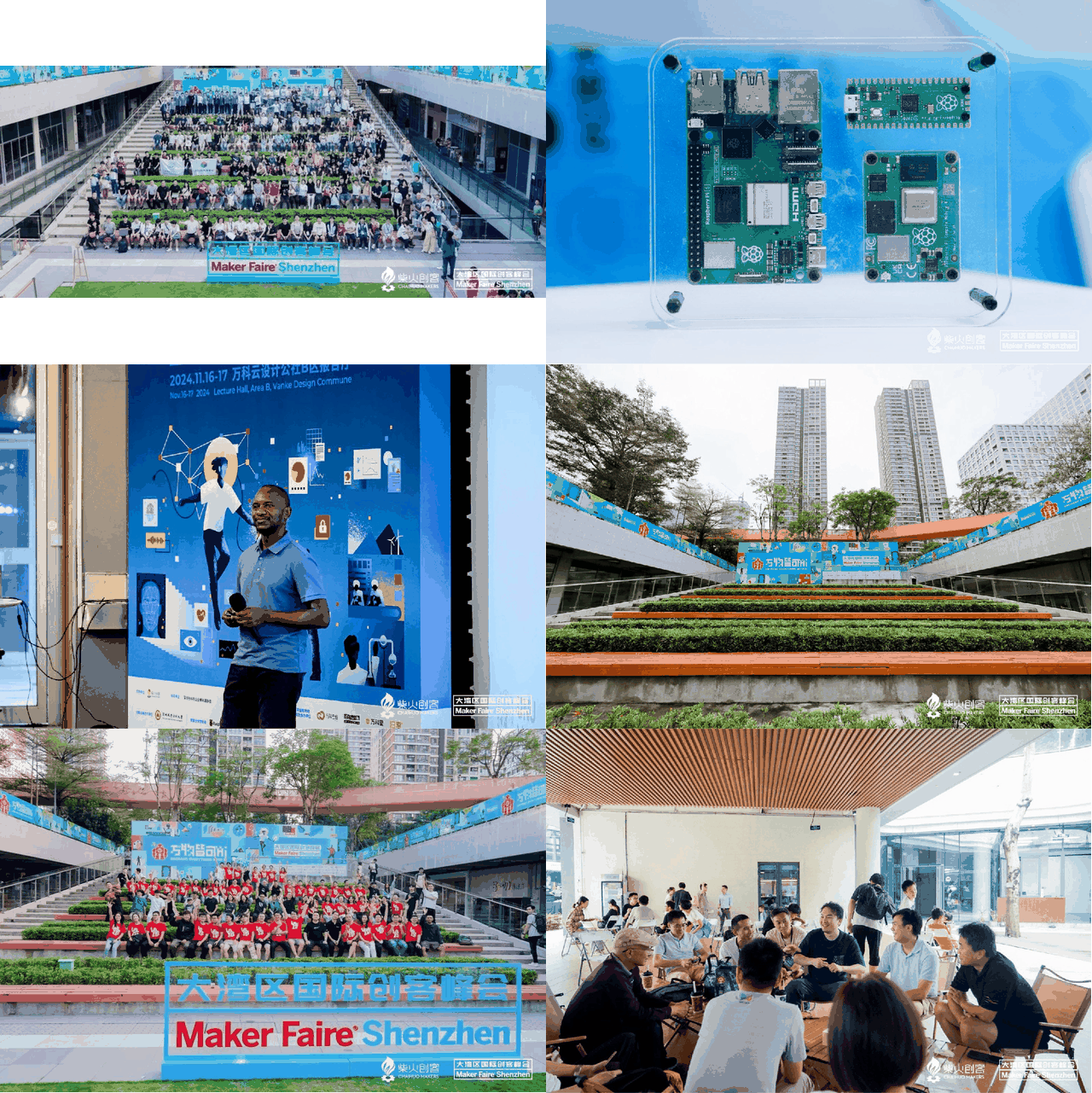
- 2025: “AI Without Boundaries, Everything Reimagined”The summit brought together nearly 100 international innovation ambassadors and showcased almost 1,000 AI hardware projects.Technology leaders, pioneering makers, industry experts, and university teams from more than 30 countries gathered to create an international innovation event combining frontier thinking, technical exchange, and cross-disciplinary collaboration.