Brazil, another BRICS nation on the other side of the ocean, is blessed with abundant resources, endless coastlines, bright sunshine, and plentiful rainfall. Dancing alongside the passionate samba on this land are makers filled with enthusiasm for technology.
Professor Marcelo Rovai from Brazil attended Maker Faire Shenzhen for the first time this year, bringing us his story of technology evangelism: from engineer to corporate executive, then to university educator and open-source technology advocate—a lifelong learner and researcher demonstrating how to promote technology for the benefit of all. There’s a video of Professor Marcelo’s presentation at MFSZ at the end of this article, so be sure to watch until the end!
1. Industry Leader Turns to the Path of Spreading the Maker Fire
Before becoming a professor at the Federal University of Itajubá in Brazil, Marcelo had what could be described as a perfect elite résumé: After earning his bachelor’s degree in engineering in 1983, he entered the tech industry and subsequently obtained an MBA and a master’s degree in engineering. He then served as Vice President for Latin America at globally renowned tech giants including AT&T, NCR, and IGT. During this career spanning over thirty years, he shuttled between office buildings and conference tables, with travel between multiple countries becoming routine.
After years working for multinational corporations, Marcelo realized that many places, especially people from the Global South and underdeveloped regions, were unable to truly benefit from technology—particularly the advantages brought by AI advancements—due to limitations in economic development, knowledge, and various other factors.
This led him to reconsider his thirty-year career: “I started as an engineer and gradually became a manager, which was certainly a great career path. But when you’re attending meetings day after day, flying first class, one day you stop and ask yourself, what do you really want?”
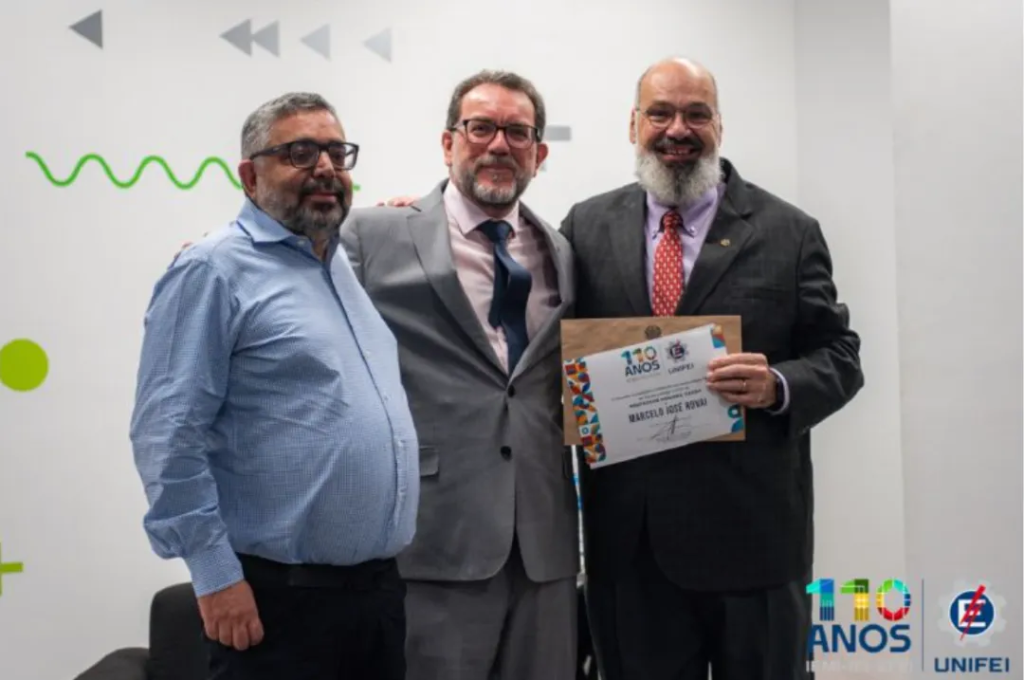
“I’ve received so much—the privilege to learn knowledge and technology, to save some money, to live a decent life. I thought it was time to start giving back and helping others, using the knowledge and technology I’ve gained to make a difference.”
Re-examining his heart and past life, Marcelo decided to choose another path, giving back to society through technology education, returning to his youthful passion for technology and creation, beginning the second half of his career.
In 2015, he entered academia to begin teaching technology. In 2021, he returned to his alma mater, the Federal University of Itajubá, as a volunteer professor, starting to teach, write, and create and publish various open-source tutorials. He serves as a collaborator and administrator in multiple international open-source technology organizations, tirelessly sharing his lifetime of learning and spreading the knowledge, skills, and experience he has mastered to help more people utilize technology.
2. Creating Greatness with Tiny Things
Moving from corporate to academia, beyond dedicating himself to teaching and spreading knowledge, Marcelo has been searching for the right vehicle for technology popularization, striving to take technology beyond the classroom to broader horizons. With the rapid development of AI technology, AI has become a powerful tool helping various industries, but AI technology often requires massive investment and energy consumption.
How can we lower the barriers to AI usage and allow AI’s technological achievements to benefit more people? He saw enormous potential in TinyML technology.
TinyML (Tiny Machine Learning) is a technology that combines machine learning with embedded devices. One of the ultimate goals of this technology is to deploy and apply AI on devices the size of a thumb, powered by just a button battery, capable of working offline for months through optimized software and hardware design, enabling AI-powered devices to be used across all industries and in every corner.
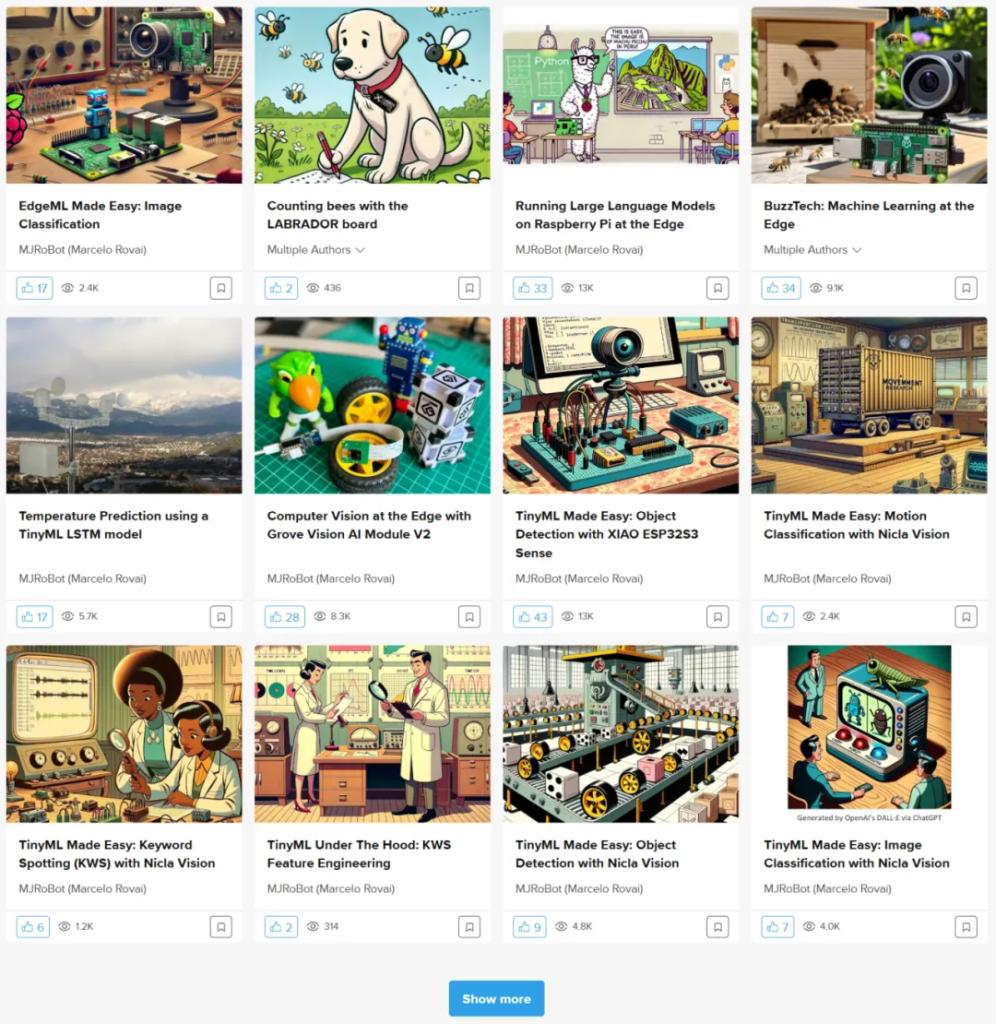
Marcelo realized that TinyML technology and devices have tremendous potential to be tapped: compact and flexible, affordable, easy to maintain and use, while allowing users to develop various functions with nearly unlimited development space. He began publishing projects and tutorials on open-source communities like GitHub and Hackster, helping more people understand, learn, and utilize TinyML technology through the internet.
3. Bringing More People into the Ranks of Creation and Change
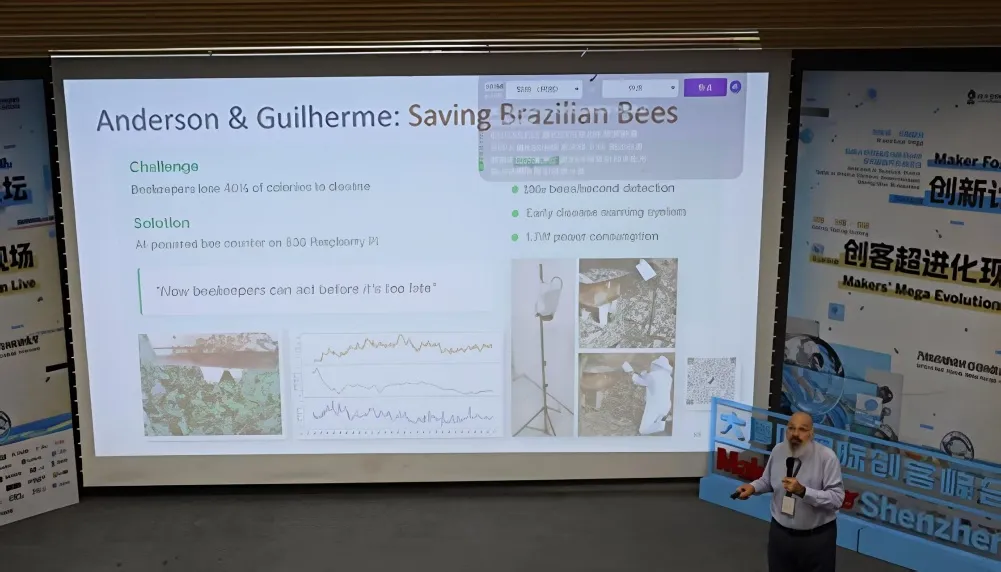
At MFSZ25, Professor Rovai showcased TinyML projects created by makers from various countries and regions across South America under his guidance. These projects have brought real change to local people at low cost.
Deploying AI-assisted tiny sensors in the wild to monitor bee colony status, providing early warnings of possible pest infestations and weather changes, helping Brazilian beekeepers avoid significant losses.
Utilizing abundant resources and data from medically advanced regions to train AI and deploy it on low-cost monitoring equipment to detect atrial fibrillation, providing early warnings for heart attacks, and saving lives in underdeveloped areas lacking expensive medical equipment.
In wild areas without network support, monitoring mosquito movements through TinyML devices to help people prevent malaria brought by mosquito infestations.
These cases also prove the beautiful vision he believes in and works toward: using TinyML technology with costs of just a few dozen yuan and lower learning barriers, bringing AI out of laboratories and server rooms that consume enormous resources, allowing more people, especially those in developing countries and impoverished backward regions, to use technological achievements to help each other and improve their lives.
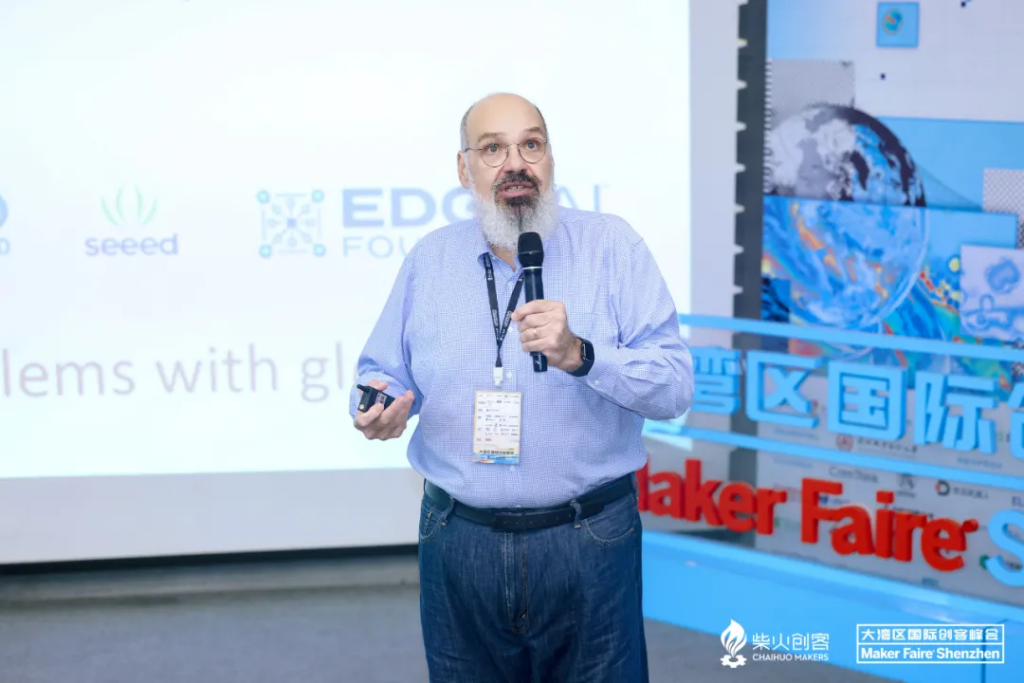
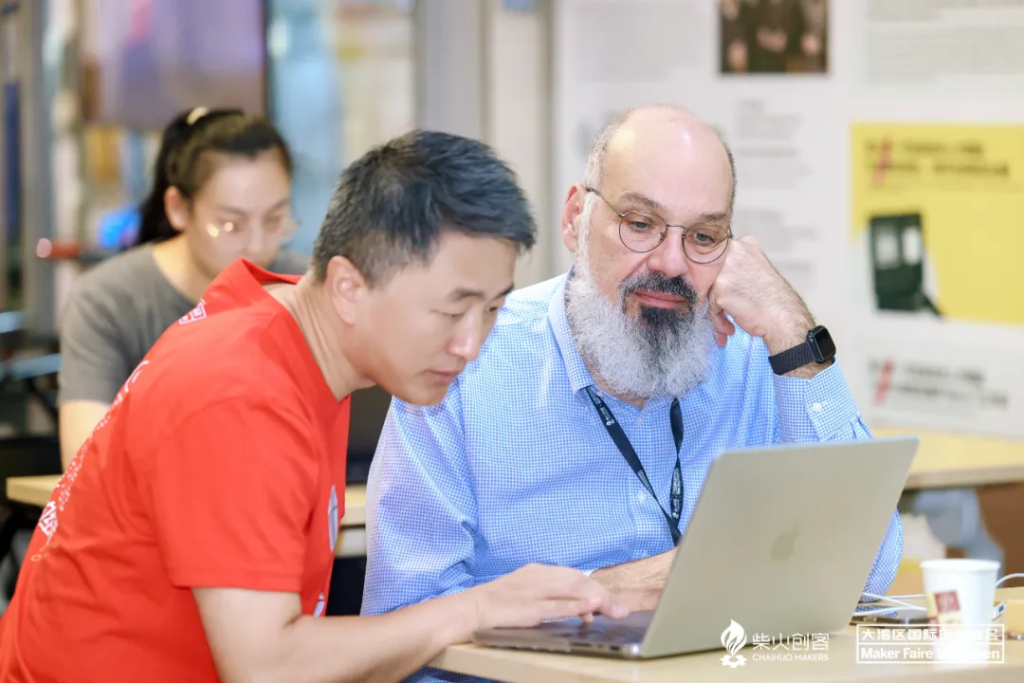
Through Maker Faire Shenzhen, he also hopes more people will recognize that AI is not some lofty, unreachable advanced technology, but infinite possibilities right beside us that we can grasp with our own hands. For him, the road to technology inclusivity has no endpoint. Whether in university classrooms in Brazil or in maker spaces in China, as long as people are willing to learn and create, the fire will continue to burn.
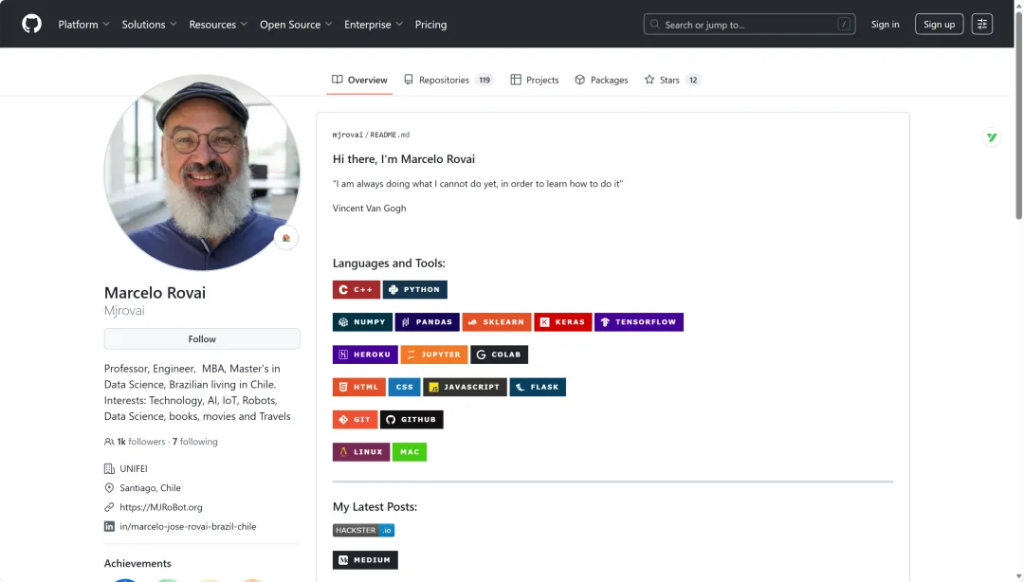
Having worked in the industry for decades and guided tens of thousands of technology learners worldwide through education, in stark contrast to his brilliant life journey, Marcelo quotes only one sentence from Van Gogh as his self-introduction on his GitHub homepage: “I am always doing what I cannot do yet—in order to learn how to do it.”

If you accidentally missed this year’s excitement
Welcome to scan the code to enter this year’s event photo live page

As the organizer of Maker Faire Shenzhen, Chaihuo Makerspace has been committed to creating a continuously active innovation community for hard tech and maker culture. Beyond the annual summit, we plan and host various maker workshops, tech sharing sessions, hackathons and other events every week, exchanging ideas and sparking inspiration together with makers, engineers, designers and tech enthusiasts from around the world.
We welcome all who love hard tech and innovation to follow and join us in exploring future possibilities together!