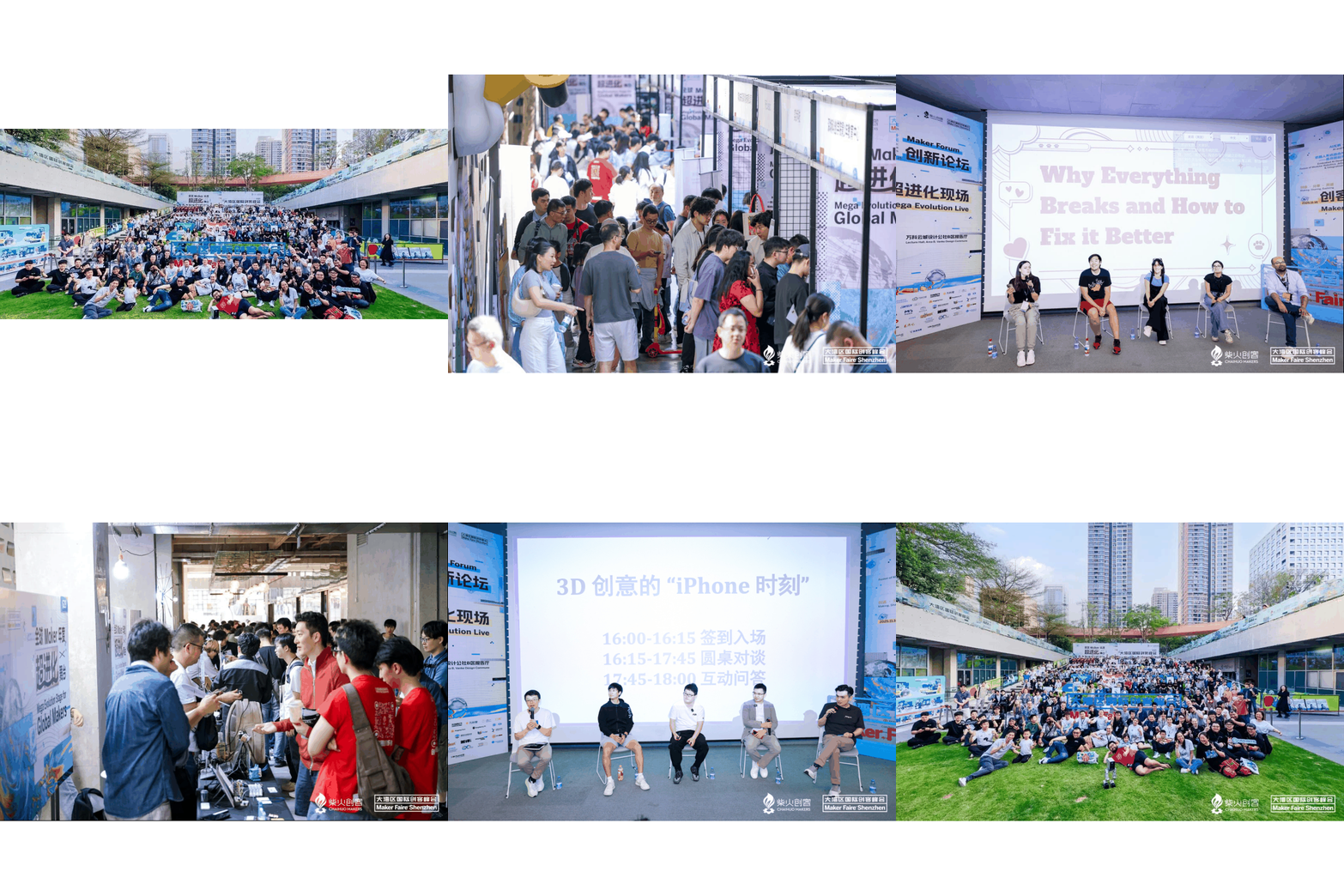
If previous editions of Maker Faire Shenzhen were testing grounds where inspiration sparked, this year we will see how creative ideas take root and become reality.
This time, we are putting OPC creators and full-industry-chain service providers center stage, working together to build a “Mega Evolution Stage for Global Makers.”
Long-time friends of Maker Faire Shenzhen know that it consistently ranks among the season’s most popular offline events. In addition to offering an in-depth look at cutting-edge technologies and industry trends, its wide range of on-site activities attracts professionals and visitors from many different communities.
This year’s event is officially scheduled for December 12–13.
In today’s “Community Partner Sponsor” column, we introduce — Mushroom Cloud Makerspace, located at Booth B4.

Mushroom Cloud Makerspace
Founded in 2013, Mushroom Cloud Makerspace was jointly initiated by Shanghai Zhihui Robot Co., Ltd. (DFRobot) and Shanghai Pudong Software Park. It is among the first batch of national-level makerspaces certified by the Ministry of Science and Technology, a Shanghai Student (Youth) Science and Innovation Education Base, a Shanghai Youth Innovation Laboratory, a Shanghai Primary and Secondary School AI Education Base, an Industry-University Cooperation Education Base of Shanghai Normal University, a Practice Base of the School of Experimental Art at Sichuan Fine Arts Institute, and a Teaching Practice Base of the School of Art Technology and Management (Digital Media Art) at Shanghai Theatre Academy. It is a public makerspace dedicated to advancing maker culture. It offers comprehensive maker education courses, a full suite of maker tools and equipment, and abundant maker events and exchange opportunities to help makers realize their ideas and projects.
Mushroom Cloud is an open makerspace located in Zhangjiang Hi-Tech Park. Whether you are a hacker, a hardware expert, an artist, a designer, or a DIY enthusiast, you will find your own place here.
Product Introduction
I. UNIHIKER K10 Mainboard and Expansion Boards
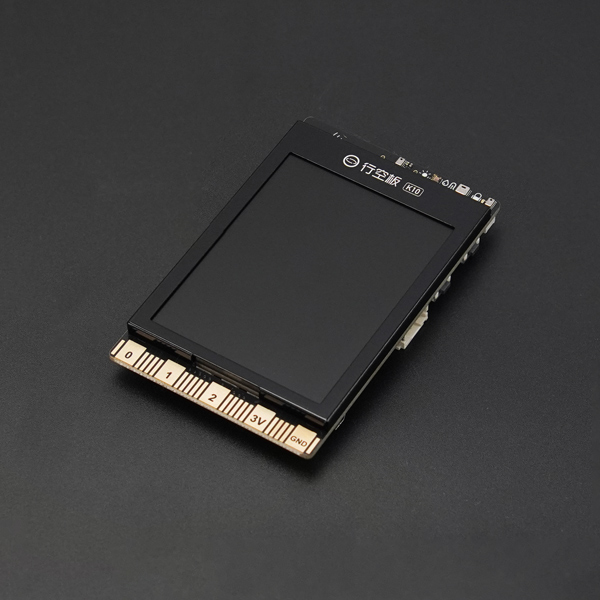
UNIHIKER K10 AI Agent Programming Mainboard
UNIHIKER K10 is a learning board developed specifically for programming learning, IoT, and AI project teaching in information technology courses. It integrates a camera, LCD color screen, microphone, speaker, WiFi/Bluetooth module, RGB indicator lights, and various sensors and expansion interfaces—no additional equipment is needed to implement AI projects such as sensor control, IoT applications, image detection, speech recognition, and speech synthesis.
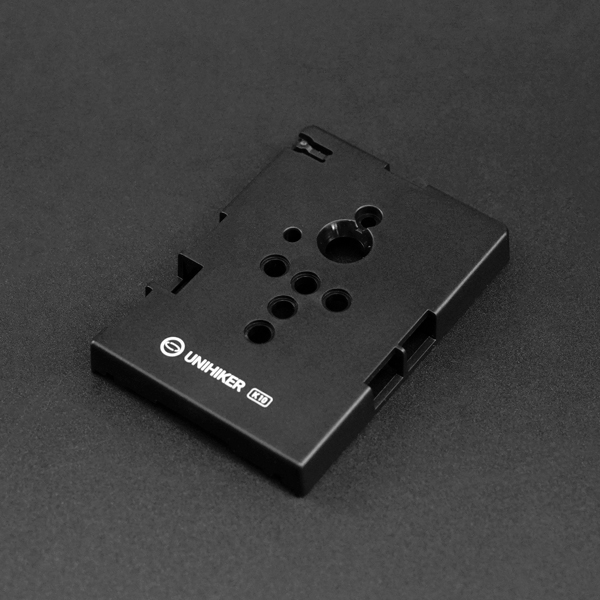
1.UNIHIKER K10 Protective Case
Short-circuit prevention, easy installation—just one screw to complete installation. Scratch-resistant, wear-resistant, fully compatible—making classroom teaching and project development more secure and reliable.
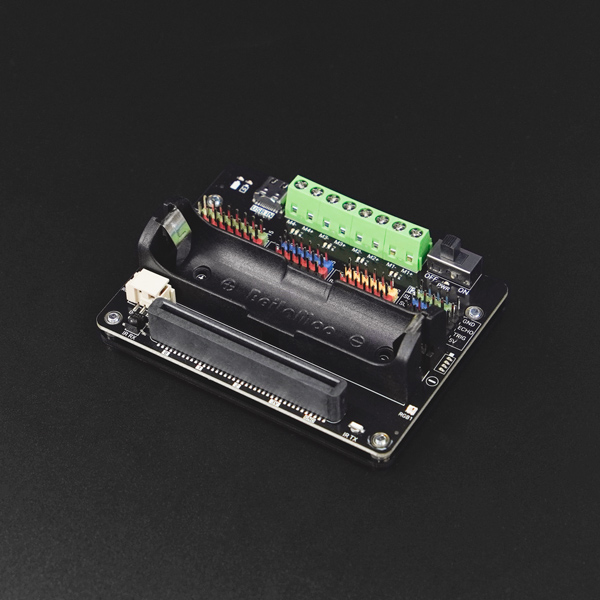
2.UNIHIKER Multifunctional Expansion Board – K10 Dedicated
The UNIHIKER Multifunctional Expansion Board is a one-stop expansion solution designed specifically for UNIHIKER K10, deeply adapted to and compatible with mainstream mainboards such as micro:bit and HandyBoard.
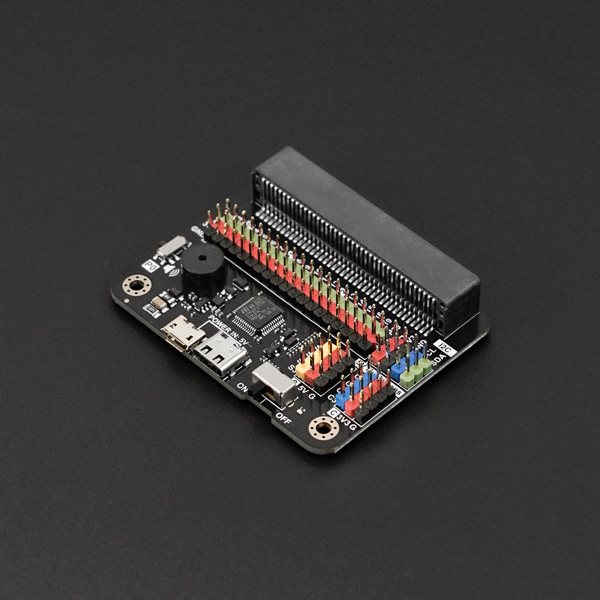
3.UNIHIKER K10 IO Expansion Board
An IO expansion board designed specifically for UNIHIKER K10, fully unlocking the mainboard’s interface potential. It integrates 19 IO ports, 4 multifunctional sensor interfaces, 4 servo drives, and a dedicated port for AI cameras. It supports Type-C and MicroUSB dual power supply with anti-misinsertion design, seamlessly compatible with the micro:bit ecosystem, providing a highly stable expansion solution for STEAM education.
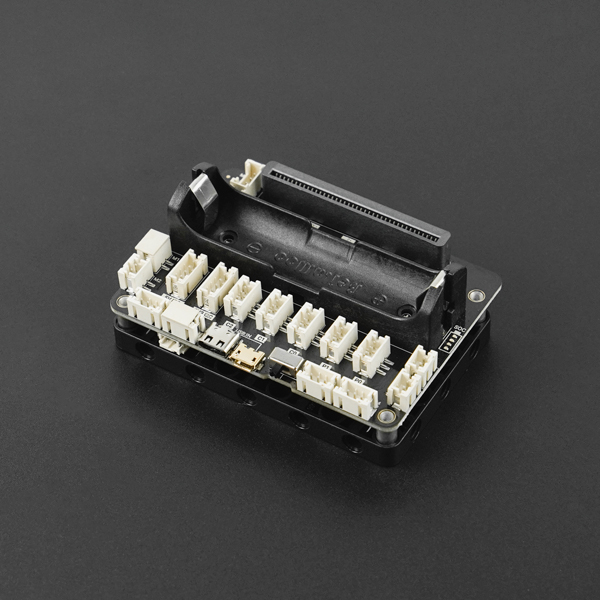
4.Building Block Expansion Board – Compatible with UNIHIKER K10 and micro:bit
Built-in battery, free from cable constraints; LEGO-compatible holes for easily building sturdy mechanical structures and rapidly implementing teaching projects such as robots and AI vision, lowering the teaching threshold.
Application Scenarios
- Classroom robot teaching: used in programming introductory courses to build teaching models such as obstacle-avoidance cars and robotic arms.
- Science and innovation competition projects: providing a stable and reliable hardware platform for various robot competitions and innovation contests.
- Campus IoT practice: building IoT application prototypes such as temperature and humidity monitoring and smart flower watering.
- Interactive art installations: creating light and sound art installations that can interact with audiences.
II. HUSKYLENS 2 Main Unit and Accessories
Gravity: HUSKYLENS 2 AI Vision Sensor (TF Version) – 6TOPS computing power, 20+ preset AI models, integrated MCP empowering large models. Compatible with Arduino, Raspberry Pi, micro:bit, ESP32, and other mainstream development platforms.
Gravity: HUSKYLENS 2 is an easy-to-use, versatile AI vision sensor featuring a dedicated AI chip with 6TOPS computing power and 20+ AI models ready to use out of the box. Fully compatible with mainstream controllers such as Arduino, micro:bit, and Raspberry Pi.
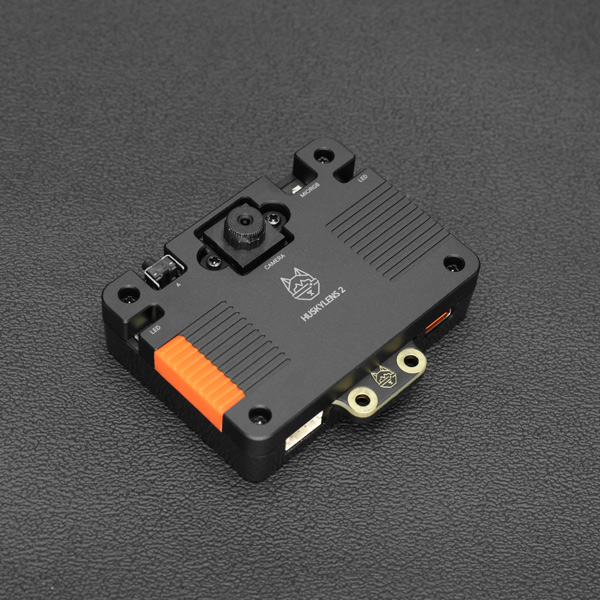
1.HUSKYLENS 2 WiFi Module
A WiFi 6 wireless module designed specifically for HUSKYLENS 2, supporting MCP and wireless image transmission, unlocking more advanced AI and IoT features for HUSKYLENS 2.
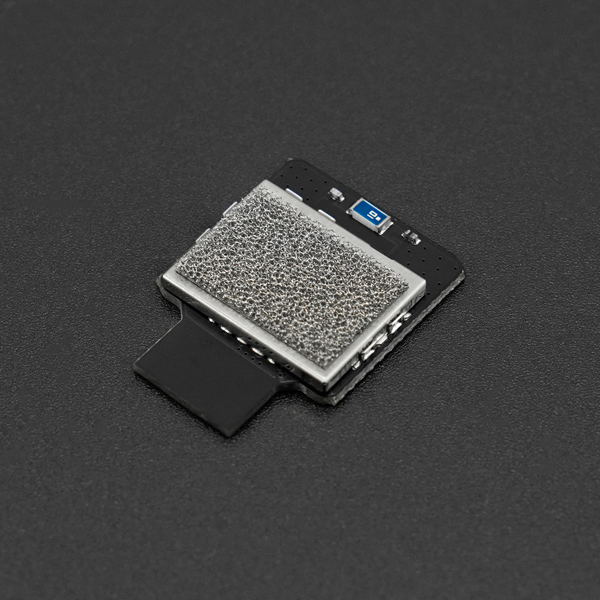
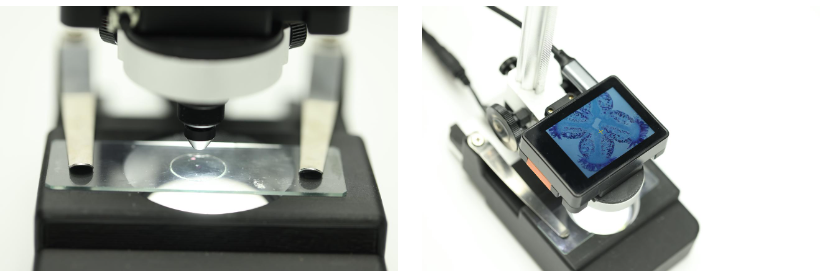
2.HUSKYLENS 2 Microscope Camera Module
30x optical magnification, minimum resolution of 3μm line width, suitable for AI vision projects such as microscopic biology detection and precision component identification.
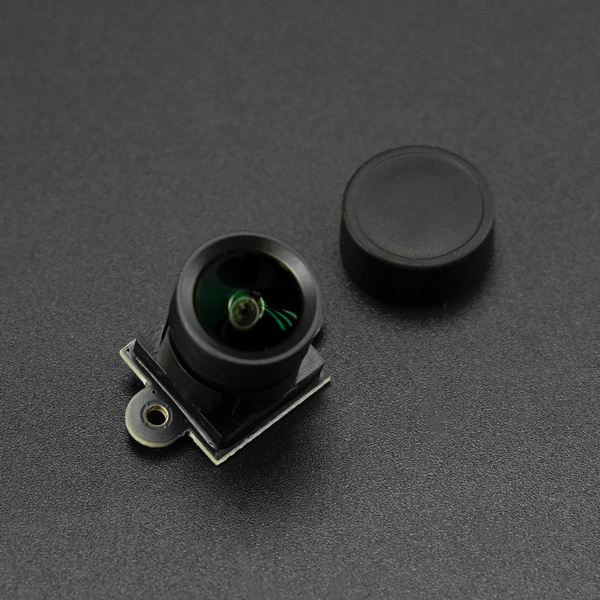
3.HUSKYLENS 2 Adjustable-Focus Camera Module
The HUSKYLENS 2 Adjustable-Focus Camera Module is a highly flexible optical accessory designed specifically for the HUSKYLENS 2 AI vision sensor. 1–150cm flexible focus, manual focus adjustment, solving the physical limitations of standard fixed-focus lenses in close-range or slightly distant recognition.
Application Scenarios
- Barcode scanners
- Vision navigation for smart car competitions
- Smart shelf product identification
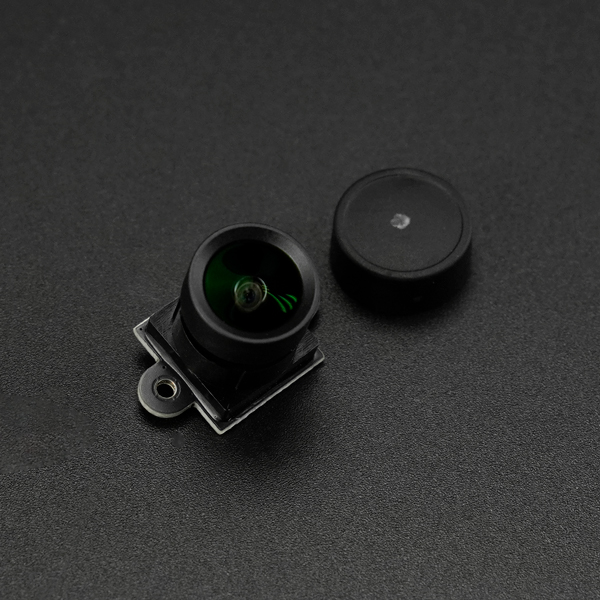
4.HUSKYLENS 2 Infrared Night Vision Camera Module (IR 850nm)
The HUSKYLENS 2 Infrared Camera Module is a night-vision enhancement accessory designed specifically for the HUSKYLENS 2 AI vision sensor. Paired with an infrared fill light, it can output clear black-and-white images in complete darkness, enabling 24-hour uninterrupted AI vision recognition.
Application Scenarios
- Pet nighttime behavior recording
- 24-hour security monitoring
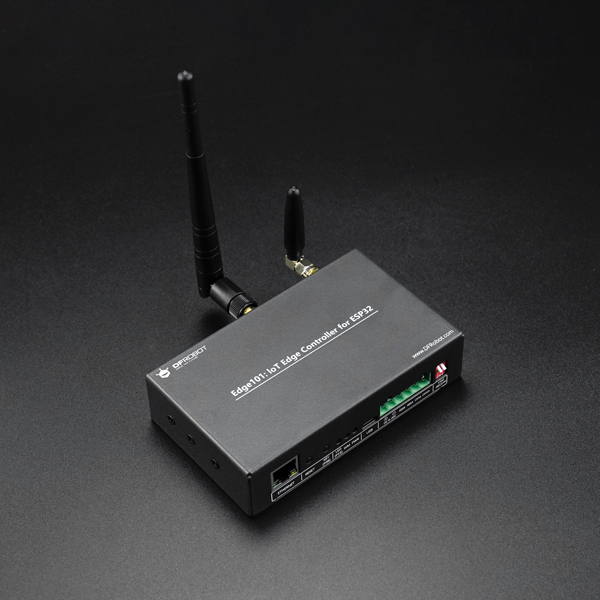
III. EDGE101 Industrial-Grade ESP32 IoT Programmable Controller (with 4G CAT1, RS485/CAN/Ethernet)
Equipped with a dual-core high-performance processor, rich communication interfaces, and OTA remote updates, helping developers rapidly build IoT projects.
- Complete hardware communication interfaces, addressing the shortcomings of standard ESP32
- Full industrial-grade protection, adapting to harsh on-site environments
- Based on the ESP32 open source ecosystem, low development threshold
- Strong expansion capability, rich functionality
Application Scenarios
- Outdoor environmental data collection
- Greenhouse data collection and automated control
- Water immersion monitoring in warehouses, base stations, foundation pits, and other scenarios
- Small automated equipment control, robot controllers
- PLC data collection
- MQTT gateway
- Modbus RTU gateway
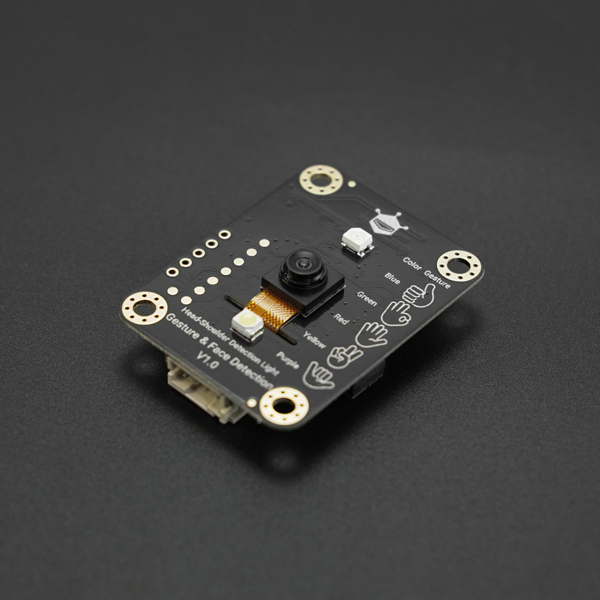
1.AI Vision Gesture/Face Tracking Sensor
The AI Vision Gesture/Face Tracking Sensor is an offline non-contact interaction module designed specifically for IoT makers. It can achieve millisecond-level precise recognition of 5 gestures within a 3-meter range and track 10 faces or head-shoulder coordinates in real time. It supports Mind+ and MakeCode graphical programming, suitable for scenarios such as smart homes, human presence detection, and contactless interaction.
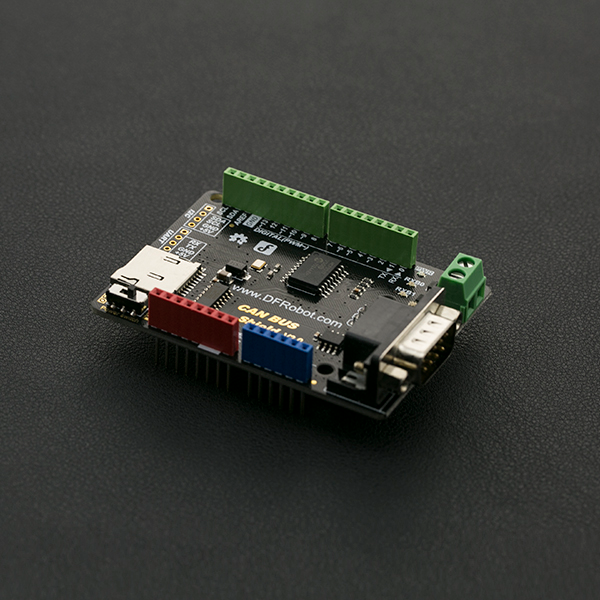
2.CAN-BUS Shield V2.0
CAN-BUS Shield V2.0 is an expansion board designed specifically for Arduino controllers.
Features:
- Supports standard frame and extended frame transmission and reception, with polling and interrupt reception modes
- Provides multiple interfaces including UART, I2C, DB9, and terminal blocks
- Supports SD card data storage
- Supports power supply from Arduino mainboard and DB9 interface
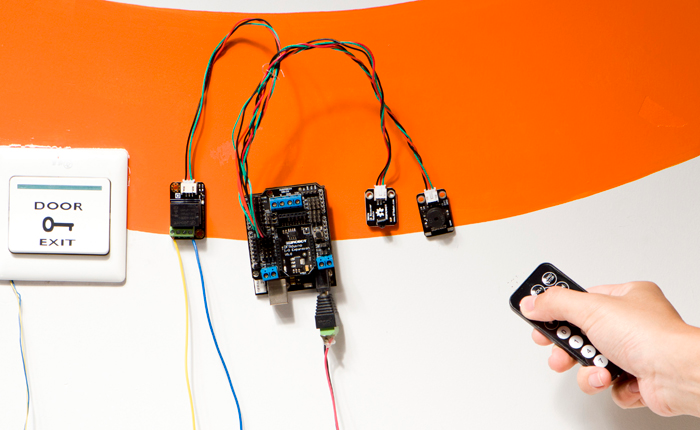
3.Gravity: Digital Relay Module – 10A High Current (Arduino-Compatible)
The Arduino-compatible 5V relay module from DFRobot is designed specifically for high-power device control, featuring gold immersion process and high-durability interfaces, suitable for scenarios such as smart homes and industrial control.
WeChat Official Account: Mushroom Cloud Makerspace
(ID: mushroomcloush)

Individuals, companies, and traders are all welcome to inquire about cooperation!
Contact Information
- Tel: 18049831191
- Email: marketing@dfrobot.com
- Address: 1F, Building 4, No. 498 Guoshoujing Road, Pudong New Area, Shanghai — Mushroom Cloud Makerspace
For the 2026 Greater Bay Area International Maker Summit, we have specially created a brand-new program segment—Alpha Camp. It is not a conventional exhibition, nor a workshop where you sit in the audience taking notes—it is an unscripted “making experiment ground”: there are no spectators here—either take the stage or get your hands on the tools.
Over the two days, around 40 hardcore skill workshops and sharing sessions will run back-to-back—laser cutting, advanced soldering, hands-on 3D printing, AI hardware deployment… 70%–80% of them are hands-on. Attendees are not judged by degrees or titles; the person sitting at the next table might be a veteran welder from the workshop floor whose skills run deep—or your future partner for all-night project builds.
What Is Included?
Priority workshop reservations and access to the ticket-holder community. Book your preferred sessions early, get program updates, and connect with other participants before the event.
Two days of ALPHA Camp access. Explore around 40 workshops and skill-sharing sessions across both days.
Your own NFC maker badge. Activate it at check-in, tap it for access, and use it to complete challenges and level up your virtual pet.
Practical workshops led by experienced makers. Work with people who have used these skills on real projects.
Lunch on both days. Your pass includes an on-site lunch each day.
A certificate of completion and a maker passport. Complete the workshop and challenge requirements to receive your certificate at the event. Use your passport to collect stamps at participating exhibitor booths.
Maker merchandise. Take home a sticker pack, a custom woven tote bag, and other event merchandise.

Over the past 13 years, the development trajectory of Maker Faire Shenzhen can be seen as a microcosm of the development of maker culture in China.
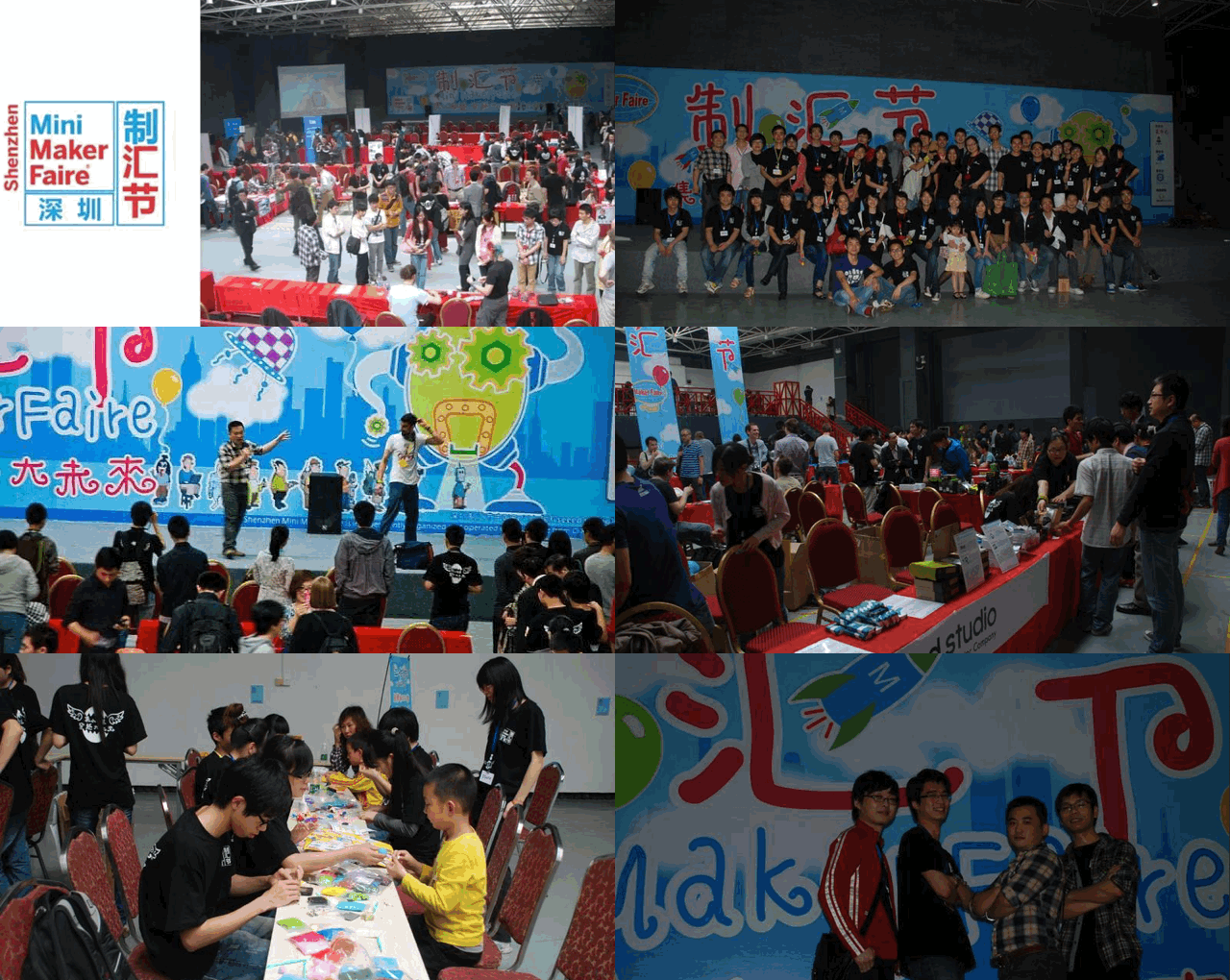
- 2012: “Gathering Small Wisdom, Journeying through the Great Future” – This was the first Mini Maker Faire in China, with less than 1000 attendees, and was more like a gathering within a small circle. But we saw the infinite possibilities emerging from the maker community.
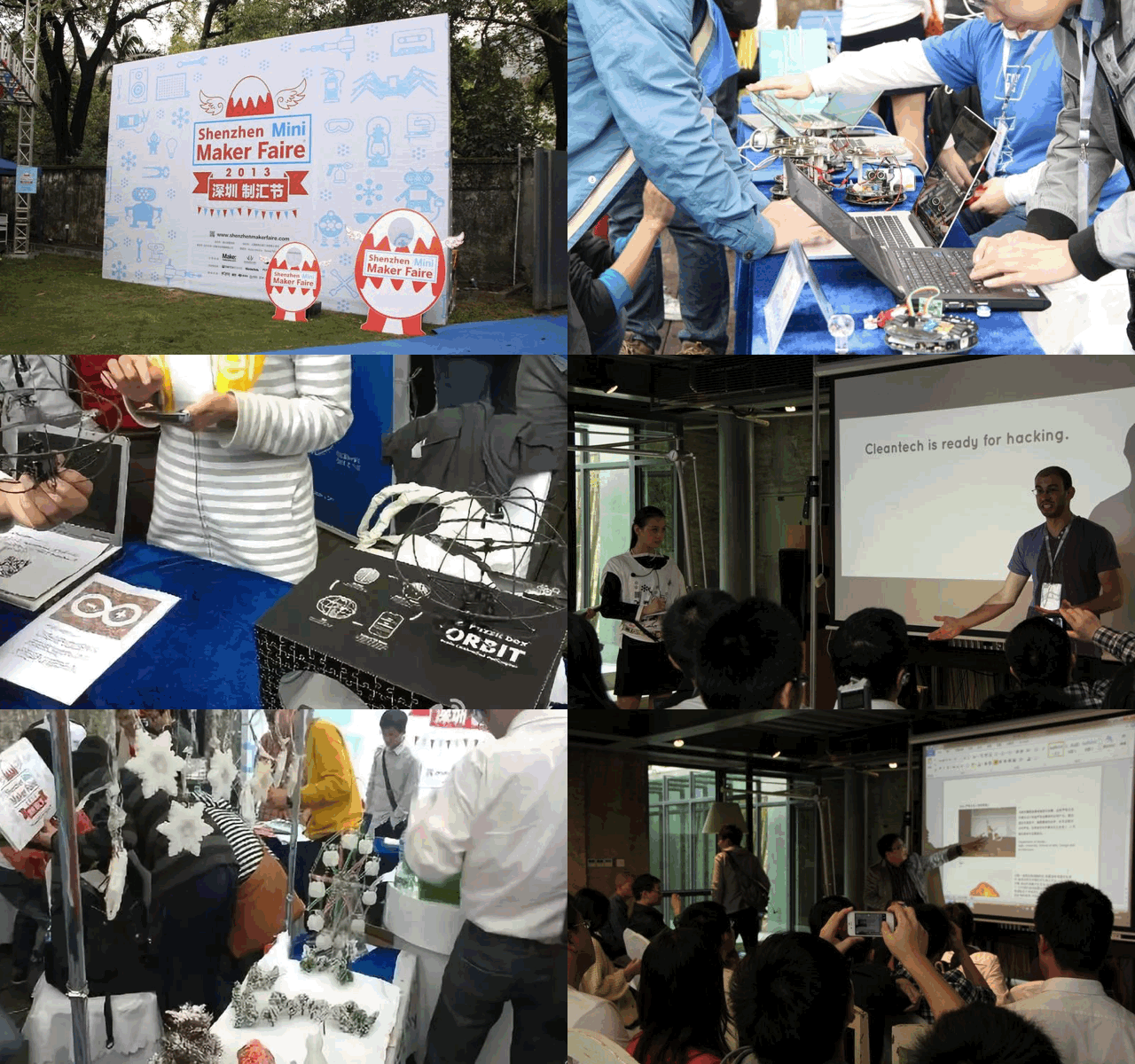
- 2013: The slogan was absent, and the maker community was still small. – In the OCT Creative Park, there were cross-disciplinary exchanges among different creative communities, silently laying the foundation for cultural output.
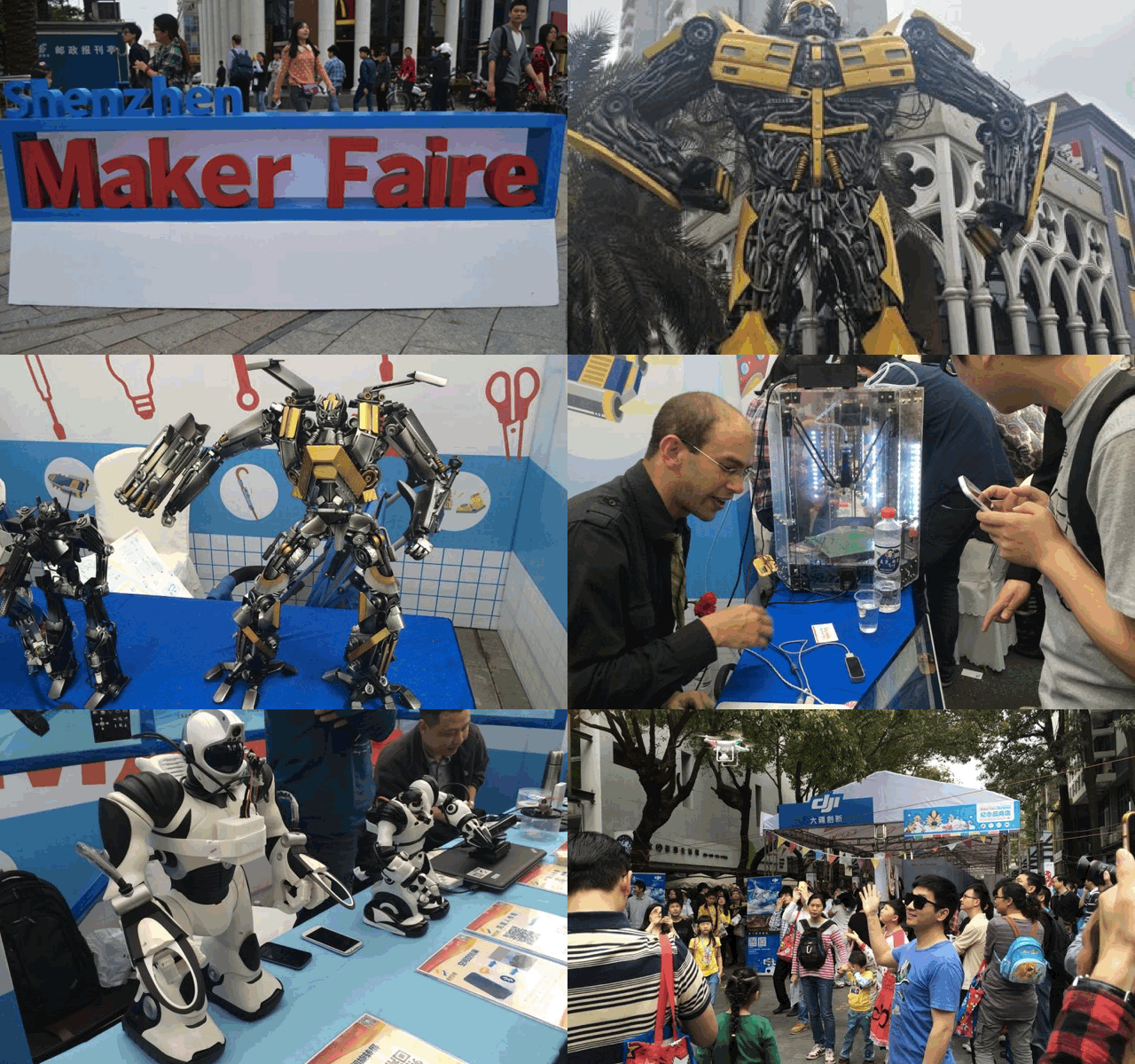
- 2014: “Innovate with China” – the event was upgraded to the Featured level for the first time, with a significant increase in scale compared to previous years, and the beginning of professional independent forums. This year, makers began to enter the public’s view.
- 2015: “Everyone is a Maker, what are you waiting for?” – This year’s Shenzhen International Maker Week became one of the largest Maker Faires in the world. This year, the concept of “maker” was elevated to a national level, and the trend of “mass innovation, mass entrepreneurship” swept across the country.
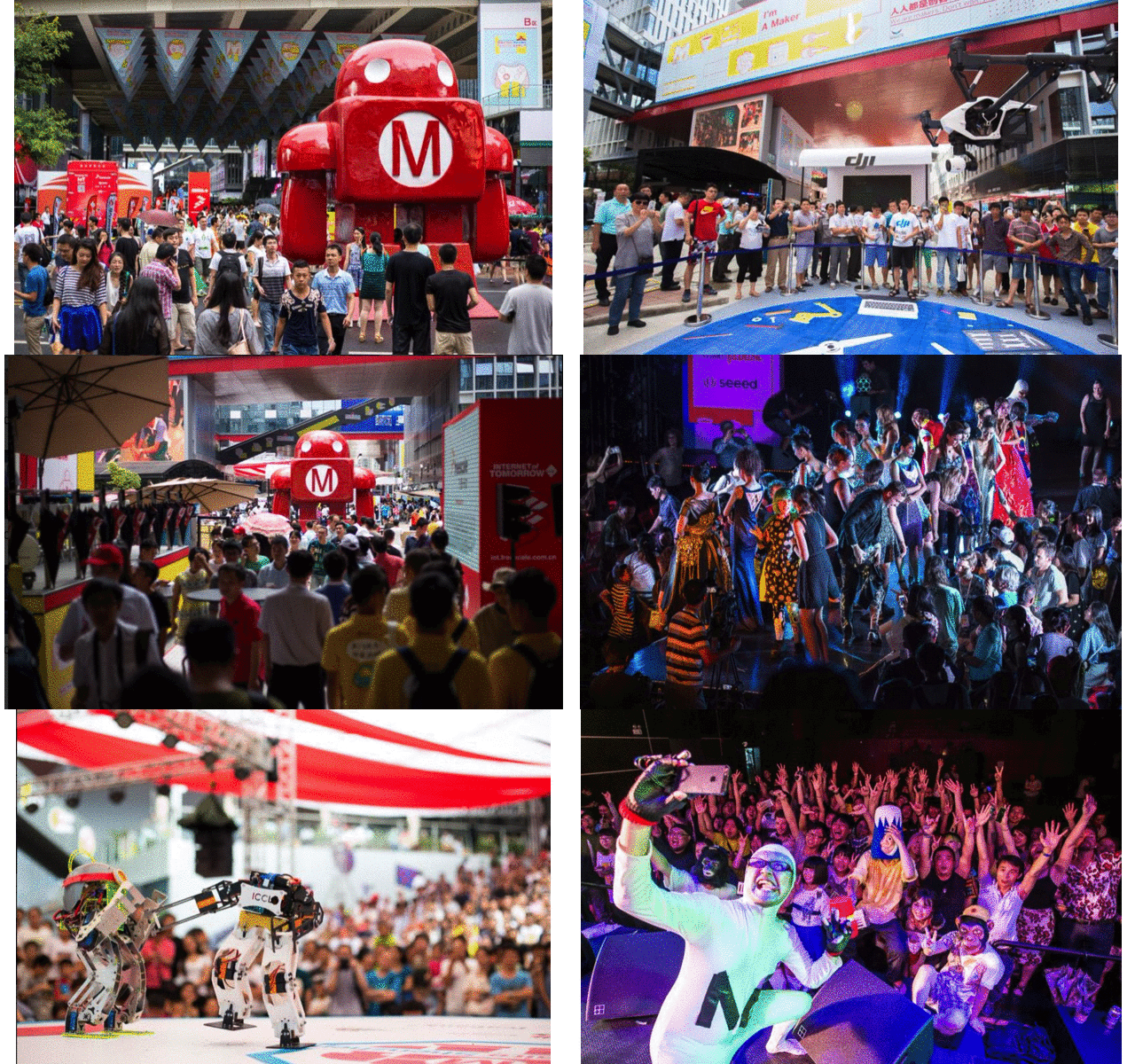
- 2016: “My World, My Creation” – As the sub-venue of the National Innovation and Entrepreneurship Week, the event was held for the first time in the commercial center area, experiencing unpredictable weather from typhoons to scorching heat. Many makers succeeded in your entrepreneurial endeavors this year, but it seemed like there were even more failures. The hype around entrepreneurship shifted towards rationality.
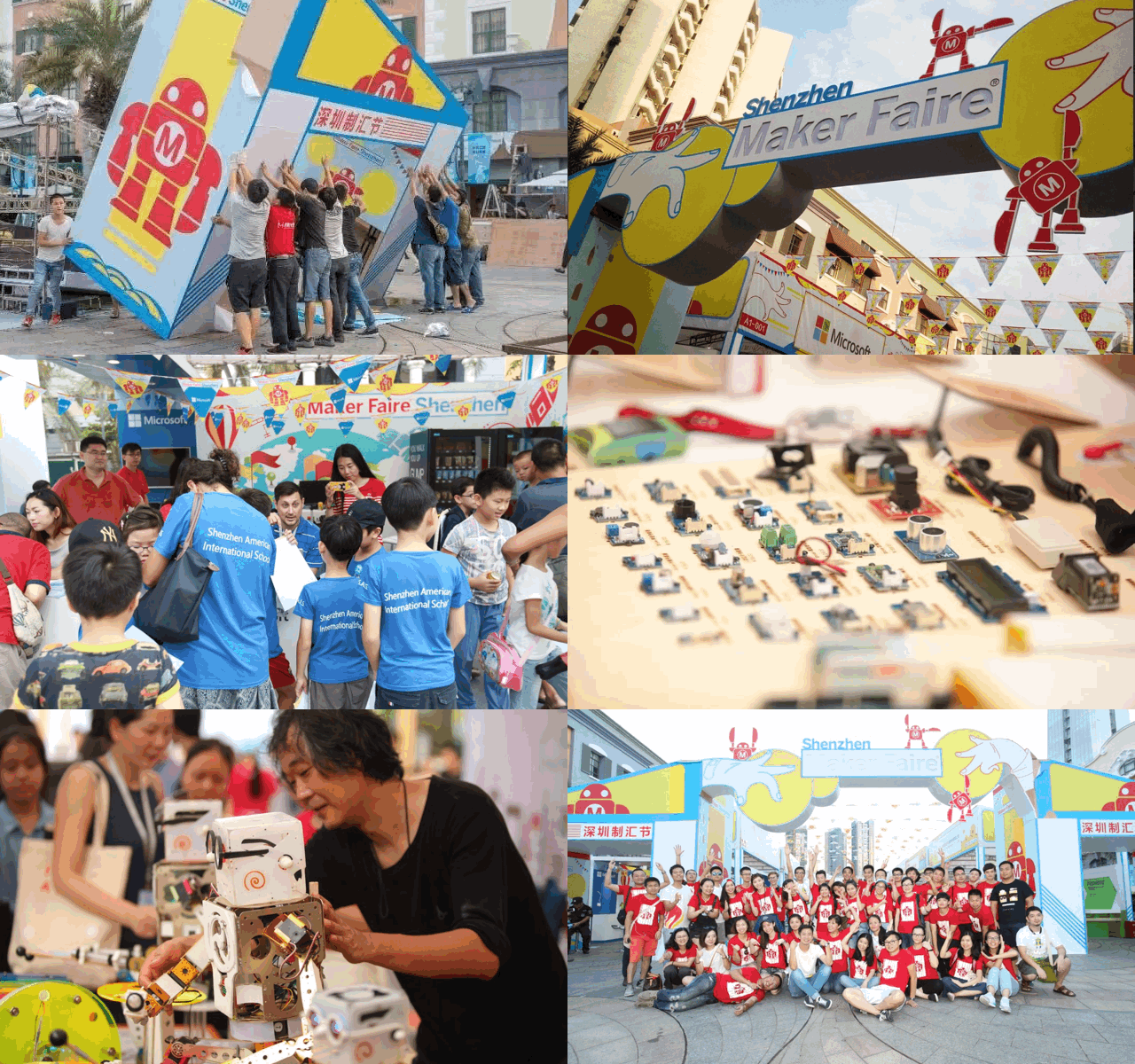
- 2017: “Makers, Go Pro” – The event took place at the university campus for the first time, focusing on Maker Pros and providing a platform for diverse innovators and makers to showcase themselves, presenting more possibilities for the growth path of makers to the entire community.
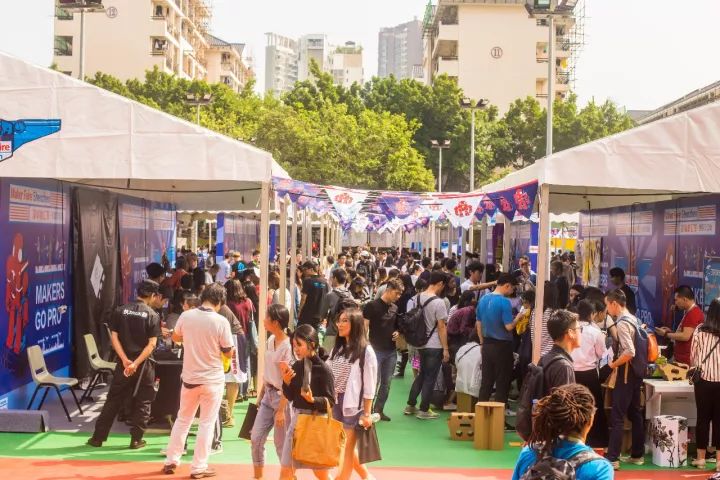
- 2018: “Co-making in the City” – The main venue of Shenzhen International Maker Week, where individuals and groups with shared visions and values gathered to showcase stories, projects, and explorations of collaboration among different communities and people.
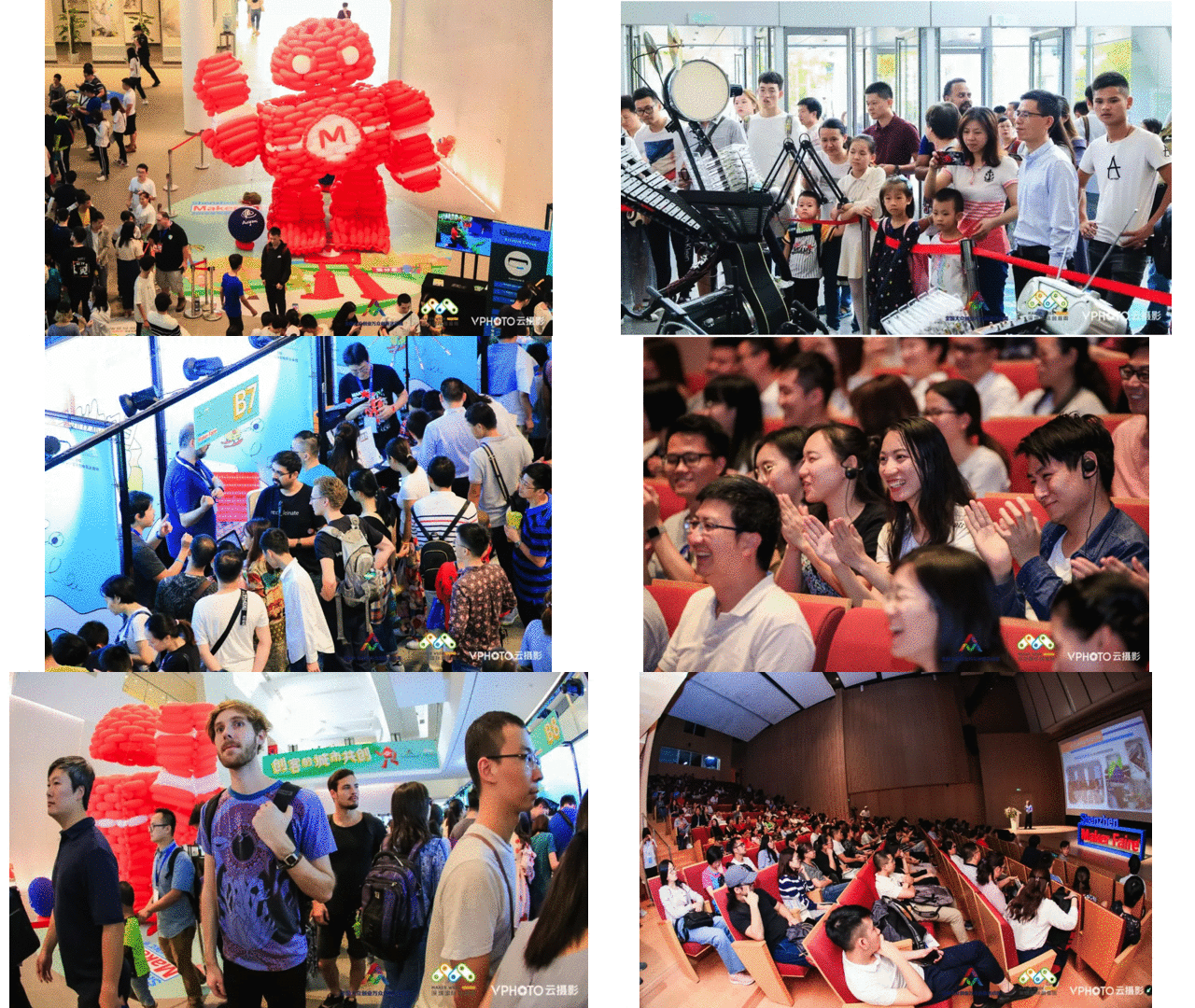
- 2019: ” To the Heart of Community, To the Cluster of Industry” – The event was upgraded to the Maker Faire Shenzhen, attempting to attract professional audiences and focusing on pragmatic aspects such as solving the needs of industrial upgrading and co-developin. It aims to build a platform for innovation and industry dialogue and collaboration.

- 2023: “Where Are The Makers?”– Starting from our own mission and values, we aim to explore the future direction of makers and theapossibilities for commercialization. Though this question does not have a definitive answer, we do hope that through this event, we can communicate and share with every one of you, finding more ideas and directions together.

- 2024: “Everything is AI” – This year, we brought together over 120 exhibitors from around the world, attracting nearly 1,500 professional attendees from nearly 20 countries and over 20 provinces across China. The exhibition showcased a wide range of AI application projects and hosted 10 AI hardware-themed satellite events, alongside various workshops.
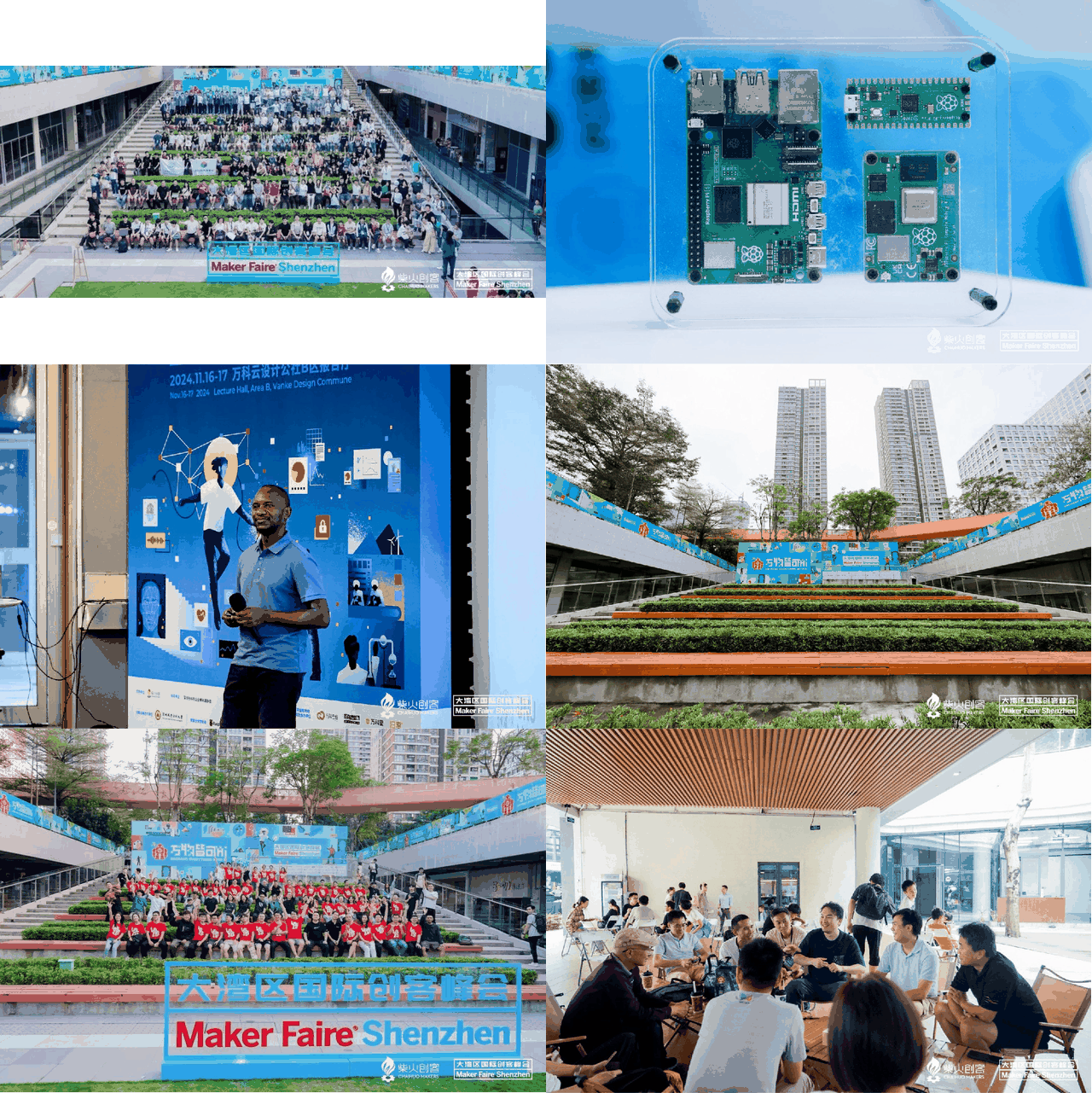
- 2025: “AI Without Boundaries, Everything Reimagined”The summit brought together nearly 100 international innovation ambassadors and showcased almost 1,000 AI hardware projects.Technology leaders, pioneering makers, industry experts, and university teams from more than 30 countries gathered to create an international innovation event combining frontier thinking, technical exchange, and cross-disciplinary collaboration.