As artificial intelligence begins to have a body, as robots step out of the lab, and as digital fabrication equipment enters personal workbenches, technological innovation is entering real life in ever more concrete ways.
At the upcoming 2026 Greater Bay Area International Maker Summit & Maker Faire Shenzhen (December 12–13), companies, maker teams, universities, and independent developers from different fields will present their own innovations.
From robots that can perceive their environment and execute actions, to desktop devices capable of natural language interaction; from open source hardware development platforms to digital fabrication tools for individual creators—these works show the different paths technology takes from concept to real-world application.
This article is a themed exhibitor feature. Due to space constraints, we have selected only some exhibitors as examples; it is not a complete list of all exhibiting organizations at this year’s event.
To learn more about outstanding exhibitors and exciting projects, click → It’s Finally Here! MFSZ2026 Final Exhibitor List Confirmed!
And we welcome you to come explore in person!
Theme Directory Preview
- Embodied Intelligence and Robotics
- AI Interaction Terminals and Desktop Companionship
- Open Source Hardware and AI Development Platforms
- Digital Fabrication and Desktop Smart Manufacturing
- Intelligent Perception and Scenario Applications

PART 01
Embodied Intelligence and Robotics
Embodied intelligence is becoming a key direction for bringing artificial intelligence into the real world. Unlike traditional software interaction, embodied intelligence requires AI to perceive its environment, understand tasks, and complete physical actions through motion control via physical carriers such as robots.
At this year’s Maker Faire Shenzhen, there are both open source robotics platforms for developers and projects exploring bionic structures, robot learning, and real-world applications.
A07 Hugging Face
Exhibitor Introduction
Hugging Face is a globally renowned open source AI community and platform that connects model developers, researchers, and application developers, and promotes the open sharing of machine learning models, datasets, and tools.
In robotics, Hugging Face helps developers explore robot learning and embodied intelligence applications through open source models, development frameworks, and hardware projects.
Representative Works
01 Reachy Mini
Reachy Mini is an open source desktop robot for developers and makers. It combines robot hardware with AI interaction, providing developers with a platform for experimentation, programming, and secondary development.
Unlike AI that runs solely on a screen, a desktop robot has a real physical form and can express states through motion and interaction—offering an entry point for exploring the connection between AI and the real world.
02 SO-ARM101
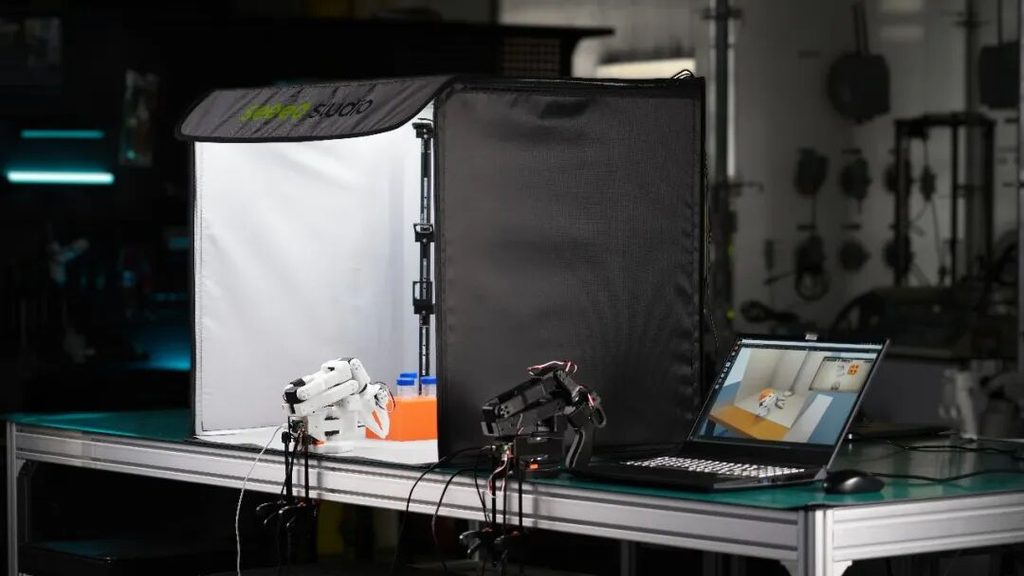
SO-ARM101 is an open source robotic arm project for robot learning and development practice. It provides developers with a robotic arm hardware foundation for experiments in teleoperation, data collection, robot training, and more.
03 LeKiwi
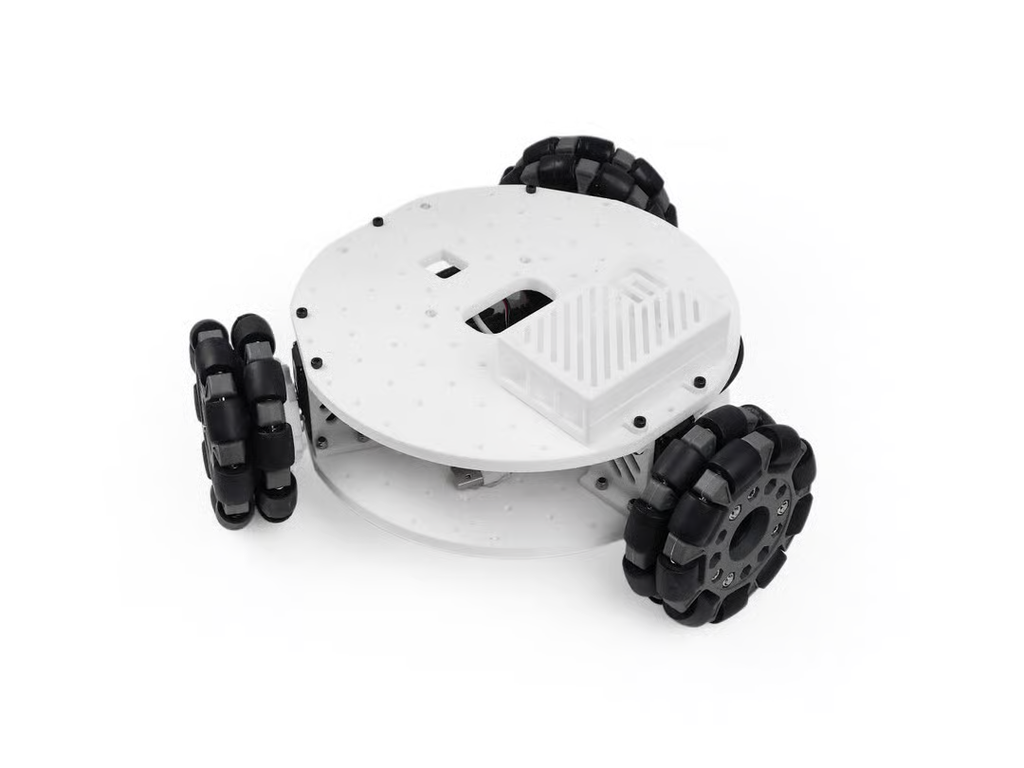
LeKiwi is a mobile robot project within the Hugging Face robotics ecosystem, offering developers a practical platform for exploring mobile robots and robot learning.
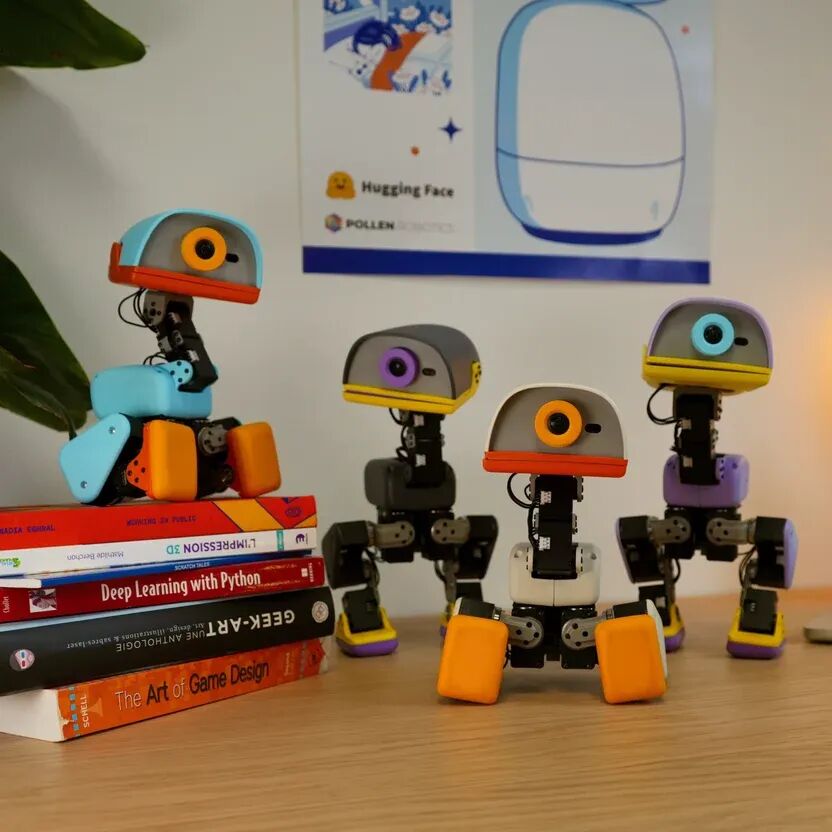
04 Microduck
Microduck is another robot-related work on display this time, further enriching the open source robotics projects that developers can learn about and experience on site.
A06 Seeed Studio
Exhibitor Introduction
Founded in 2009, Seeed Studio is a global company dedicated to advancing open source hardware innovation. Through modular open source hardware design and community co-creation, Seeed Studio helps developers, scientists, and innovation teams quickly turn ideas into products.
Building on the open source hardware ecosystem, Seeed Studio offers complete reference designs across four major areas—sensing, communication, computing, and interaction—from modules and devices to systems, along with services from prototyping to mass production.
Representative Works
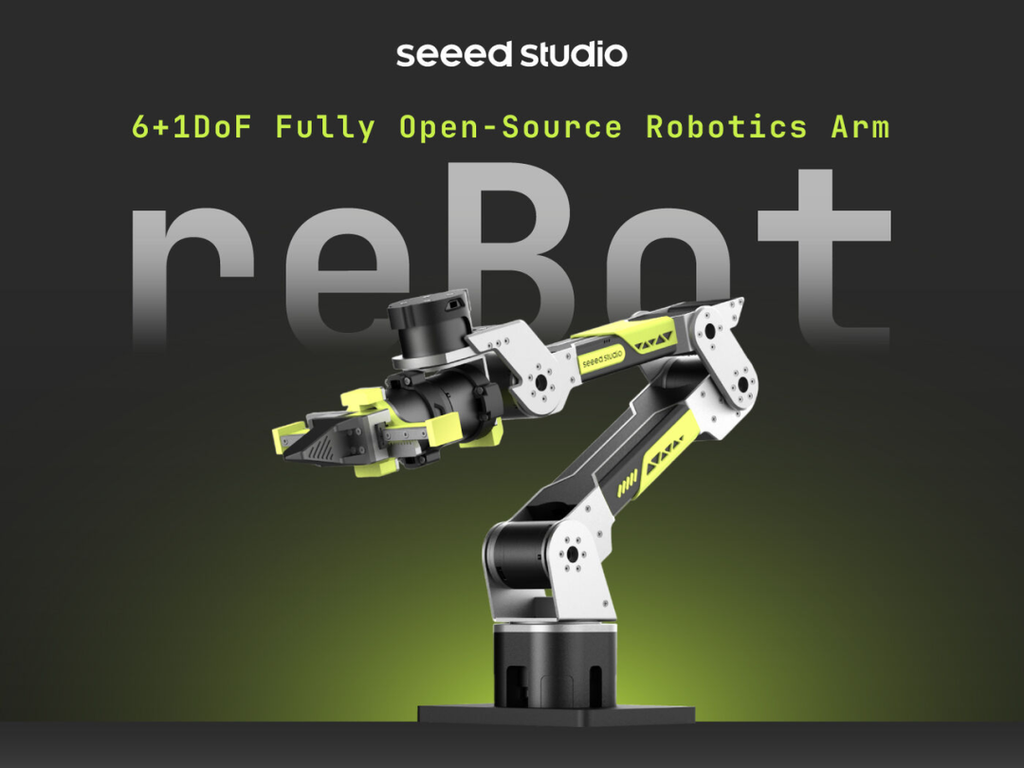
01 reBot Arm B601 Open Source Robotic Arm
reBot Arm B601 is an open source robotic arm with a 6+1 degrees of freedom design, providing developers with a hardware foundation for robot motion control and application development. Through the arm’s structure and open source development resources, developers can experiment with arm control, motion execution, and application expansion.
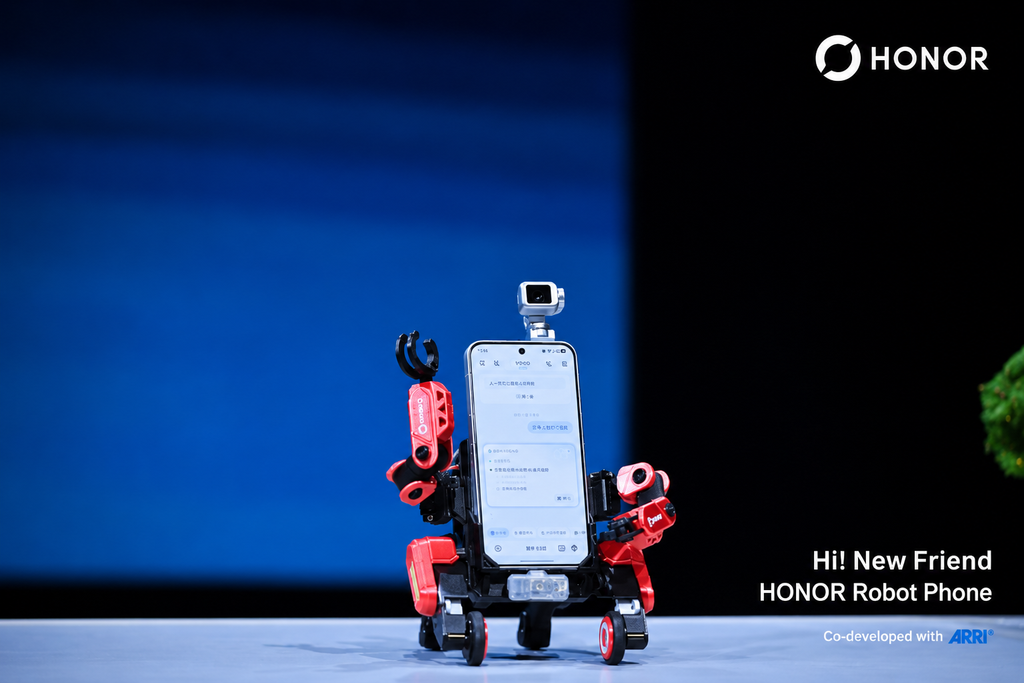
02 Honor Mecha Car
This robot car showcases exploration in the direction of mobile robots. It combines a mobile platform with smart hardware development, providing a carrier for robot motion control and feature expansion.
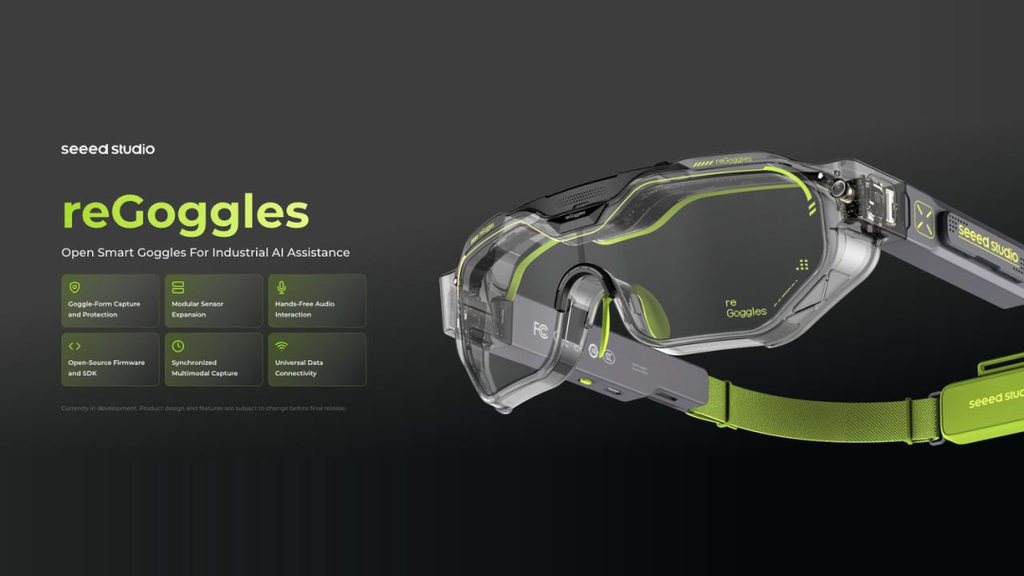
03 reGoggles Industrial AI Glasses
reGoggles targets industrial scenarios, exploring the combination of AI capabilities and wearable devices so that intelligent technology can be integrated into on-site operations and real workflows.
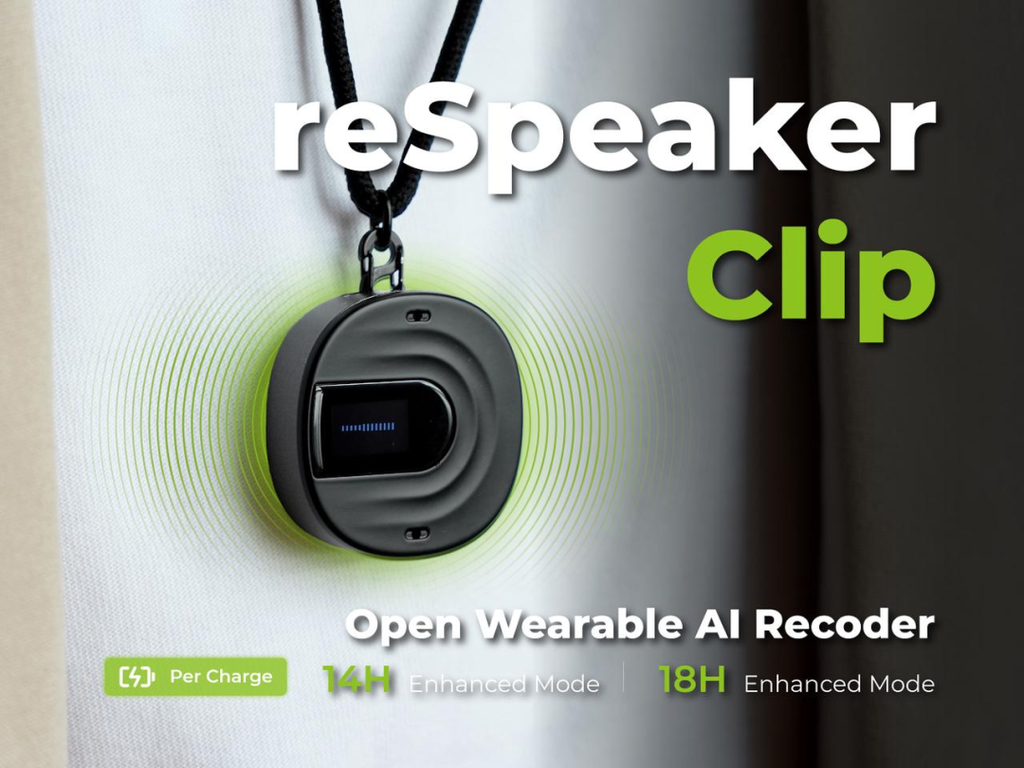
04 reSpeaker Clip
reSpeaker Clip is one of Seeed Studio’s products in the voice interaction direction, reflecting its technical layout in audio interaction hardware.
From robotic arms and mobile robots to industrial wearables, Seeed Studio’s exhibits cover different links such as robot execution, mobile platforms, and human-machine interaction.
B17 Petoi
Exhibitor Introduction
Petoi (Shenzhen) Technology Co., Ltd. was founded in the United States by Dr. Li Rongzhong in 2017 and established a company in Shenzhen in 2019.
Petoi upholds the philosophy of “Robots for Everyone,” committed to lowering the technical threshold for quadruped robots and promoting the application of small bionic robots in STEM education, research, entertainment, and companionship.
The company has validated small quadruped robots with mammalian gaits using consumer-grade servos and established the OpenCat open source developer community. According to the show guide, its products have sold over 30,000 units worldwide and have been cited in more than 20 academic papers.
Representative Works
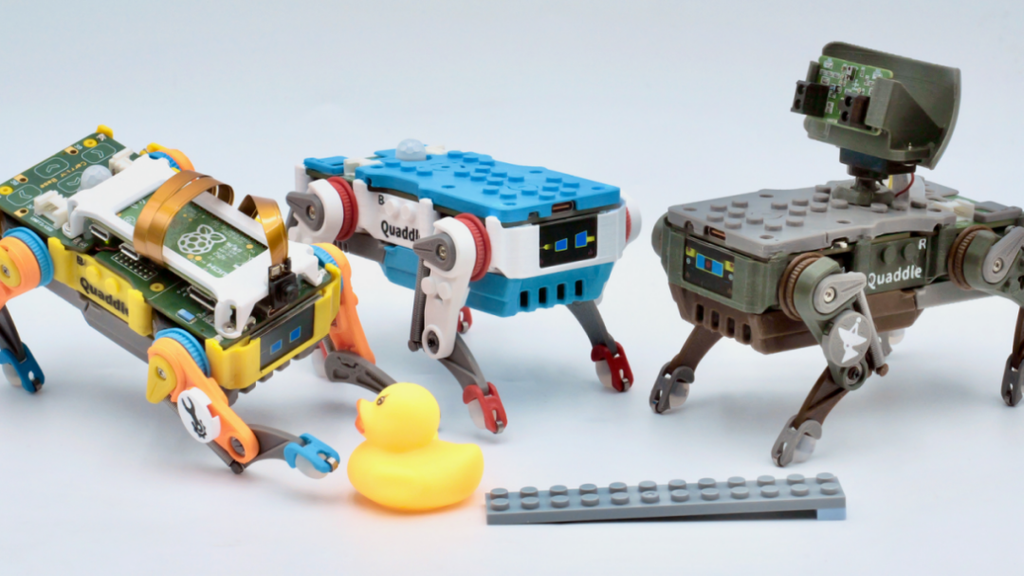
01 Quaddle Desktop Quadruped Robot
Quaddle is a brand-new desktop quadruped robot from Petoi. It uses a bionic linkage mechanism and, through a MinDoF leg structure, can achieve fast walking, turning, and somersaults with only 4 servos.
In terms of movement, Quaddle’s toes incorporate micro rollers to support high-speed gliding. At the same time, the product integrates AI voice and multiple sensors, supporting physical interaction such as tapping, touch, and dragging.
It is not only a desktop robot that can move, but also provides developers with a relatively accessible hardware entry point for exploring desktop-level embodied intelligence.
02 OpenCat Open Source Quadruped Robot Series
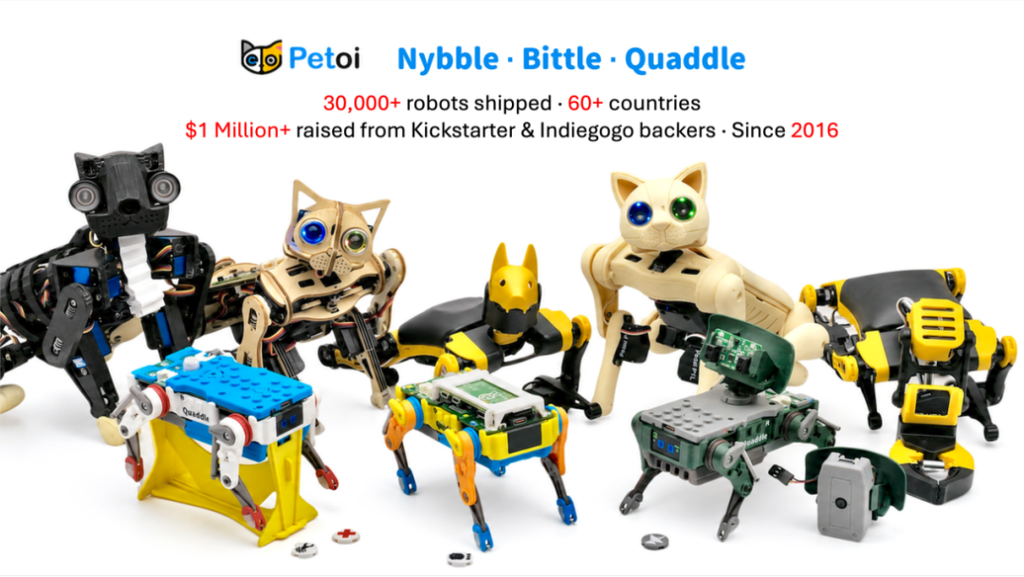
Around the OpenCat open source architecture, Petoi has launched multiple small bionic robots, including the open source robot cat Nybble, Nybble Q, and the open source robot dog Bittle, Bittle X, and Bittle X+Arm.
These products are characterized by miniaturization and open source development, allowing users to engage with the structure, control, and movement of quadruped robots and to carry out programming and feature expansion on the existing hardware.
C13 Ecovacs Bajie Open Source Innovation Space
Exhibitor Introduction
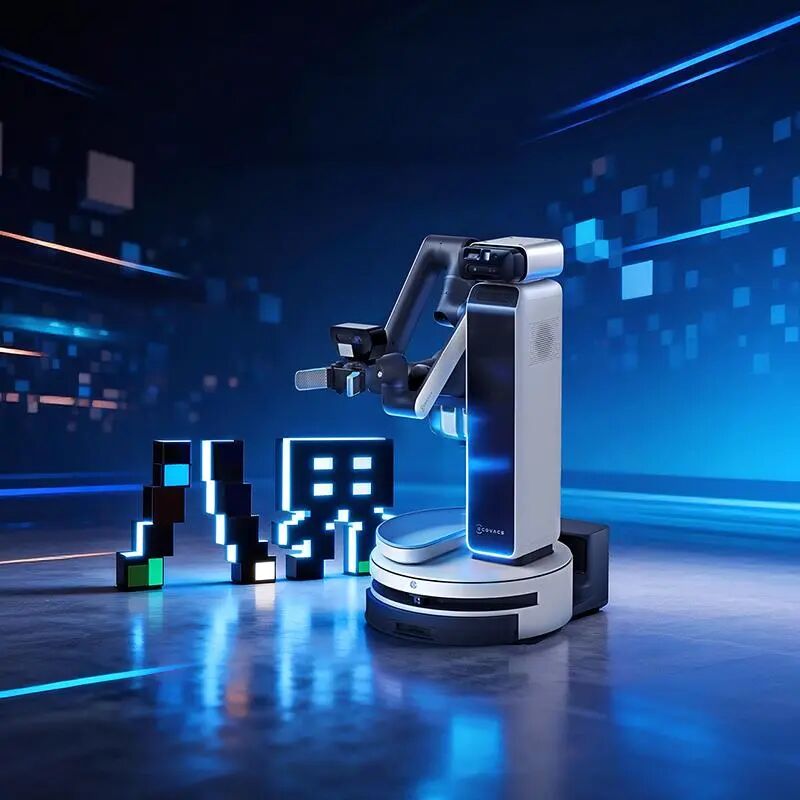
Ecovacs has mature product lines in the home service robot field, including DEEBOT, WINBOT, and robotic mowers. Bajie is Ecovacs’ first embodied intelligence robot development platform built around home scenarios.
Bajie targets university research, programming education, and developer communities, providing an open foundation from hardware and systems to the ecosystem, and supporting local operation of 7B large models through PCIe expansion.
Representative Works
Bajie Open Source Embodied Intelligence Robot Platform
Bajie’s core value lies in providing developers with an open platform for embodied intelligence development.
A robot is not just a mechanical device that executes preset actions; it also needs to combine perception, computing, and control capabilities to complete the process from acquiring environmental information to executing tasks.
Through open hardware and system capabilities, Bajie provides an experimental foundation for universities, researchers, and developers. Its PCIe expansion capability also allows developers to further explore local large model operation, offering more possibilities for combining robots with AI models.
D11 Chaisen · Yisen Makers
Exhibitor Introduction
Chaisen is the founder of Yisen Makers, with eight years of deep experience in sci-tech innovation education, focusing on robotics and AI sci-tech innovation teaching. The team independently develops a series of sci-tech innovation projects, guiding young people to transform theoretical knowledge into real works through prototype demonstrations, hardware teardowns, and hands-on assembly.
Representative Works
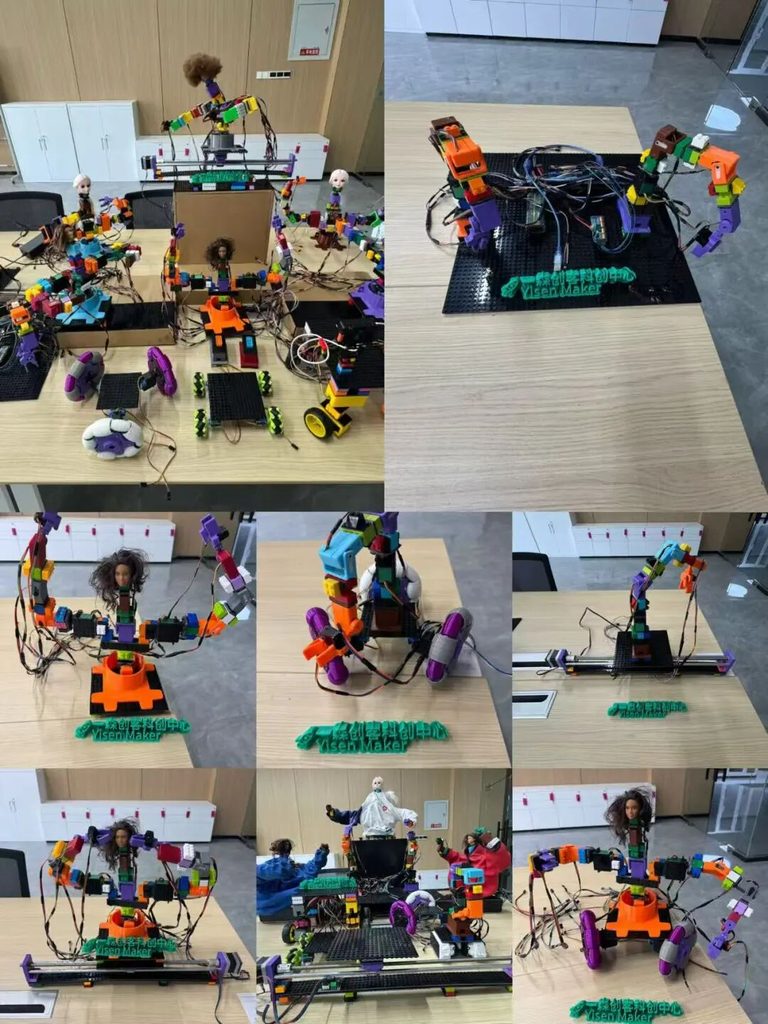
Yisen · MorphBot Modular Reconfigurable Force-Controlled Robot Platform
MorphBot is a self-developed open source building-block robot development system. Its name comes from Morph (form transformation) and Bot (robot), emphasizing the free reconfiguration of robot form and function.
The platform uses standardized connectable servo units. Its basic configuration is a four-degree-of-freedom robotic arm with a gripper, and it can be expanded into higher-degree-of-freedom arms such as seven degrees of freedom through module stacking.
Its characteristics go far beyond the assembly of mechanical structures. Modules can be freely separated and reassembled: after separating the dual arms, a master-slave teaching robotic arm can be built to enable drag-and-drop teaching and embodied autonomous learning; after reassembly, an upper-body humanoid robot can be formed for musical instrument performance, dance, and multi-robot synchronized group dance.
In addition, independent force-control modules can be combined with linear slides, lift modules, Mecanum wheel chassis, and all-terrain mobile chassis to quickly build different robot forms, and support external perception modules such as vision and LiDAR.
From robotic arms to humanoid robots and mobile robots, MorphBot aims to use modularity and an open source architecture to let one hardware set cover multiple robot R&D and sci-tech innovation teaching scenarios.
G19 Py4OH Team
Exhibitor Introduction
The Py4OH team has full-stack R&D capabilities from the chip layer, OS layer, SDK layer, and solution layer to the product layer, and has created products such as the Py4OH development toolchain, AI education robots, and smart experiment boxes.
Through a stepped curriculum system from L1 beginner to L3 advanced, the team enables learners of different ages to engage with, learn, and master AI and robotics technology.
Representative Works
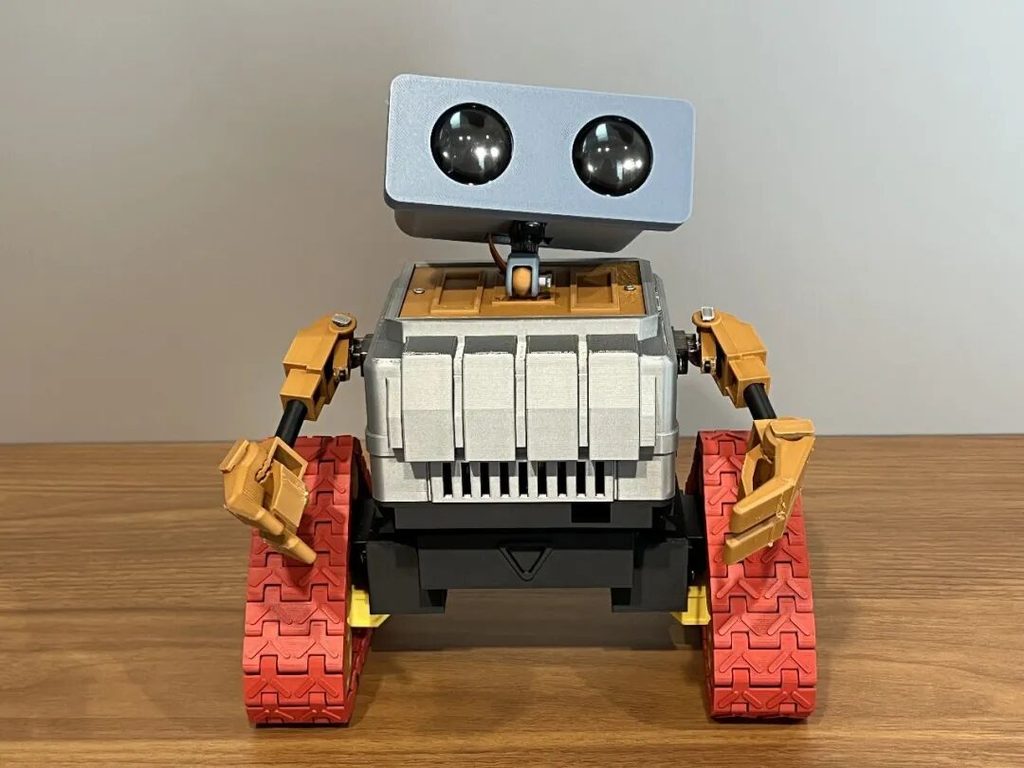
AI Companion Robot
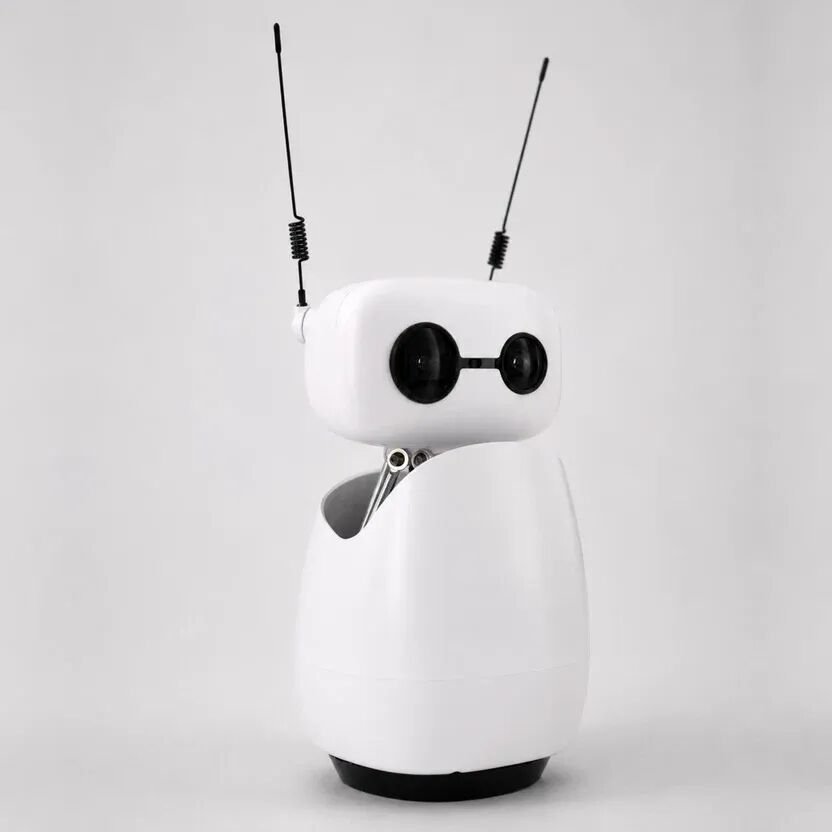
This is a lightweight, DIY-friendly desktop interactive smart robot.
In terms of structural design, the robot uses a tracked movement structure and a binocular visual display design; it is compact overall and intuitive to interact with. At the underlying level, it has motion scheduling and peripheral control capabilities.
In terms of AI interaction, the platform adopts a dual-main-controller collaborative architecture. The AI interaction main controller is developed based on the ESP32 chip and connects to the Xiaozhi AI large model, enabling intelligent voice dialogue, voice command recognition, and voice-controlled robot movement.
This work combines desktop robots, voice interaction, and DIY development. It can serve as an interactive device and also provides a practical platform for learning robot control and AI hardware development.
C17 LinDong Team
Exhibitor Introduction
Founded in March 2024, the LinDong team is a youth sci-tech innovation team focused on bionic mechanical structure design, underwater bionic robot R&D, and scenario applications.
With “bionics × artificial intelligence” as its core R&D direction, the team explores underwater robot solutions for smart fisheries, water environment monitoring, and other scenarios, while also independently developing educational robots for primary and secondary school students.
The team has developed a series of underwater robots, including bionic sea turtles, squid, lobsters, frogs, and seahorses.
Representative Works
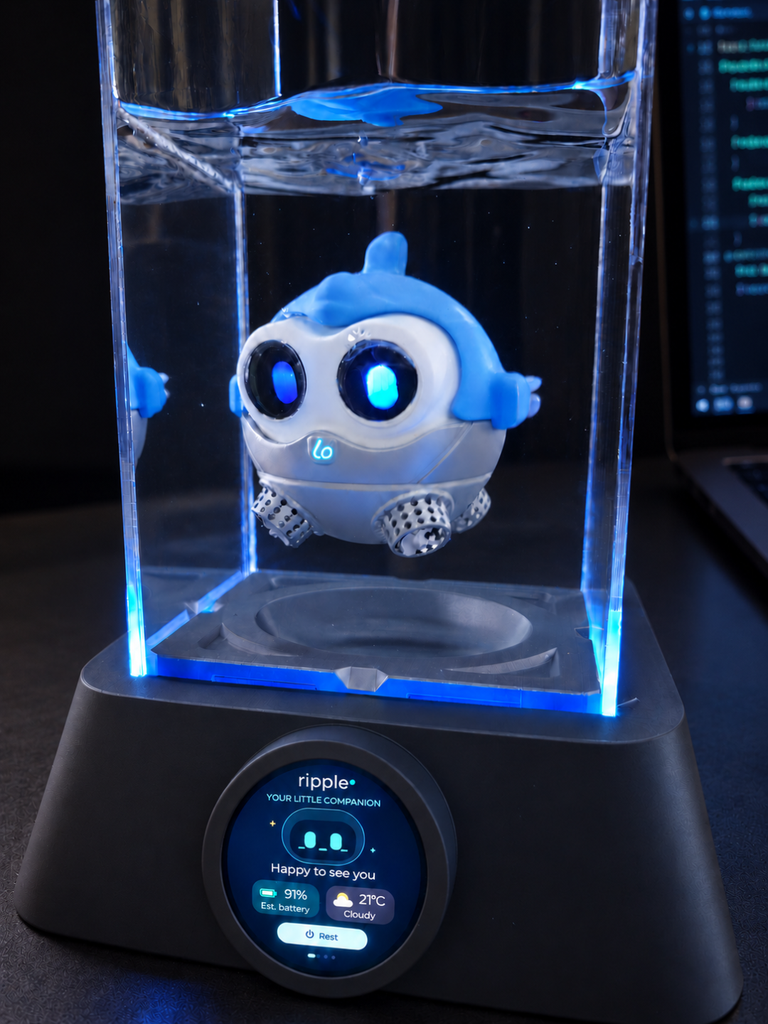
Ripple Desktop Robot Pet
Ripple is a desktop robot pet being developed by the LinDong team. It lives in a transparent sealed liquid tank and, through real swimming, brings a companionship experience different from traditional screen interaction to the desktop.
Unlike display devices that rely on external supports to move, Ripple moves in the tank under its own power. The team integrates micro underwater propulsion, attitude adjustment, and motion planning into the small robot body, enabling it to float up, turn, cruise, and stay.
In terms of interaction, Ripple’s main forms of expression are its gaze and swimming posture. When the user greets it, it can turn toward and approach the user; when the user interacts with it, it becomes more active; when the user focuses on work, it maintains a gentler rhythm of activity.
The team also hopes to let Ripple accumulate user preferences over time—such as names, interaction styles, and companionship times—so the robot can continue a familiar rhythm of interaction.
This work combines underwater bionic motion technology with desktop companionship, exploring how robots can enter daily life in a more natural way.
PART 02
AI Interaction Terminals and Desktop Companionship
When AI no longer exists only on phone and computer screens, desktop robots, smart terminals, and spatial interaction devices are becoming new entry points for people to connect with AI.
Works in this direction focus not only on model capabilities, but also on interaction methods, appearance, and how AI fits into specific life scenarios.
B05-B06 M5Stack
Exhibitor Introduction
M5Stack is a provider of modular open source IoT development solutions, combining easy-to-use hardware, development software, and customization services to help developers and enterprises quickly validate ideas and develop applications in IoT, AI applications, STEM education, and other fields.
Its product matrix covers embedded controllers, communication modules, sensors, and functional expansion units for audio, vision, and more.
Representative Works
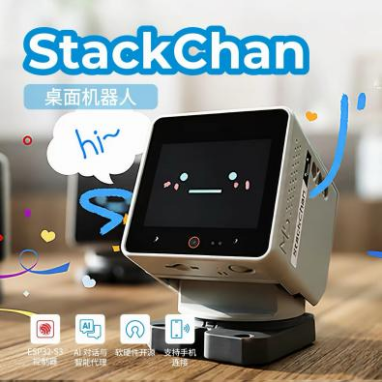
01 StackChan AI Desktop Robot
StackChan is an AI desktop robot co-created by the community. It combines the desktop robot form with AI interaction, allowing developers to explore robot motion, interaction, and intelligent applications.
Compared with traditional screen-based AI assistants, desktop robots have a more intuitive physical form and offer developers a new direction for exploring the physical expression of AI.
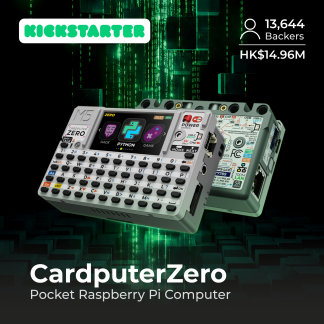
02 CardputerZero Portable Linux Terminal
CardputerZero continues the classic card-style handheld form of the Cardputer family, with the Raspberry Pi Compute Module Zero (CM0) as its core, combining a portable device with a Linux development environment for development, experimentation, and creative exploration.
This device condenses a computing platform into a portable form, providing developers with a portable Linux experiment terminal.
C14 Air Cat
Exhibitor Introduction
Air Cat is an interdisciplinary team composed of designers, embedded engineers, Agent development engineers, and electromechanical engineers.
The team focuses on the combination of AI, smart hardware, interaction design, and spatial experience, hoping to create intelligent experience products with both fun and commercial value through AI, edge computing, sensors, and robot interaction.
Representative Works
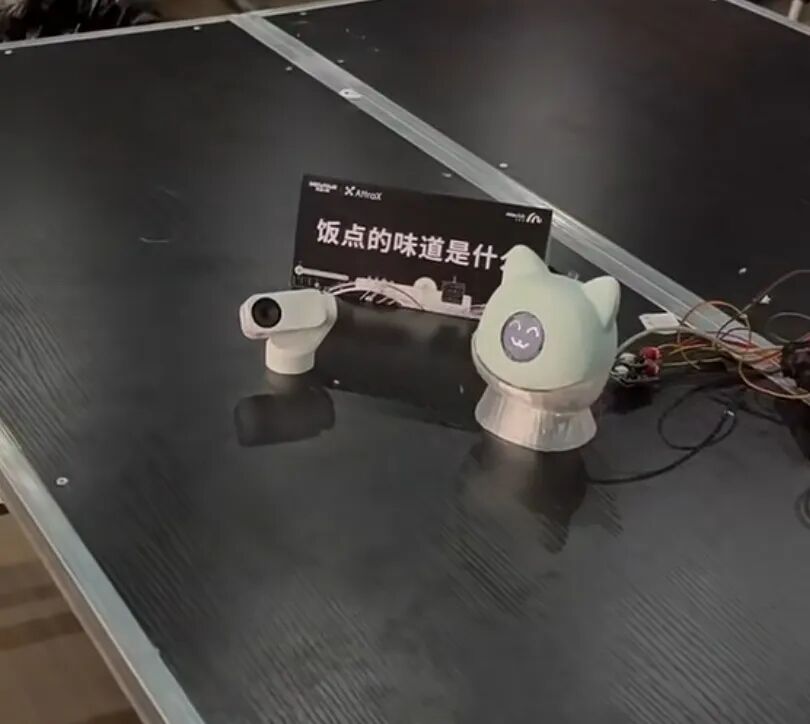
01 Air Cat—Spatial Fun Aroma Reception Terminal
Air Cat targets restaurants, cafes, and commercial spaces, attempting to combine menu interaction with scent experience.
Users can browse the menu through gestures. After AI recognizes the interaction behavior, it controls the scent module to release the aroma corresponding to the dish; at the same time, the device also drives the screen, servos, and cat paws to complete a welcoming interaction.
Traditional ordering usually relies on images, text, and staff introductions, whereas Air Cat hopes to let customers perceive dishes through scent before ordering, adding a new experience to offline consumption spaces.
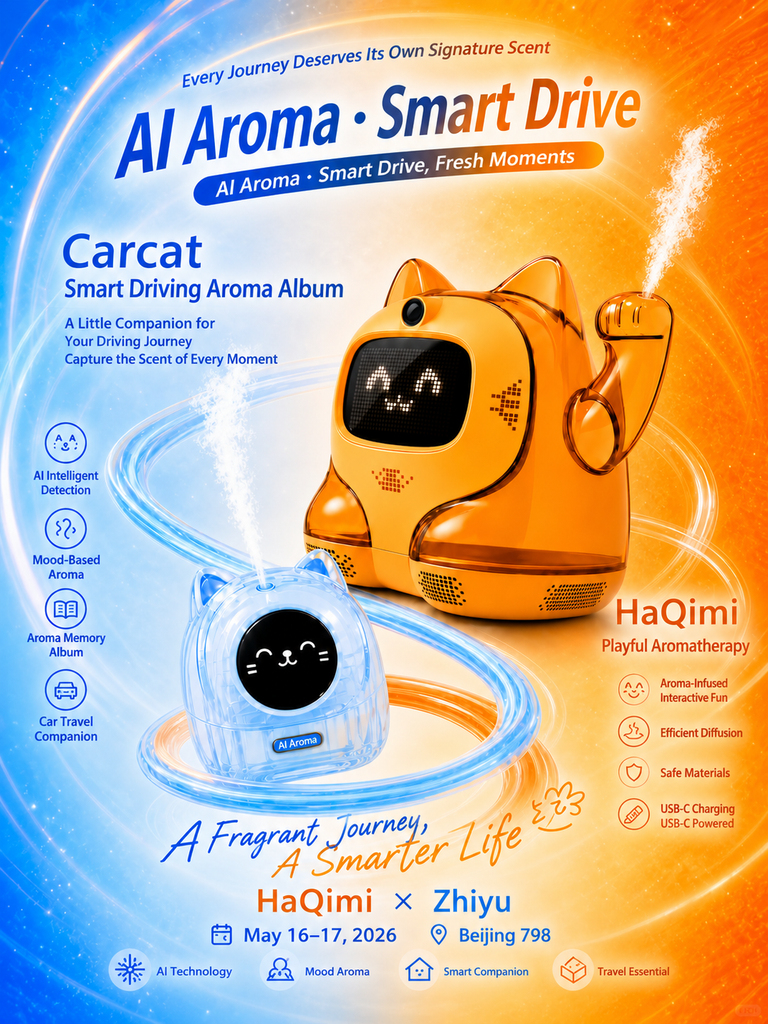
02 AI Self-Driving Scent Album
This is another work the team is exploring for smart car scenarios, combining scent with the photo album experience and attempting to connect digital content with real sensory experience.
C15 RoboMon
Exhibitor Introduction
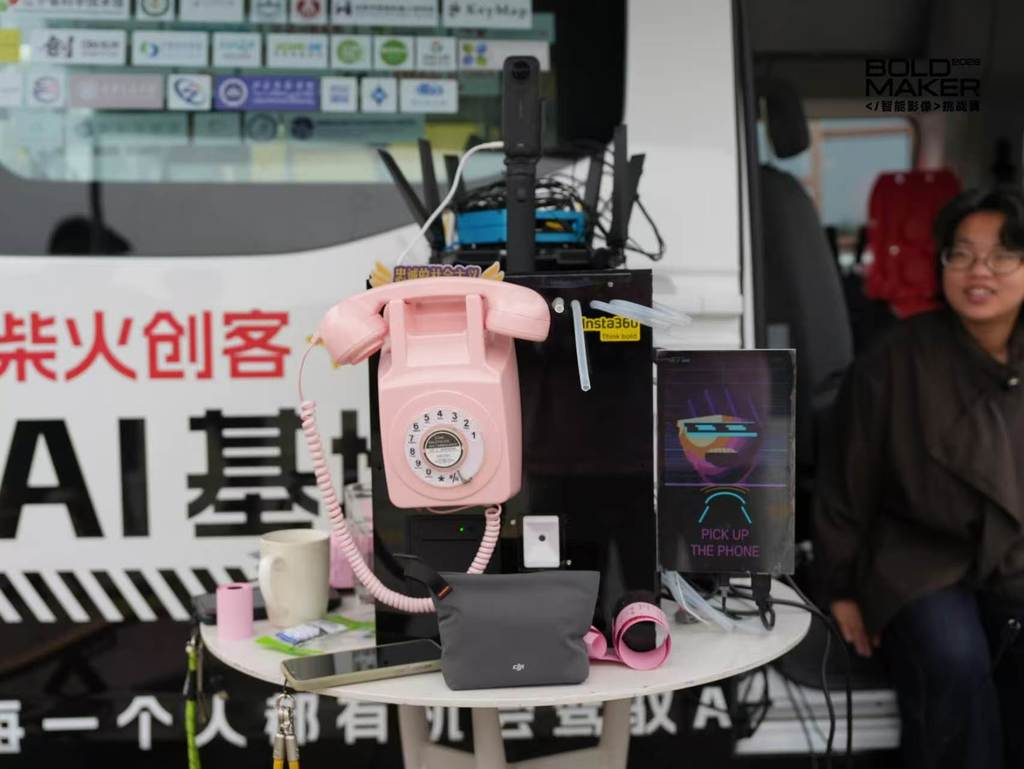
RoboMon explores products around robots and AI interaction, with exhibits covering dialogue interaction, desktop companionship, interactive entertainment, and posture training.
Representative Works
01 PAN AI Dialogue Cocktail Machine
PAN is an AI dialogue cocktail machine that combines AI conversation with drink-making scenarios. It explores how AI can transform from a digital assistant that answers questions into an interactive device that can participate in real service processes.
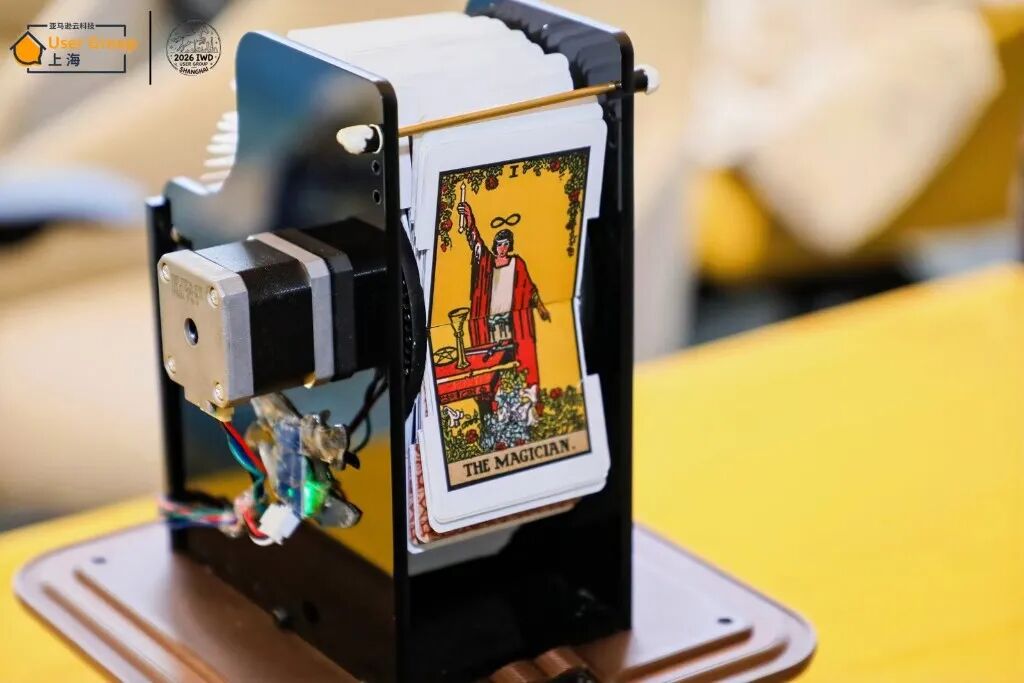
02 FlipFate AI Mechanical Card Flipper
FlipFate is an AI mechanical card-flipping device that combines mechanical motion with AI interaction, presenting digital decisions in the form of physical actions.
C19 SparkMinds
Exhibitor Introduction
SparkMinds focuses on hardcore sci-tech literacy education for young people aged 6–18, guiding students through a curriculum system from 3D modeling, electronic circuits, programming, and IoT to AI research and innovation practice.
As of June 2026, according to the show guide, it has guided students in developing 29 innovative products, covering cities such as Guangzhou, Shenzhen, Shanghai, Chongqing, and Xi’an.
Representative Works
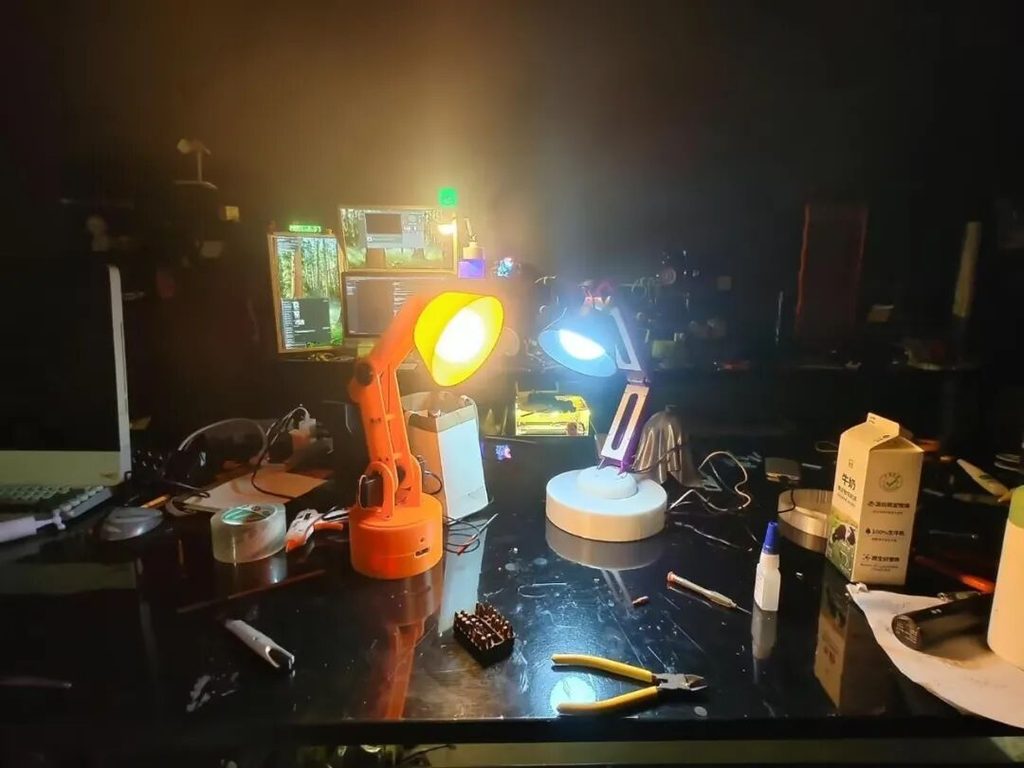
01 SparkLamp—AI-Based Multimodal Reading Companion Desk Lamp for Young People
SparkLamp is not just a desk lamp, but a desktop device that attempts to integrate AI interaction into learning scenarios.
The top of the lamp is equipped with a 4-degree-of-freedom robotic arm that can express states through nodding, shaking its head, waving, and bowing, so that AI responses are no longer limited to voice and text but include body movements.
In terms of interaction, SparkLamp integrates voice dialogue, visual recognition, and touch operation, supports bilingual Chinese-English dialogue, and integrates multiple model APIs for knowledge Q&A, essay tutoring, spoken English practice, and programming Q&A.
The device adopts an ESP32 and MQTT IoT architecture, supporting remote control of lighting, scene switching, and viewing interaction records via a mobile app. The entire unit uses a 3D-printed structure and provides open source design files for users to print and modify themselves.
02 PlantPal Companion
PlantPal Companion is a desktop-level smart plant care device that combines smart watering, supplemental lighting, and plant status display.
Through soil moisture sensors and a micro water pump, the device waters plants according to plant species and soil moisture content; through LED full-spectrum grow lights, it adjusts brightness and spectral ratio according to ambient light.
At the same time, the device can display data such as soil moisture, light intensity, and temperature on a screen, and translate plant status into expressions such as happy, thirsty, and cold, making plant care more intuitive.
03 TimeChef Companion
TimeChef Companion is a kitchen assistant that combines an hourglass timer with AI Q&A.
It triggers timing by flipping the hourglass and presents the remaining time with visualized flowing sand; it also connects to a large language model, allowing users to ask cooking questions by voice and receive recipes and step-by-step guidance.
The device also features multi-stage timing management and temperature-humidity sensing, attempting to help users better manage the cooking progress of multiple dishes.
04 EmotionWeather Station
EmotionWeather Station explores the perception and expression of a conversation partner’s emotions through multimodal information such as heart rate, voice, and facial expressions.
The project maps abstract emotional states to visual weather effects such as sunny, cloudy, and thunderstorm, presenting emotions in a more intuitive way.
It focuses on the combination of AI affective computing and interaction design, and also offers a new form of display for emotional expression and human-machine communication.
PART 03
Open Source Hardware and AI Development Platforms
Bringing AI applications into reality depends on a hardware foundation. Development boards, sensors, controllers, robot development kits, and software toolchains provide developers with the necessary conditions from idea validation to prototype realization.
The exhibits under this theme focus not on a single end product, but on how they help developers lower development barriers, combine hardware capabilities, and turn ideas into runnable projects.
A10 Arduino
Exhibitor Introduction
Arduino is a globally renowned open source electronics innovation platform. Since its founding in 2005, Arduino has lowered the barriers to electronics and programming through open source hardware, software, and development tools, serving makers, students, educators, and professional developers worldwide.
Today, Arduino is combining real-time control with edge AI to advance edge AI and robotics innovation.
Representative Works
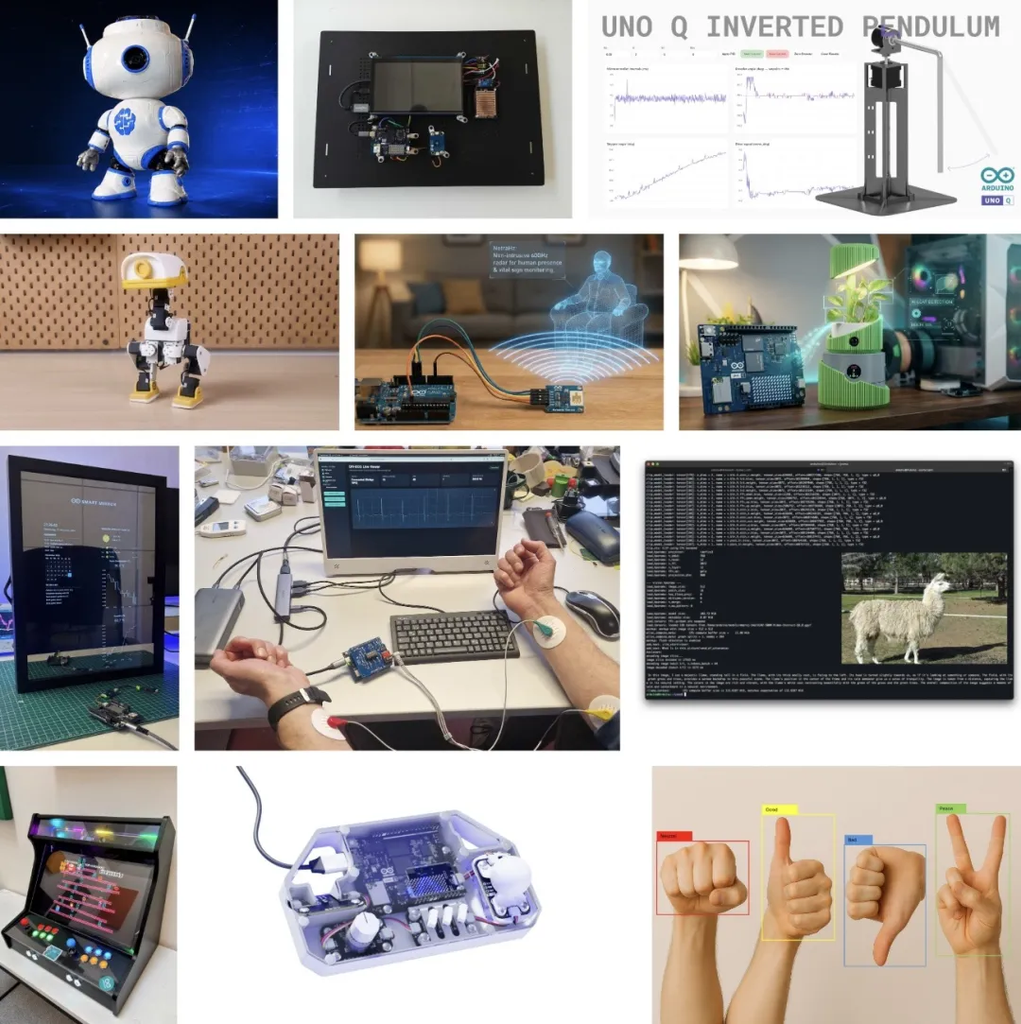
01 UNO Q Robotic Arm
This is a desktop robotic arm based on the Arduino UNO Q “dual-brain” development board, integrating Linux applications, real-time control, and edge AI.
Through the Bricks module in App Lab, tasks such as visual recognition and grasping can be quickly implemented, demonstrating how the development board combines robot control with AI applications.
02 SunFounder AI Education Kit
This is an all-in-one kit for STEAM and maker education. Students can use Python, Arduino, and AI models to build projects hands-on and engage with edge artificial intelligence in practice.
03 Goalkeeper Ball-Goalkeeping Device
This is an Arduino-based AI vision goalkeeper robot that can recognize and intercept incoming balls in real time, demonstrating the combination of edge vision and real-time motion control through intuitive interaction.
04 VENTUNO Q Embodied Intelligence Robot
This robot uses VENTUNO Q as its “brain,” combining local large models, vision models, voice, and ROS 2 motion control to achieve an integrated process of perception, decision-making, and execution.
B13 LCSC Open Source Hardware Platform
Exhibitor Introduction
The LCSC Open Source Hardware Platform is built around open source hardware projects and the developer community, providing makers, engineers, and hardware enthusiasts with a platform for showcasing works, design exchange, and project sharing.
Representative Works
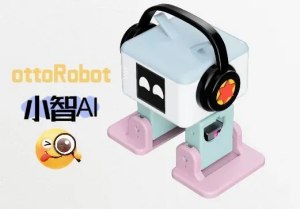
ottoRobot Open Source Robot
ottoRobot is one of the open source robot projects showcased on the platform. It combines robot structure with open source hardware, providing developers with a robot work they can reference, learn from, and continue to expand.
The value of open source projects lies not only in ultimately building a robot, but also in opening up the structure, hardware, and implementation ideas so that more developers can understand how it works and improve and remix it on that basis.
D04 Atech.dev
Exhibitor Introduction
Atech.dev focuses on the connection between natural language and hardware development, exploring more intuitive ways to lower the barriers to hardware programming and device development.
Representative Works
Natural Language Hardware Programming and Modular ESP32 Devices
The direction Atech.dev showcases is to let users express requirements in natural language and then translate those requirements into control logic in hardware projects.
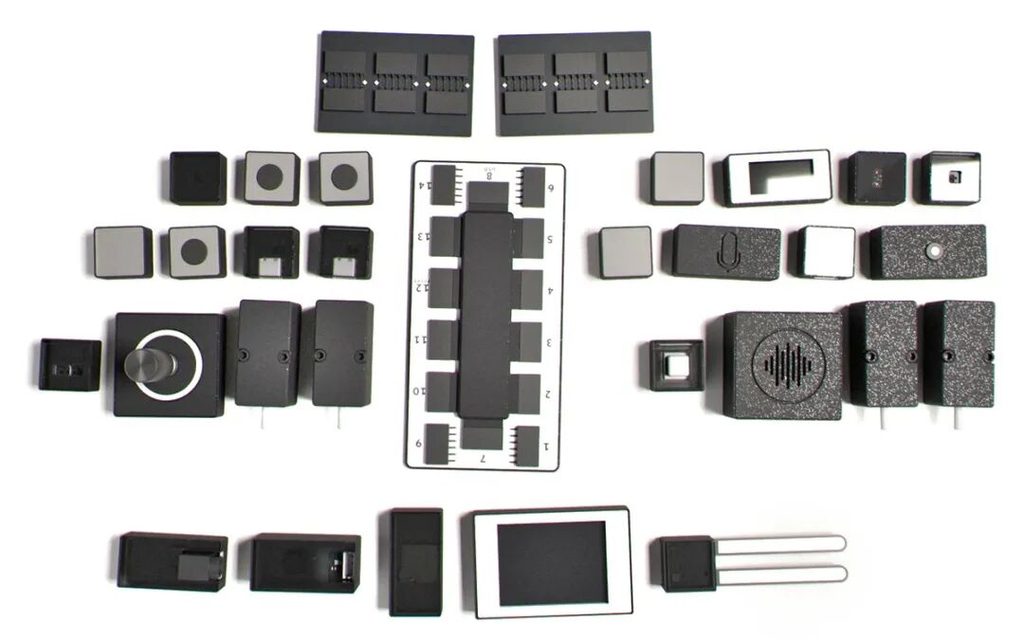
Its modular ESP32 devices provide a foundational carrier for hardware development. Through modular design, developers can combine devices around different functions and further explore the connection between natural language programming and actual hardware control.
The significance of this exploration lies in: making hardware development no longer entirely dependent on starting from low-level code, but instead attempting to bring AI into the creative process so that more people can participate in realizing smart hardware.
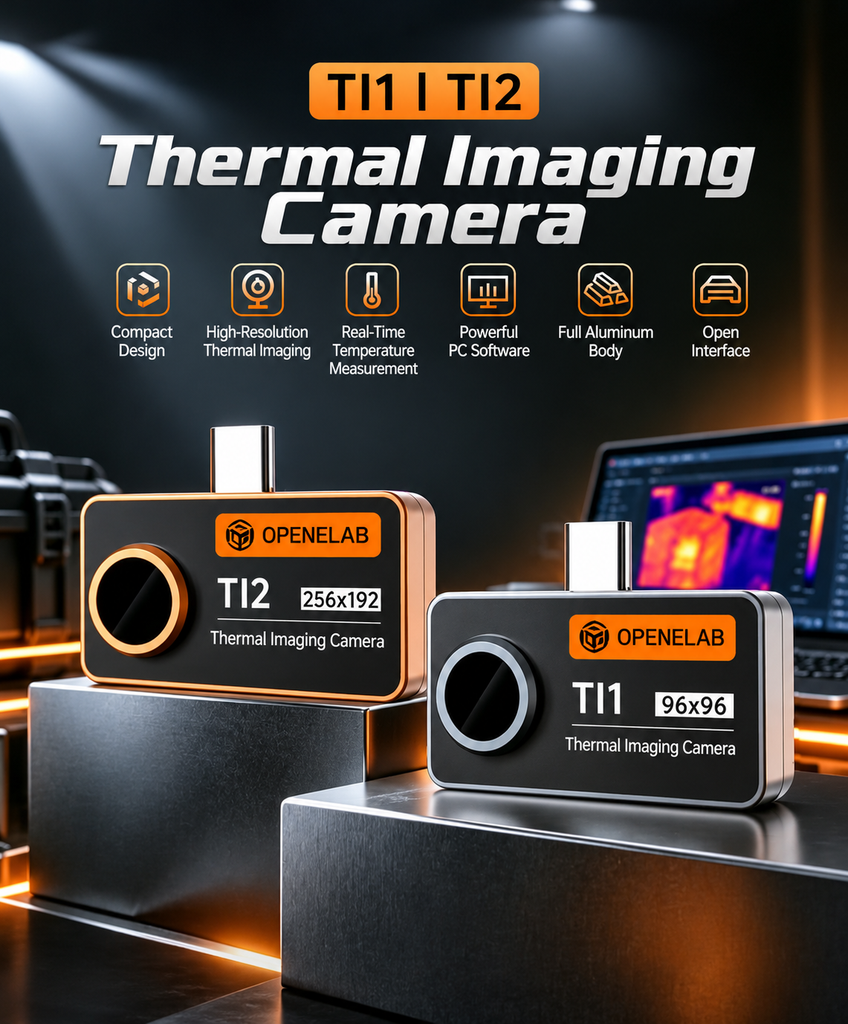
B27 OpenELAB
Exhibitor Introduction
OpenELAB is a one-stop technology product distribution and developer ecosystem platform for engineers in Europe and the United States. Headquartered in Munich, Germany, it focuses on helping Chinese AIoT, complete robot, and core component brands expand into European and North American markets.
The company has local teams and warehousing networks in Munich, Shenzhen, Virginia, and Istanbul, providing partner brands with overseas market promotion, product sales, pre-sales and after-sales technical support, and localized delivery services.
Representative Works
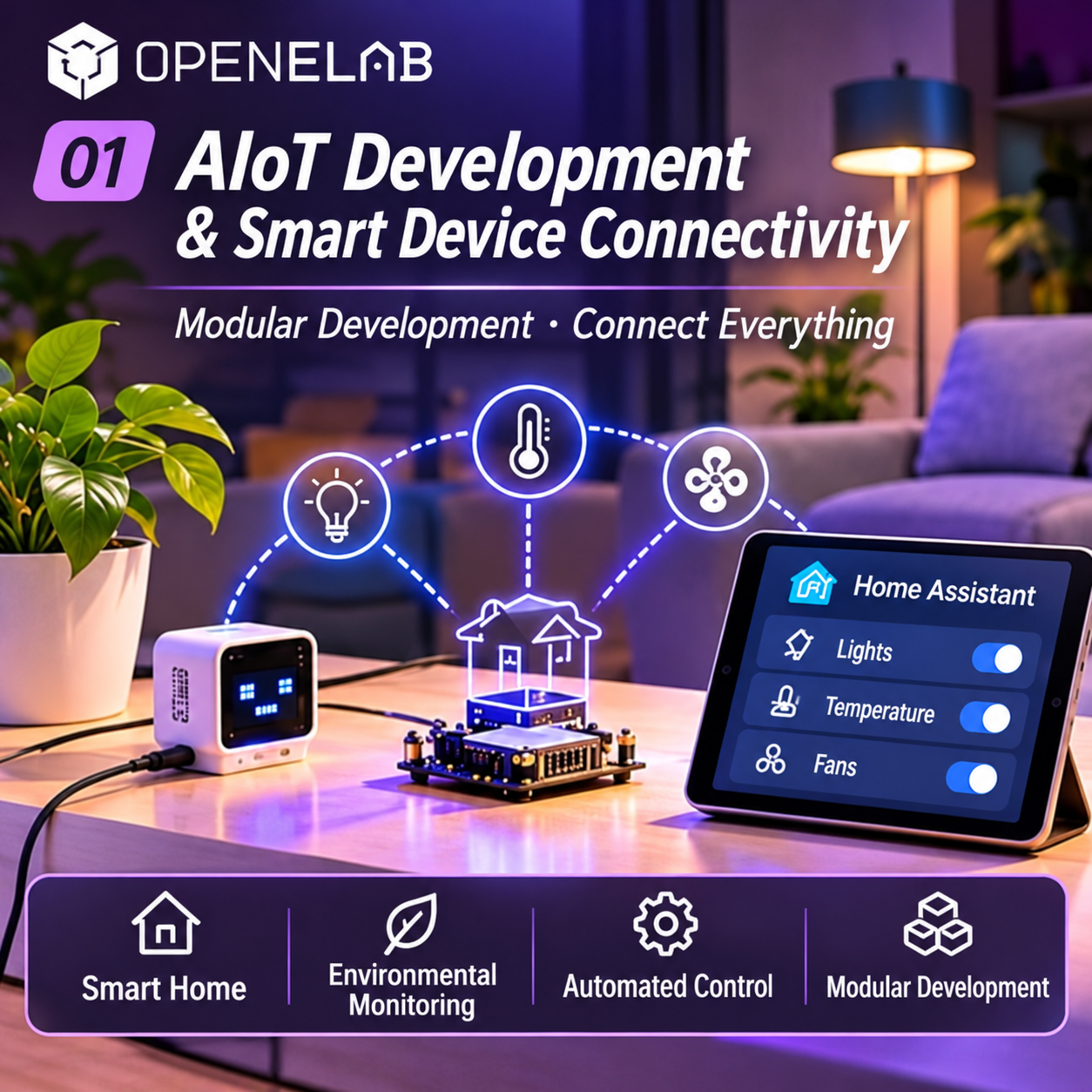
AIoT Development and Smart Device Interconnection
OpenELAB’s exhibition area will focus on AIoT development and smart device interconnection, showcasing application directions from development boards and modular hardware to sensors and smart home systems.
For makers, IoT projects usually require combining sensors, controllers, and actuator devices into a system that can perceive the environment and respond. Modular hardware allows developers to build prototypes faster and explore the connections and collaboration between smart devices.
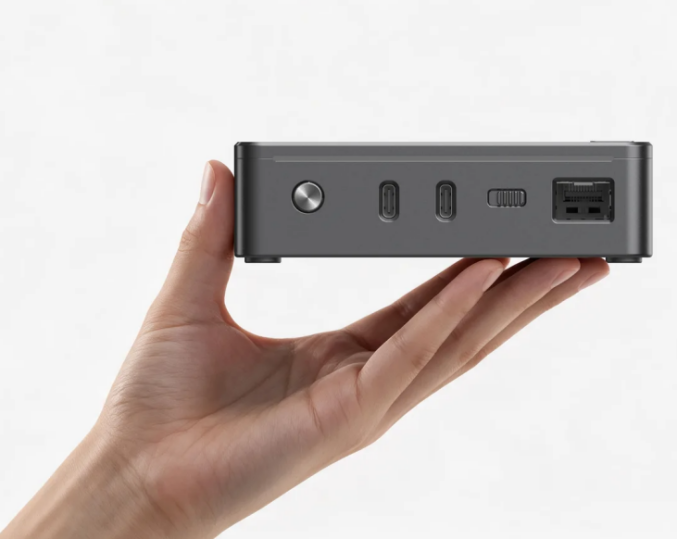
B02 Sipeed
Exhibitor Introduction
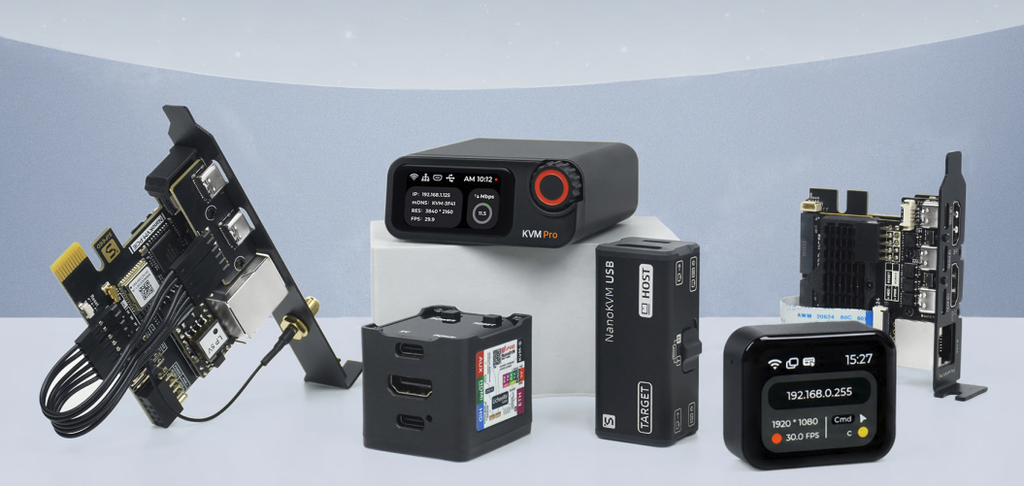
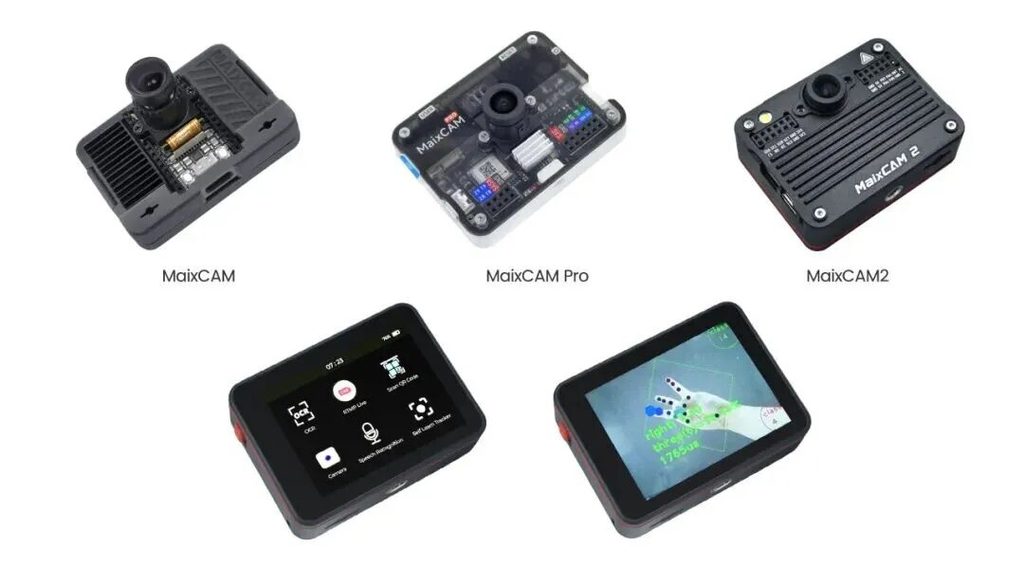
Sipeed is a company focused on open source hardware and artificial intelligence computing platforms, providing developers with related hardware products and development support.
In this exhibitor material, it is listed in the Community Partners Joint Exhibition area. Its display content revolves around open source hardware and developer applications, suitable for visitors interested in embedded computing, AI hardware, and maker development to exchange on site.
Representative Works and Display Direction
B03 ALIENTEK
Exhibitor Introduction
ALIENTEK provides development boards, learning materials, and technical support for embedded development and electronics learners.
ALIENTEK’s booth is in the Community Partners Joint Exhibition area. Visitors who are learning embedded development and hope to move from basic hardware practice into smart device development can learn about its development boards and related products on site.
Representative Works and Display Direction
PART 04
Digital Fabrication and Desktop Smart Manufacturing
One of the important characteristics of maker culture is getting hands-on to make ideas real.
In the past, precision machining and digital fabrication equipment often meant higher barriers in terms of use, cost, and space. Today, more and more desktop-level devices are bringing industrial manufacturing capabilities to personal workbenches, giving makers, designers, and small teams more possibilities for independent manufacturing.
A04 InfiMaker
Exhibitor Introduction
InfiMaker was founded in 2024 and is headquartered in Shenzhen. It is a technology company focused on desktop 5-axis CNC, intelligent CNC systems, and digital fabrication.
The company’s core team has experience in robotics, motion control, intelligent algorithms, precision machinery, and smart hardware R&D.
Representative Works
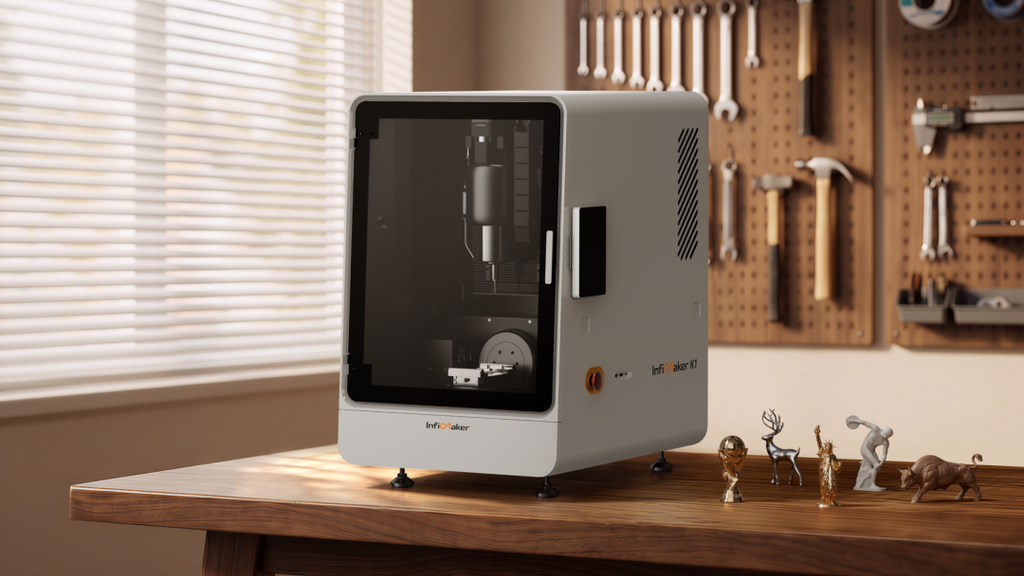
InfiMaker K1 Desktop 5-Axis CNC Sculpting Machine
K1 brings industrial 5-axis machining technology to desktop equipment, hoping to enable more creators to use 5-axis machining capabilities to complete complex works.
Compared with traditional 3-axis machining, 5-axis simultaneous machining allows the cutting tool to approach the workpiece from more angles, making it suitable for complex structures such as angled holes, deep side-wall cavities, and multi-angle curved surfaces.
K1 adopts a native 5-axis integrated architecture and supports true 5-axis simultaneous motion. Its 5-axis machining range is 120 × 120 × 120 mm; in 3-axis mode, the machining range is 170 × 160 × 120 mm.
In terms of materials, according to the show guide, it supports aluminum, copper, stainless steel, titanium alloy, as well as acrylic, wood, and wax, with more than 30 officially supported materials.
The device also combines AI and software-hardware algorithm optimization of the operating process, along with designs such as the InfiFlow high-pressure cutting coolant system, aiming to lower the barrier to complex machining and make it easier to turn ideas into physical works.
A08 Xhorse3D
Exhibitor Introduction
Xhorse3D is a subsidiary of Shenzhen Shuma Electronic Technology Co., Ltd. focused on 3D technology R&D and application, specializing in desktop 5-axis CNC, 3D scanning, and digital fabrication solutions.
Through its self-developed XrizoHub AI CAM software, the company attempts to lower the barrier to using CNC, enabling individual makers and beginners to carry out complex machining.
Representative Works
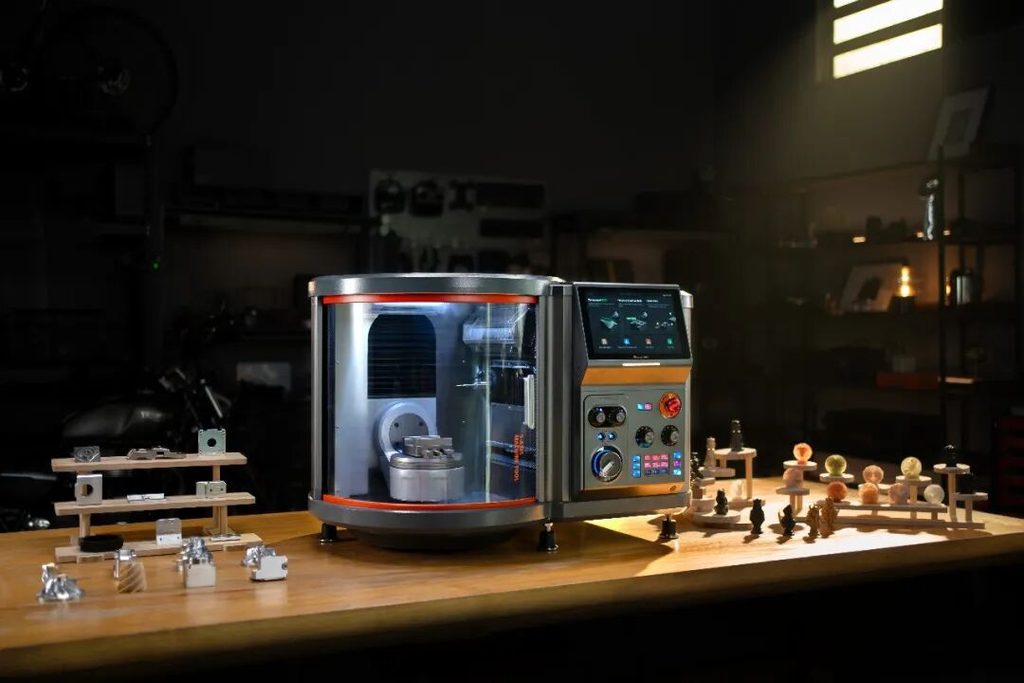
Xmachine WM-100 Desktop 5-Axis Machining Center
Xmachine WM-100 is a desktop 5-axis machining center launched by Xhorse3D.
It integrates the machining capabilities of industrial 5-axis machine tools into desktop equipment and, combined with AI CAM software, allows users to complete machining preparation and operation more conveniently.
The value of 5-axis machining lies in its ability to process workpieces from different angles, making it suitable for manufacturing complex curved surfaces and multi-angle structures. For scenarios such as jewelry design, cultural and creative products, prototype development, and small-batch customization, desktop 5-axis equipment can provide creators with more machining options.
A09 NestWorks
Exhibitor Introduction
Shenzhen NestWorks Technology Co., Ltd. is a hardware innovation company dedicated to revolutionizing desktop-level manufacturing tools.
Team members come from technology and manufacturing companies such as DJI, Bambu Lab, and Beijing Jingdiao. They hope to integrate the rigidity, precision, and professional performance of industrial machine tools into desktop-level equipment, providing makers, engineers, and small manufacturing teams with easier-to-use smart CNCs.
Representative Works
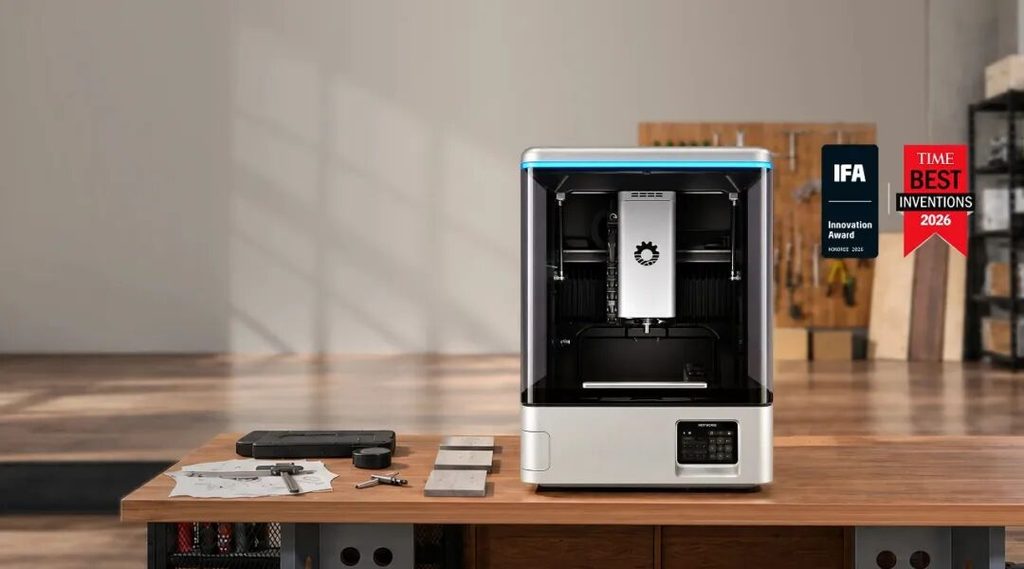
NestWorks C500 Desktop Smart CNC
C500 is a smart CNC device for desktop manufacturing scenarios.
The device is equipped with an 800W industrial-grade power spindle with a maximum speed of 18,000 RPM and machining accuracy of ±0.02 mm, and can machine materials such as aluminum alloy, stainless steel, and titanium alloy.
In terms of operation, C500 is equipped with self-developed Smart CAM software that supports generating toolpaths from 3D files; it also features RFID smart tool management and a 5-station automatic tool changer, and uses a 3D probe for automatic centering and edge finding.
These designs make desktop CNC not just a scaled-down version of a traditional machine tool, but also an attempt to lower operational difficulty through software, automation, and intelligent functions.
B10 MAKERA
Exhibitor Introduction
MAKERA conducts product R&D around desktop digital fabrication equipment and maker tools, hoping to enable more individual creators to complete the process from design to manufacturing through hardware, software, and a content ecosystem.
Representative Works
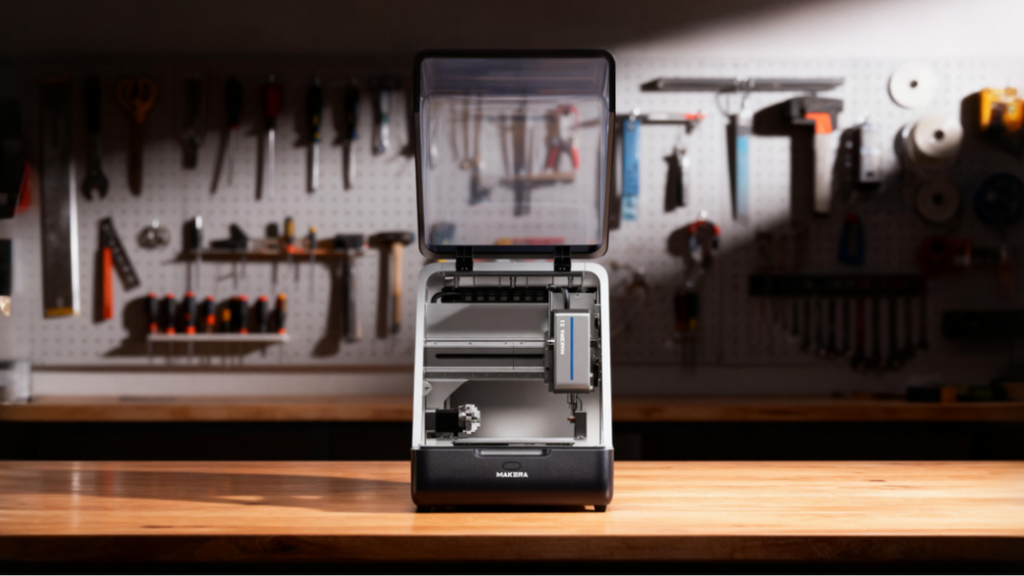
MAKERA Z1 Smart Desktop CNC
Z1 is a smart desktop CNC for individual creators.
The device has 0.02 mm machining accuracy and is equipped with functions such as quick tool changing, automatic tool setting, and leveling. The accompanying Studio software supports one-click toolpath generation, lowering the operational barrier between design files and actual machining.
In terms of software and content ecosystem, its Makerables community features an AI intelligent system that supports generating 3D models from text or images, allowing users to start from inspiration and further complete physical fabrication.
According to the show guide, Z1 is compatible with more than 500 materials, including wood, metal, and carbon fiber, and can produce both personalized ornaments and cultural-creative products as well as precision functional parts.
B19 BIQU
Exhibitor Introduction
BIQU conducts product R&D around 3D printing equipment and related upgrade accessories, providing 3D printing users with hardware and supporting products.
Representative Works
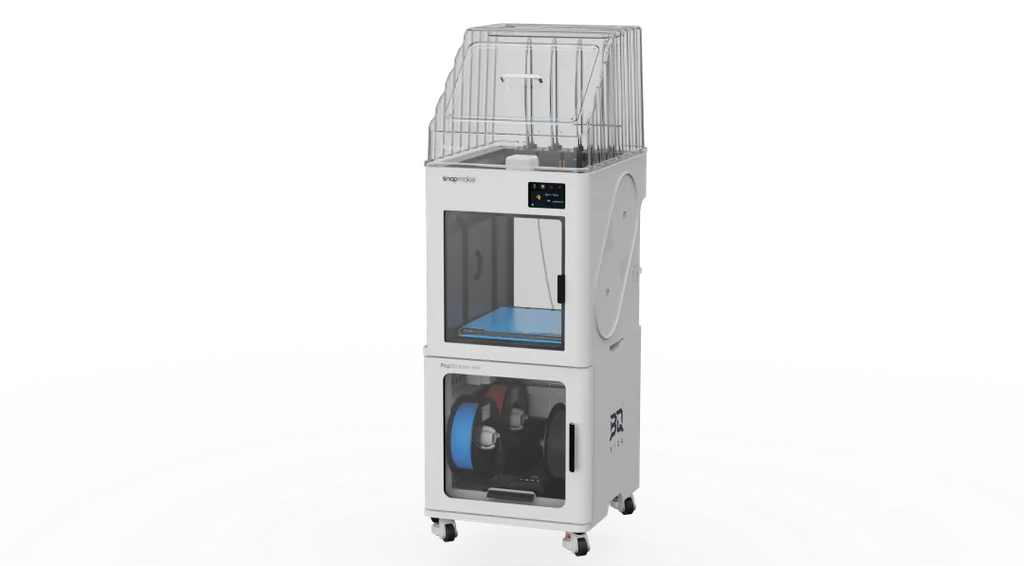
Panda Series 3D Printing Upgrade Products
BIQU’s display focuses on the Panda series 3D printing upgrade products, as well as products such as Panda Treat.
These products revolve around the user experience and feature expansion of 3D printing equipment, providing users who already own 3D printers with more upgrade and accessory options.
G23 Hades
Exhibitor Introduction
Hades is an independent maker, software and hardware developer, and creator with long-term focus on the design and development of embedded systems, smart hardware, digital fabrication, and interactive products.
His creations cover maker tool platforms, robots, interactive installations, micro digital fabrication equipment, smart lighting, and open source hardware.
Representative Works
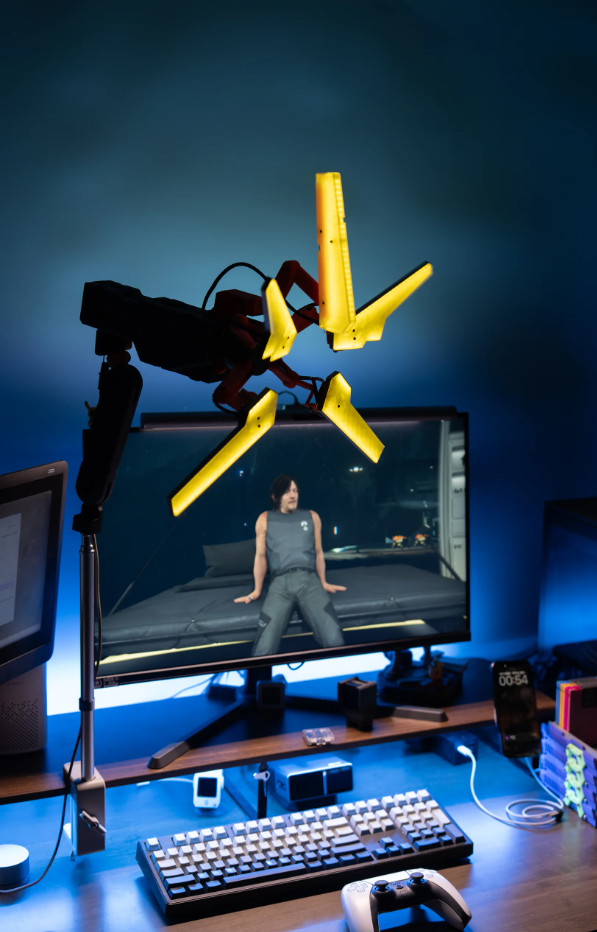
AMS Plus
AMS Plus is a third-party filament recognition system for Bambu Lab AMS.
It identifies third-party filaments via RFID and applies the corresponding parameters, enabling Bambu Lab AMS to recognize and use third-party filaments.
Starting from a specific usage need, this project adds functionality to existing equipment through software and hardware development, and also reflects the practice of independent makers extending and remixing mature products.
PART 05
Intelligent Perception and Scenario Applications
The value of technology ultimately returns to real-world scenarios.
Whether it is underwater environmental monitoring, industrial inspection, exhibition hall reception, home life, or health monitoring, intelligent perception technology is helping devices understand their surroundings and turn collected information into concrete actions.
The works under this theme show how makers start from actual needs and combine sensors, AI, robots, and digital fabrication.
A03 Shenzhen Polytechnic University
Exhibitor Introduction
Shenzhen Polytechnic University has comprehensively implemented innovation and entrepreneurship education reform since 2009, establishing a progressive innovation and entrepreneurship practical training system from club incubation and competition selection to project training and entrepreneurial practice.
The university’s Maker Center integrates practical training teaching, innovative R&D, and maker incubation, providing faculty and students with full-process services from idea and design to manufacturing.
Representative Works
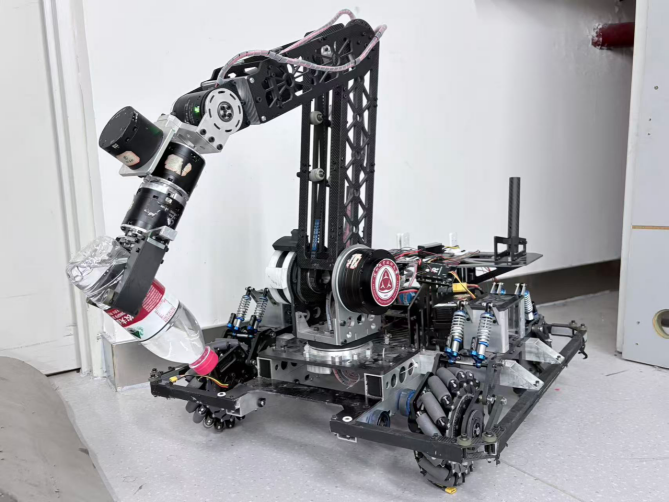
01 Modular Multifunctional Mobile Robot Platform (with 7-Axis Robotic Arm)
This is a robot platform for automated operations in complex environments, usable for scenarios such as foreign object clearance in nuclear power plant reactor pools, as well as for research algorithm validation and mechatronics teaching experiments.
The platform integrates a mobile chassis, a 7-degree-of-freedom robotic arm, and an end effector module, and can complete tasks such as foreign object detection, grasping, transfer, and placement in pool environments.
Its modular design allows the replacement of end effectors according to different operational needs and the expansion of sensors.
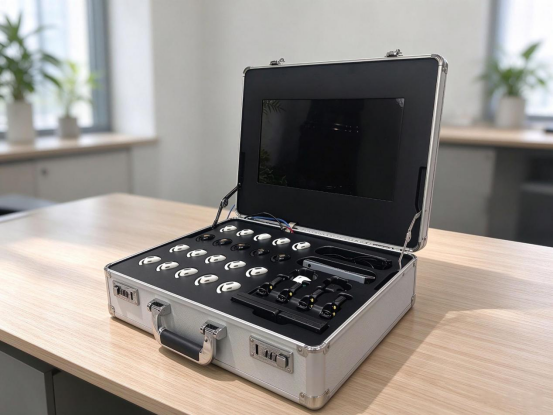
02 AI Smart Eye Guided Tour Reception System
AI Smart Eye is a software-hardware integrated AI solution for scenarios such as exhibition halls and museums.
The system integrates real-time bilingual translation, visual recognition multi-screen linkage, wireless audio base stations, and AI smart teleprompting, supporting multilingual mutual translation, automatic content playback, and clear listening for multiple people.
The project hopes to use intelligent equipment to assist exhibition hall reception and guiding work, responding to practical problems such as the scarcity of professional guides and staff turnover.
03 Smart Film Navigator
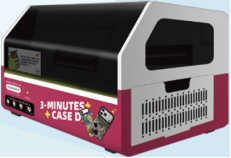
Smart Film Navigator focuses on unmanned services in the mobile phone aftermarket, developing fully automatic phone screen protector application machines and fully automatic AI phone case customization machines.
According to the show guide, the screen protector machine can complete application in as fast as 90 seconds, and the AI phone case customization machine can complete DIY phone case production in as fast as 3 minutes. The project hopes to use automated equipment to turn phone screen protector application and personalized phone case customization into more standardized service processes.
D01 Aniruddh Mali, Maker Bhavan IITGN
Exhibitor Introduction
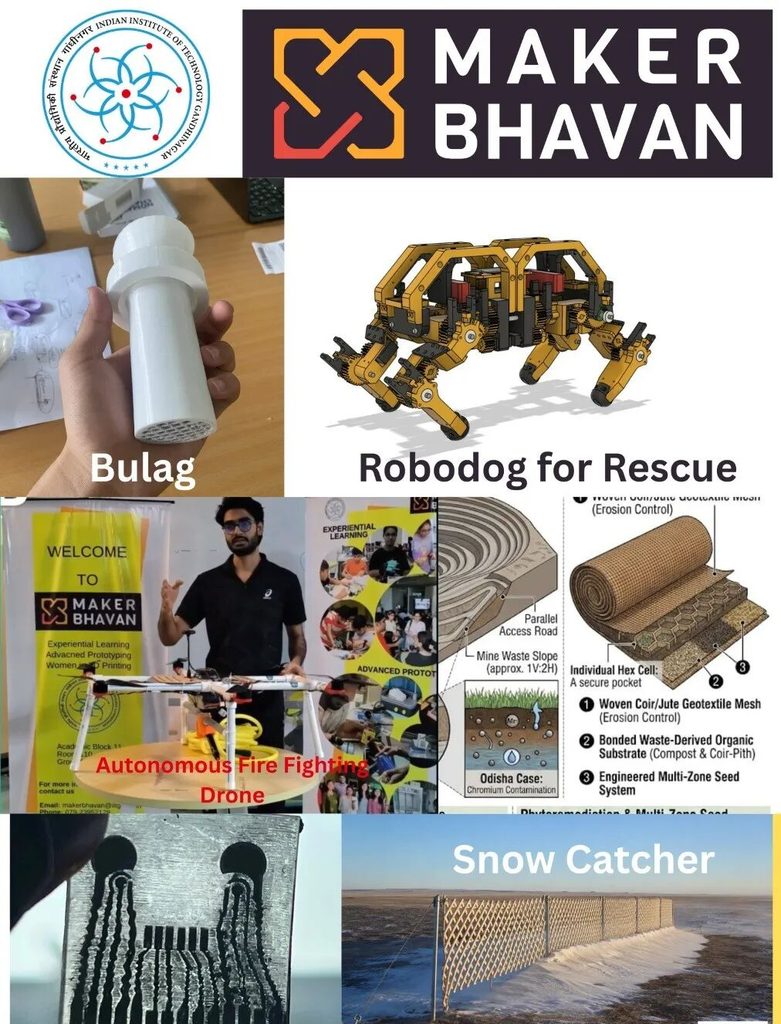
This booth comes from the Maker Bhavan maker team at the Indian Institute of Technology Gandhinagar, with display directions covering robotics, wearable sensing, digital fabrication, and bio-robotics.
Representative Works
01 Anvesa Patch Wearable Electrochemical Biosensing Platform
Anvesa Patch is a compact wearable electrochemical biosensing platform exploring accessible health monitoring.
This flexible prototype integrates sensing, electronics, and digital fabrication technologies, exploring non-invasive monitoring of biomarkers through sweat and studying their correlation with physiological parameters.
The project involves application directions such as wearable health monitoring, preventive medicine, sports and fitness, and telemedicine.
02 Rescue Robot Dog
This is a quadruped robot platform for hazardous environments, capable of carrying sensors and cameras for remote inspection, situational awareness, and search-and-rescue missions.
Its envisioned applications include disaster areas, collapsed structures, hazardous industrial environments, fire emergency response, and remote exploration.
03 BioRobotic Skin
This project explores combining soft materials, sensors, electronic components, and robotics to create a sensing interface similar to artificial skin.
Its concept hopes to enable robot systems to perceive physical stimuli such as touch and pressure, providing an exploratory foundation for directions such as humanoid robots, assistive robots, prosthetics, and rehabilitation technology.
G20 Zhang Miaoyi Team
Exhibitor Introduction
The Zhang Miaoyi team focuses on high-altitude meteorological monitoring, research meteorological monitoring, and safety meteorological monitoring for scenic areas and racing tracks.
The team’s founders, Zhang Miaoyi and Zhang Xinyang, are both high-altitude mountaineering enthusiasts, and the team hopes to combine needs from real outdoor environments with the R&D of meteorological monitoring equipment.
Representative Works
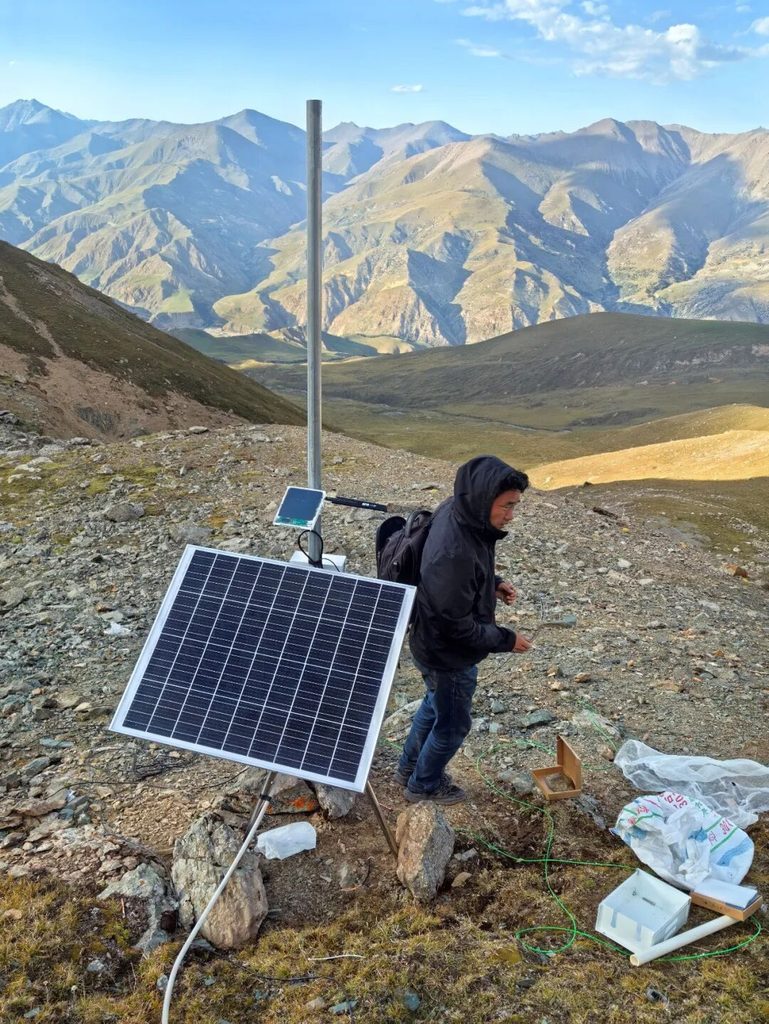
Third-Generation Ultra-Mini Mountain Weather Station
The team’s representative work is the third-generation ultra-mini mountain weather station.
Meteorological conditions in mountain environments change quickly, and meteorological data has reference value for mountaineering activities, outdoor research, and scenic area safety management. Compared with large fixed meteorological equipment, miniaturized equipment emphasizes greater flexibility in size and deployment.
The project revolves around meteorological monitoring needs in high-altitude and outdoor environments, reflecting the practice path of young makers starting from their own outdoor experiences and turning real problems into technical projects.
G02 Arduino Chinese Community Maker Joint Display: VonWell, Zhongzhong
Exhibitor Introduction
VonWell and Zhongzhong carry out maker practice around water environment governance, smart homes, and embodied robots, attempting to combine AI vision, sensors, actuators, and robots in specific application scenarios.
Representative Works
01 VonWell: Water Hyacinth and Golden Apple Snail Processing System Using VLM
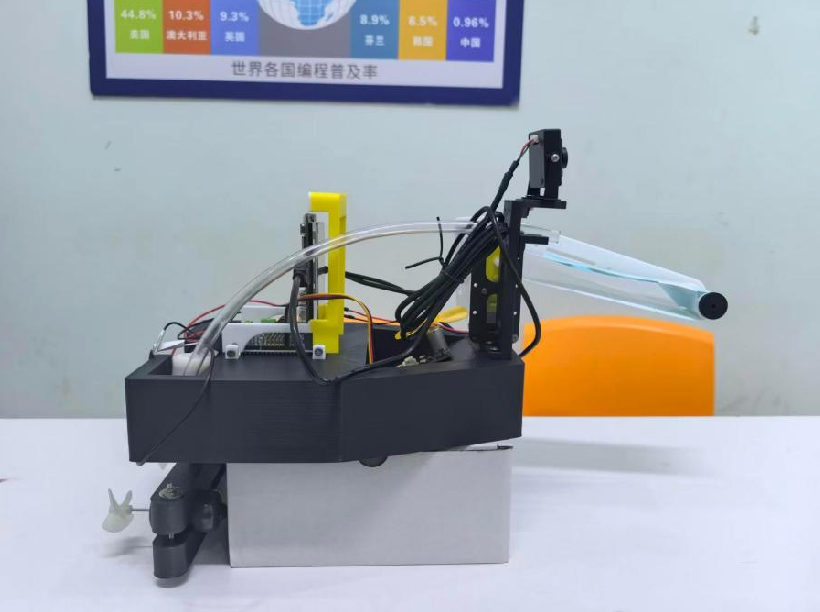
The project uses a boat as its carrier, identifies water hyacinths and golden apple snail eggs through AI vision, and then combines mechanisms such as conveyor belt collection, blade cutting, and water pump flushing to explore water area cleanup and recycling.
The original solution used two UNIHIKER boards, respectively handling recognition control, remote control, and image display functions. The team also plans to add gesture interaction to control boat movement, water pumping, and cutting operations.
02 Zhongzhong: Smart Home × Embodied Robot
This project connects smart home devices, sensors, and small embodied robots, enabling devices to collaboratively perceive the environment, make decisions, and execute actions.
The project explores the possibility of robots participating in home management and care, making robots not just independently operating devices but capable of collaborating with other smart devices in the home.
G27 Astrion Lab
Exhibitor Introduction
Astrion Lab is a maker group composed of technology enthusiasts, with members from several hardware technology companies in Shenzhen, who use their spare time to carry out technical exploration and maker projects.
Representative Works
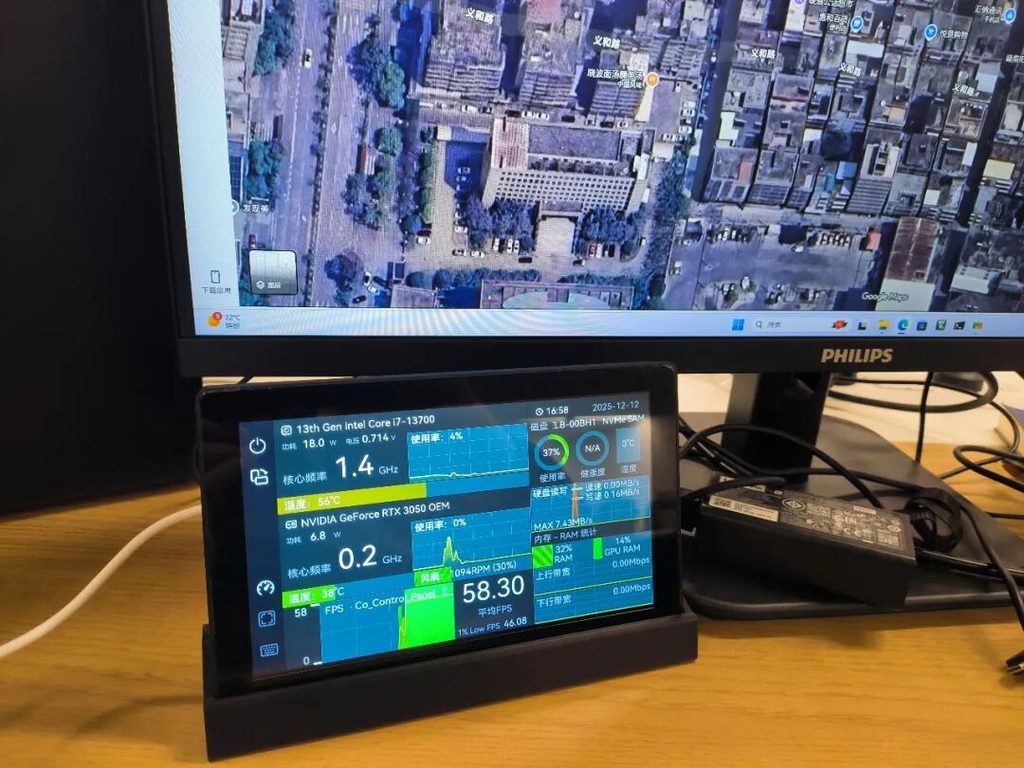
Consumer-Grade Laser Interferometer
This project uses the same working principle as the LIGO gravitational wave detector to build a Michelson laser interferometer for displacement measurement.
The project attempts to achieve nanometer-level displacement measurement in a consumer-grade way, and further measure physical quantities such as straightness, parallelism, pitch, and yaw, measuring three dimensions simultaneously in a single pass.
Its characteristic lies in exploring, through a relatively low-cost solution, the functions possessed by professional precision measurement equipment, bringing high-precision measurement technology into maker practice in a more accessible form.
G18 Guaiguaichai Studio
Exhibitor Introduction
Guaiguaichai Studio is an OPC (One Person Company) team carrying out product innovation, community operations, and maker education around finger skateboards.
Starting from finger skateboard products, props, and the player community, the team continuously explores the combination of hand motion and smart hardware.
Representative Works
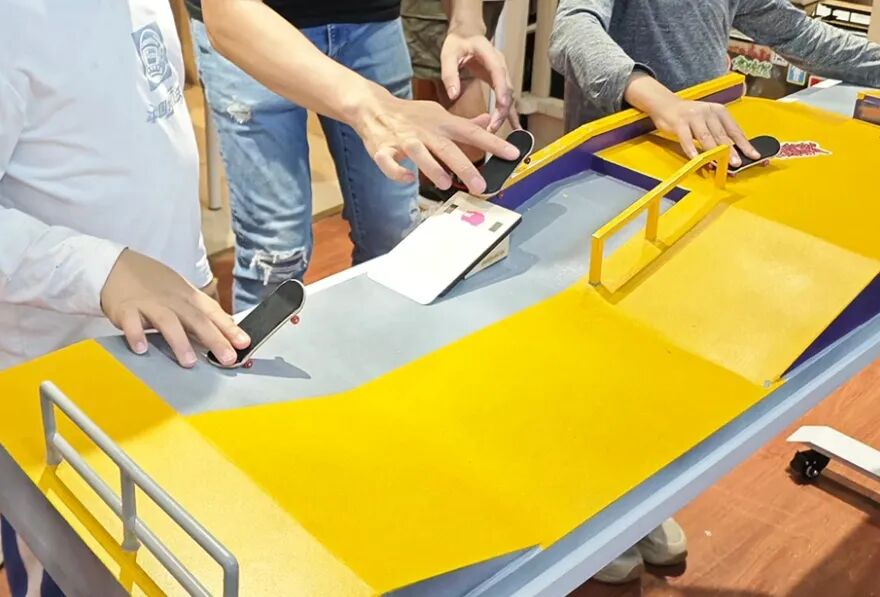
Fingertrick AI Smart Finger Skateboard
Fingertrick AI integrates sensors and on-device machine learning technology into the finger skateboard experience, enabling real-time recognition of players’ finger movements and skateboard tricks, and feeding the movements back to the screen for visualized interaction.
Visitors can try it themselves and observe how hand movements are sensed and recognized by the device. The project also plans to showcase self-made mini-games and use the smart finger skateboard as a controller to operate PC skateboarding games.
It combines traditional finger skateboard culture with motion recognition and smart hardware, giving a familiar entertainment activity a new way of interaction.
Seeing More Possibilities in Maker Innovation Through One Work
From embodied intelligence robots to desktop AI companion devices; from open source hardware development platforms to desktop-level digital fabrication tools, and further to intelligent perception systems for real-world scenarios, this year’s Maker Faire Shenzhen showcases not just individual products, but the intersection of different technological paths and ways of creating.
Some teams are exploring how robots understand and execute tasks, some are thinking about how AI enters daily life, and some creators start from concrete problems around them and use sensors, controllers, and mechanical structures to build their own solutions.
This is exactly the charm of Maker Faire: technology does not remain only in concepts and specifications, but is seen, experienced, and discussed through real works.
December 12–13, come to the Greater Bay Area International Maker Summit & Maker Faire Shenzhen 2026 and see on site how these ideas become reality—perhaps the next innovation project worth watching will come from a maker right beside you.

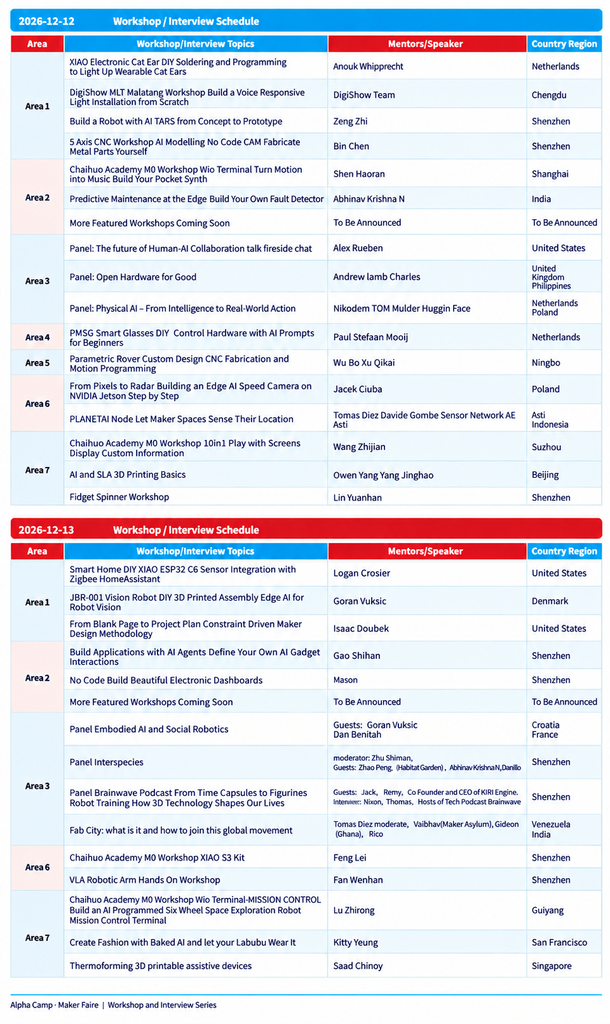
For the 2026 Greater Bay Area International Maker Summit, we have specially created a brand-new program segment—Alpha Camp. It is not a conventional exhibition, nor a workshop where you sit in the audience taking notes—it is an unscripted “making experiment ground”: there are no spectators here—either take the stage or get your hands on the tools.
Over the two days, around 40 hardcore skill workshops and sharing sessions will run back-to-back—laser cutting, advanced soldering, hands-on 3D printing, AI hardware deployment… 70%–80% of them are hands-on. Attendees are not judged by degrees or titles; the person sitting at the next table might be a veteran welder from the workshop floor whose skills run deep—or your future partner for all-night project builds.
What Is Included?
- Priority workshop reservations and access to the ticket-holder community. Book your preferred sessions early, get program updates, and connect with other participants before the event.
- Two days of ALPHA Camp access. Explore around 40 workshops and skill-sharing sessions across both days.
- Your own NFC maker badge. Activate it at check-in, tap it for access, and use it to complete challenges and level up your virtual pet.
- Practical workshops led by experienced makers. Work with people who have used these skills on real projects.
- Lunch on both days. Your pass includes an on-site lunch each day.
- A certificate of completion and a maker passport. Complete the workshop and challenge requirements to receive your certificate at the event. Use your passport to collect stamps at participating exhibitor booths.
- Maker merchandise. Take home a sticker pack, a custom woven tote bag, and other event merchandise.
The complete workshop and interview lineup is continuously updated…
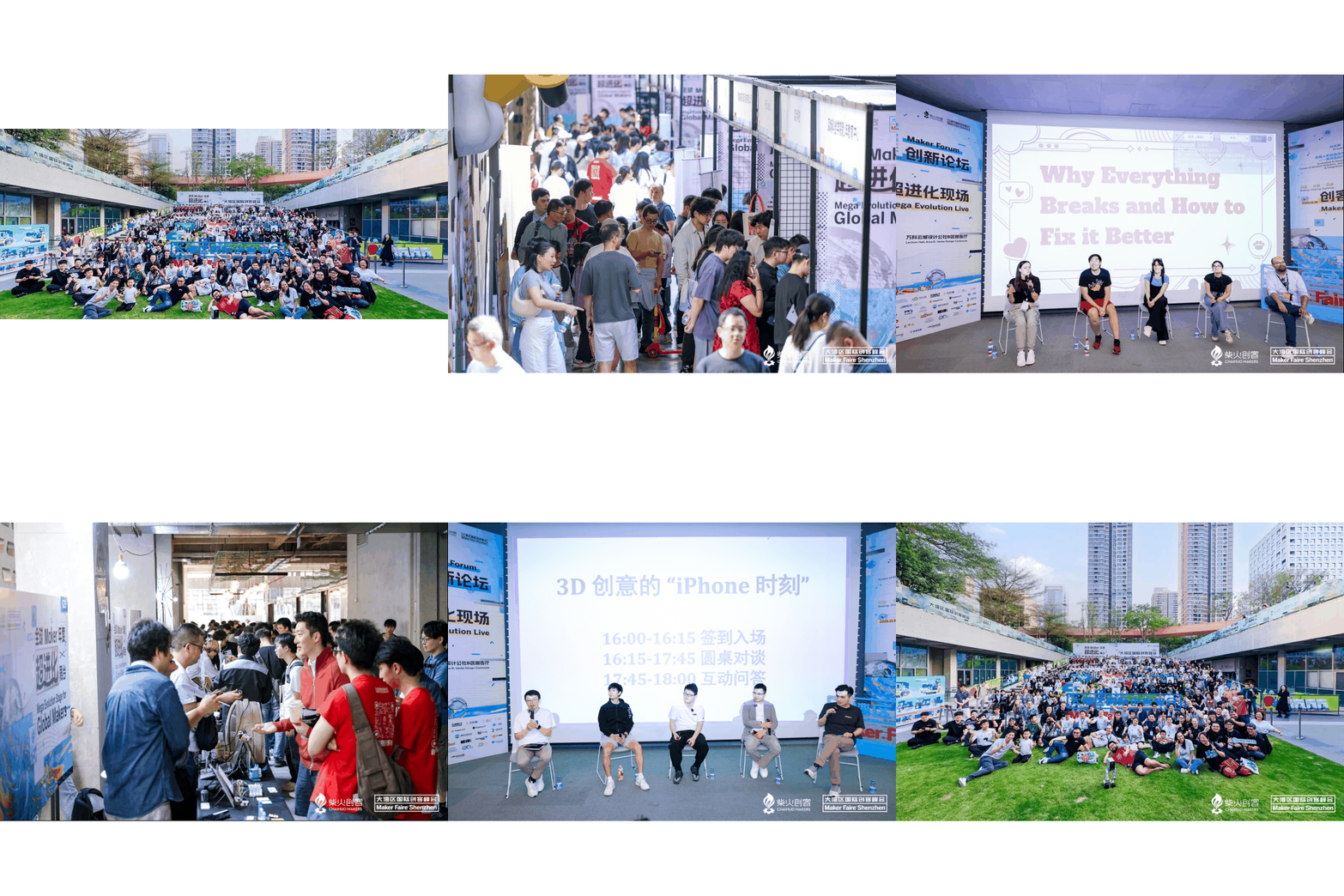
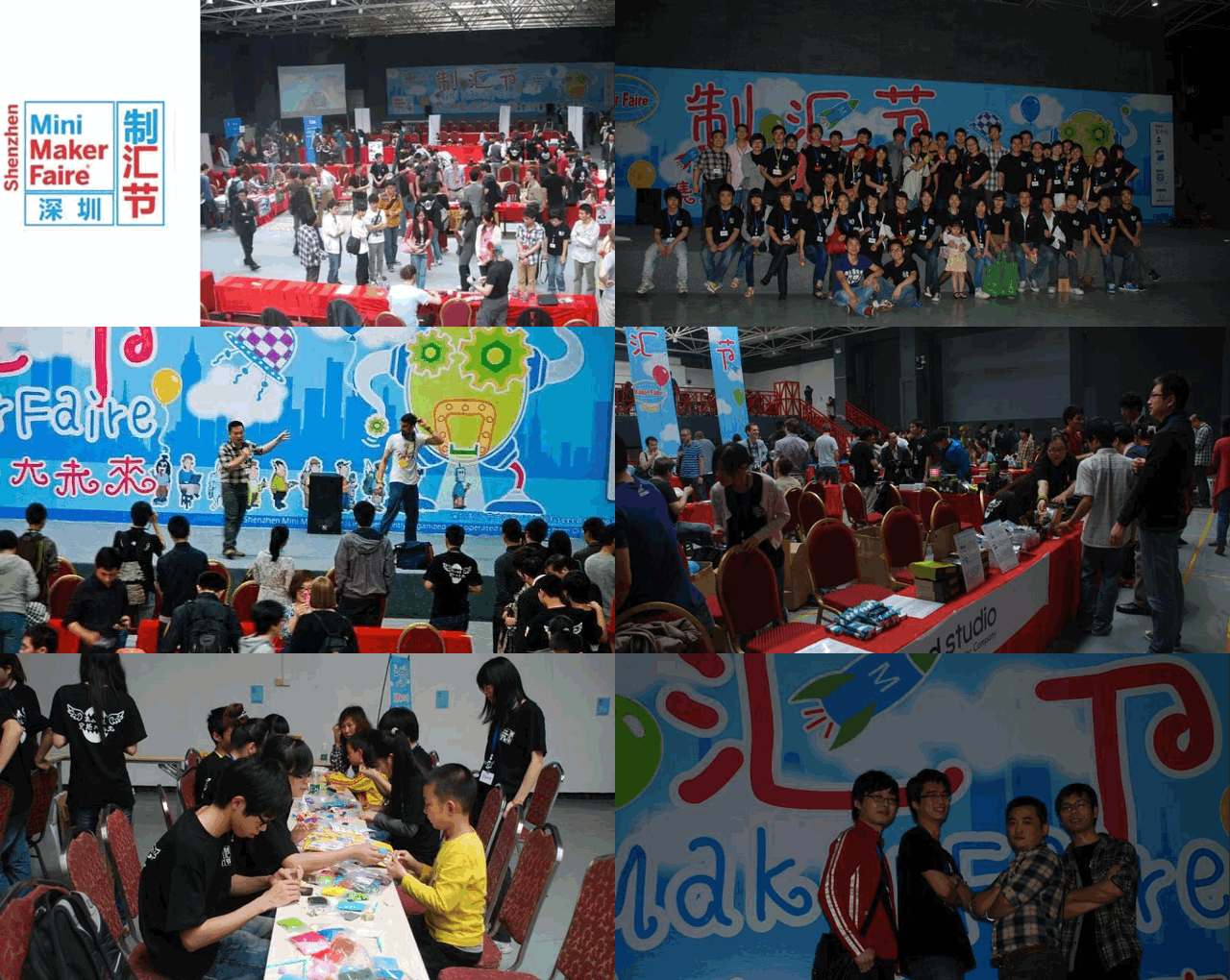
Over the past 13 years, the development trajectory of Maker Faire Shenzhen can be seen as a microcosm of the development of maker culture in China.
- 2012: “Gathering Small Wisdom, Journeying through the Great Future” – This was the first Mini Maker Faire in China, with less than 1000 attendees, and was more like a gathering within a small circle. But we saw the infinite possibilities emerging from the maker community.
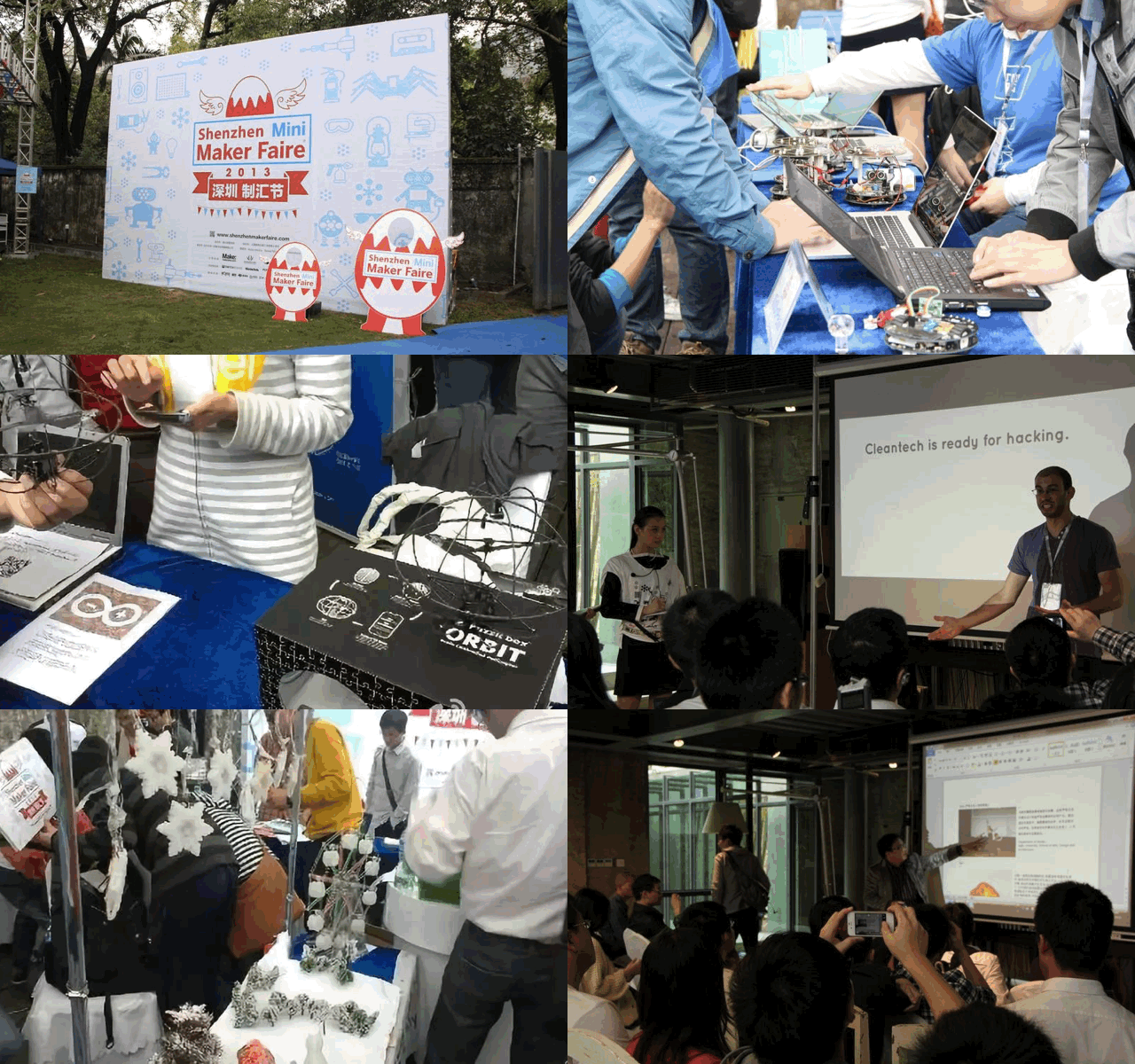
- 2013: The slogan was absent, and the maker community was still small. – In the OCT Creative Park, there were cross-disciplinary exchanges among different creative communities, silently laying the foundation for cultural output.
- 2014: “Innovate with China” – the event was upgraded to the Featured level for the first time, with a significant increase in scale compared to previous years, and the beginning of professional independent forums. This year, makers began to enter the public’s view.
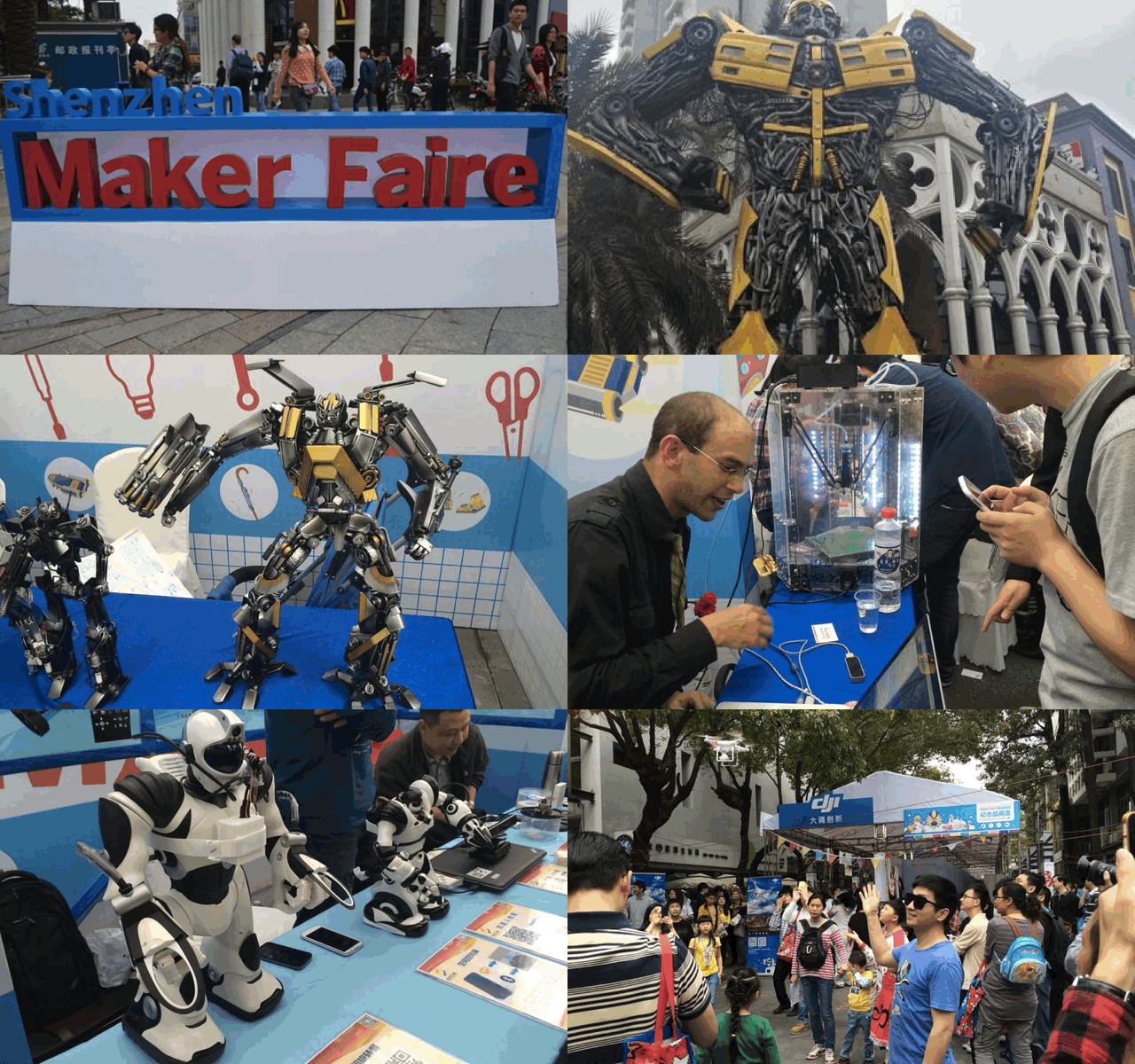
- 2015: “Everyone is a Maker, what are you waiting for?” – This year’s Shenzhen International Maker Week became one of the largest Maker Faires in the world. This year, the concept of “maker” was elevated to a national level, and the trend of “mass innovation, mass entrepreneurship” swept across the country.
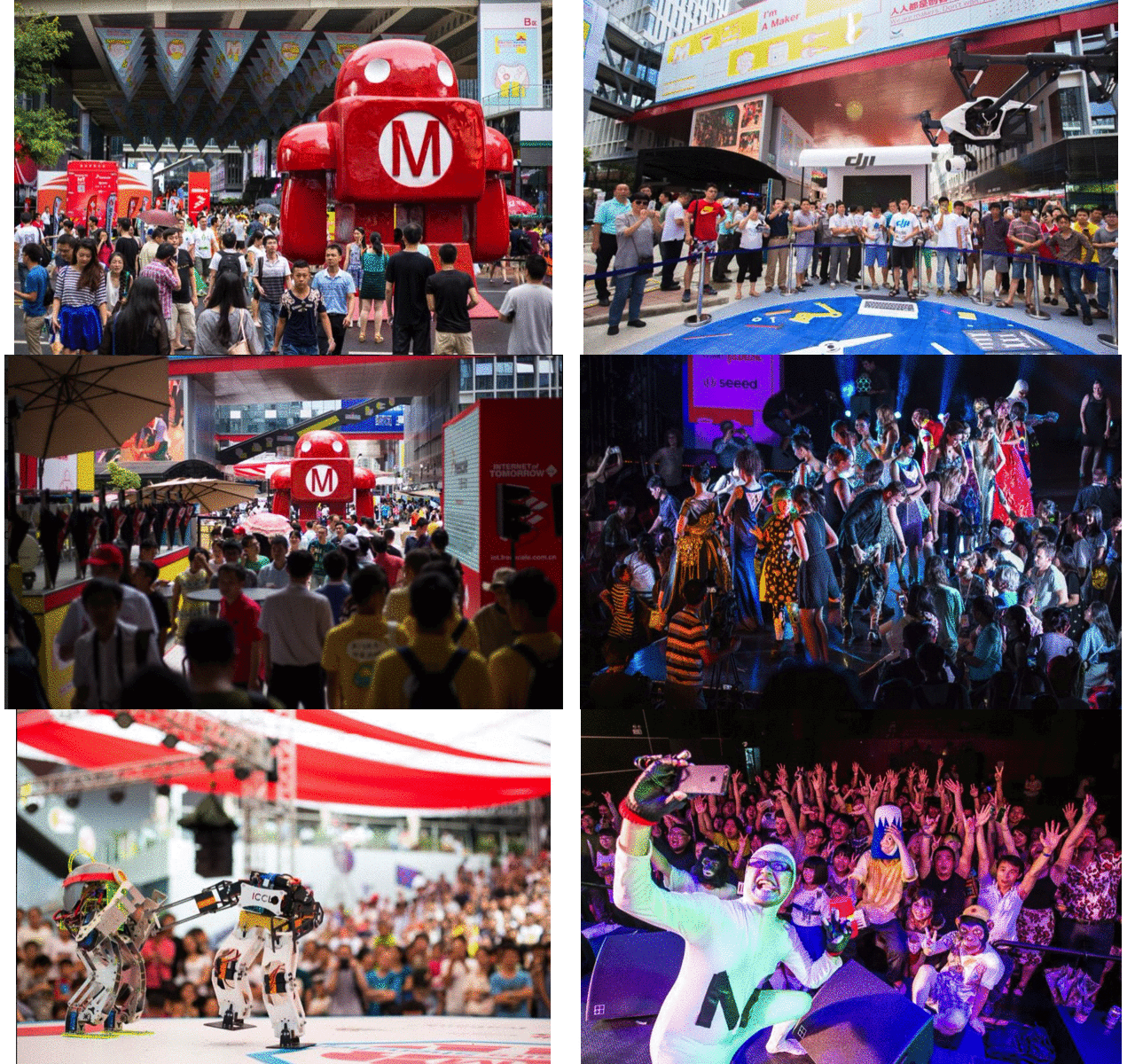
- 2016: “My World, My Creation” – As the sub-venue of the National Innovation and Entrepreneurship Week, the event was held for the first time in the commercial center area, experiencing unpredictable weather from typhoons to scorching heat. Many makers succeeded in your entrepreneurial endeavors this year, but it seemed like there were even more failures. The hype around entrepreneurship shifted towards rationality.
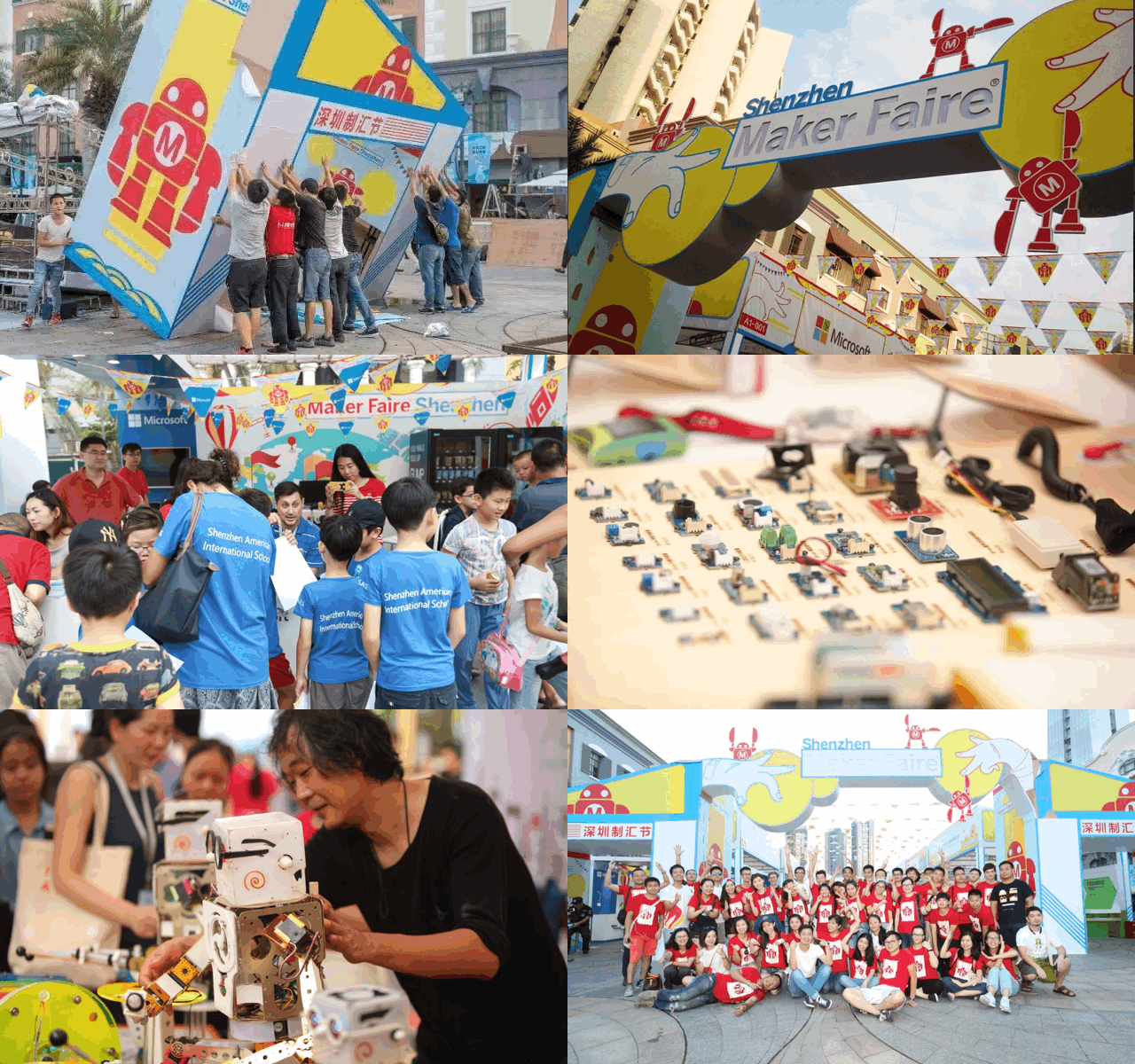
- 2017: “Makers, Go Pro” – The event took place at the university campus for the first time, focusing on Maker Pros and providing a platform for diverse innovators and makers to showcase themselves, presenting more possibilities for the growth path of makers to the entire community.
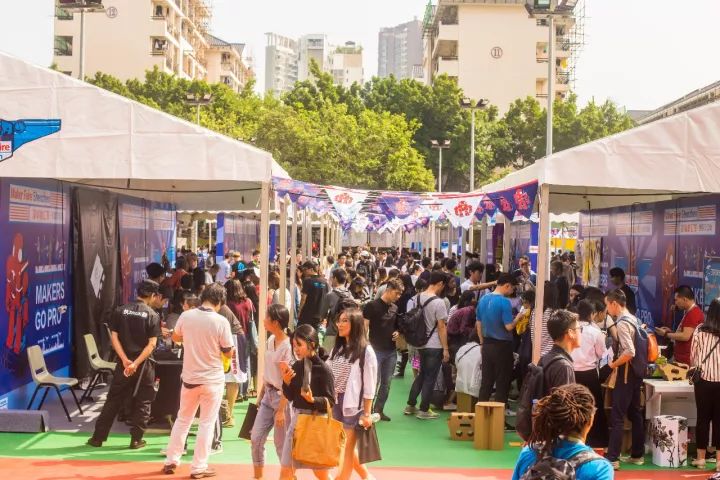
- 2018: “Co-making in the City” – The main venue of Shenzhen International Maker Week, where individuals and groups with shared visions and values gathered to showcase stories, projects, and explorations of collaboration among different communities and people.
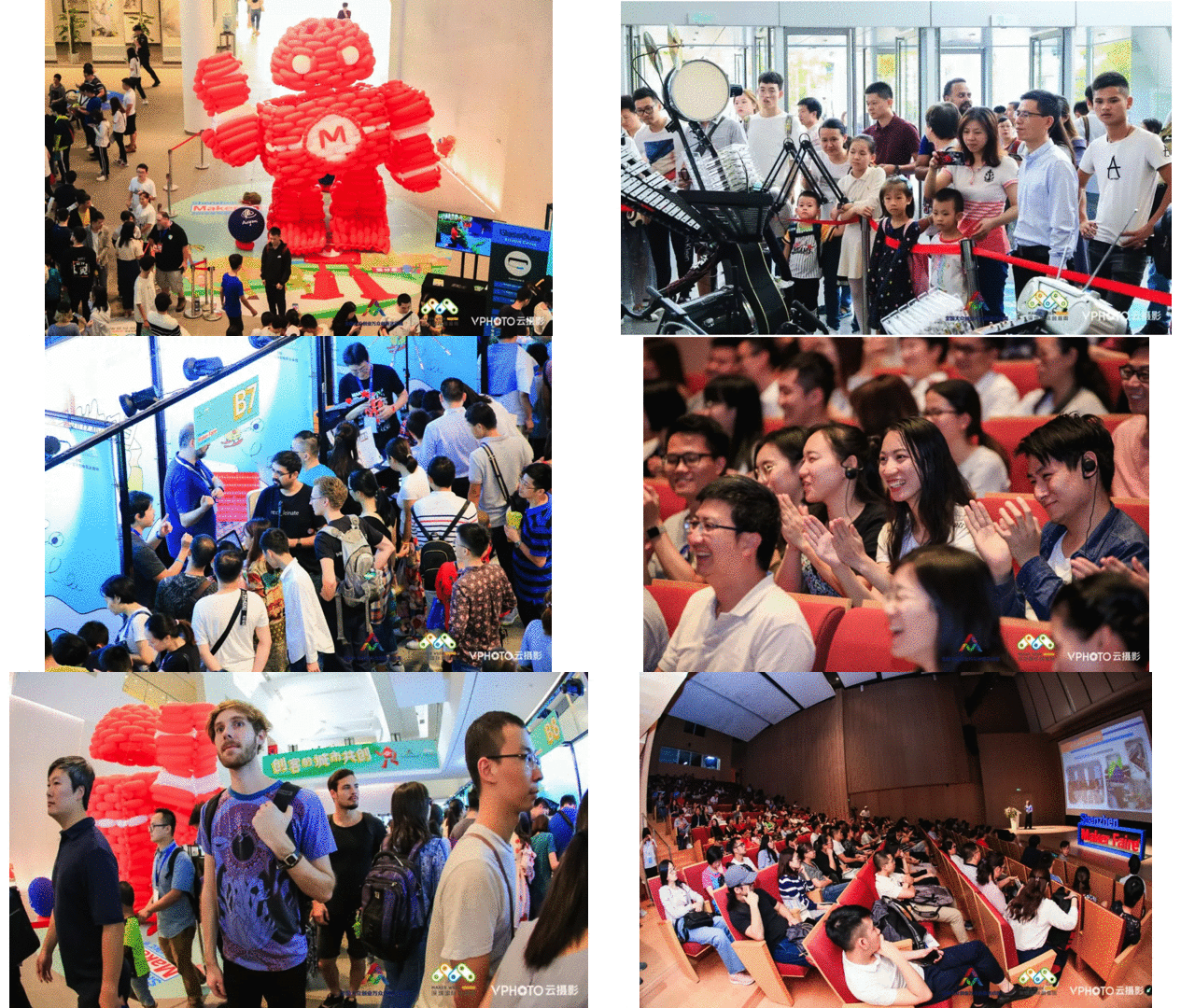
- 2019: ” To the Heart of Community, To the Cluster of Industry” – The event was upgraded to the Maker Faire Shenzhen, attempting to attract professional audiences and focusing on pragmatic aspects such as solving the needs of industrial upgrading and co-developin. It aims to build a platform for innovation and industry dialogue and collaboration.

- 2023: “Where Are The Makers?”– Starting from our own mission and values, we aim to explore the future direction of makers and theapossibilities for commercialization. Though this question does not have a definitive answer, we do hope that through this event, we can communicate and share with every one of you, finding more ideas and directions together.

- 2024: “Everything is AI” – This year, we brought together over 120 exhibitors from around the world, attracting nearly 1,500 professional attendees from nearly 20 countries and over 20 provinces across China. The exhibition showcased a wide range of AI application projects and hosted 10 AI hardware-themed satellite events, alongside various workshops.
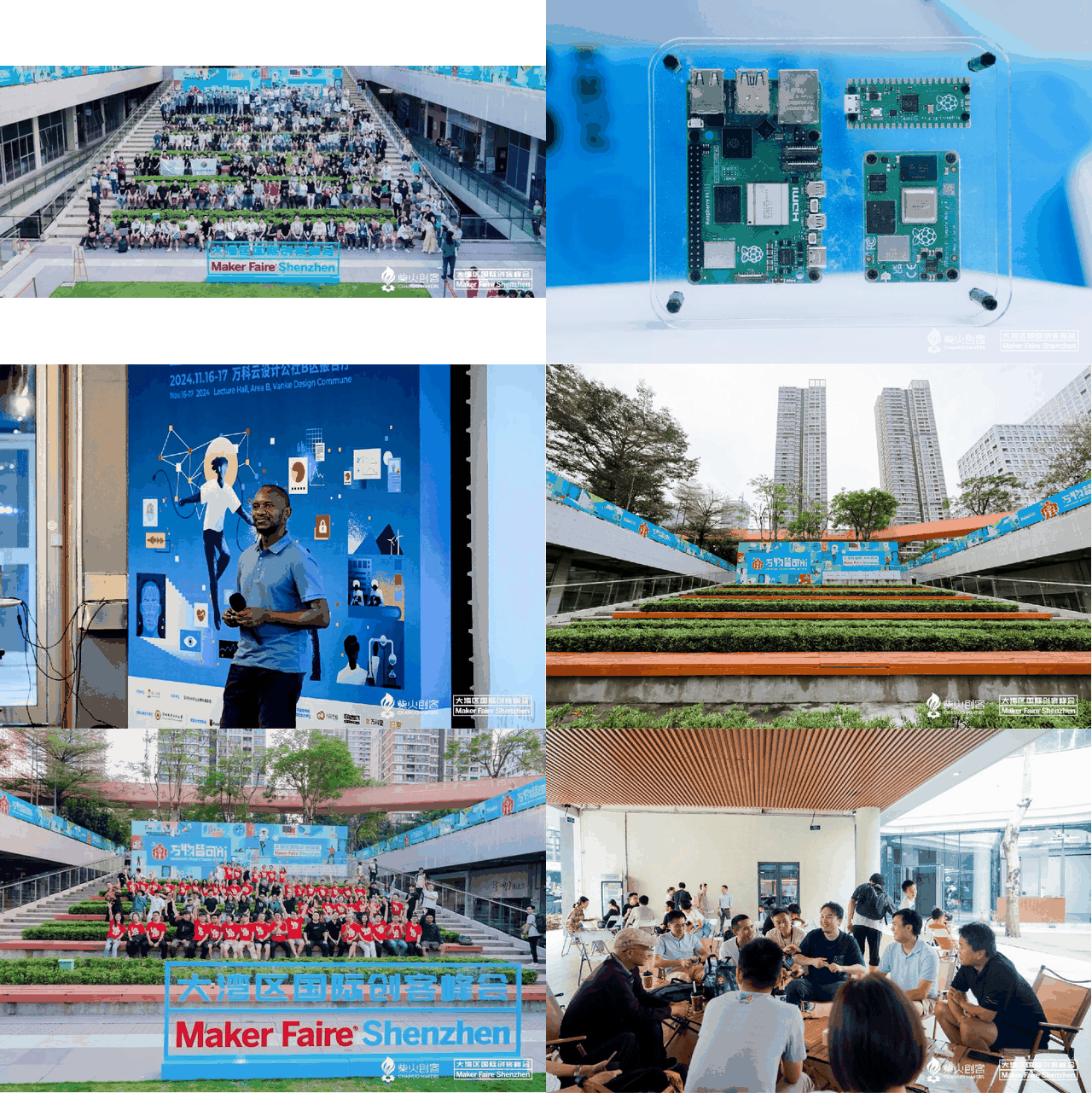
- 2025: “AI Without Boundaries, Everything Reimagined”The summit brought together nearly 100 international innovation ambassadors and showcased almost 1,000 AI hardware projects.Technology leaders, pioneering makers, industry experts, and university teams from more than 30 countries gathered to create an international innovation event combining frontier thinking, technical exchange, and cross-disciplinary collaboration.