An Arduino-compatible board with two dot-matrix LEDs offers a starting point for learning programming. Alongside it, a compact SDI-12 gateway connects soil sensors with platforms such as Raspberry Pi and other microcontrollers. For Maker Faire Shenzhen 2026, the individual creator known as ikkei brings together two practical sides of electronics: learning to program and connecting sensors to hardware.

Who they are
The Maker Faire submission lists ikkei as an individual creator from Japan. The work is associated with programming education and smart agriculture, two areas reflected in the projects submitted for the fair.
The main project, Dominoduino Go, is an educational development board. A second project, the SDI-12 Gateway, takes a different approach: it helps soil-sensor data reach platforms that makers can use to read and process it. Together, the projects move from learning how to program a board to connecting real-world sensors with accessible maker hardware.
Project Spotlight: Dominoduino Go
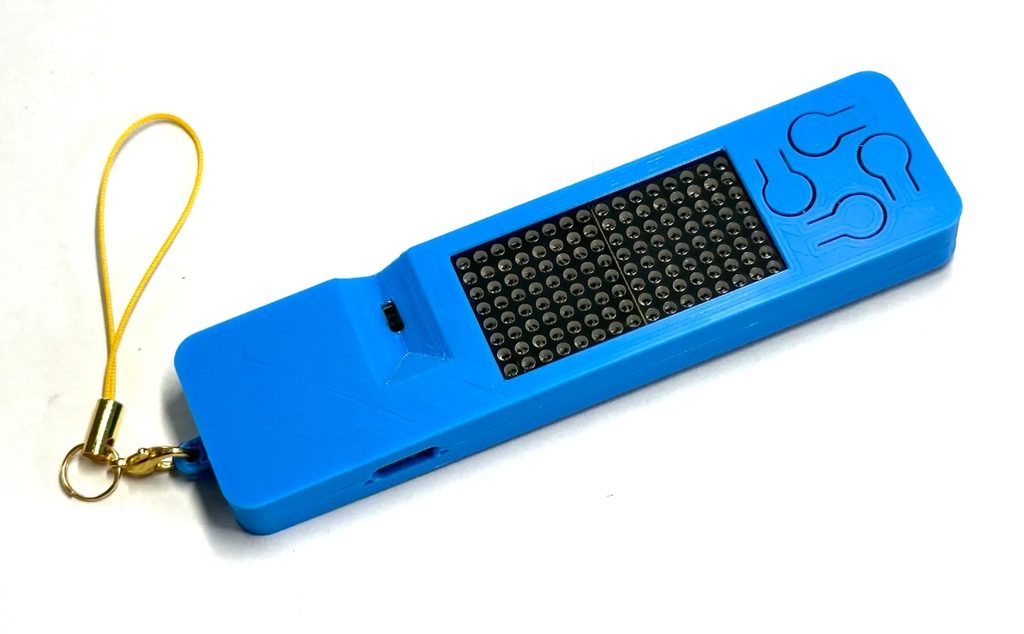
Dominoduino Go is an Arduino-compatible development board equipped with two dot-matrix LEDs. Its stated purpose is to help people learn programming.
The idea is straightforward: put a programmable board and a pair of visible output components in one learning platform. The board gives learners a way to work with code on Arduino-compatible hardware, while the dot-matrix LEDs provide a visual element alongside the programming process.
For newcomers, a small physical board can make programming feel less abstract: code is connected to an electronic object rather than remaining only on a screen. Dominoduino Go brings that learning approach into a compact piece of hardware, with two dot-matrix LEDs as part of the board’s design.
What visitors can do
The submitted application marks onsite demonstration as “No” for ikkei’s project. Visitors should therefore expect an explanation of the hardware and its intended use, rather than a promised live demonstration or hands-on session. They can learn how Dominoduino Go is designed for programming education and how the SDI-12 Gateway connects soil sensors with Raspberry Pi and other microcontroller platforms.
More Projects
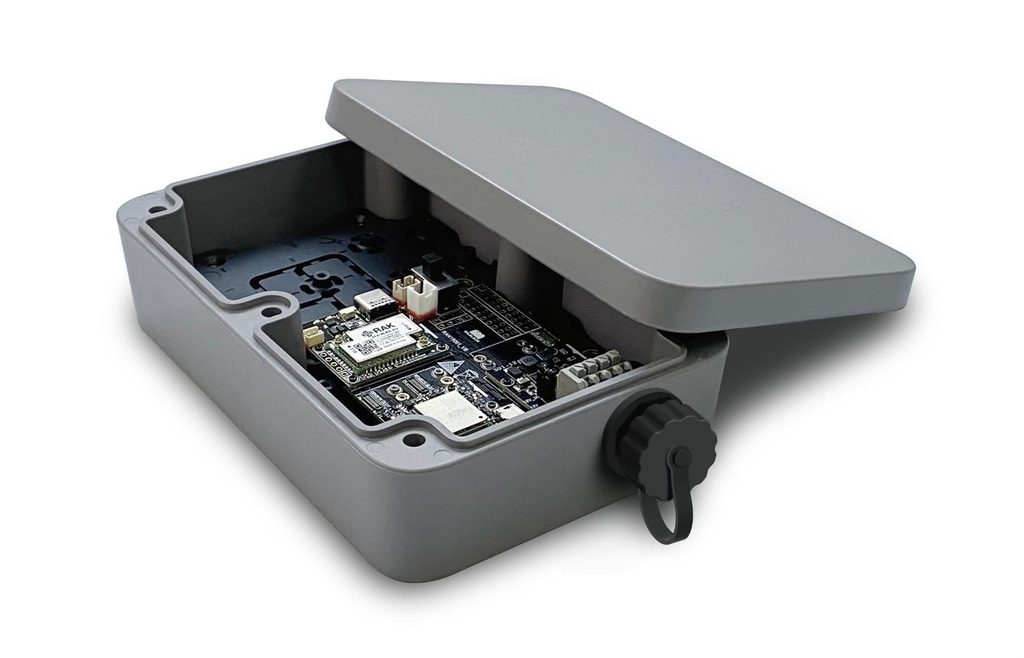
SDI-12 Gateway — an enclosed prototype with plug-in connectors that allows Raspberry Pi and other microcontrollers to read data from SDI-12 soil sensors through a standard 3.3V serial interface. It also includes sensor power switching.
Links

Over the past 13 years, the development trajectory of Maker Faire Shenzhen can be seen as a microcosm of the development of maker culture in China.
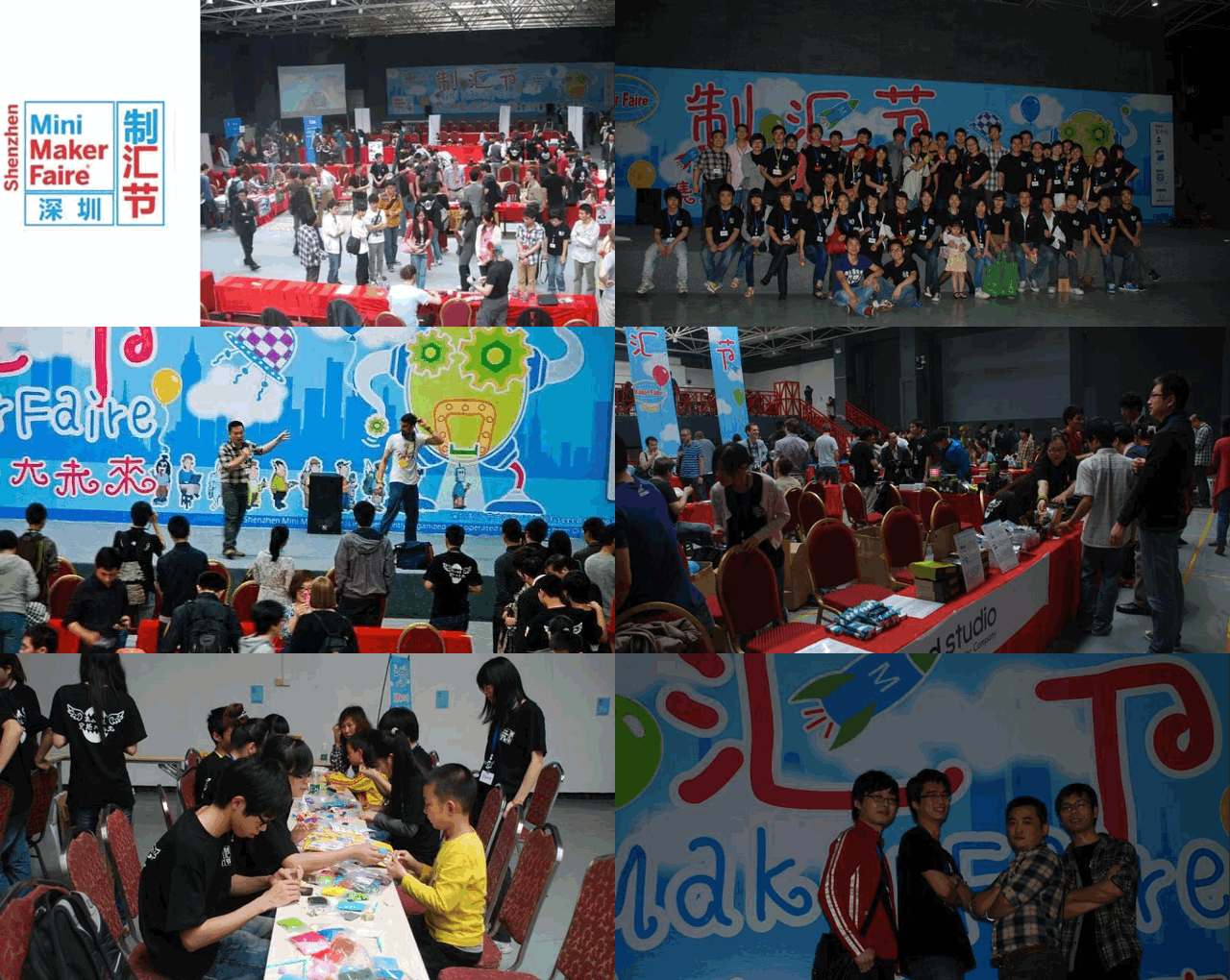
- 2012: “Gathering Small Wisdom, Journeying through the Great Future” – This was the first Mini Maker Faire in China, with less than 1000 attendees, and was more like a gathering within a small circle. But we saw the infinite possibilities emerging from the maker community.
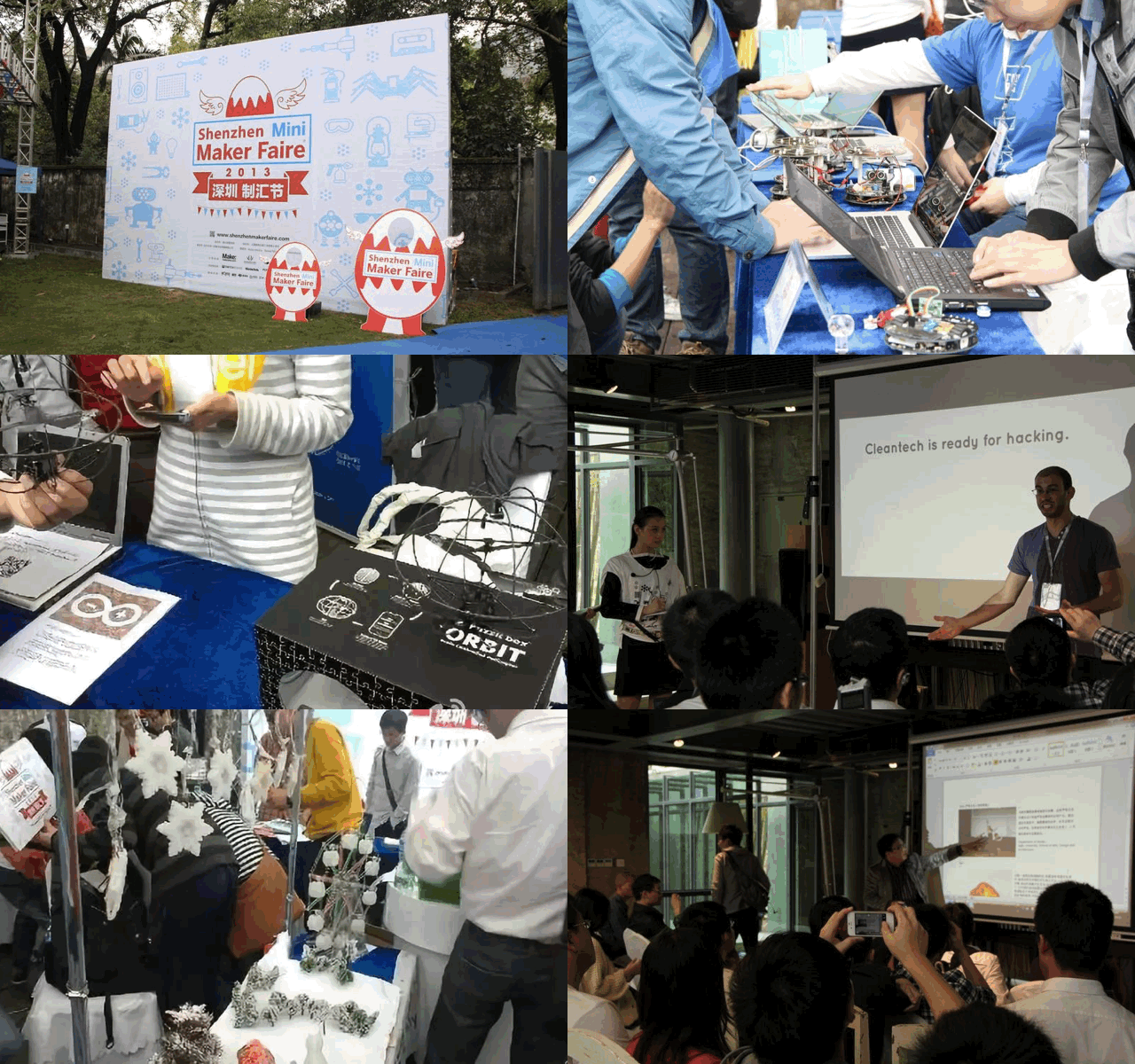
- 2013: The slogan was absent, and the maker community was still small. – In the OCT Creative Park, there were cross-disciplinary exchanges among different creative communities, silently laying the foundation for cultural output.
- 2014: “Innovate with China” – the event was upgraded to the Featured level for the first time, with a significant increase in scale compared to previous years, and the beginning of professional independent forums. This year, makers began to enter the public’s view.
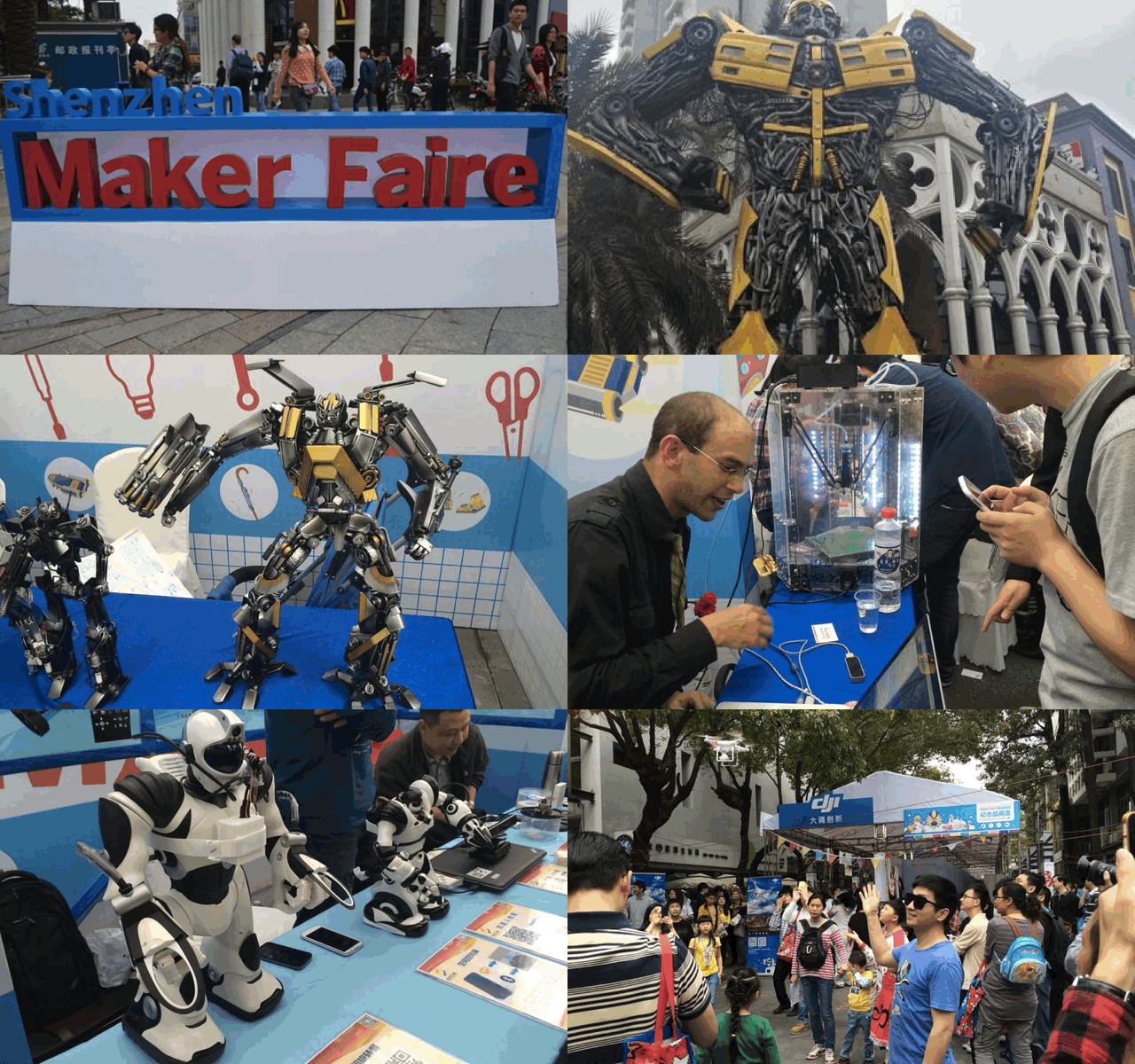
- 2015: “Everyone is a Maker, what are you waiting for?” – This year’s Shenzhen International Maker Week became one of the largest Maker Faires in the world. This year, the concept of “maker” was elevated to a national level, and the trend of “mass innovation, mass entrepreneurship” swept across the country.
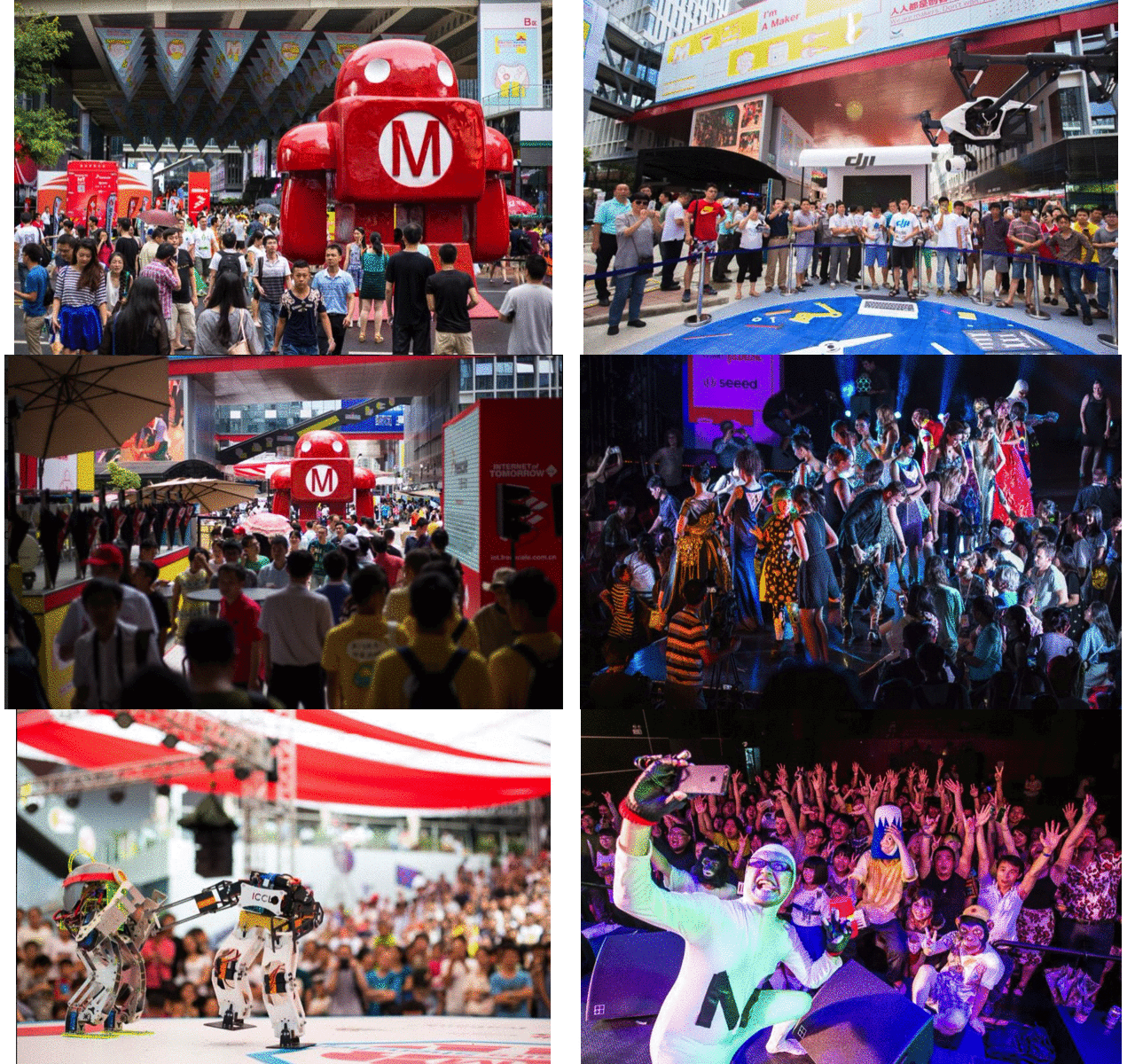
- 2016: “My World, My Creation” – As the sub-venue of the National Innovation and Entrepreneurship Week, the event was held for the first time in the commercial center area, experiencing unpredictable weather from typhoons to scorching heat. Many makers succeeded in your entrepreneurial endeavors this year, but it seemed like there were even more failures. The hype around entrepreneurship shifted towards rationality.
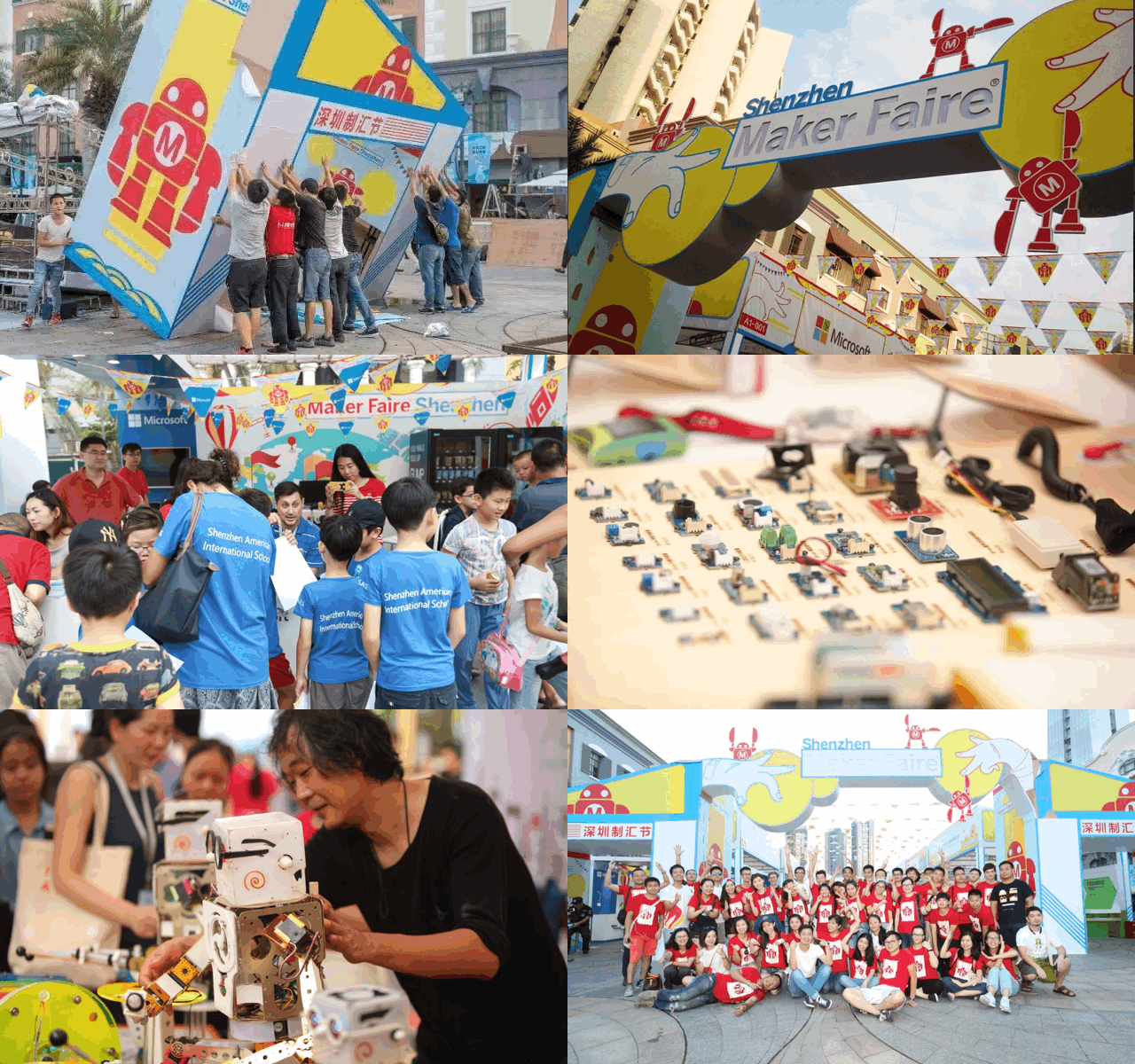
- 2017: “Makers, Go Pro” – The event took place at the university campus for the first time, focusing on Maker Pros and providing a platform for diverse innovators and makers to showcase themselves, presenting more possibilities for the growth path of makers to the entire community.
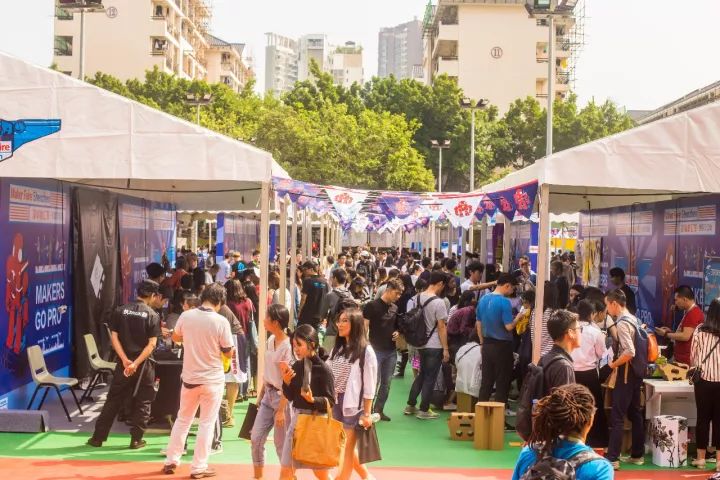
- 2018: “Co-making in the City” – The main venue of Shenzhen International Maker Week, where individuals and groups with shared visions and values gathered to showcase stories, projects, and explorations of collaboration among different communities and people.
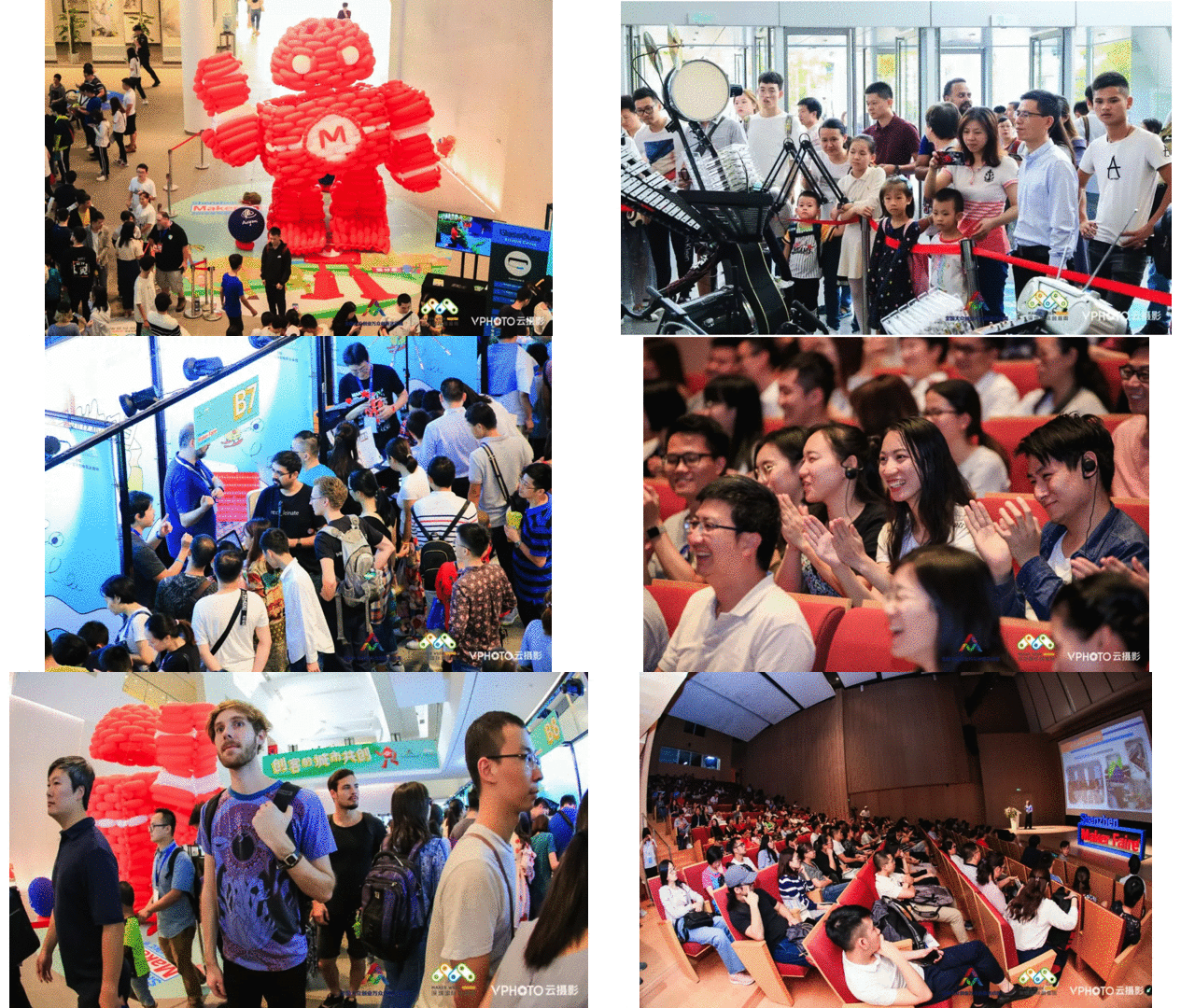
- 2019: ” To the Heart of Community, To the Cluster of Industry” – The event was upgraded to the Maker Faire Shenzhen, attempting to attract professional audiences and focusing on pragmatic aspects such as solving the needs of industrial upgrading and co-developin. It aims to build a platform for innovation and industry dialogue and collaboration.

- 2023: “Where Are The Makers?”– Starting from our own mission and values, we aim to explore the future direction of makers and theapossibilities for commercialization. Though this question does not have a definitive answer, we do hope that through this event, we can communicate and share with every one of you, finding more ideas and directions together.

- 2024: “Everything is AI” – This year, we brought together over 120 exhibitors from around the world, attracting nearly 1,500 professional attendees from nearly 20 countries and over 20 provinces across China. The exhibition showcased a wide range of AI application projects and hosted 10 AI hardware-themed satellite events, alongside various workshops.
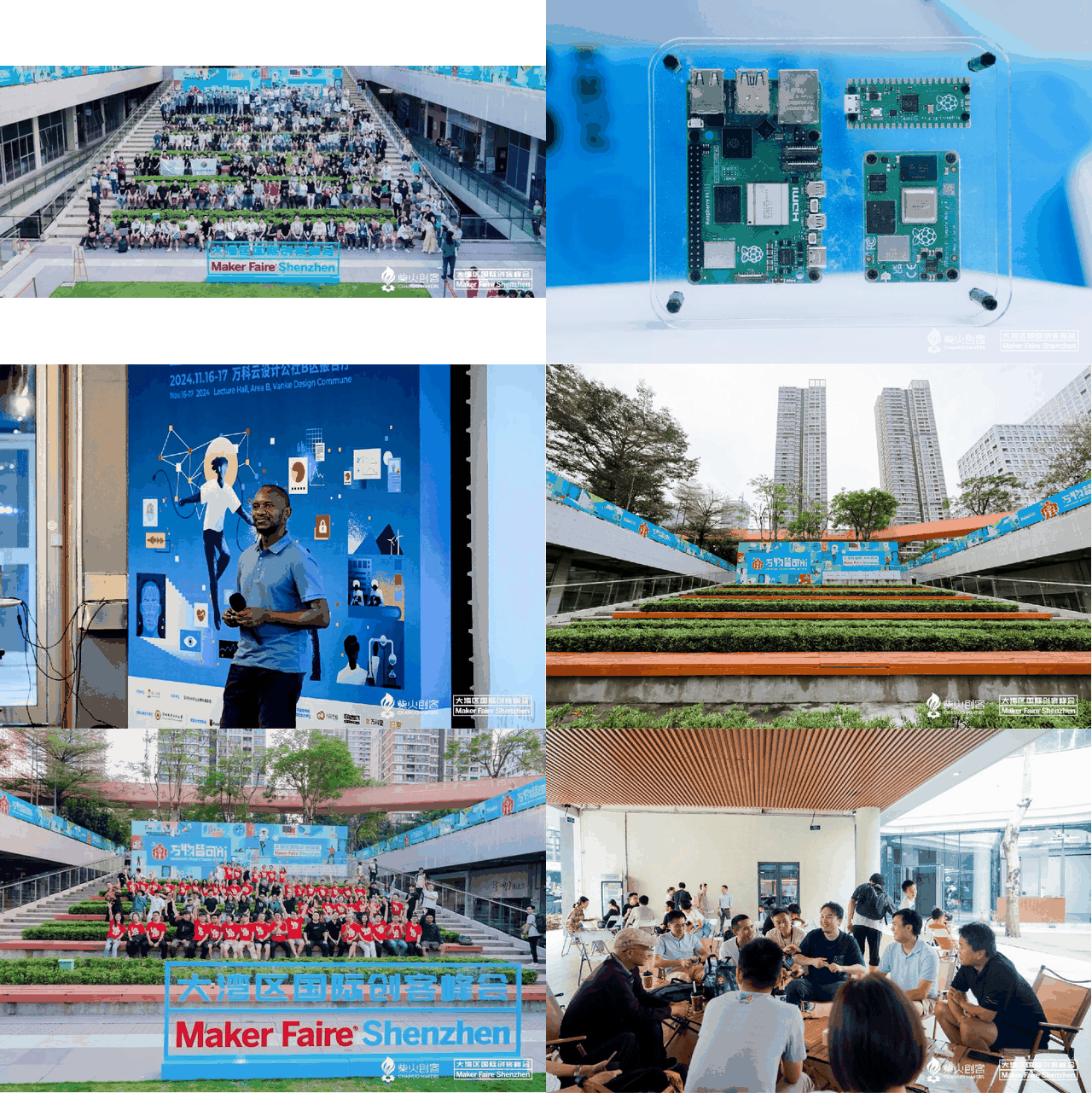
- 2025: “AI Without Boundaries, Everything Reimagined”The summit brought together nearly 100 international innovation ambassadors and showcased almost 1,000 AI hardware projects.Technology leaders, pioneering makers, industry experts, and university teams from more than 30 countries gathered to create an international innovation event combining frontier thinking, technical exchange, and cross-disciplinary collaboration.