Maker Faire Shenzhen 2025 is approaching, bringing together makers from around the world to showcase their latest innovations in Shenzhen.
At this maker extravaganza, Chai Sen—a maker from Wuhai, Inner Mongolia—will present the humanoid robot he developed with his students. This marks Chai Sen’s second appearance at Maker Faire. For him, it’s not merely an exhibition but a journey back to the essence of making.
From his workshop in Wuhai to the international stage in Shenzhen, the “Sea of Black Gold”—surrounded by the Yellow River and sand dunes—is also kindling the spark of maker spirit.
01. Start with 3D Printing
As a child, Chai Sen developed a keen interest in woodworking. He often studied woodworking and mechanical electronics by consulting books and searching online, and by middle school, he could already craft tables, chairs, and rocking horses on his own.
In 2000, Chai Sen enrolled at Xi’an Foreign Affairs University to study computer information management. Shortly after graduating in 2004, he developed an upgrade card for the then-popular Nokia 6600, integrating features like a camera and games. Upon learning of this, a Xi’an-based company partnered with him. Chai Sen produced over 200 cards, earning his first “100,000 yuan” in life.
Later, Chai worked in coal sales for the CHN Energy Group’s Wuhai Energy Transport and Marketing division, stationed in locations like Tanggu, Tianjin, and Baotou. Yet he never abandoned his passion for creation. In his spare time, he enjoyed tinkering with small inventions. To his family, however, it seemed like “pointless messing around.” His parents often urged him to focus on his job and stop “fooling around.”
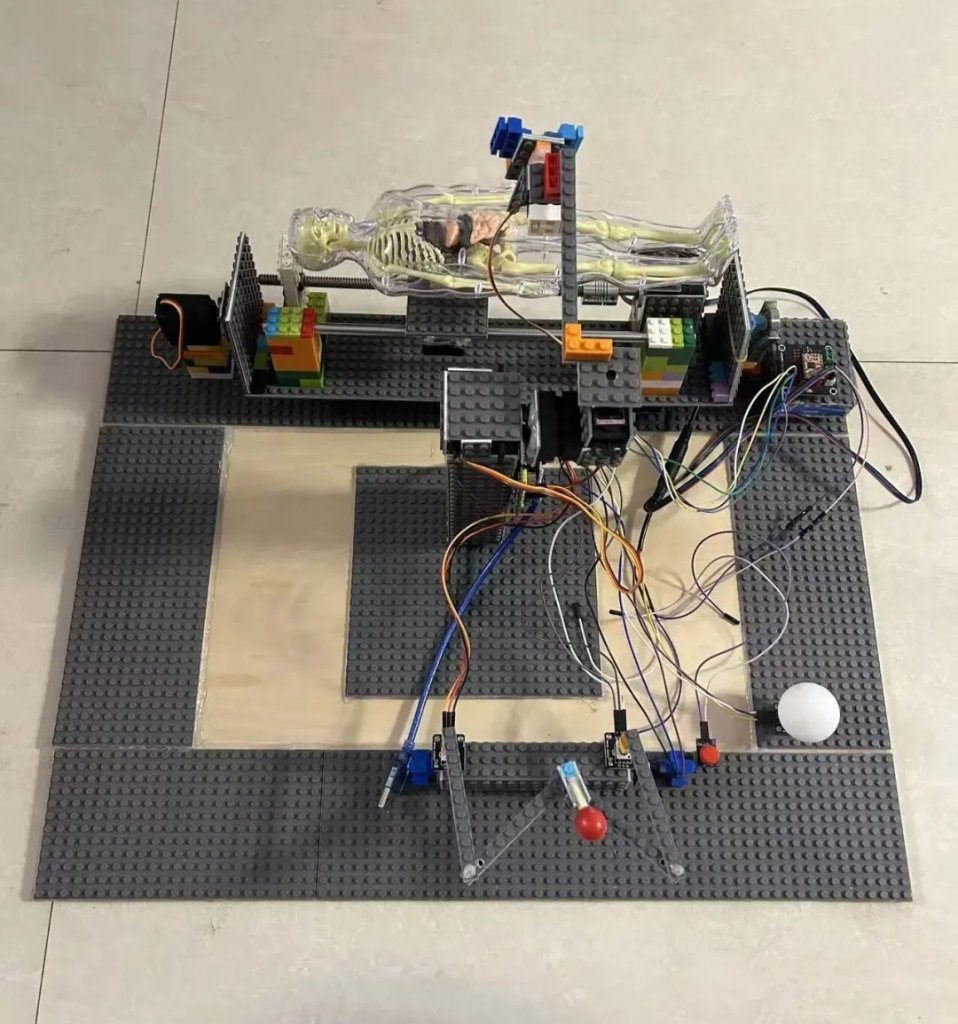
In 2016, Chai Sen assembled his own 3D printer, which sparked a deeper interest in electronic components and led him to explore open-source hardware. At that time, his company was encouraging employees to pursue entrepreneurial ventures. After careful consideration, Chai Sen decided to restart his creative journey in Wuhai.
In Wuhai, he gradually gained recognition among locals through his various small inventions. Parents began approaching him, hoping he could guide their children in creating science projects.
At that time, Chai Sen was using his 3D printer to build a quadruped robot, so he agreed to mentor the students in their attempts. Ultimately, the students achieved commendable results in competitions, leading to an increasing number of parents and students seeking him out for instruction.
02 From “Chaihuo” to “Yisen”
In 2019, Chai Sen learned about Chaihuo Maker Space online and signed up for a training event Chaihuo hosted in Shenzhen. It was his first time seeing so many maker projects in person and experiencing such a vibrant maker culture atmosphere.
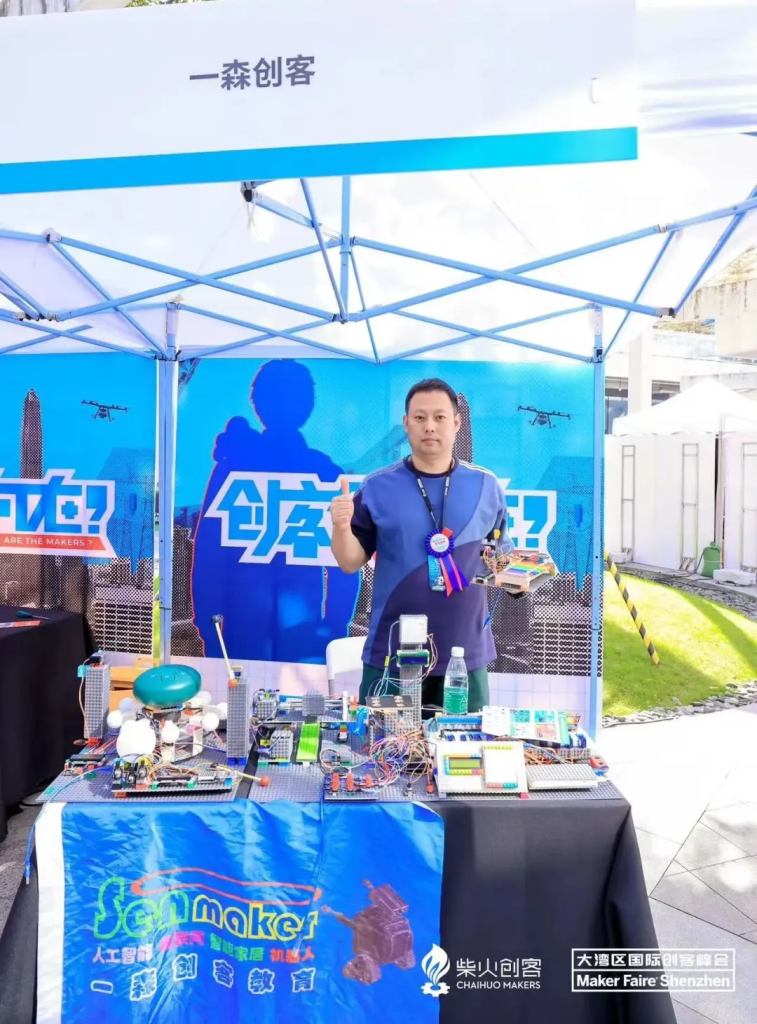
Wuhai is a small city with a permanent population of about 500,000, where the maker culture isn’t particularly vibrant. Previously, Chai Sen had only encountered a handful of makers through youth competitions. His trip to Shenzhen sparked a profound idea: Why couldn’t he establish a maker space in Wuhai, just like Chaihuo?
Upon returning, Chai Sen founded “Yien Maker.” The Wuhai municipal government provided a 70-square-meter office for them within the Youth Creative Park. Initially, Yisen Maker drew inspiration from Chaihuo Maker Space in terms of layout and activity content. However, Chai Sen soon realized that the maker cultures in Shenzhen and Wuhai differed greatly, making a direct replication impractical.
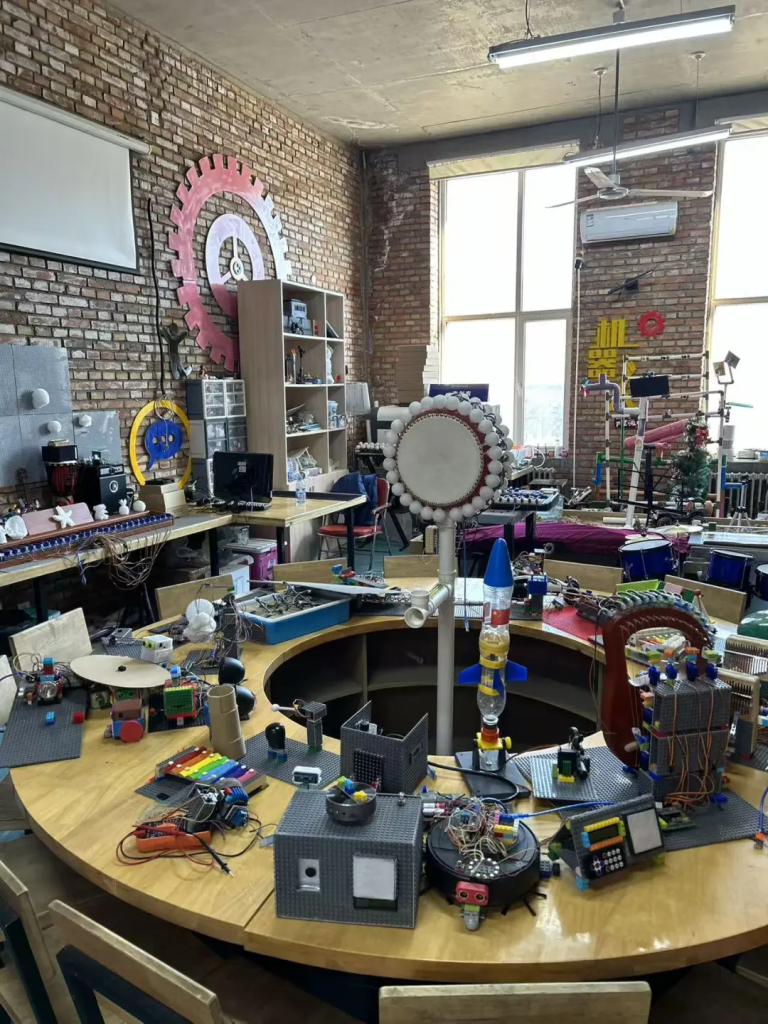
He began tailoring his approach to local needs, focusing on technology education for youth aged 5 to 18. Over the years, the studio relocated several times. Besides full-time founder Chai Sen, it now employs three or four part-time college student tutors. With a regular student body of about 30, the studio has trained over 100 young people and completed approximately 300 science and technology innovation projects.
Chai Sen’s design philosophy centers on making daily life more convenient through everyday innovations. During a visit with students to a disability support center, Chai observed significant barriers to reading and entertainment for the visually impaired. This inspired them to develop a smart device integrating Braille display, printing, voice output, and learning functions.
Additionally, the team has developed projects including a traffic robot demonstrating hand signals, a cocktail-mixing robot, a safety helmet with voice prompts and adjustable lighting, and a badminton ball machine.
Leveraging open-source hardware, Yisen Maker has also partnered with smart home, smart agriculture, and smart energy companies to explore solutions. As projects multiplied, his family’s attitude shifted. “They gradually came to see the meaningfulness of this work,” Chai Sen remarked.
03 Dream Big with Minimal Cost
In May 2023, at the Inner Mongolia finals of the 37th National Youth Science and Technology Innovation Achievement Competition, two projects from Wuhai City won first prizes at the autonomous region level, both originating from Yisen Maker. Other participating students from Yisen Maker also secured multiple provincial awards.
This filled Chai Sen with a profound sense of accomplishment. After eight years in STEAM education, he decided to curate 36 premium projects into the “Children’s Science” curriculum, empowering youth to master interdisciplinary knowledge in physics, electronics, programming, and mechanics through hands-on practice. The curriculum encompasses projects like robotic dogs, five-axis robotic arms, smart moon lamps, magneto-fluid speakers, and intelligent claw machines.
Chai Sen developed most of these courses single-handedly. Though he now has almost no holidays, he remains full of energy: “I feel incredibly happy whenever I can create. I just love it too much.”
He has a broader vision: over the next three years, he aims to expand Yisen Maker’s model to other cities, including Chengdu, Chongqing, and cities within the Greater Bay Area.
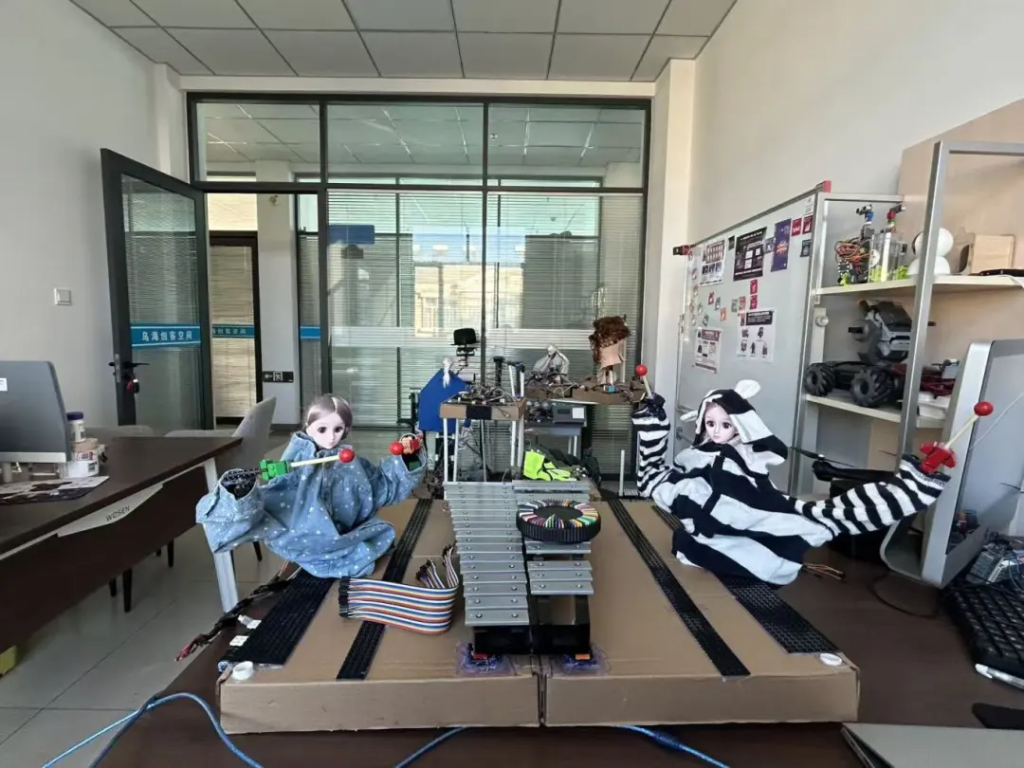
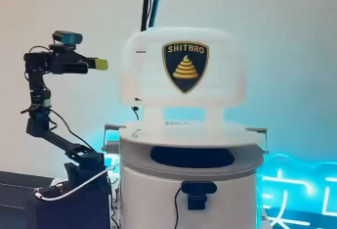
Currently, Chai Sen is planning to establish an “Artificial Intelligence and Humanoid Robot Innovation Center” in Wuhai. The center will showcase the studio’s robots and innovative projects while featuring interactive visitor experience zones. To this end, he has recently focused on two projects: intelligent general-purpose humanoid robots and intelligent expression robots.
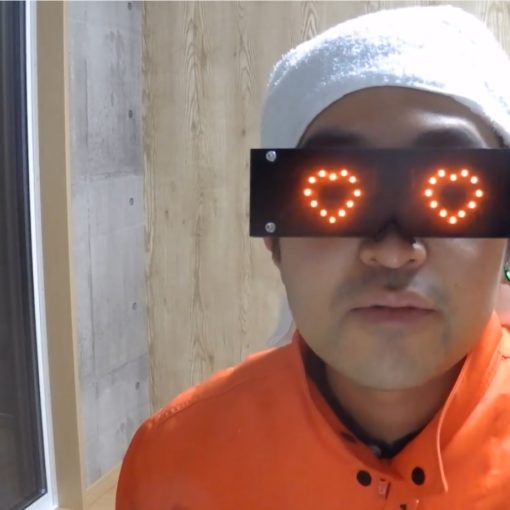
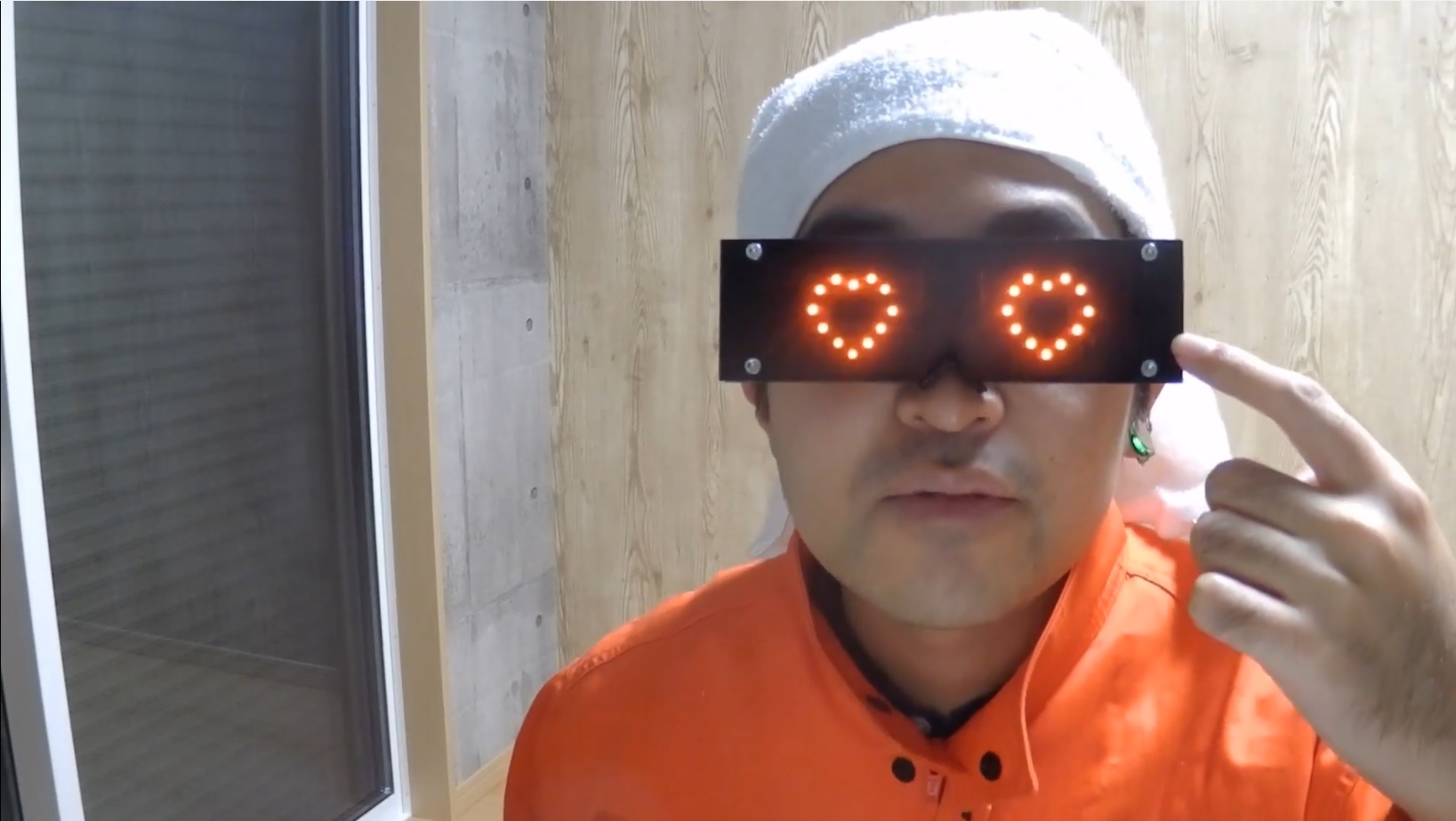
The former utilizes open-source hardware to enable robots for diverse applications across households, education, and entertainment—such as directing traffic, performing music, dancing, writing, and sorting tasks. The intelligent expression robot, controlled via a “joystick + buttons + knob” interface, enables its facial expressions to convey over a hundred emotions including happiness, anger, and playfulness. It also delivers health reminders and monitors air quality.
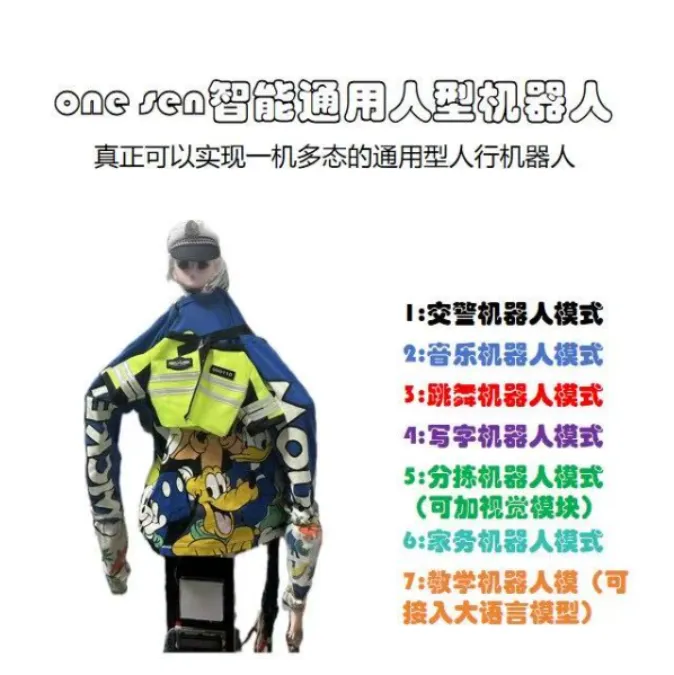
Intelligent General-Purpose Humanoid Robots
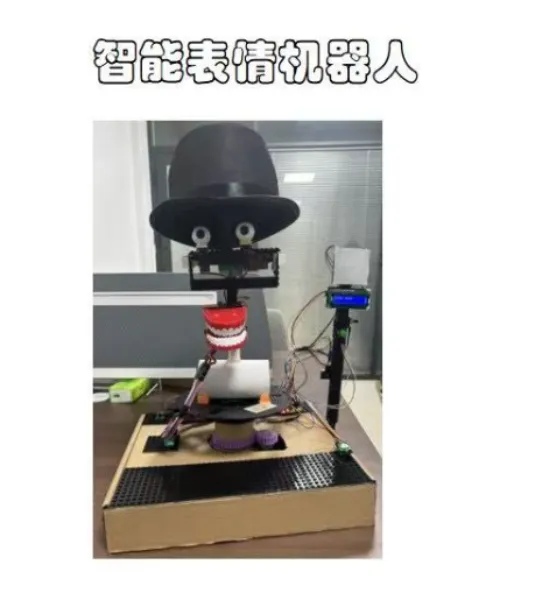
Intelligent Expression Robots
Each robot costs less than a thousand yuan, yet delivers functionality worth tens of thousands,“ explained Chai Sen. ”I aim to build the most diverse robot ecosystem at the lowest possible cost, making robots increasingly simple and closer to reality.”
These projects will also be showcased at Maker Faire Shenzhen 2025. After attending his first Maker Faire event in 2023, Chai Sen set his profile picture to a group photo from that occasion.
This year, he hopes to see more creative AI-robot integrations and raise awareness about makers from Wuhai.
For Chai Sen, the journey of a maker begins not with timing or location, but with an unwavering passion. The spirit of creation can sprout amidst Wuhai’s yellow sands or be reignited on any ordinary afternoon.

Scan or Click here to Register

Exhibition Tips
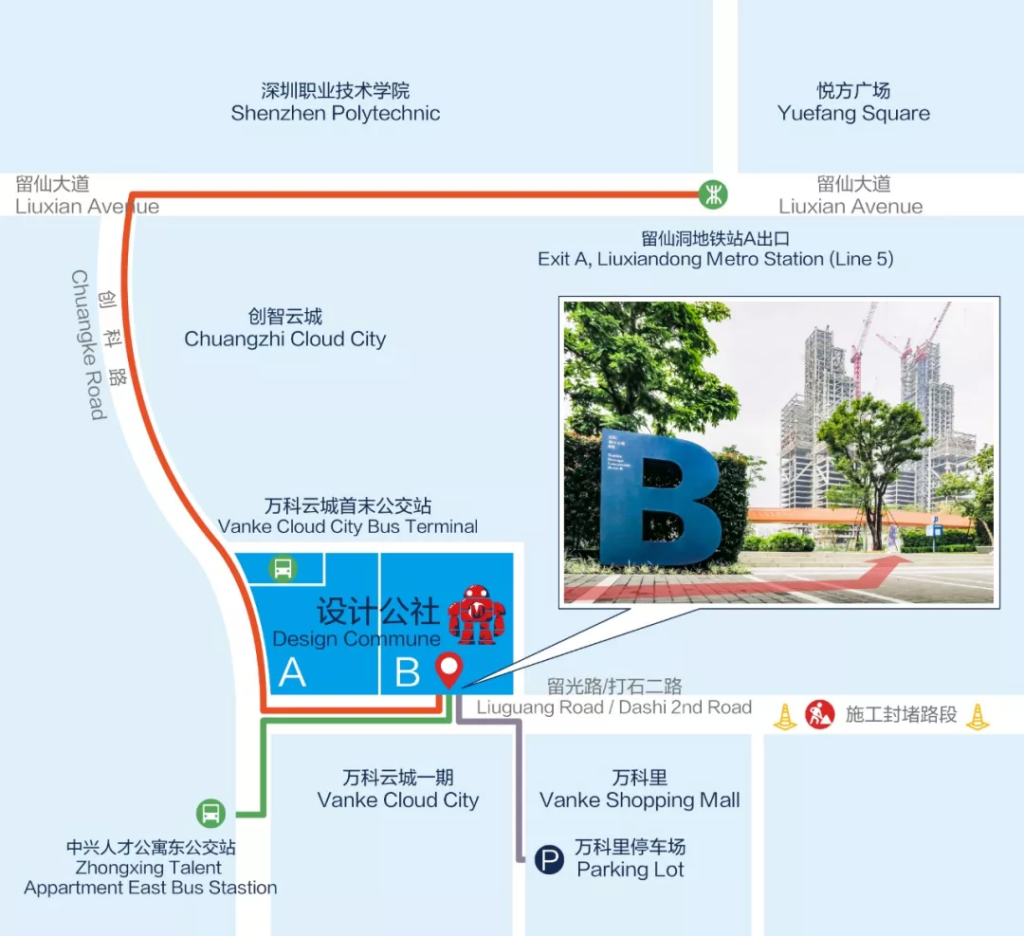
November 15-16, Vanke Design Commune, Nanshan, Shenzhen
Take Metro Line 5 to Liuxiandong Station, exit via Exit A, walk straight, then turn left to arrive.
Nearby bus stops: Zhongxing Talent Apartments East and Vanke Cloud City.
Go green, save energy, and join us for a sustainable journey!

Over the past 12 years, the development trajectory of Maker Faire Shenzhen can be seen as a microcosm of the development of maker culture in China.
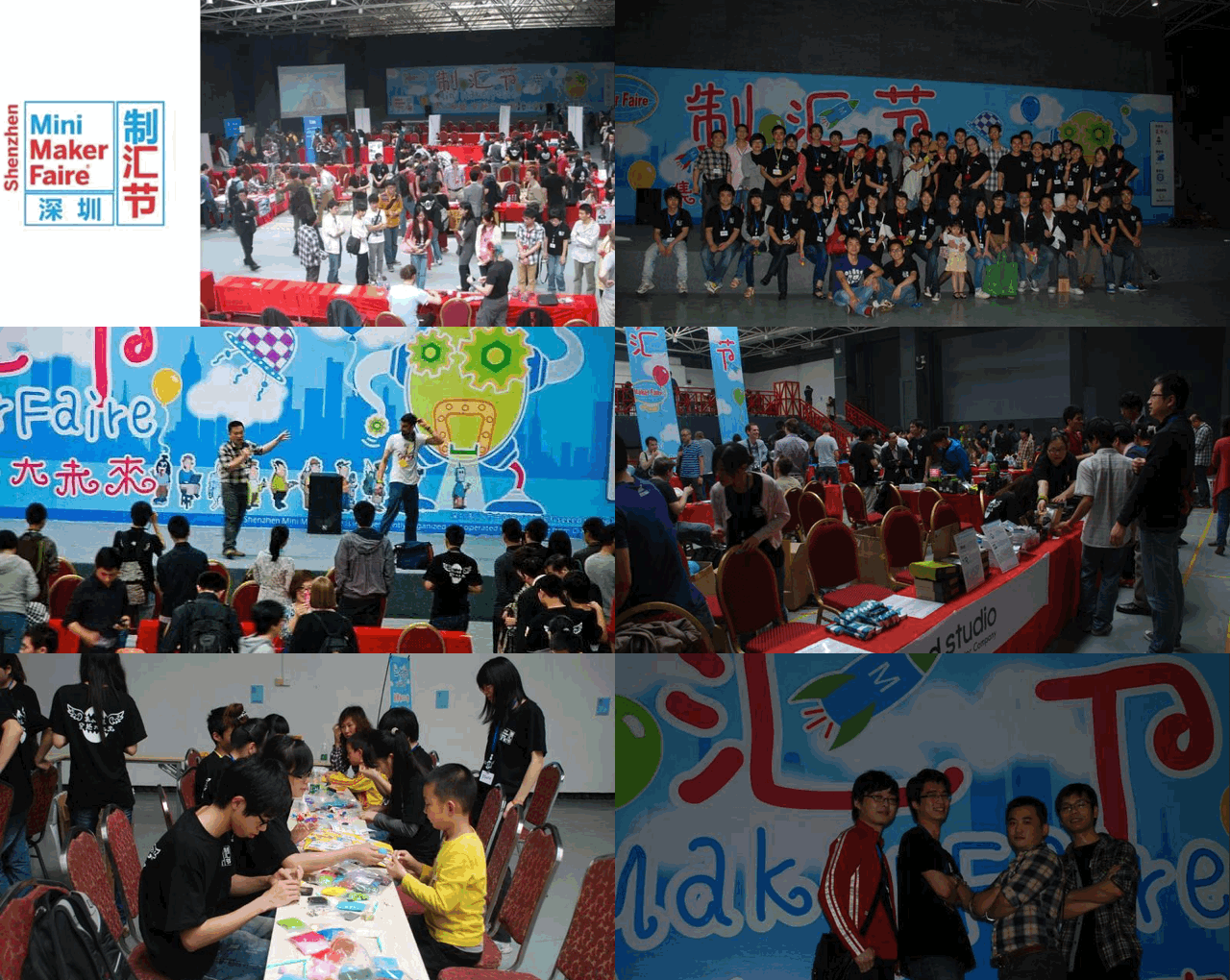
- 2012: “Gathering Small Wisdom, Journeying through the Great Future” – This was the first Mini Maker Faire in China, with less than 1000 attendees, and was more like a gathering within a small circle. But we saw the infinite possibilities emerging from the maker community.
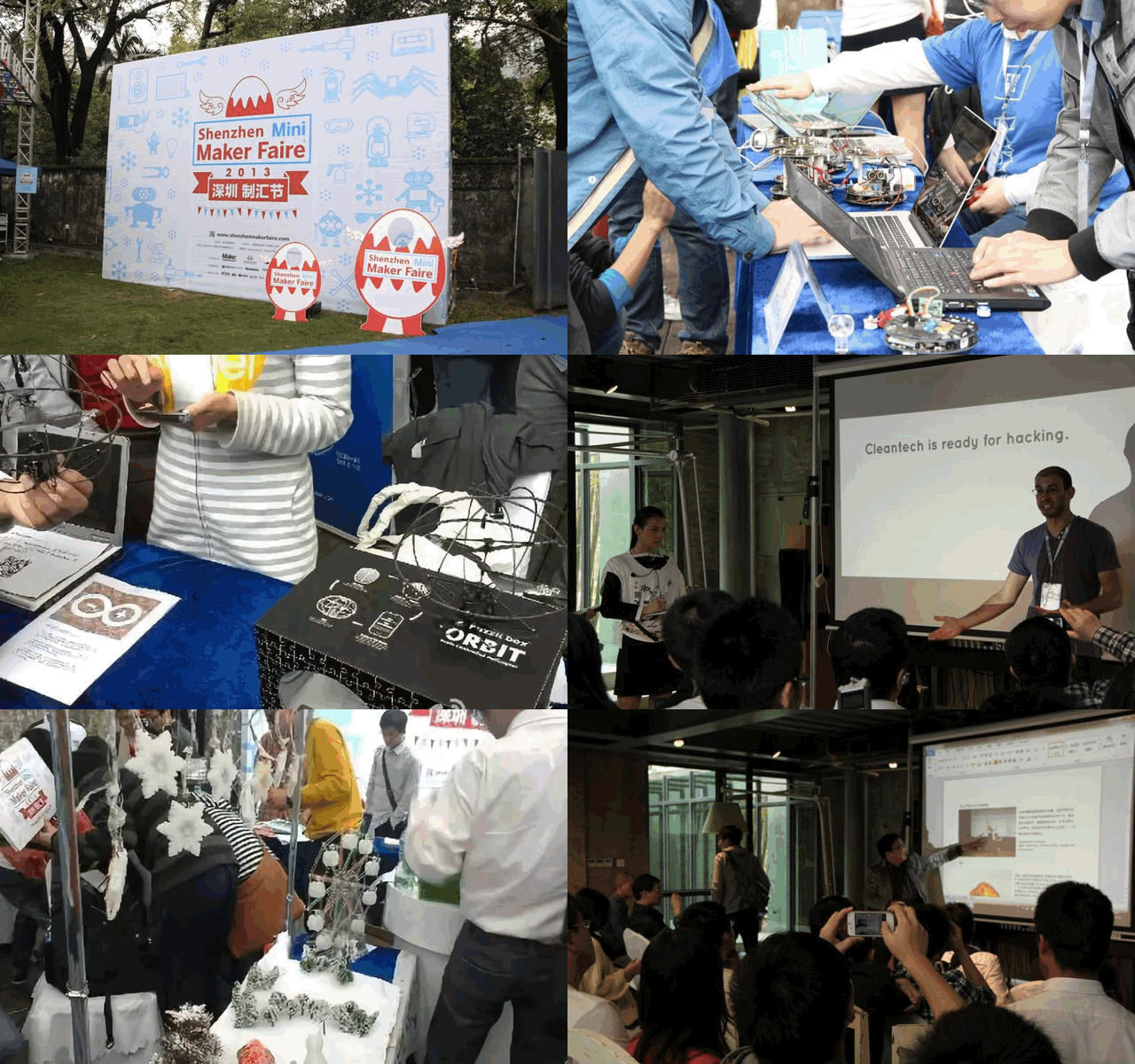
- 2013: The slogan was absent, and the maker community was still small. – In the OCT Creative Park, there were cross-disciplinary exchanges among different creative communities, silently laying the foundation for cultural output.
- 2014: “Innovate with China” – the event was upgraded to the Featured level for the first time, with a significant increase in scale compared to previous years, and the beginning of professional independent forums. This year, makers began to enter the public’s view.
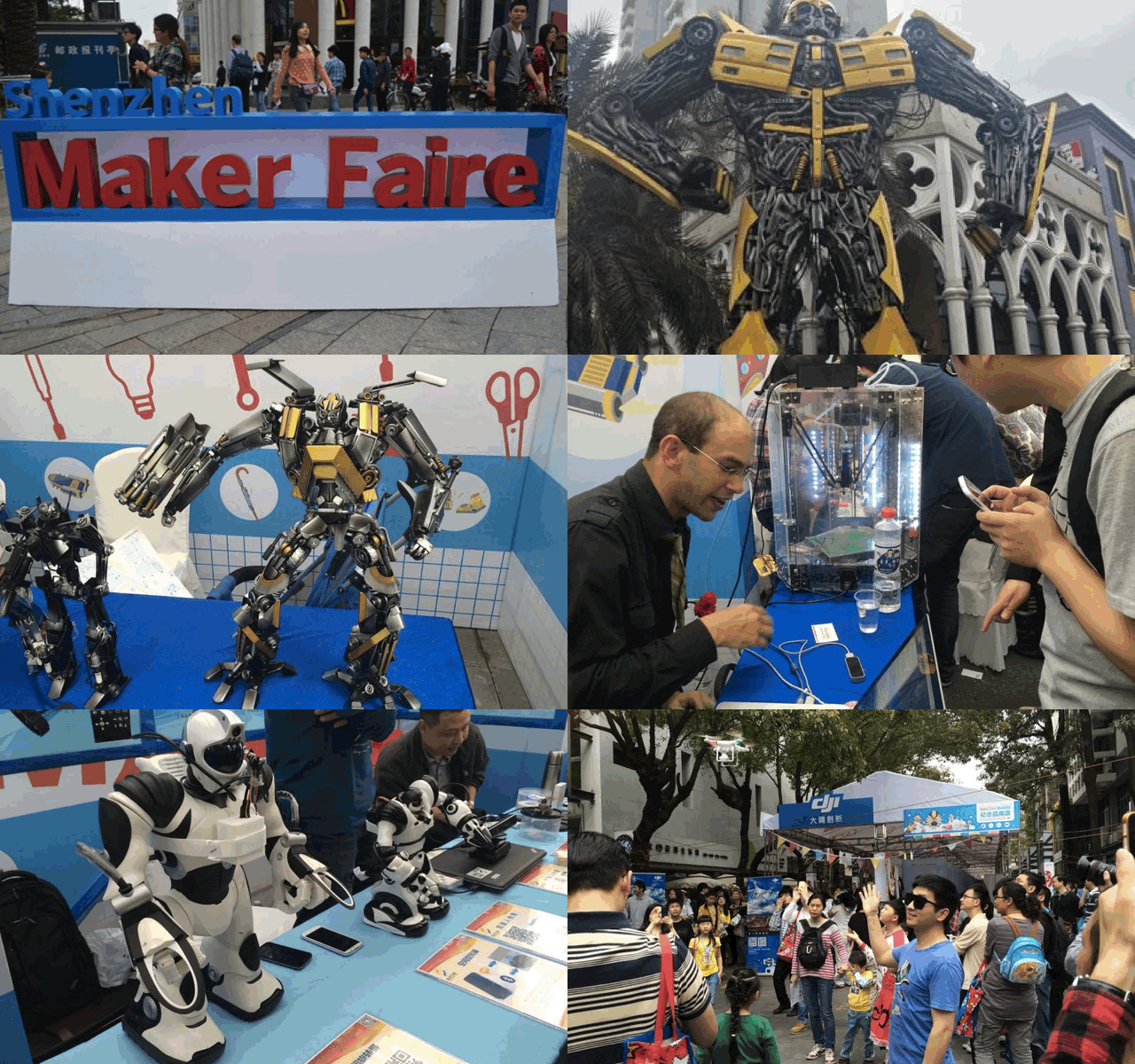
- 2015: “Everyone is a Maker, what are you waiting for?” – This year’s Shenzhen International Maker Week became one of the largest Maker Faires in the world. This year, the concept of “maker” was elevated to a national level, and the trend of “mass innovation, mass entrepreneurship” swept across the country.
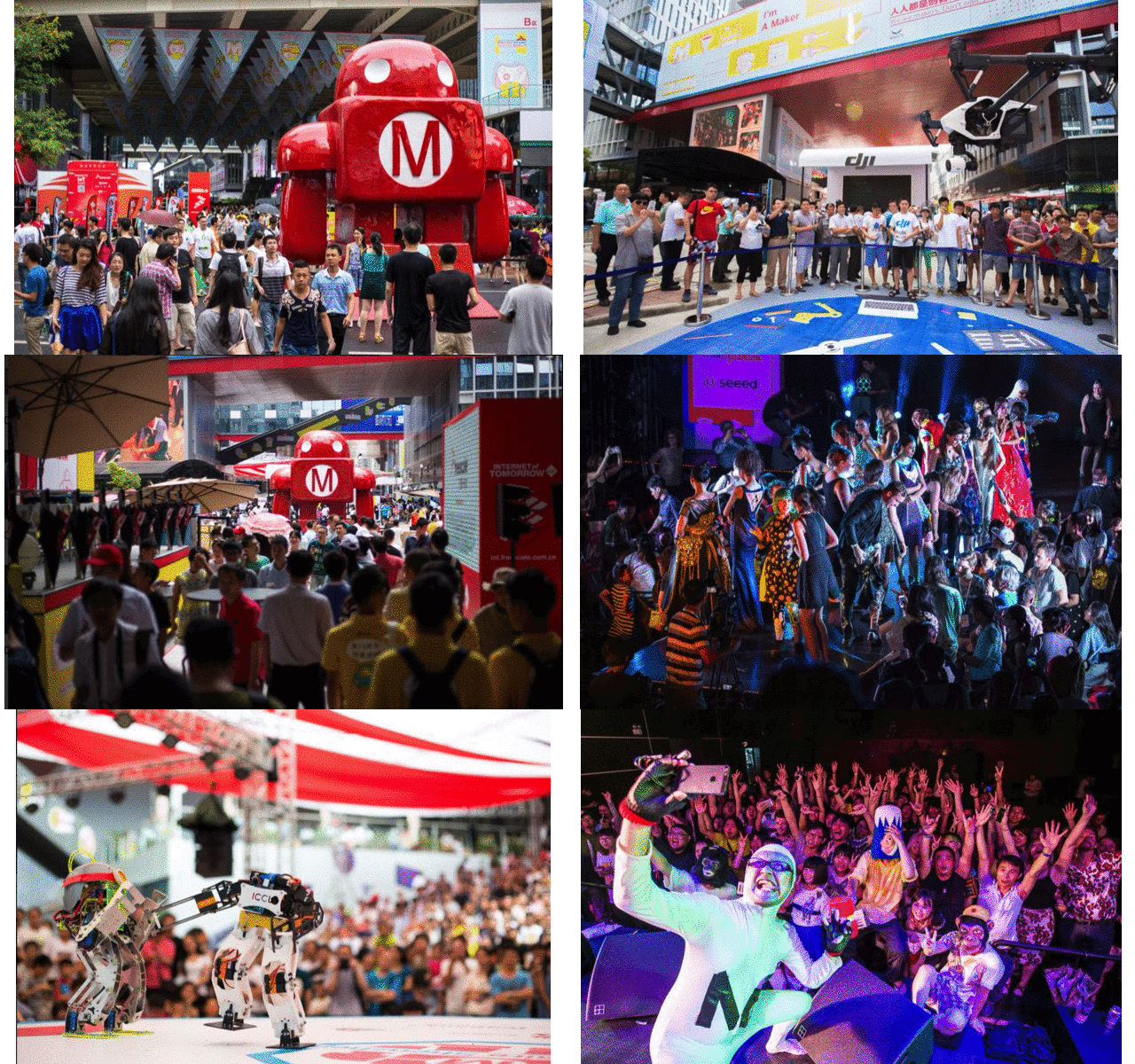
- 2016: “My World, My Creation” – As the sub-venue of the National Innovation and Entrepreneurship Week, the event was held for the first time in the commercial center area, experiencing unpredictable weather from typhoons to scorching heat. Many makers succeeded in your entrepreneurial endeavors this year, but it seemed like there were even more failures. The hype around entrepreneurship shifted towards rationality.
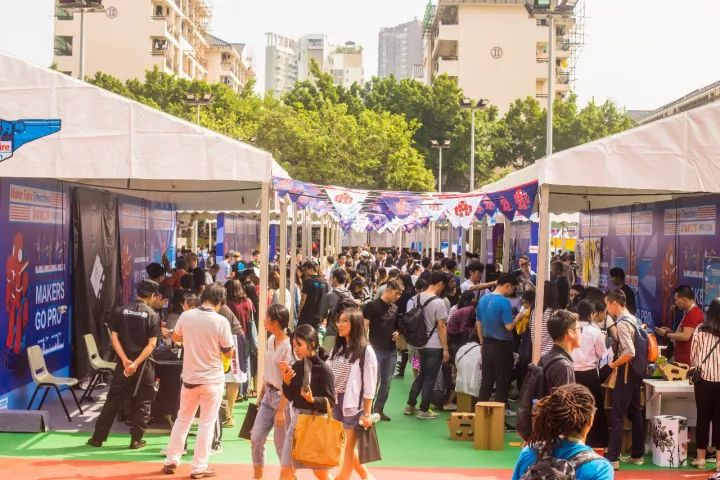
- 2017: “Makers, Go Pro” – The event took place at the university campus for the first time, focusing on Maker Pros and providing a platform for diverse innovators and makers to showcase themselves, presenting more possibilities for the growth path of makers to the entire community.
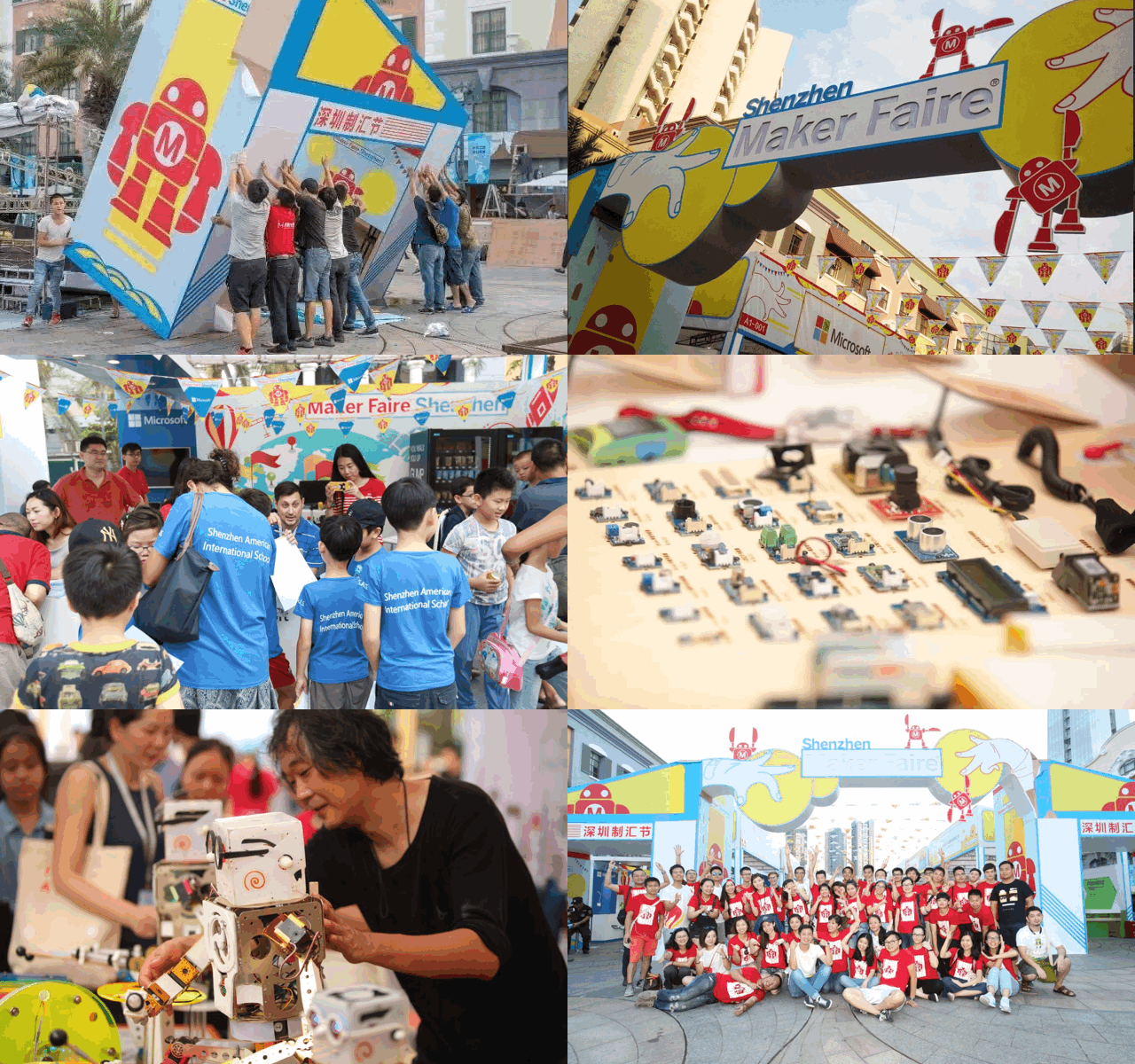
- 2018: “Co-making in the City” – The main venue of Shenzhen International Maker Week, where individuals and groups with shared visions and values gathered to showcase stories, projects, and explorations of collaboration among different communities and people.
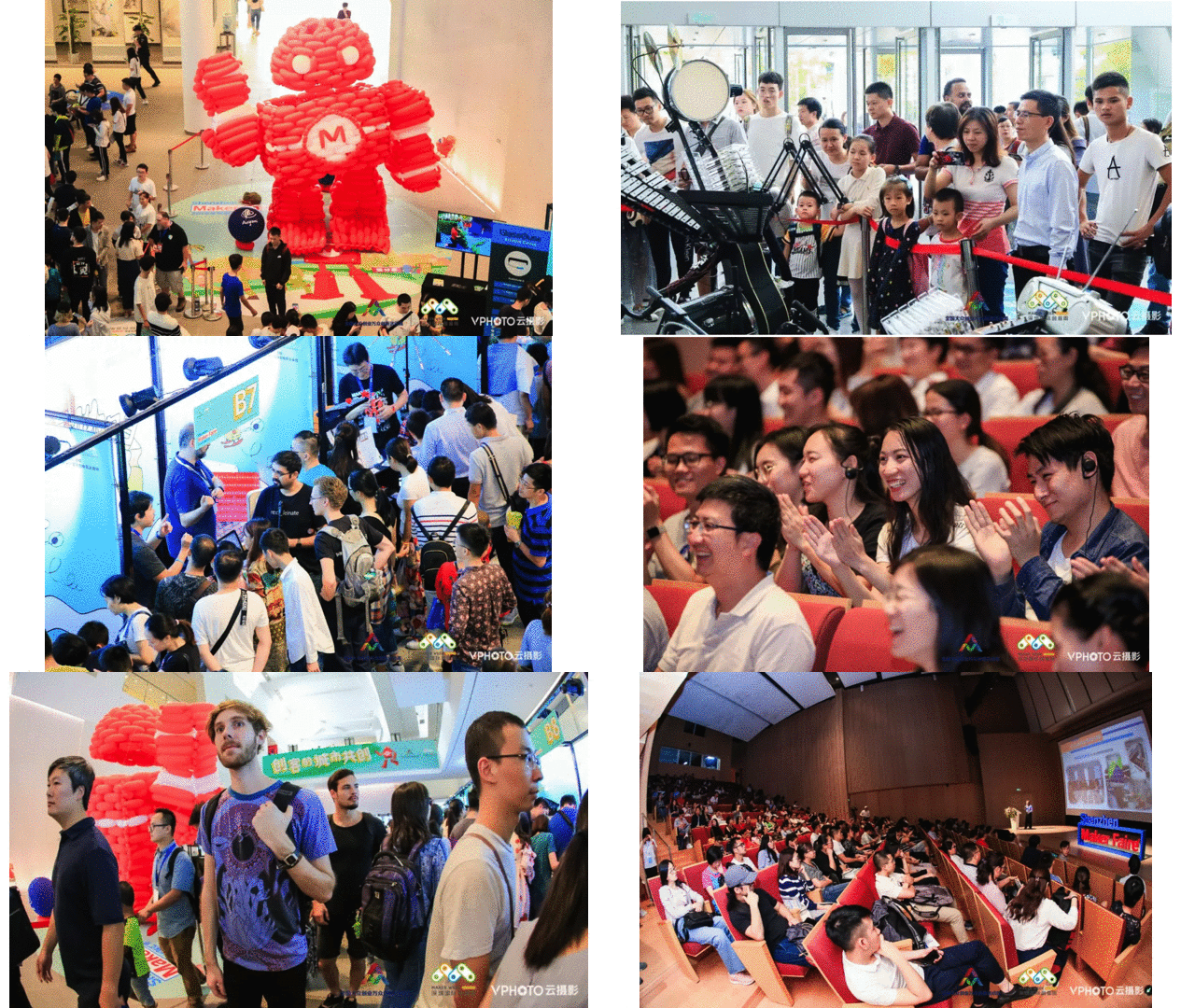
- 2019: ” To the Heart of Community, To the Cluster of Industry” – The event was upgraded to the Maker Faire Shenzhen, attempting to attract professional audiences and focusing on pragmatic aspects such as solving the needs of industrial upgrading and co-developin. It aims to build a platform for innovation and industry dialogue and collaboration.

- 2023: “Where Are The Makers?”– Starting from our own mission and values, we aim to explore the future direction of makers and the possibilities for commercialization. Though this question does not have a definitive answer, we do hope that through this event, we can communicate and share with every one of you, finding more ideas and directions together.

2024: “Everything is AI” – This year, we brought together over 120 exhibitors from around the world, attracting nearly 1,500 professional attendees from nearly 20 countries and over 20 provinces across China. The exhibition showcased a wide range of AI application projects and hosted 10 AI hardware-themed satellite event