What if a light accessory could become a small programming project? Or a game created on a computer could be played on a handheld console and shared with friends?
Projou. explores these ideas through creative electronics and programming, turning code into things people can wear, play with, and share.

Who they are
Projou. is the work of an electronics engineer based in Japan who develops hardware projects that bring together electronics, programming, and creativity.
The maker’s work focuses on making technology more approachable through creative projects. Rather than keeping programming on a screen, these projects connect digital ideas with physical objects—giving people something they can see, wear, and interact with.
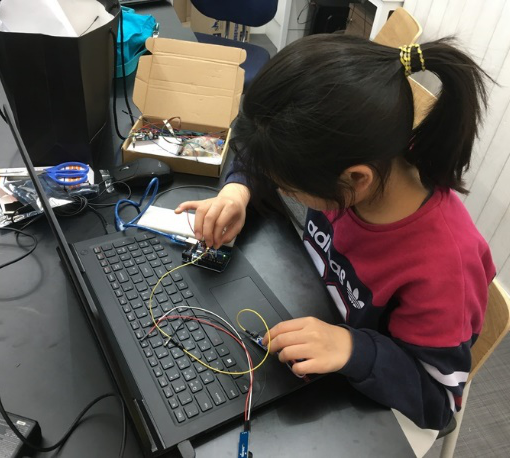
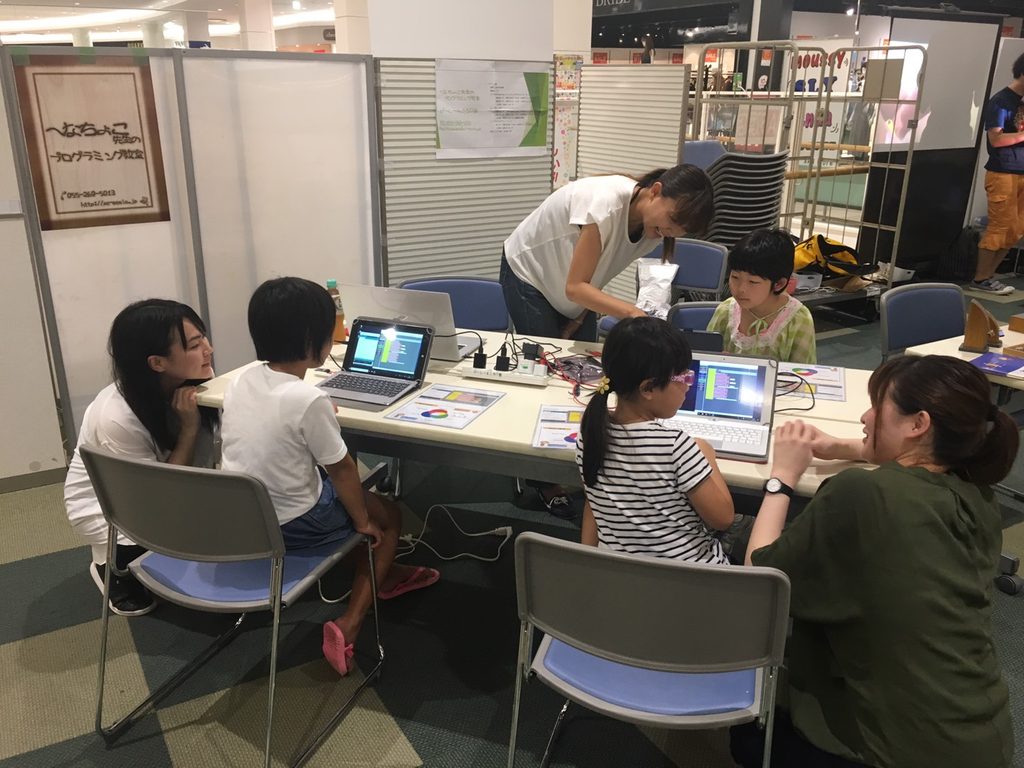
The maker has also held hands-on workshops where participants program LED lighting patterns and make their own illuminated accessories. These activities bring creative coding into a practical setting, allowing participants to explore both the programming and the making process.
The projects
Projou. showcases two projects that offer different ways to explore creative programming.
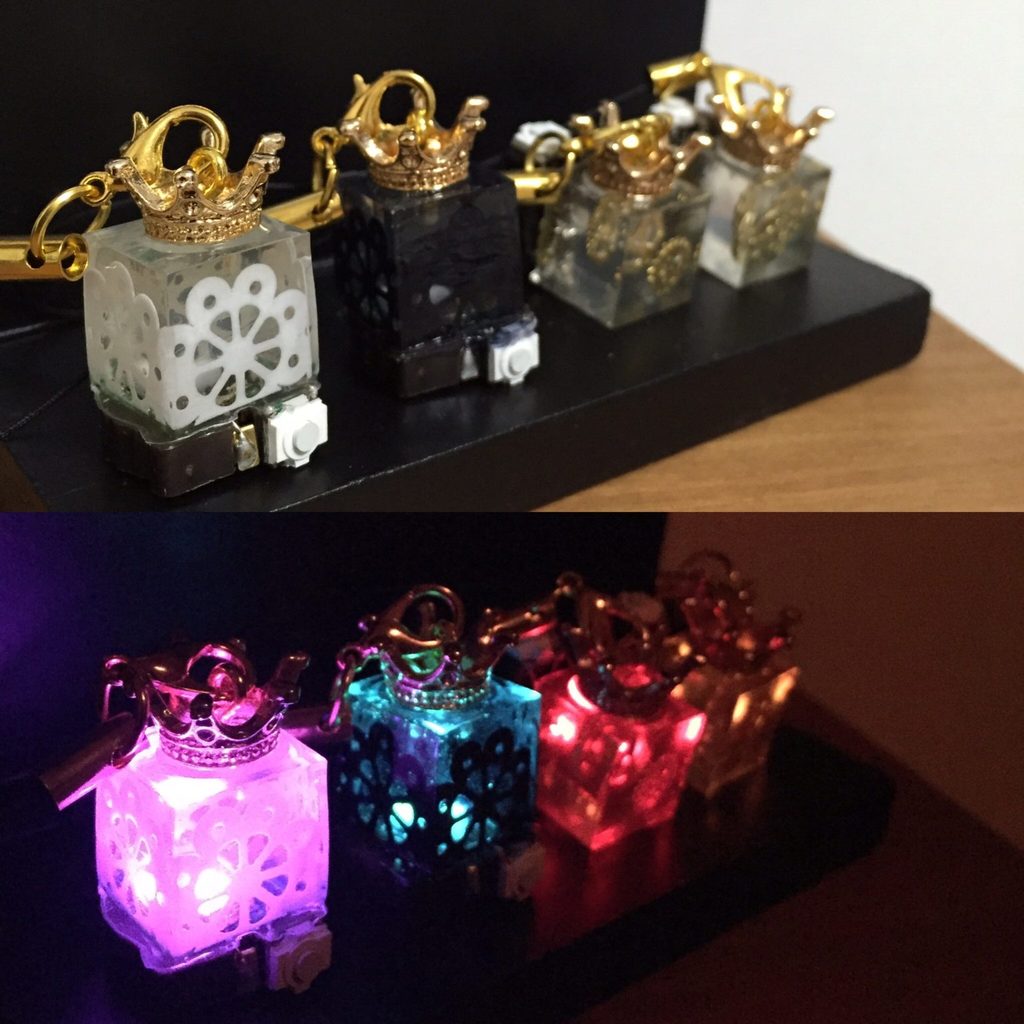
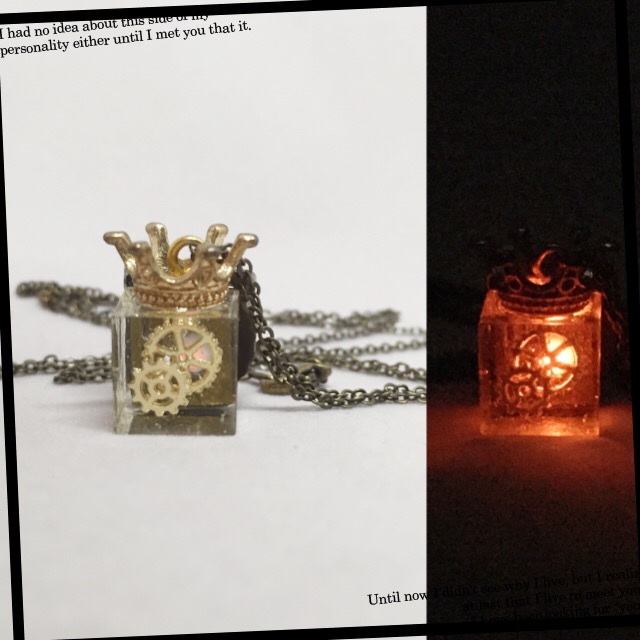
The first is a series of programmable LED accessories powered by rechargeable batteries. These wearable creations combine lighting, electronics, and code. Their appeal lies in the connection between programming and personal expression: code does not just produce an output on a screen; it can shape something people wear.
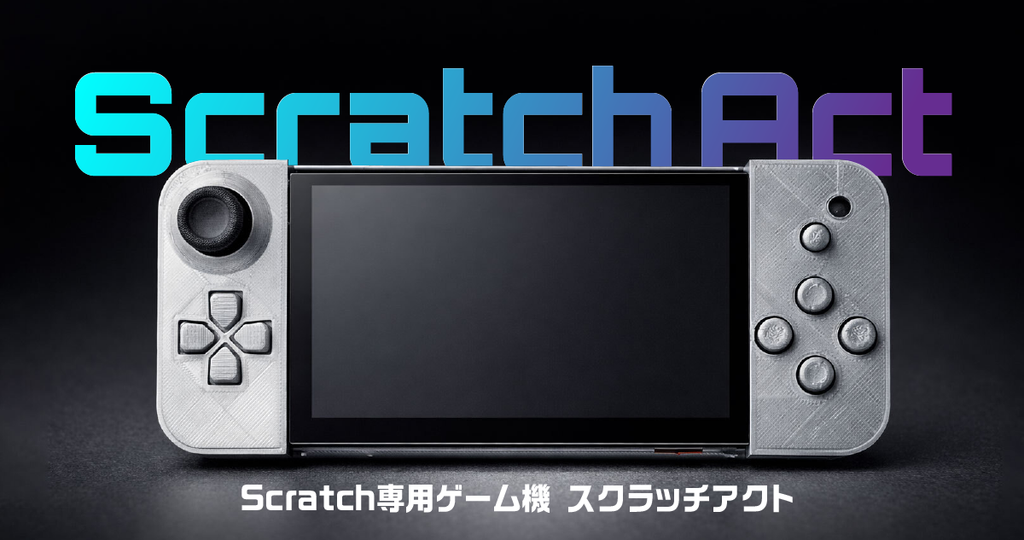
The second project is ScratchAct, a handheld game console designed for children. It lets them play games they have created with Scratch without needing a PC. Games made on a computer become experiences that can be played on a physical device and shared with family and friends.
ScratchAct creates a bridge between learning to code and enjoying the results. Children can move beyond making a game on screen and experience it as something they can hold and play. It also gives them a way to share what they have created with others.
Together, the two projects show how creative programming can take different forms—from wearable light to handheld games. Both start with an idea and use electronics and code to bring it into the physical world.
What visitors can do
At Maker Faire Shenzhen 2026, visitors can see Projou.’s projects through live demonstrations. They can explore the programmable LED accessories and discover how ScratchAct brings games created with Scratch onto a handheld console.
The projects offer a look at how programming can become part of everyday creative activities. Whether it is designing a lighting effect or making a game that friends and family can play, the experience starts with an idea—and grows through making.
More projects
- ScratchAct: A handheld game console that lets children play and share their own Scratch creations without a PC.
Links
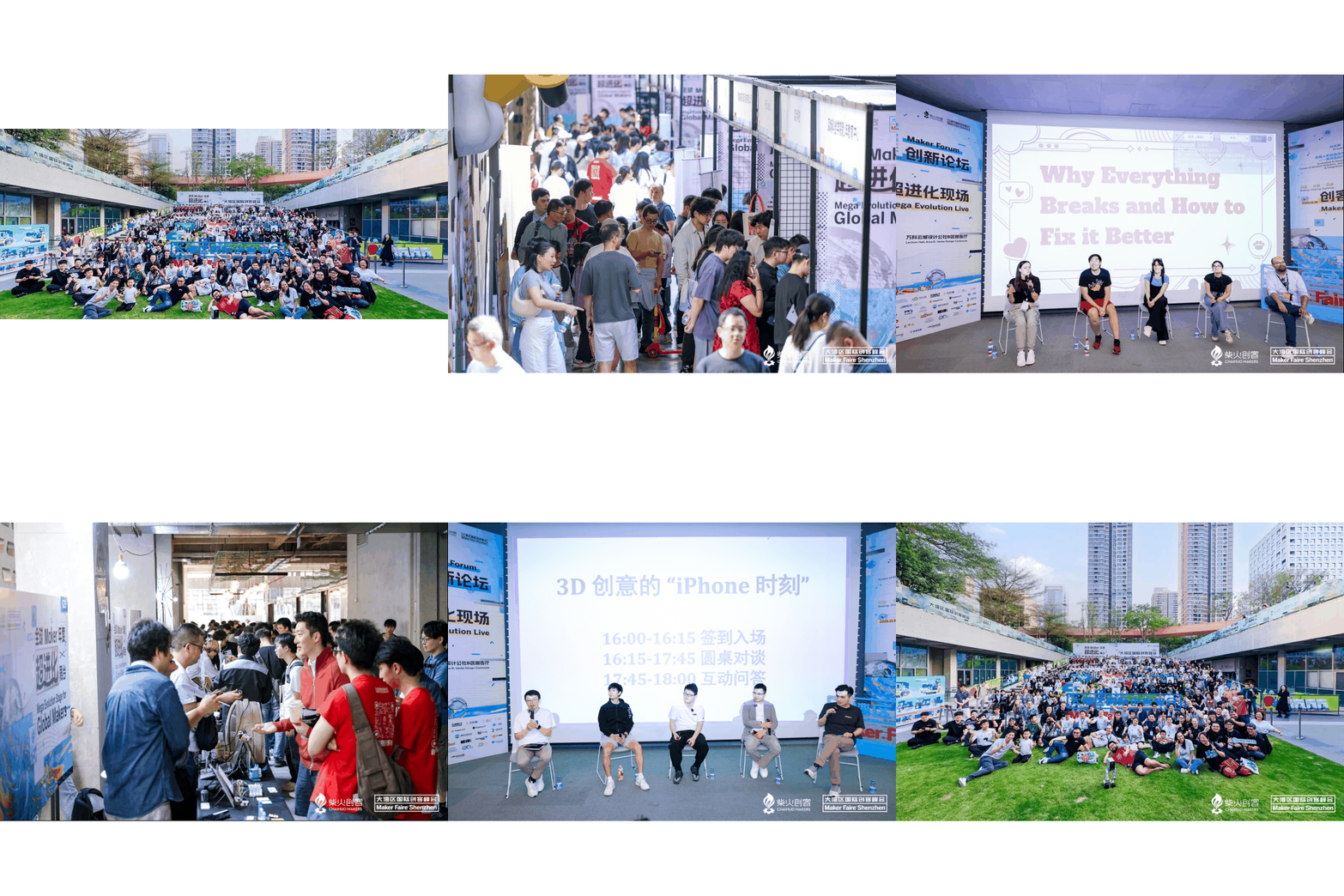
Over the past 13 years, the development trajectory of Maker Faire Shenzhen can be seen as a microcosm of the development of maker culture in China.
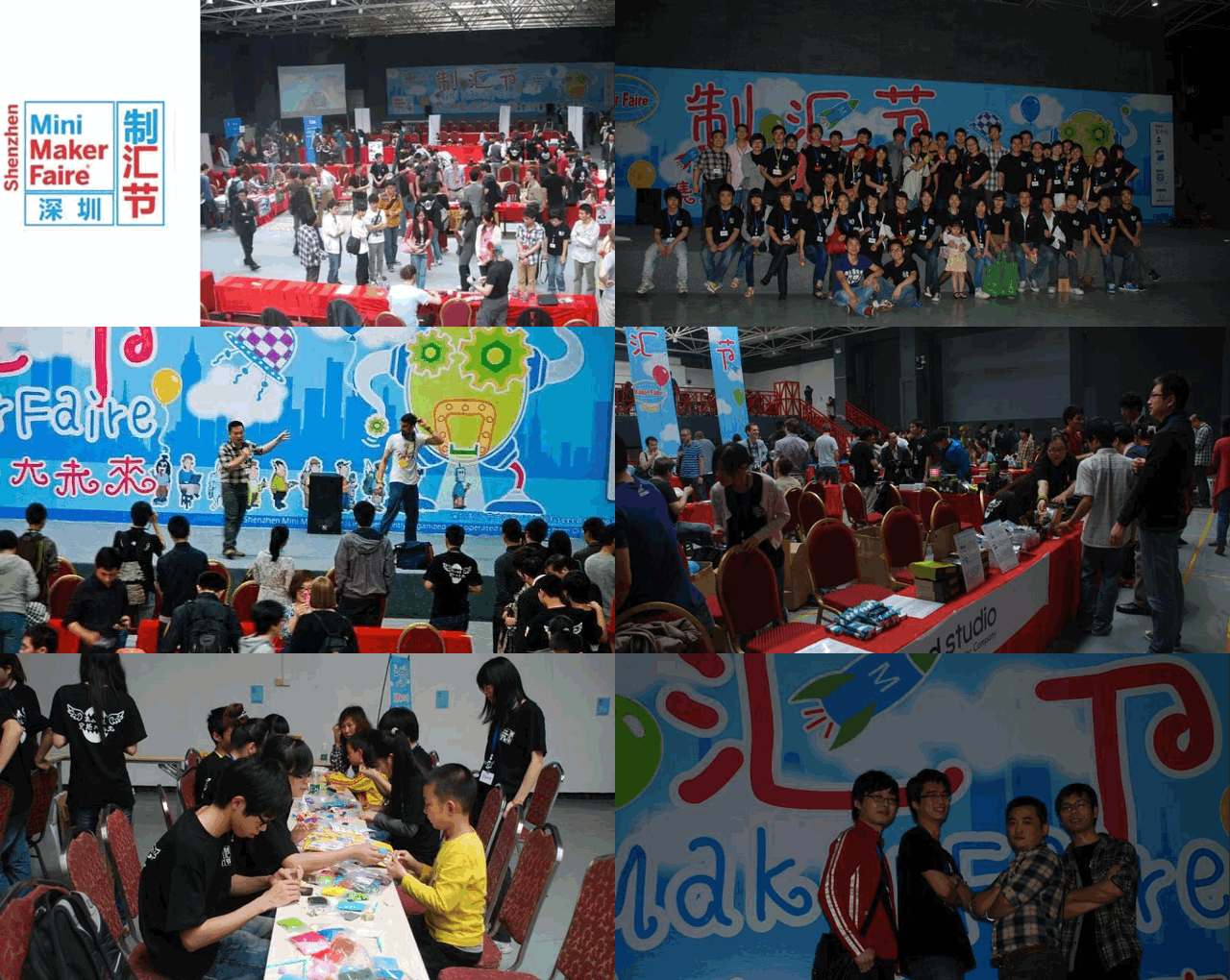
- 2012: “Gathering Small Wisdom, Journeying through the Great Future” – This was the first Mini Maker Faire in China, with less than 1000 attendees, and was more like a gathering within a small circle. But we saw the infinite possibilities emerging from the maker community.
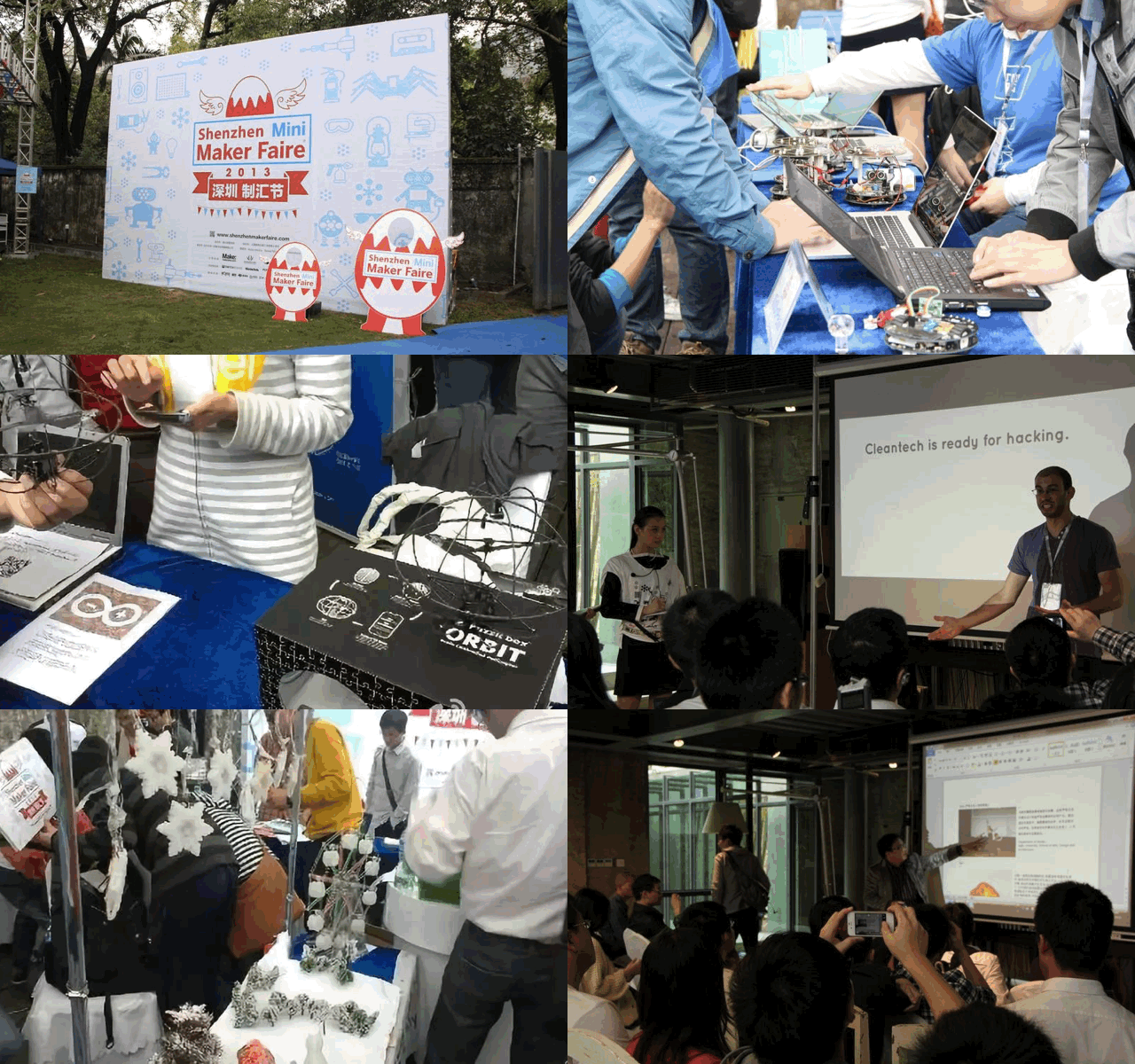
- 2013: The slogan was absent, and the maker community was still small. – In the OCT Creative Park, there were cross-disciplinary exchanges among different creative communities, silently laying the foundation for cultural output.
- 2014: “Innovate with China” – the event was upgraded to the Featured level for the first time, with a significant increase in scale compared to previous years, and the beginning of professional independent forums. This year, makers began to enter the public’s view.
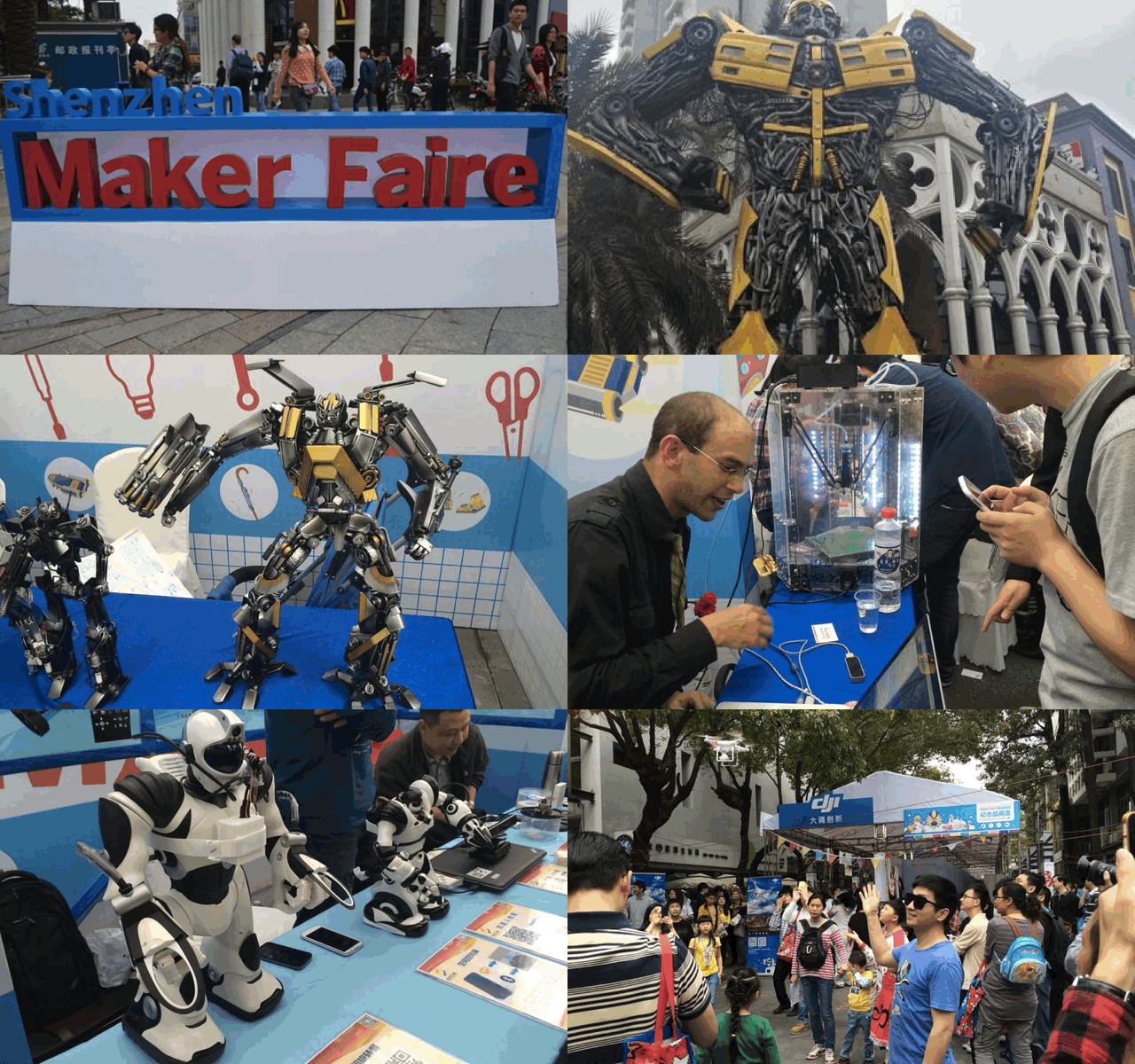
- 2015: “Everyone is a Maker, what are you waiting for?” – This year’s Shenzhen International Maker Week became one of the largest Maker Faires in the world. This year, the concept of “maker” was elevated to a national level, and the trend of “mass innovation, mass entrepreneurship” swept across the country.
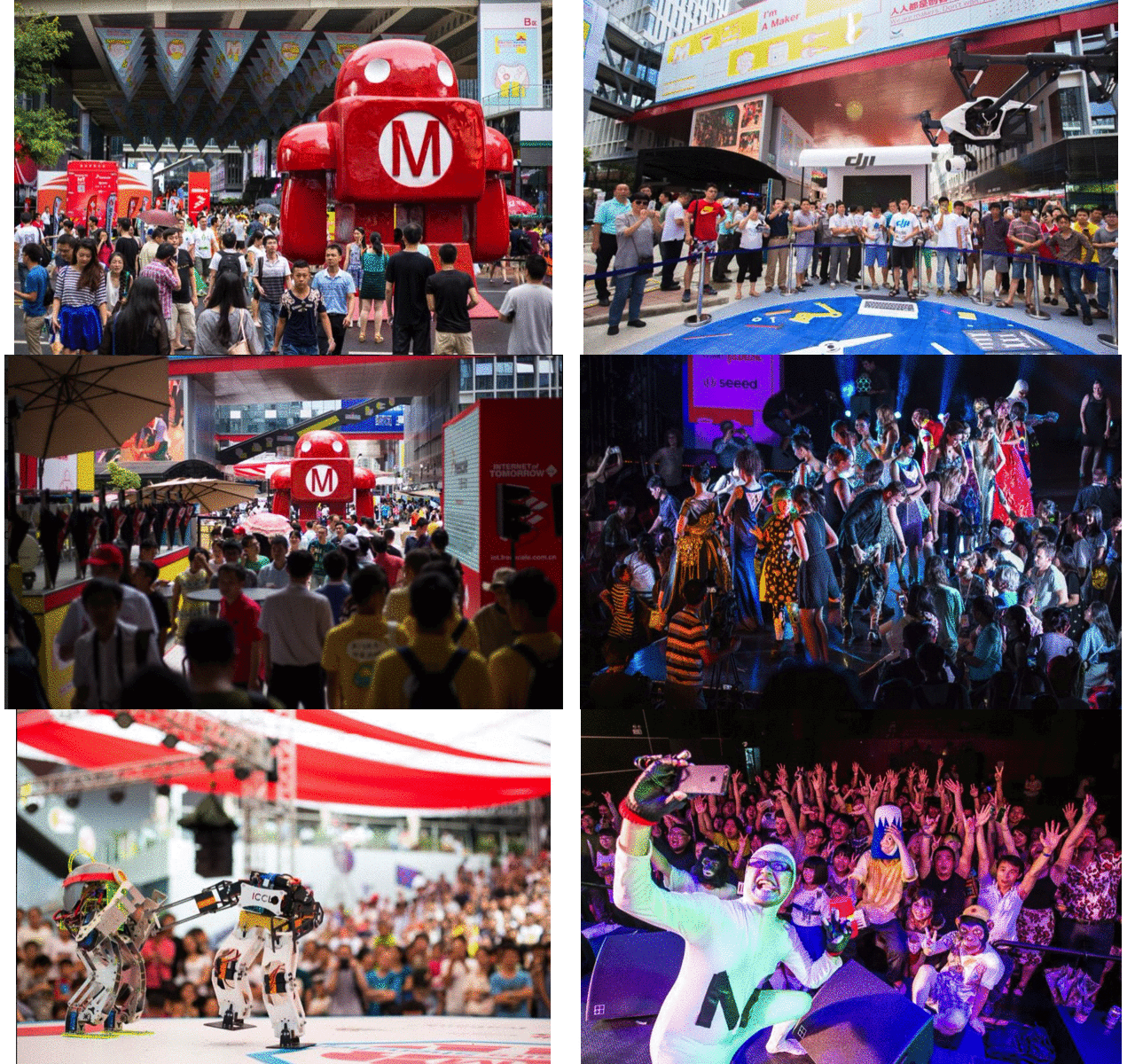
- 2016: “My World, My Creation” – As the sub-venue of the National Innovation and Entrepreneurship Week, the event was held for the first time in the commercial center area, experiencing unpredictable weather from typhoons to scorching heat. Many makers succeeded in your entrepreneurial endeavors this year, but it seemed like there were even more failures. The hype around entrepreneurship shifted towards rationality.
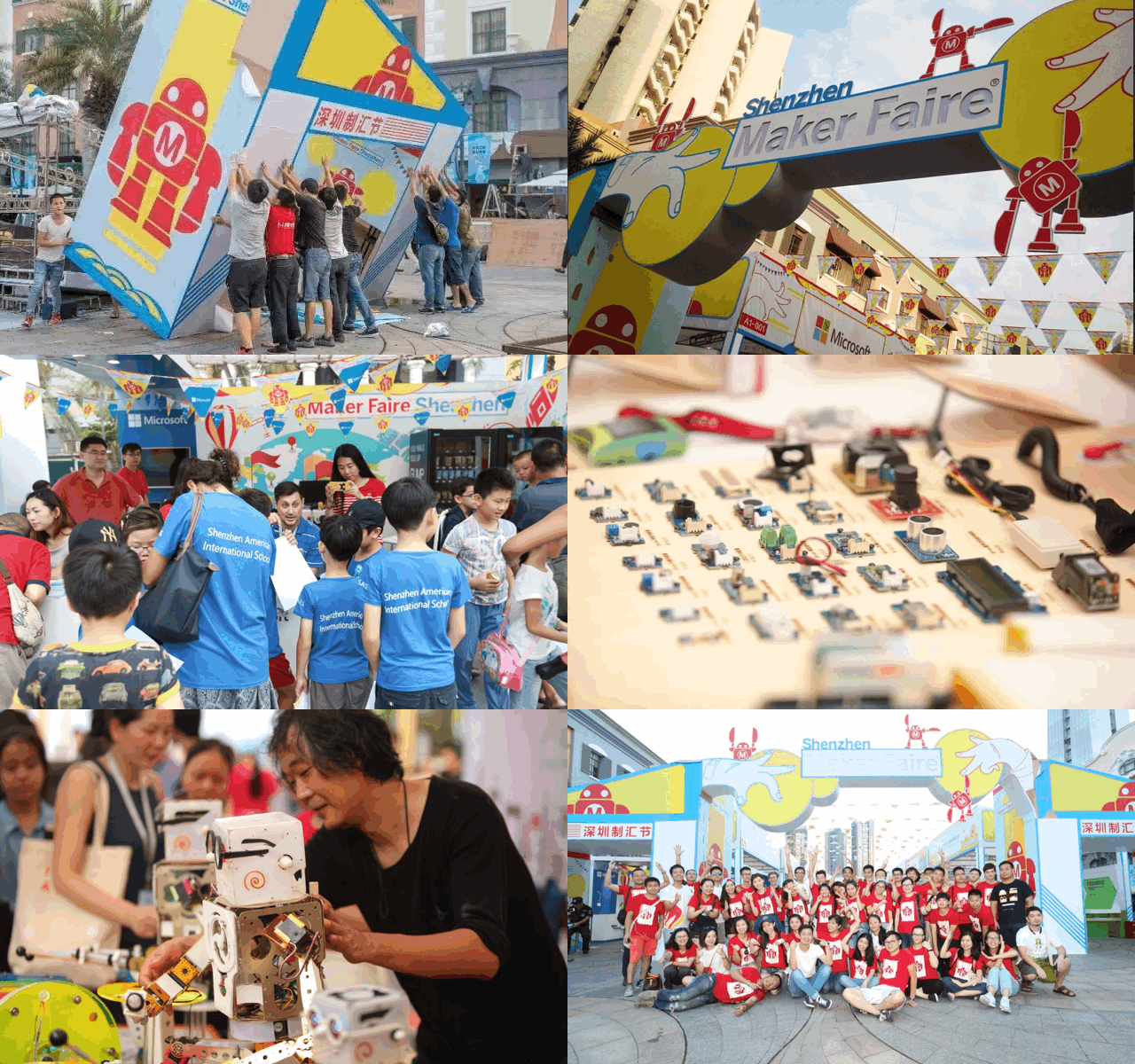
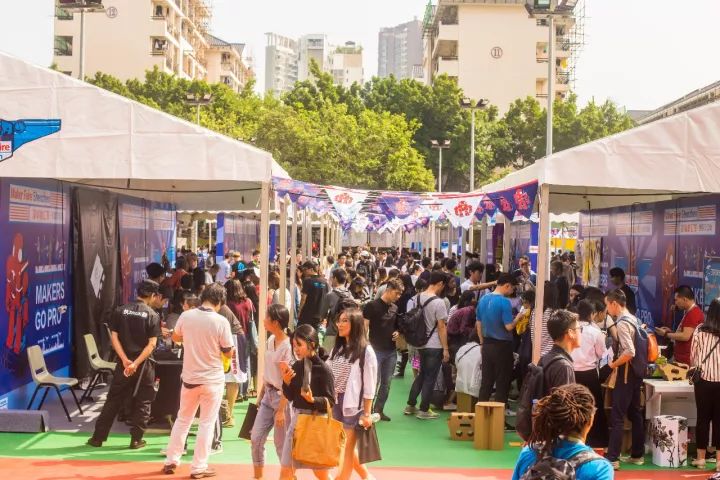
- 2017: “Makers, Go Pro” – The event took place at the university campus for the first time, focusing on Maker Pros and providing a platform for diverse innovators and makers to showcase themselves, presenting more possibilities for the growth path of makers to the entire community.
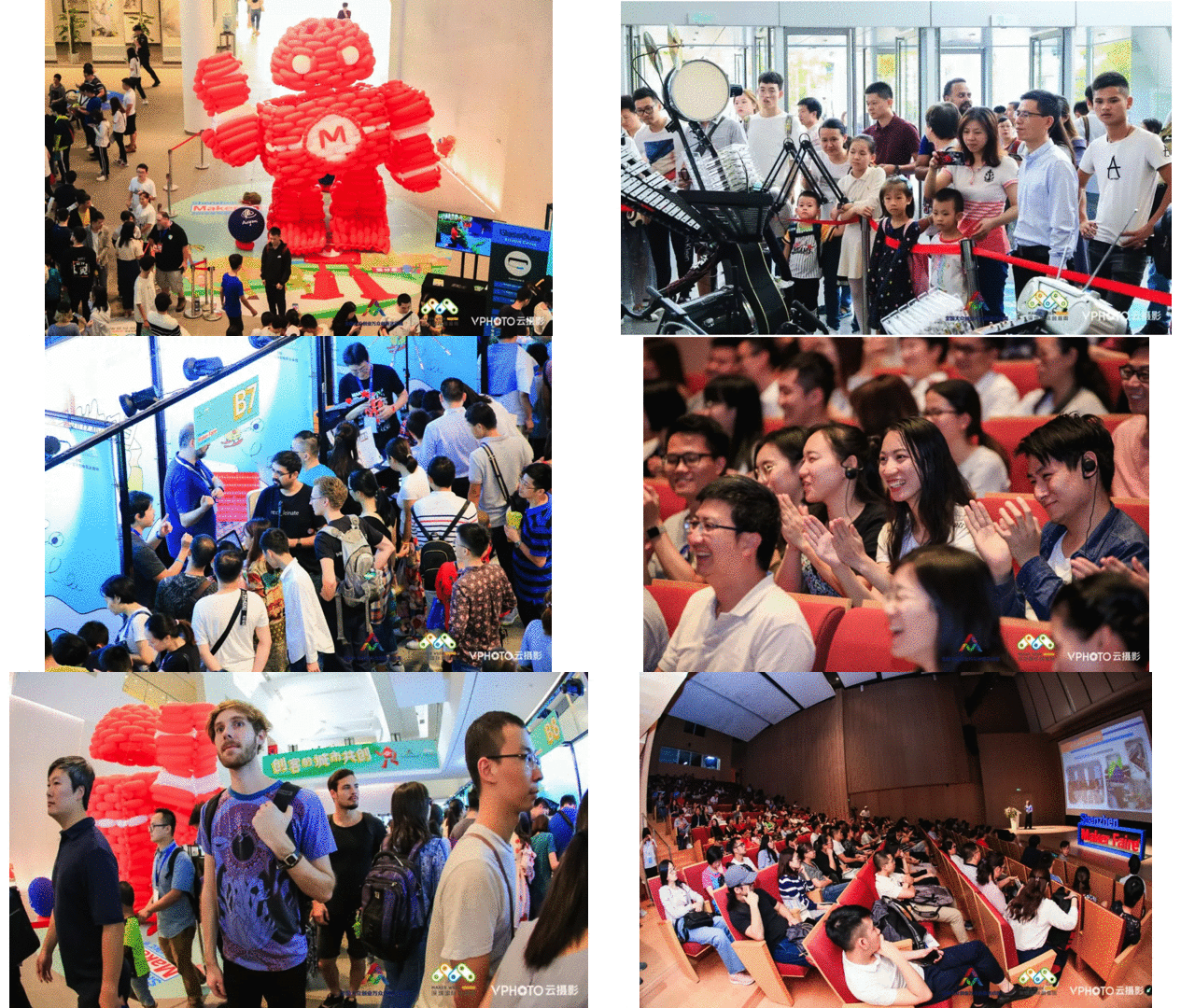
- 2018: “Co-making in the City” – The main venue of Shenzhen International Maker Week, where individuals and groups with shared visions and values gathered to showcase stories, projects, and explorations of collaboration among different communities and people.
- 2019: ” To the Heart of Community, To the Cluster of Industry” – The event was upgraded to the Maker Faire Shenzhen, attempting to attract professional audiences and focusing on pragmatic aspects such as solving the needs of industrial upgrading and co-developin. It aims to build a platform for innovation and industry dialogue and collaboration.

- 2023: “Where Are The Makers?”– Starting from our own mission and values, we aim to explore the future direction of makers and theapossibilities for commercialization. Though this question does not have a definitive answer, we do hope that through this event, we can communicate and share with every one of you, finding more ideas and directions together.

- 2024: “Everything is AI” – This year, we brought together over 120 exhibitors from around the world, attracting nearly 1,500 professional attendees from nearly 20 countries and over 20 provinces across China. The exhibition showcased a wide range of AI application projects and hosted 10 AI hardware-themed satellite events, alongside various workshops.
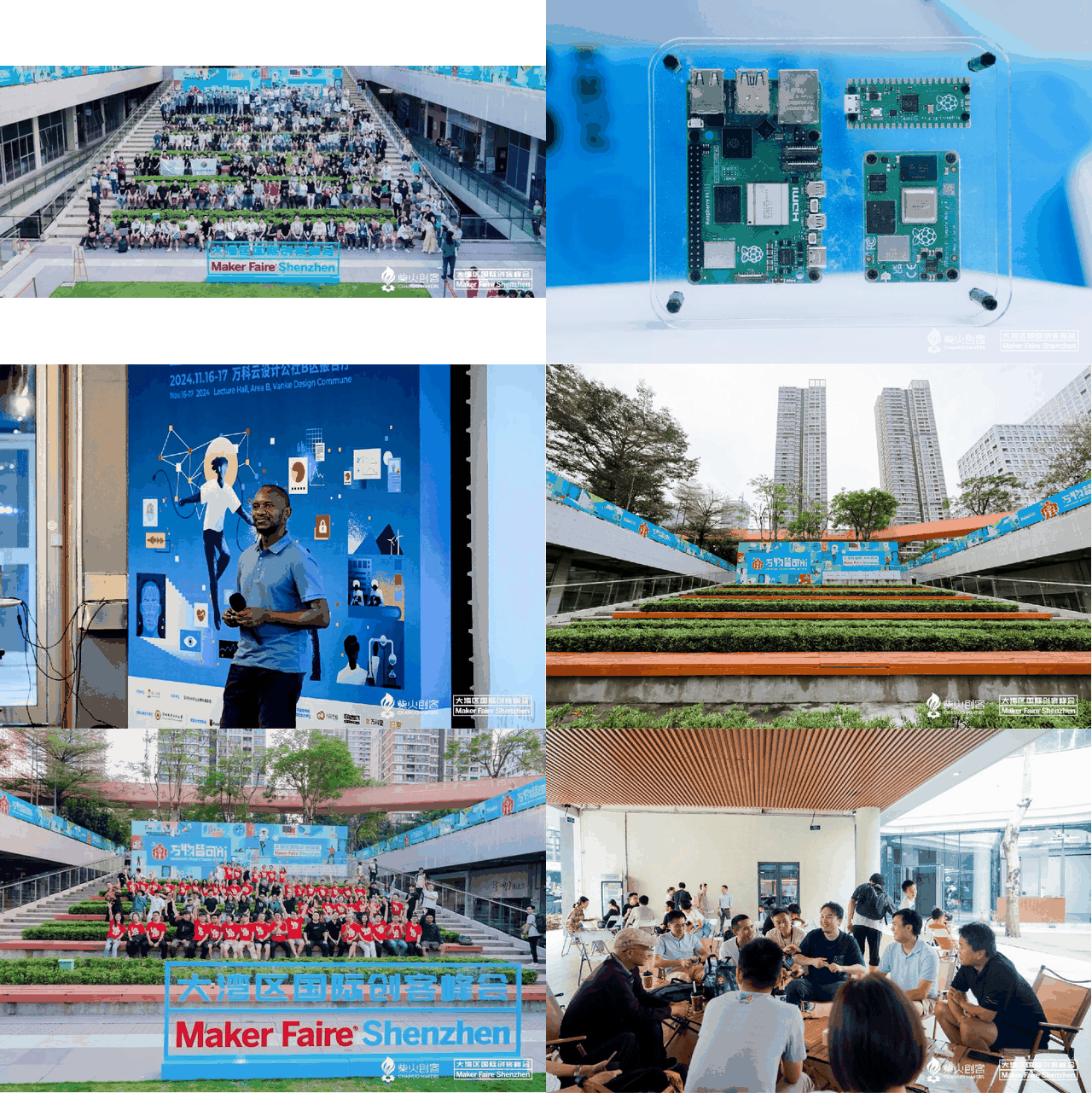
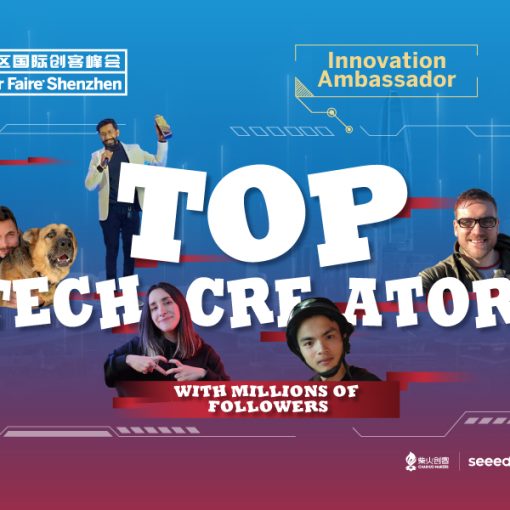
- 2025: “AI Without Boundaries, Everything Reimagined”The summit brought together nearly 100 international innovation ambassadors and showcased almost 1,000 AI hardware projects.Technology leaders, pioneering makers, industry experts, and university teams from more than 30 countries gathered to create an international innovation event combining frontier thinking, technical exchange, and cross-disciplinary collaboration.