Saad Chinoy · SalvageGarden Assistive Makerspace · Singapore · Technology Education and Interactive Art · Makers and Teams
If previous editions of Maker Faire Shenzhen were testing grounds where inspiration sparked, this year we will see how creative ideas take root and become reality. This year’s event is officially scheduled for December 12–13, 2026, in Nanshan District, Shenzhen — and this time we are putting OPC creators and full-industry-chain service providers center stage, working together to build a “Mega Evolution Stage for Global Makers.”
In today’s “Meet the Maker”, we introduce one of this year’s international exhibitors: SalvageGarden, a community-run assistive makerspace from Singapore that co-creates open-source, 3D-printable assistive devices. Representing the team is Saad Chinoy.
SalvageGarden is a community initiative and assistive makerspace based in Singapore, dedicated to co-creating open-source, 3D-printable assistive devices. Operating at the intersection of digital fabrication, healthcare and disability advocacy, SalvageGarden brings makers, occupational therapists and persons with disabilities together to develop hyper-personalized, low-cost solutions for daily living, mobility and education. Rather than designing a product first and selling it to users afterwards, they work through collaborative co-design — the people who use the device take active ownership of the tools their daily independence depends on.
Co-created. Open source. 3D-printable — assistive devices made together with the people who use them.

Project Spotlight: SalvageGarden Assistive Makerspace
What SalvageGarden brings to the fair is not a single product but an entire way of working: turning assistive devices from commercial goods into public goods that can be reproduced locally.
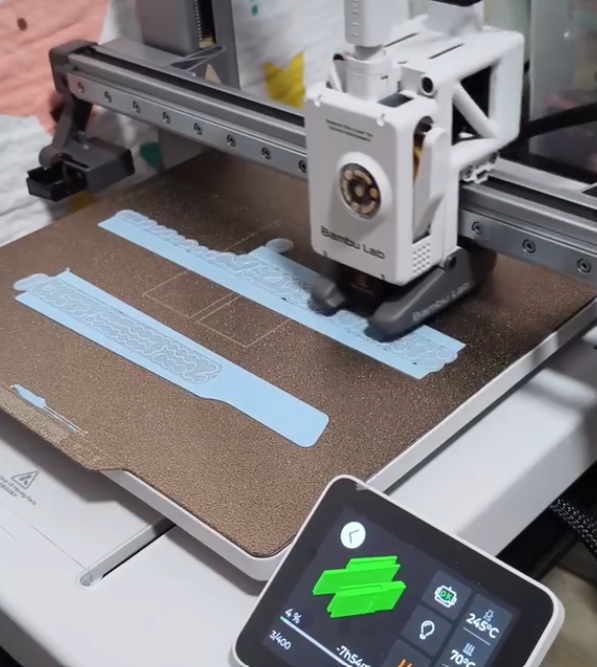
Their process is co-design. A user raises a real need, an occupational therapist adds professional judgment, makers handle modelling and printing, and the prototype goes back to the user to be tried, adjusted and printed again. Assistive devices usually have to fit one specific body and one specific situation, which mass-produced products rarely manage — and digital fabrication is exactly what makes this kind of “one device, one person” customization possible.
The decisive step is open source. Because the design files are public, the same solution can be copied, modified and upgraded anywhere — no waiting for an international shipment, and no waiting for a company to decide to mass-produce it.
Notably, AI plays no part in their design process (the application states it plainly: No). What they rely on is a co-design workflow, open licences and 3D printers.
Why assistive technology belongs in the commons
SalvageGarden’s position is that assistive technology should shift from being the output of professional institutions to becoming a public asset that a community can keep improving:
- From buying a product to co-designing one. Users take part in the design, so real needs are written directly into the model instead of being compromised away.
- From single-use to reproducible. Open source plus 3D printing means that if it breaks, or the user grows, or needs change, you simply print another one where you are.
- From expensive to low-cost. Digital fabrication pushes the unit cost down, so far more people can afford it.
- From being helped to holding ownership. Users gain a leading role in the tools they depend on every day.
The Sustainable Development Goals the project lists span five areas: SDG 3 Good Health and Well-Being, SDG 4 Quality Education, SDG 9 Industry, Innovation and Infrastructure, SDG 10 Reduced Inequalities, and SDG 17 Partnerships for the Goals.
More Projects from SalvageGarden
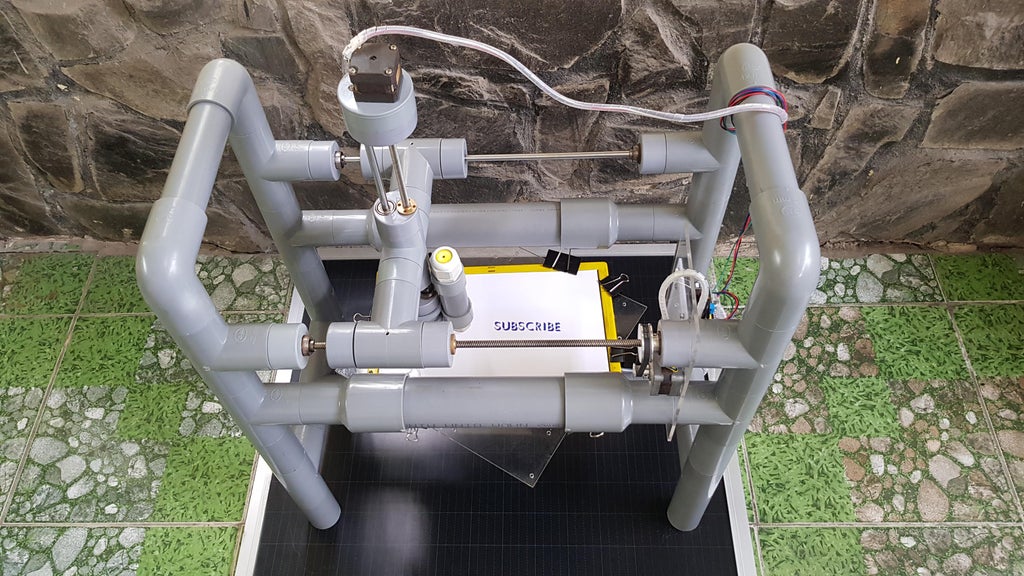
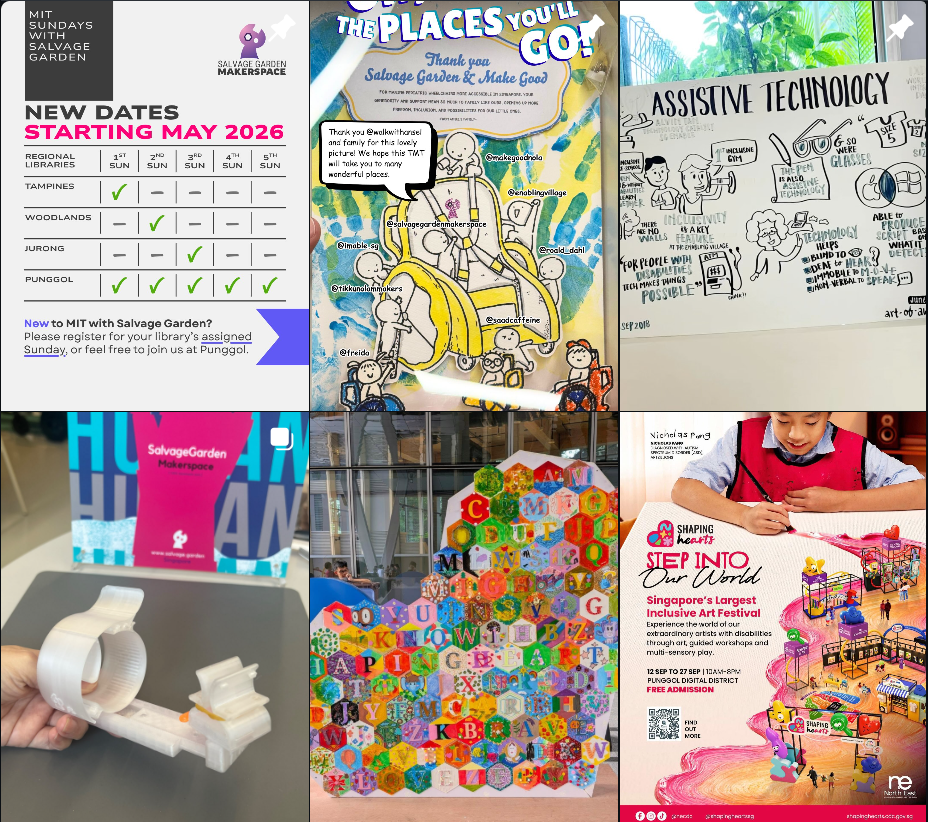
- BrailleRAP — an open-source, open-hardware-certified, low-cost braille printer. The team is looking for makers to replicate it locally and help improve the project.
- Wheelchair Poncho — a wheelchair poncho that won a collaborative design award. It is at prototype stage, and the team is looking for development and production partners.

About SalvageGarden
SalvageGarden is a community initiative and assistive makerspace in Singapore, and its membership explains its method: makers, occupational therapists and persons with disabilities all take part. Their focus is the most concrete end of the spectrum — daily living, mobility and education.
Representing the team in Shenzhen is Saad Chinoy.
Their ambition goes beyond producing a handful of useful devices: it is to democratize accessibility worldwide — spreading both the co-design method and the open-source results, so that more communities can solve their own problems with their own hands.
Experience Technology and Creativity First-Hand
At Maker Faire Shenzhen 2026, SalvageGarden will be in the Makers and Teams zone. The project has been flagged as a highlight project offering onsite performance.
Here is what you can do at their booth:
- See the open-source assistive devices in person, and ask what user need sits behind each design decision
- Find out what kind of collaborators BrailleRAP and Wheelchair Poncho are looking for
- If you own a 3D printer, work in occupational therapy, or use assistive devices yourself, this is the place to talk about making them better together
Links
- Website: salvage.garden
- Instagram: instagram.com/salvagegardenmakerspace
- Linktree: linktr.ee/salvagegarden
We sincerely invite you to visit the Makers and Teams zone during the event, meet the SalvageGarden team, and see for yourself how an assistive device gets co-designed into existence.
If you would like to share your OPC ideas and experiences at China’s largest maker innovation celebration—and demonstrate how AI can truly become part of our work and everyday lives while solving real-world problems—this is your opportunity.
Let your project be seen by more peers, developers, partners, and potential customers, and allow new ideas to meet and grow here.
Scan the QR code below or click “Read the Original Article” at the end of the post to apply. Together, let us step into the era of OPC creators and unlock the infinite possibilities of the future!

Greater Bay Area International Maker Summit & Maker Faire Shenzhen 2026
Global Call for Makers Now Open
Application period: June 30–October 30, 2026
Event dates: December 12–13, 2026
P.S. Companies that reserved a booth last year do not need to submit another application. More participation opportunities will be announced soon—stay tuned!
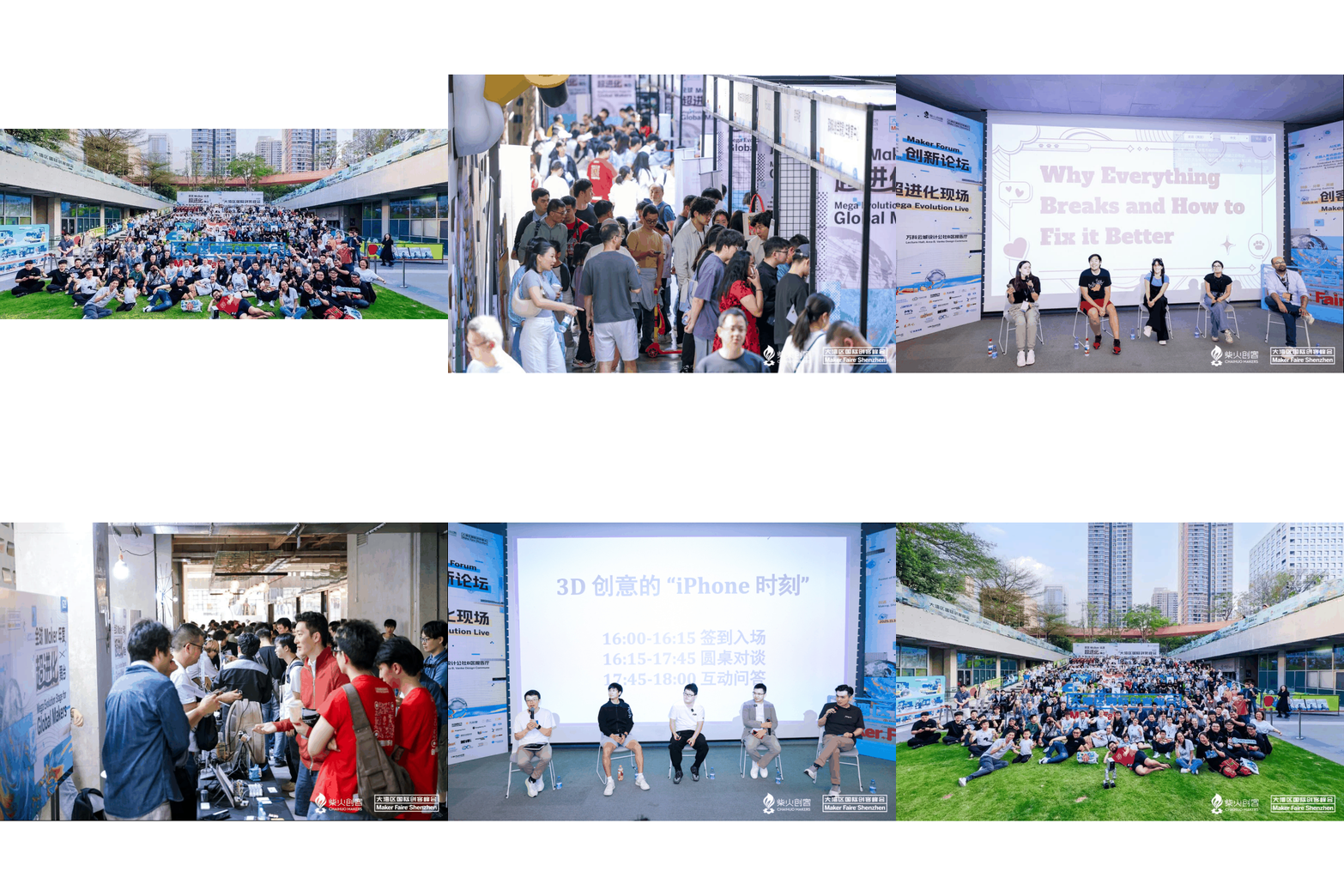
Over the past 13 years, the development trajectory of Maker Faire Shenzhen can be seen as a microcosm of the development of maker culture in China.
- 2012: “Gathering Small Wisdom, Journeying through the Great Future” – This was the first Mini Maker Faire in China, with less than 1000 attendees, and was more like a gathering within a small circle. But we saw the infinite possibilities emerging from the maker community.
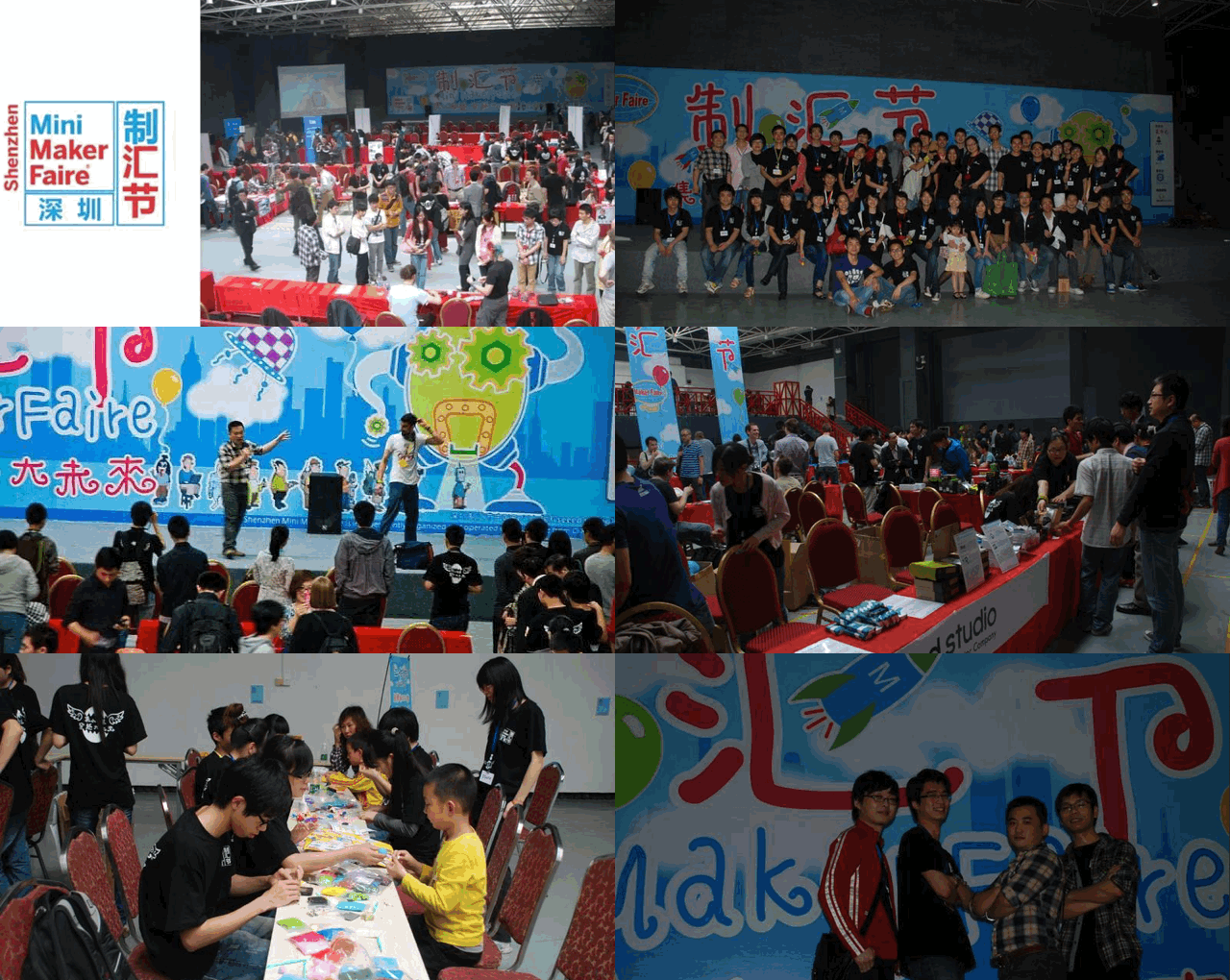
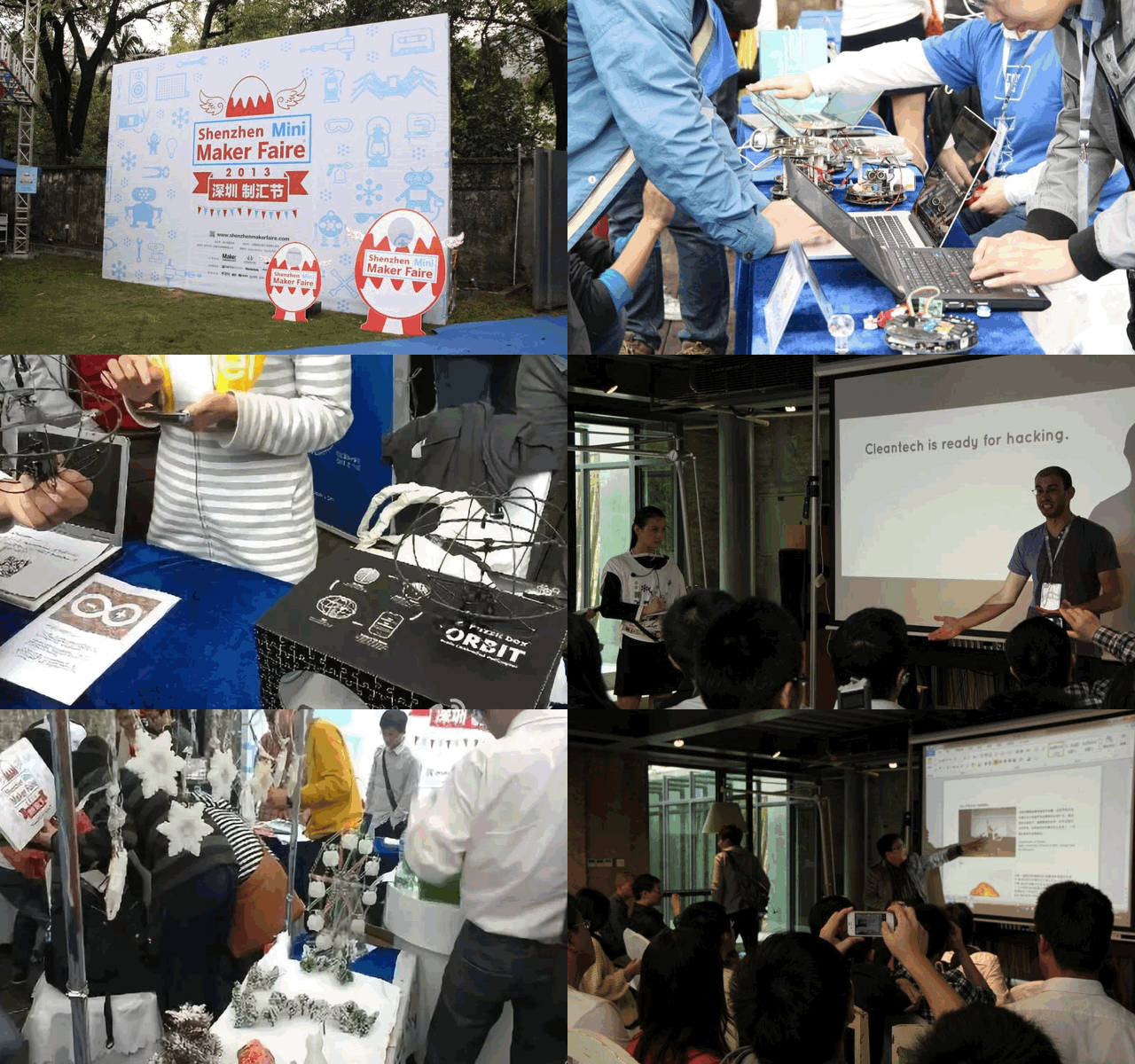
- 2013: The slogan was absent, and the maker community was still small. – In the OCT Creative Park, there were cross-disciplinary exchanges among different creative communities, silently laying the foundation for cultural output.
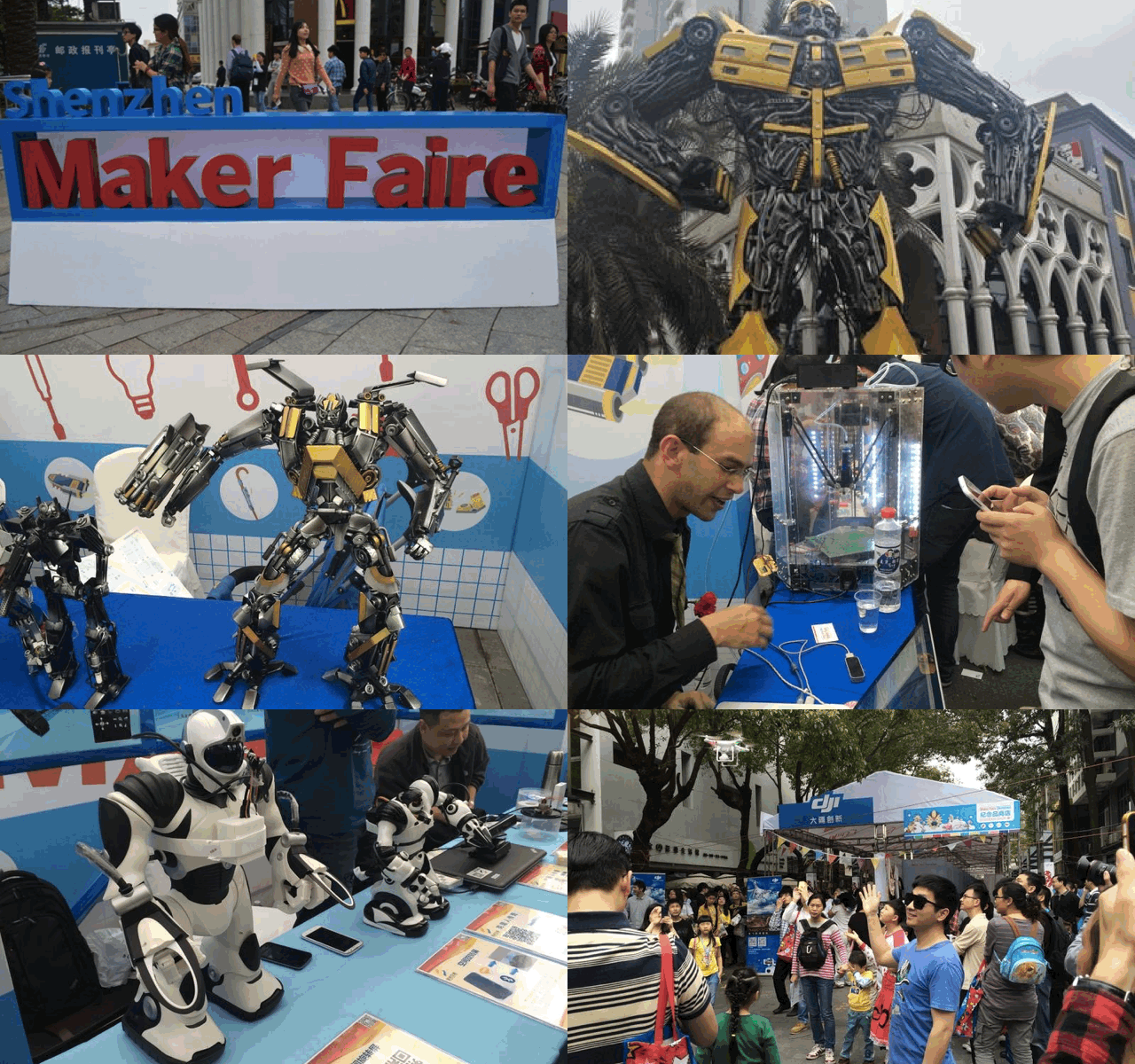
- 2014: “Innovate with China” – the event was upgraded to the Featured level for the first time, with a significant increase in scale compared to previous years, and the beginning of professional independent forums. This year, makers began to enter the public’s view.
- 2015: “Everyone is a Maker, what are you waiting for?” – This year’s Shenzhen International Maker Week became one of the largest Maker Faires in the world. This year, the concept of “maker” was elevated to a national level, and the trend of “mass innovation, mass entrepreneurship” swept across the country.
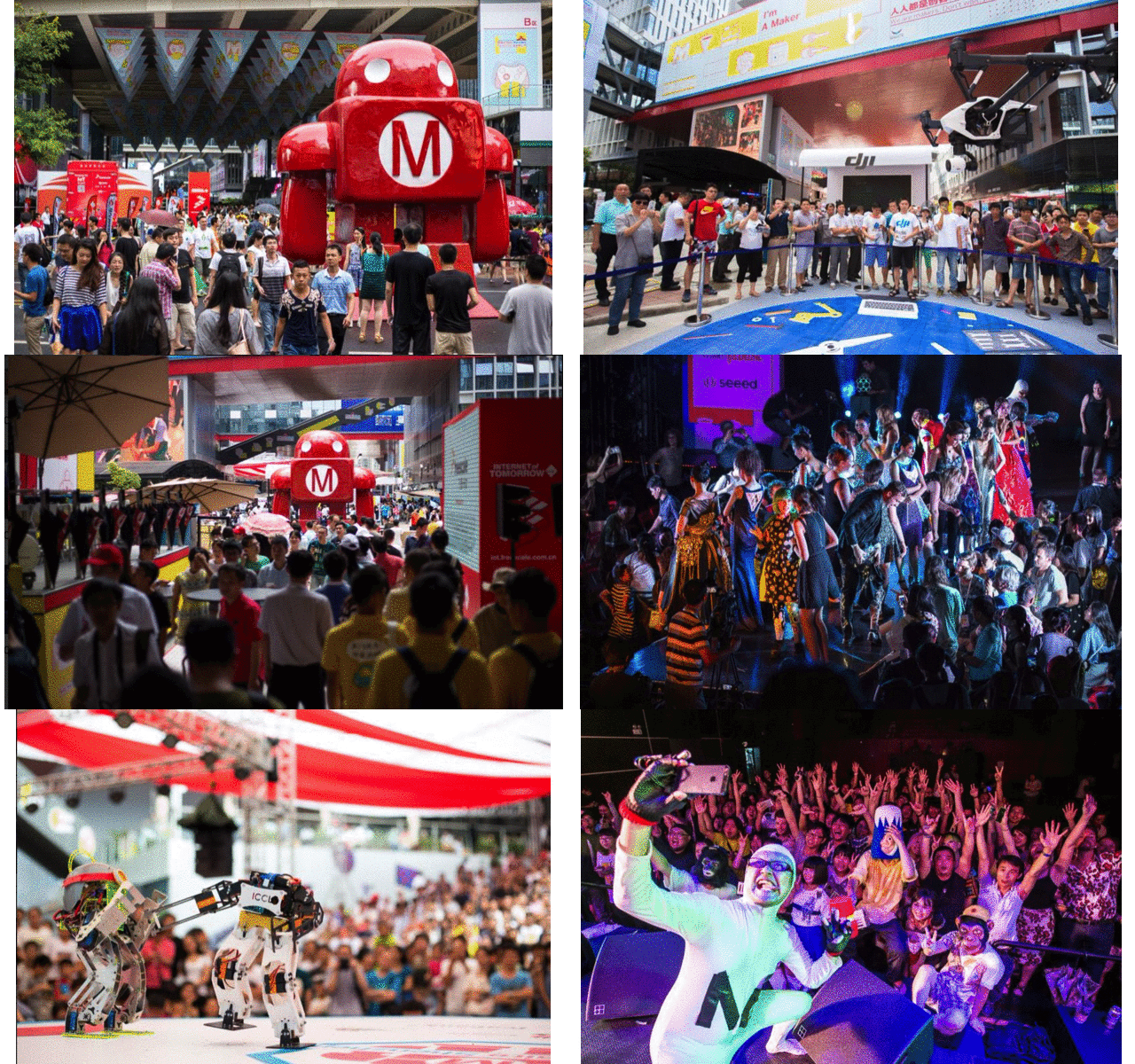
- 2016: “My World, My Creation” – As the sub-venue of the National Innovation and Entrepreneurship Week, the event was held for the first time in the commercial center area, experiencing unpredictable weather from typhoons to scorching heat. Many makers succeeded in your entrepreneurial endeavors this year, but it seemed like there were even more failures. The hype around entrepreneurship shifted towards rationality.
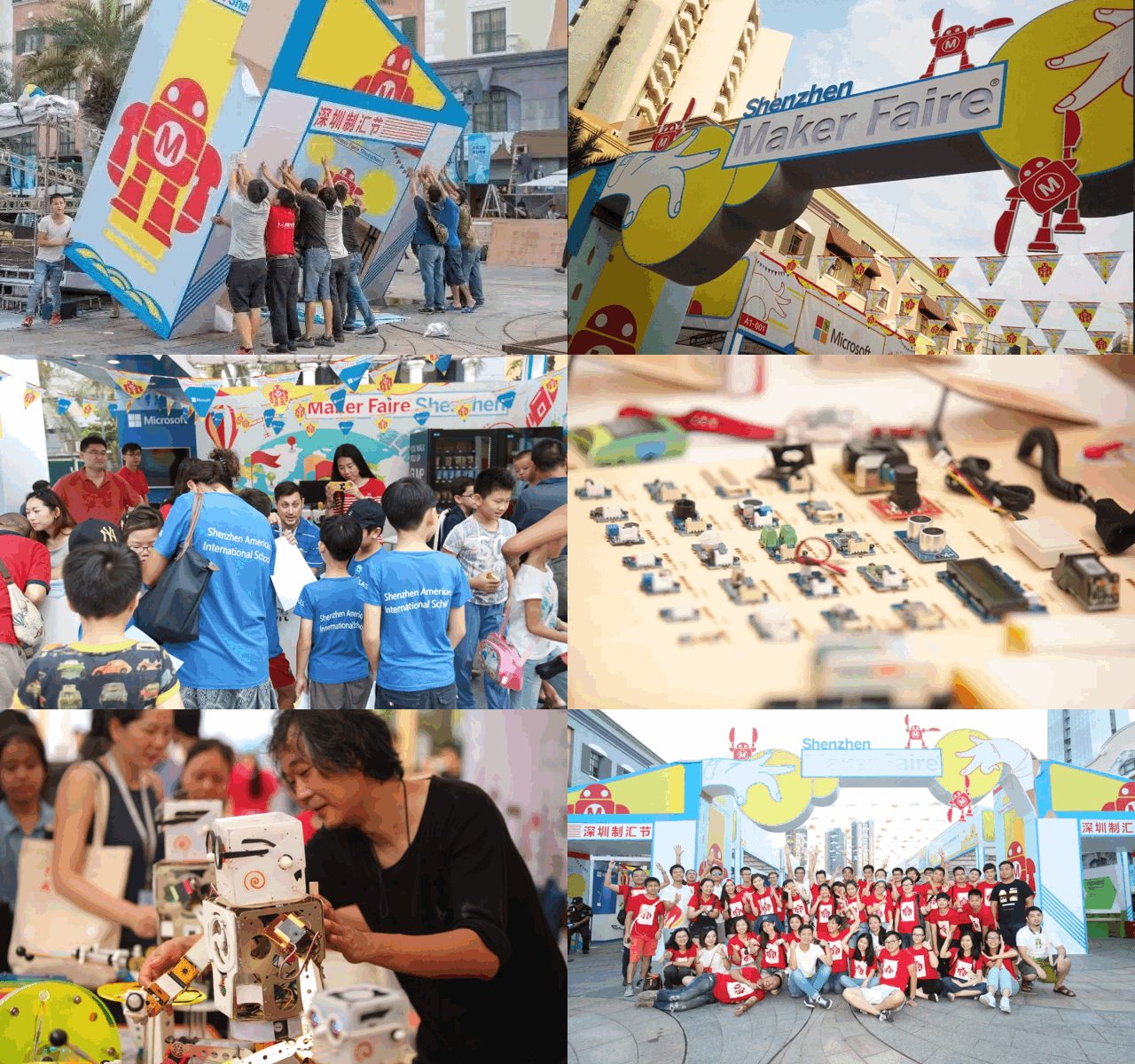
- 2017: “Makers, Go Pro” – The event took place at the university campus for the first time, focusing on Maker Pros and providing a platform for diverse innovators and makers to showcase themselves, presenting more possibilities for the growth path of makers to the entire community.
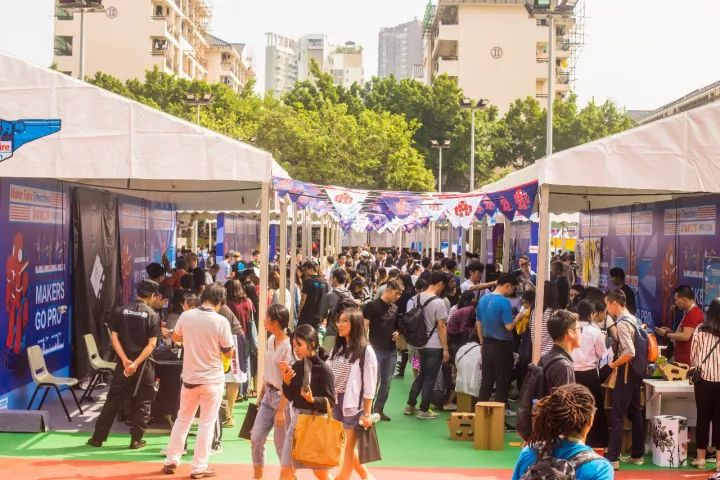
- 2018: “Co-making in the City” – The main venue of Shenzhen International Maker Week, where individuals and groups with shared visions and values gathered to showcase stories, projects, and explorations of collaboration among different communities and people.
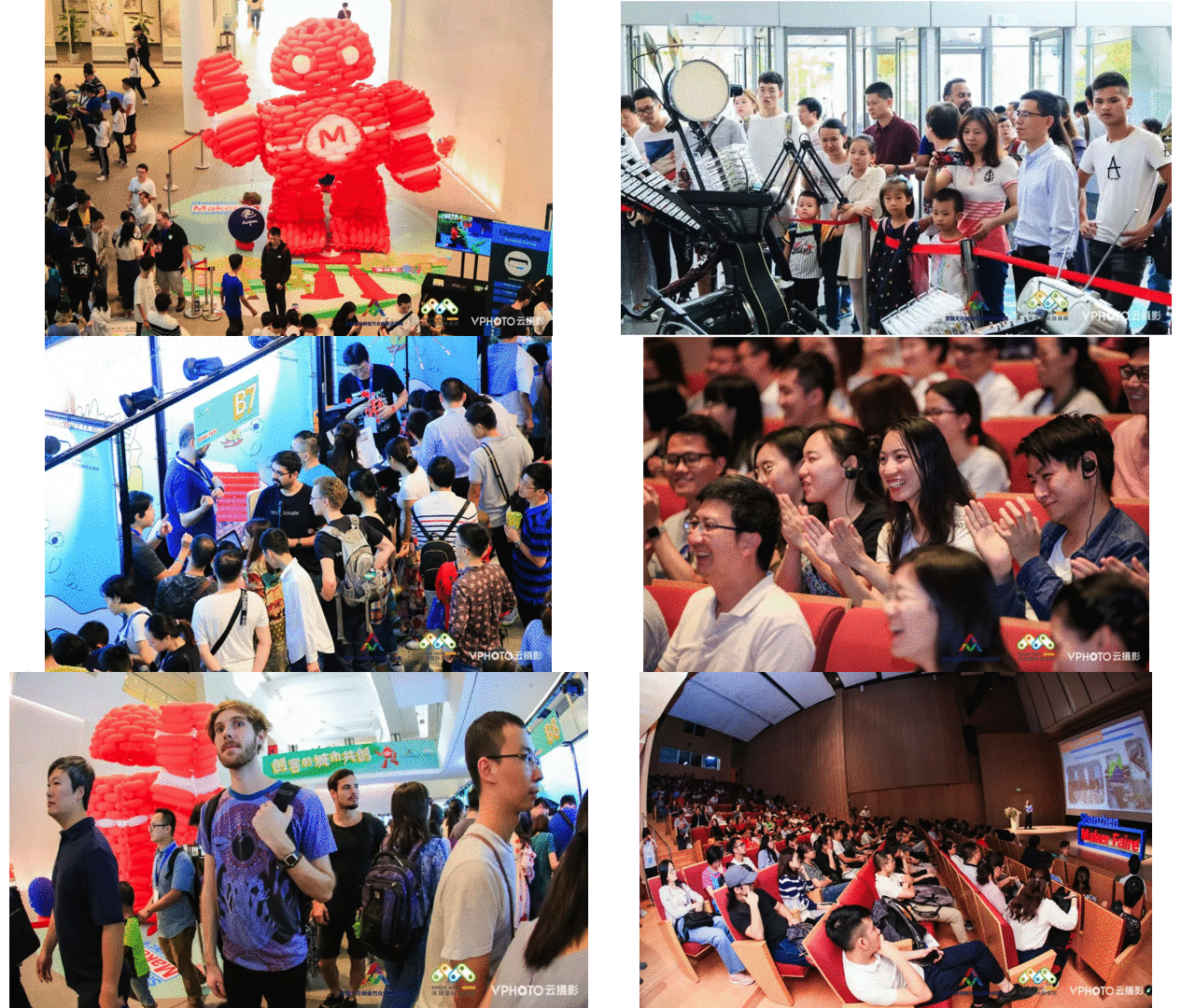
- 2019: ” To the Heart of Community, To the Cluster of Industry” – The event was upgraded to the Maker Faire Shenzhen, attempting to attract professional audiences and focusing on pragmatic aspects such as solving the needs of industrial upgrading and co-developin. It aims to build a platform for innovation and industry dialogue and collaboration.

- 2023: “Where Are The Makers?”– Starting from our own mission and values, we aim to explore the future direction of makers and theapossibilities for commercialization. Though this question does not have a definitive answer, we do hope that through this event, we can communicate and share with every one of you, finding more ideas and directions together.

- 2024: “Everything is AI” – This year, we brought together over 120 exhibitors from around the world, attracting nearly 1,500 professional attendees from nearly 20 countries and over 20 provinces across China. The exhibition showcased a wide range of AI application projects and hosted 10 AI hardware-themed satellite events, alongside various workshops.
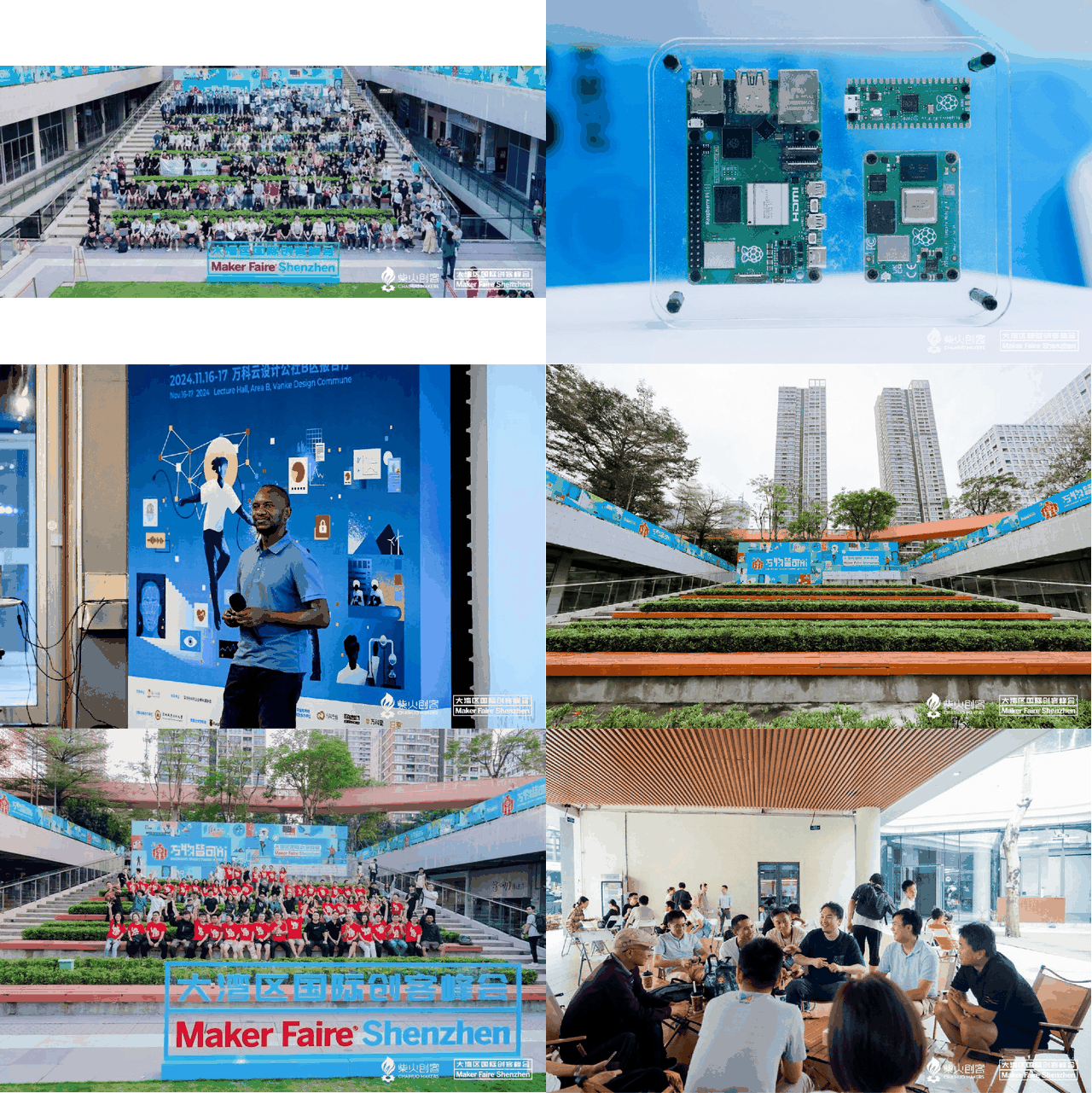
- 2025: “AI Without Boundaries, Everything Reimagined”The summit brought together nearly 100 international innovation ambassadors and showcased almost 1,000 AI hardware projects.Technology leaders, pioneering makers, industry experts, and university teams from more than 30 countries gathered to create an international innovation event combining frontier thinking, technical exchange, and cross-disciplinary collaboration.