Standing among the world’s largest Maker Faire events with more than ten years of rich history, Maker Faire Shenzhen continues to pulse with creative energy. But what’s the force that draws makers, cutting-edge technologies, and visionary ideas from every corner of the world to unite at Chaihuo Maker Space?
Bridging Islands into Community
Within China’s maker ecosystem, Chaihuo is not merely a physical space but a structural force—it organizes makers, technology, and industry, transforming scattered creative acts into a network of social innovation.
It can be said that from its inception, Chaihuo Maker Space carried the DNA of a “connector.”
In 2011, China’s makers were still in the “island era.” Creators were scattered across their own labs, garages, and offices, lacking a physical space for exchange, collaboration, and resource sharing.
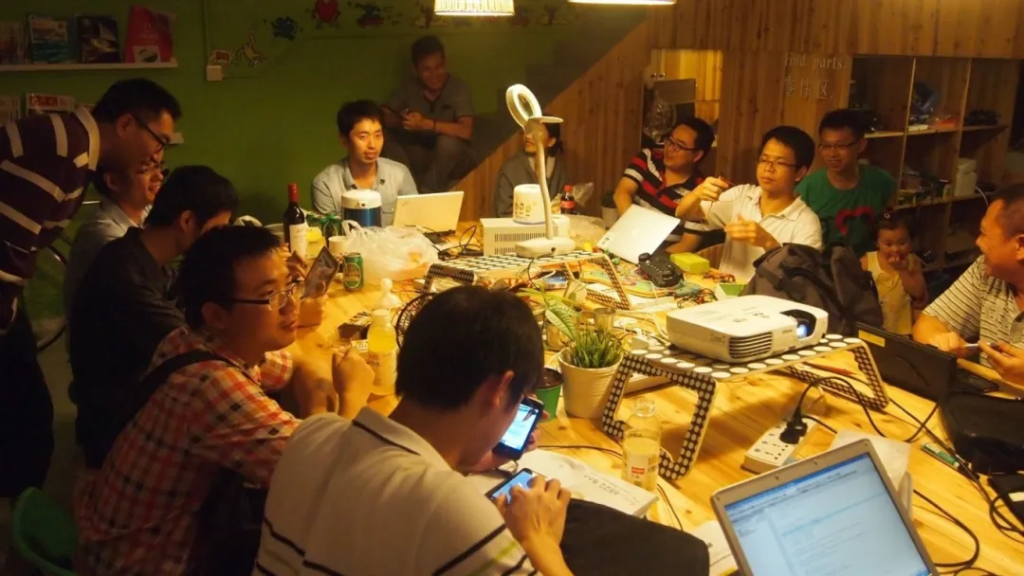
That year, Eric Pan founded Shenzhen’s first and China’s second maker space—Chaihuo Maker Space. “Chaihuo” means “many hands make light work.” It is not merely a physical space but an organizational model: harnessing individual efforts to build collective strength.
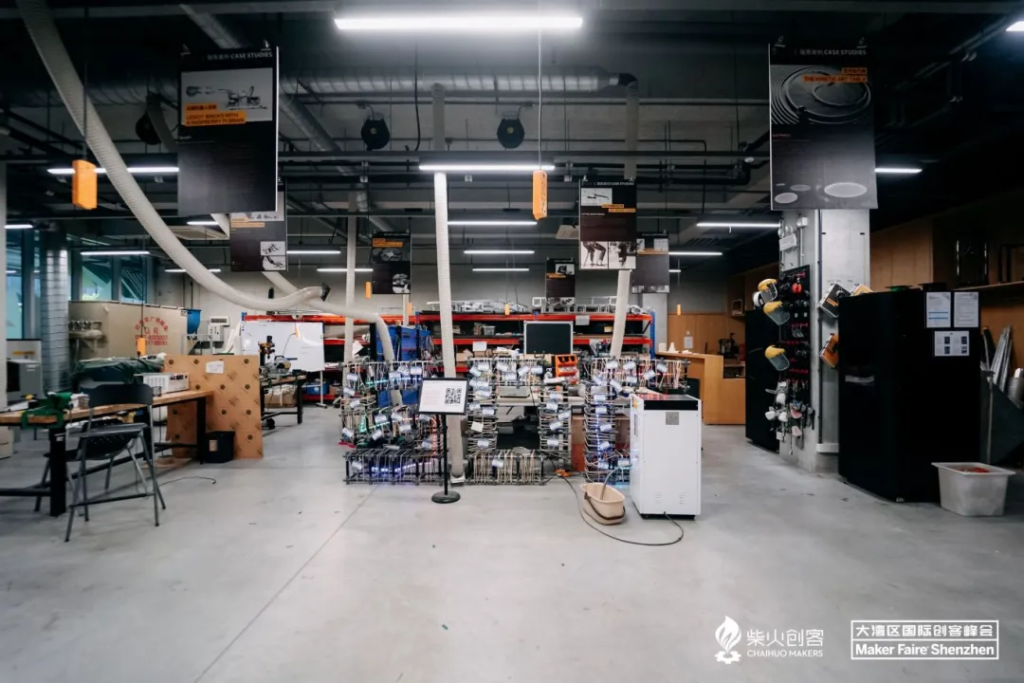
Over the past 14 years, Chaihuo Maker Space has evolved from a community into an ecosystem through workshops, project incubation, and online collaboration. The space features laboratories, learning zones, exhibition areas, and open office spaces, providing makers with the infrastructure needed to go from zero to one. It also organizes regular IT training sessions and cross-disciplinary collaboration events, facilitating the flow of knowledge and skills among members.
Today, Chaihuo Maker Space has attracted tens of thousands of registered members from over 20 countries worldwide. Their backgrounds span research, engineering, design, marketing, and even management, with ages ranging from their 20s to 40s. Together, they form a diverse innovation network that transcends disciplines, cultures, and generations.
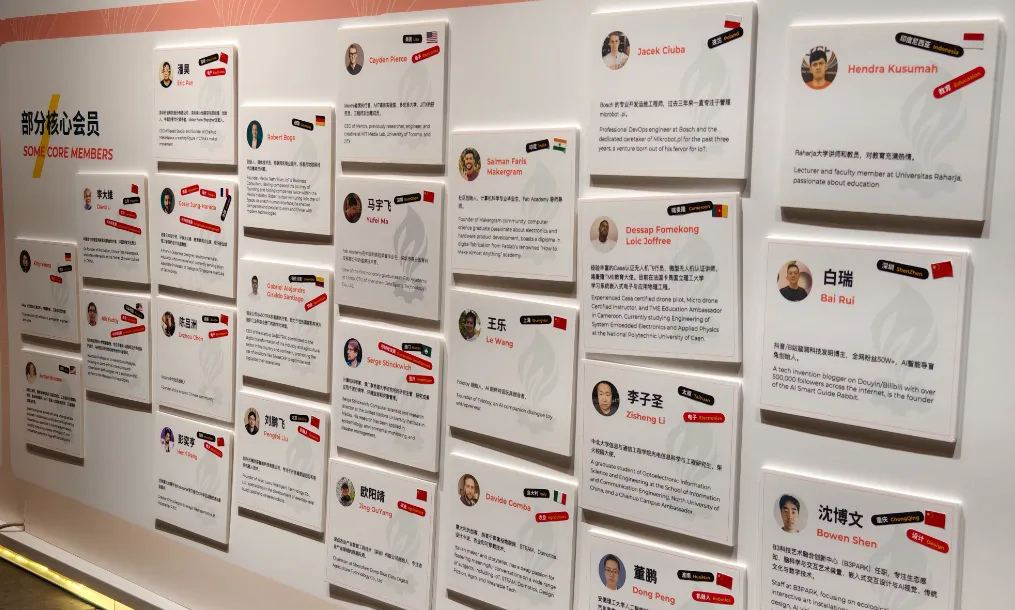
Beyond connecting individual makers, Chaihuo Maker Space bridges local and global communities. Currently, Chaihuo has established connections with major open-source communities worldwide. Notable figures from the innovation sphere, including former Premier of the State Council Li Keqiang, Academician Lu Yongxiang, and senior science and technology advisors to the White House, have visited Chaihuo Maker Space.
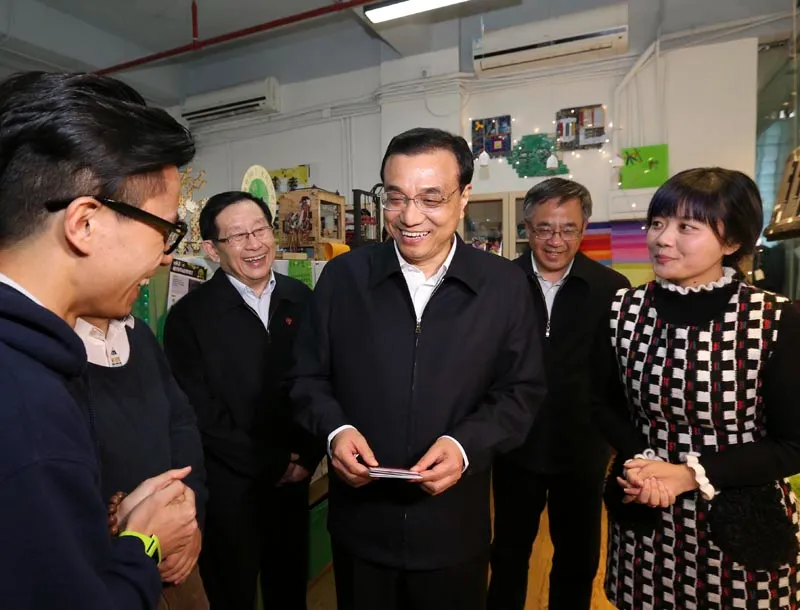
This signifies that Chaihuo is not merely a physical space, but an organizational hub within the maker ecosystem.
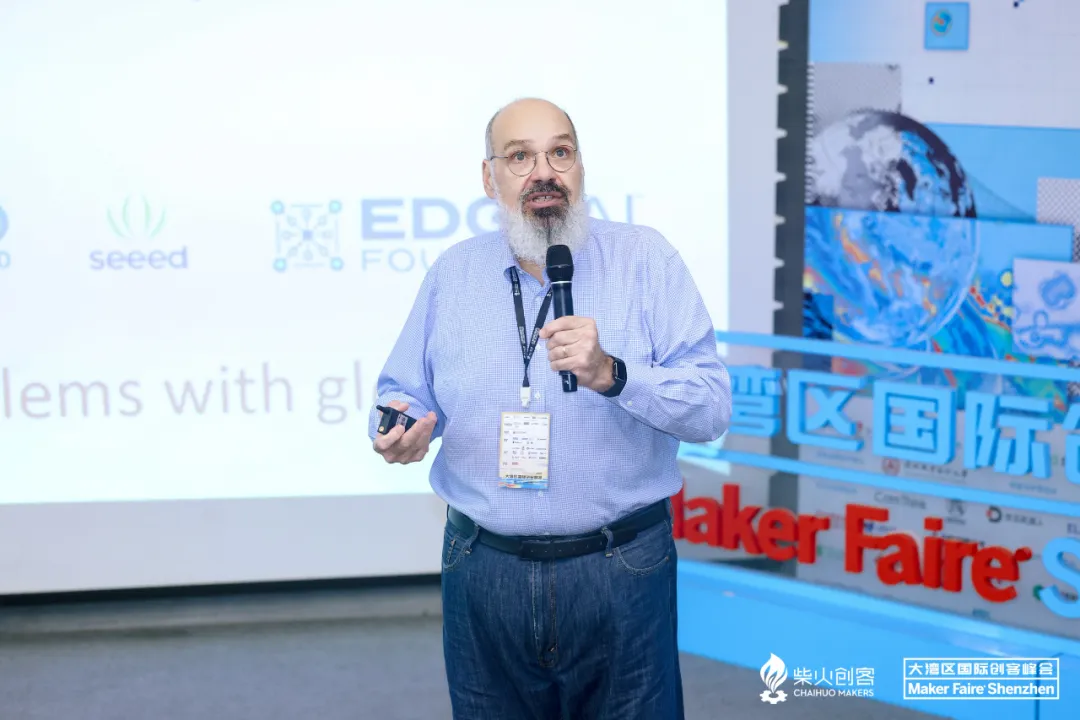
Take Maker Faire Shenzhen—Chaihuo Maker Space’s most representative external platform—as an example. Since its inception in 2012, the event has continuously facilitated technological exchange between China and the world, establishing a two-way channel for innovation.
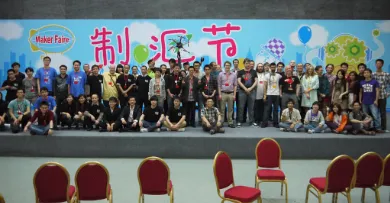
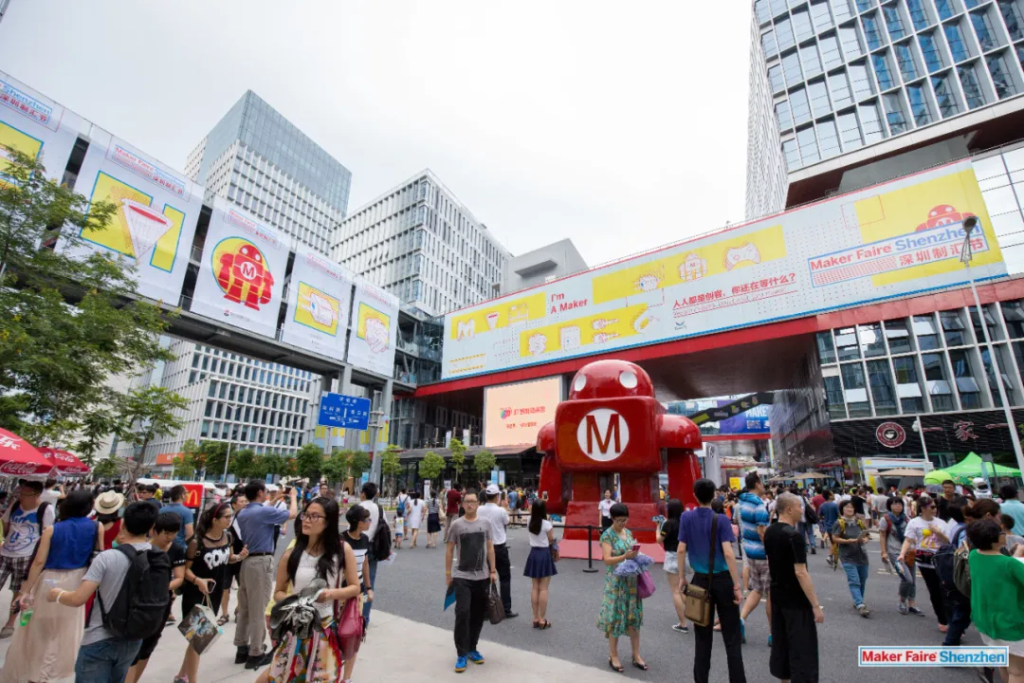
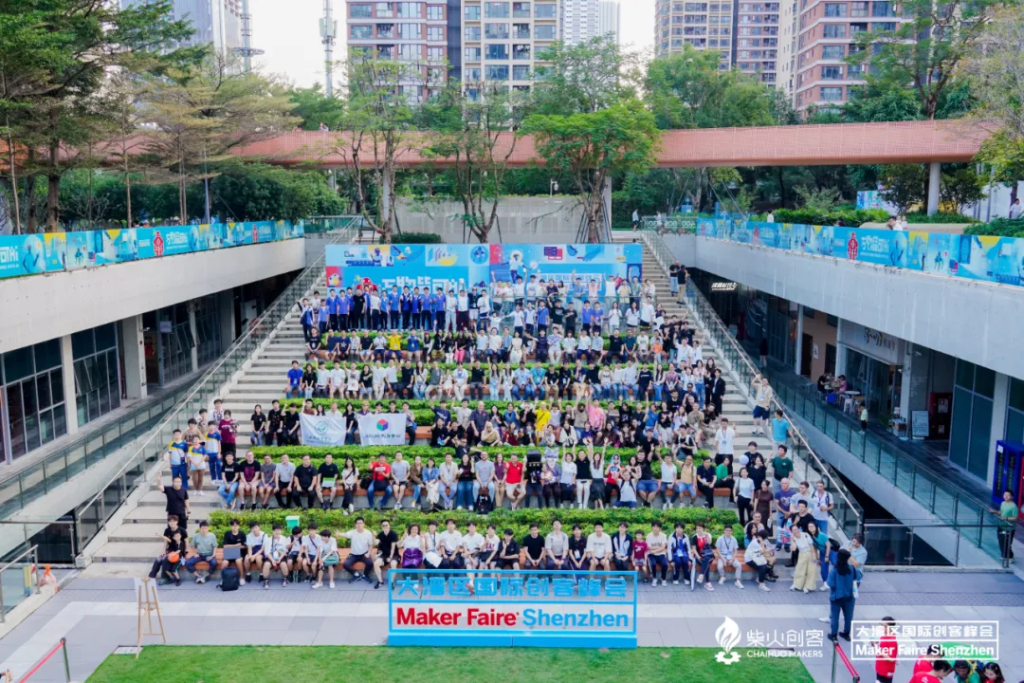
Maker Faire Shenzhen has become China’s most influential maker exchange event, reaching nearly 100 countries and regions worldwide and attracting over 500,000 professional attendees cumulatively. In 2015 alone, attendance reached 190,000, making it one of the world’s most engaging maker gatherings.
The Innovation Hub Navigating Technology Cycles
For 14 years, Chaihuo Maker Space has navigated multiple technological waves—from mobile internet to artificial intelligence, the Internet of Things, and edge computing. With each technological shift, Chaihuo Maker Space has redefined the relationship between humans and technology.
The first decade of the 21st century saw smartphones and 4G networks transform how the world connects. In 2016, AlphaGo’s victory over Go champion Lee Sedol heralded the dawn of the AI era. The following year, Google introduced the Transformer architecture, giving rise to large models like GPT and igniting a new wave of artificial intelligence revolution.
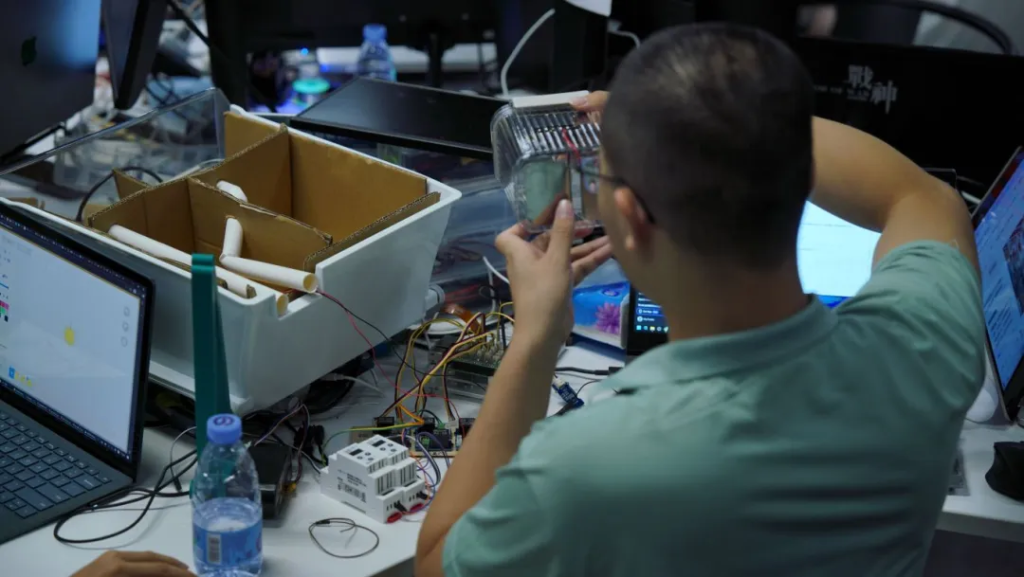
Technological waves keep surging, yet Chaihuo remains steadfast in its role as an “organizer,” fostering technological symbiosis and cross-industry integration by connecting makers.
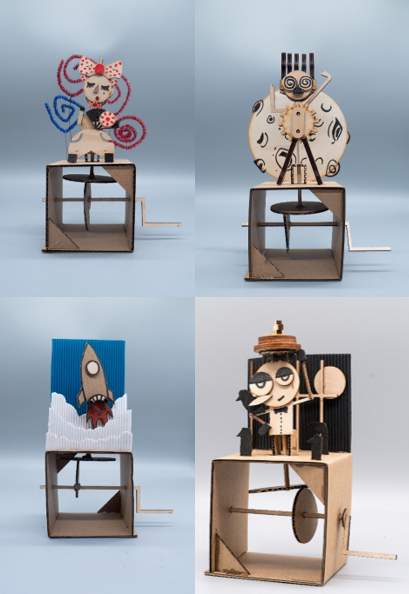
At Chaihuo Maker Space, the most common stories unfold like this: A maker with an agricultural background learns AI and IoT from scratch, bringing smart farming solutions to their field. An artist crafts interactive art installations using open-source hardware. An engineer repurposes edge computing devices into environmental monitoring tools.
We witness open-source edge computing technology being applied to smart buildings, interactive advertising installations, and even chicken farms. As the same technology is continually repurposed in new contexts, it generates unexpected value.
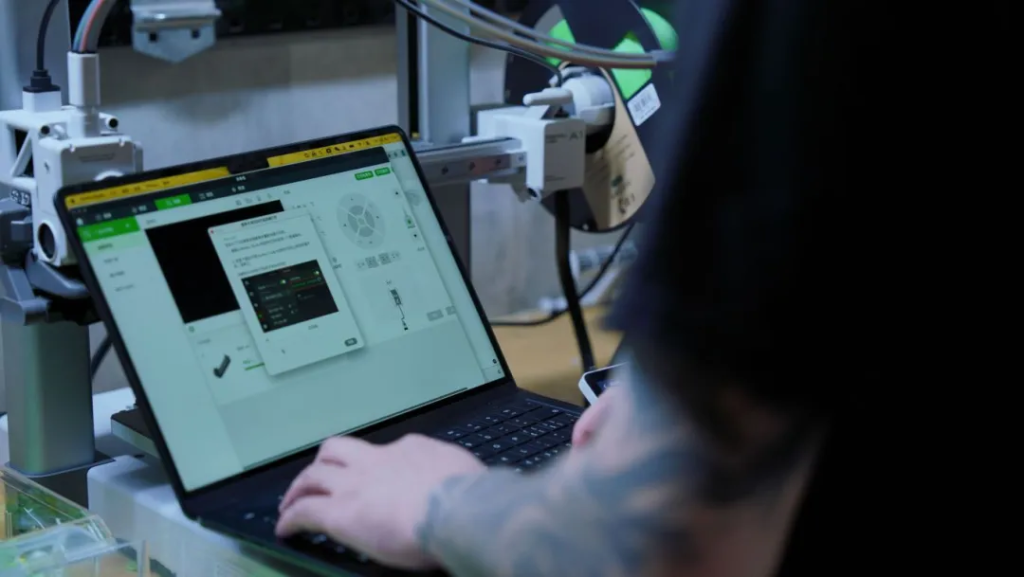
Eric Pan believes this is precisely the most valuable trait among makers: breaking boundaries and collaborating across fields through open-source methods, while steadfastly pursuing “alternative possibilities” outside the mainstream.
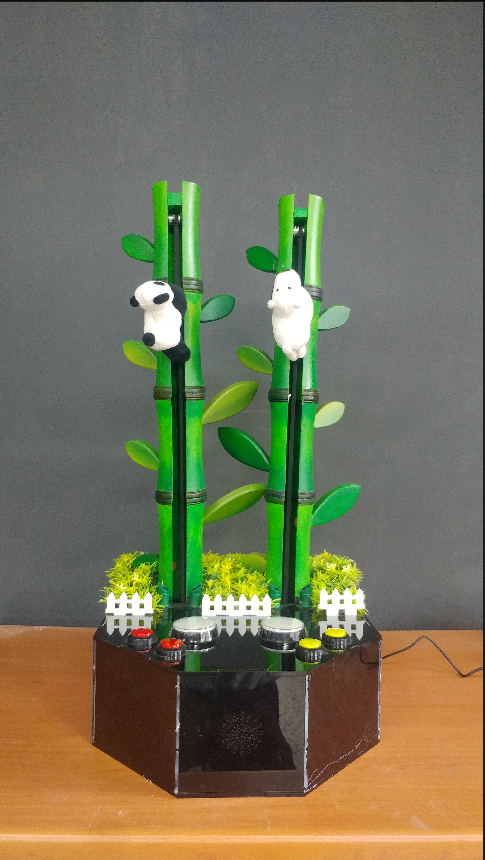
Thus, at Chaihuo Maker Space, we encounter numerous projects that push the limits of imagination. Examples include Lianga—a smart hat that senses a child’s condition—and Trobak, which transforms leftover food into fertilizer; a low-cost groundwater detector; and even advertising installations that “speak.”
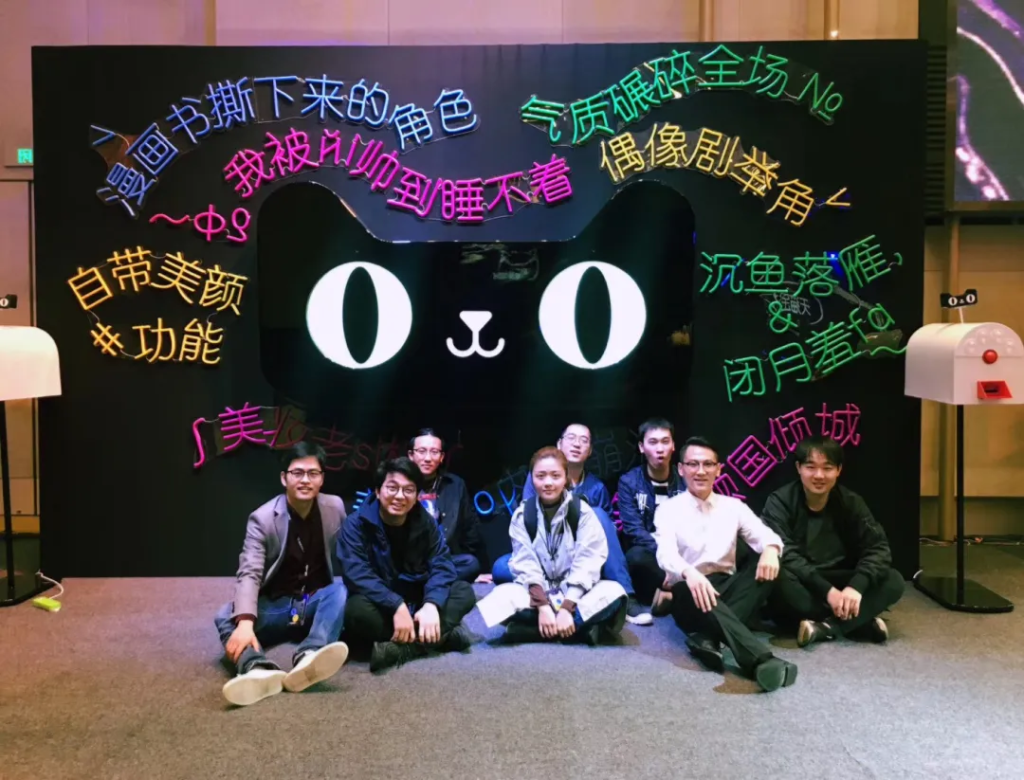
Chaihuo Maker Space has also partnered with companies and platforms including Rohm Semiconductor, Microsoft, the open-source platform Arduino, Tmall, China Resources Group, Nivea, and Uni-President Ice Tea to jointly develop distinctive solutions.
By the end of 2022, the emergence of ChatGPT had once again reshaped the technological landscape. Facing the wave of generative AI, Chaihuo designated AI as the core theme of its summit for two consecutive sessions.
Pan Hao assesses, “Currently, less than 2% of makers are genuinely integrating AI into their products. This signifies immense opportunity. AI warrants us reimagining every device. When you embed AI into an object, it transforms into a robot—even if it resembles a teapot.”
Chaihuo’s mission lies in empowering makers to orchestrate experiments for the next technological wave.
Elevating the Blueprint to Production
Over a decade ago, 3D printers, drones, and smart home appliances were novel projects that caught people’s attention. Today, they’ve become commonplace products. Eric Pan noted that the makers of that era have since taken three distinct paths: pure hobbyists, tech bloggers, and entrepreneurial pioneers.
The latter group typically faces greater challenges in industrial collaboration. Chaihuo Maker Space helps them transform ideas into prototypes, uncover the next generation of great products, and establish innovation organizations.
Ye Yu, General Manager of Chaihuo Maker Space, explains that maker spaces serve as collaborative platforms for innovators, enabling people from diverse professional backgrounds to communicate freely and solve problems together. Networks can also form between spaces, breaking traditional industrial boundaries between trade, engineering, and technology to create a new “innovation organization studies.”
Leveraging Shenzhen’s comprehensive industrial chain and R&D ecosystem, Chaihuo provides makers with end-to-end services—from prototype validation (0 to 1) to mass production support (1 to N). This enables countless ideas to take root here, evolving into industry-transforming products.
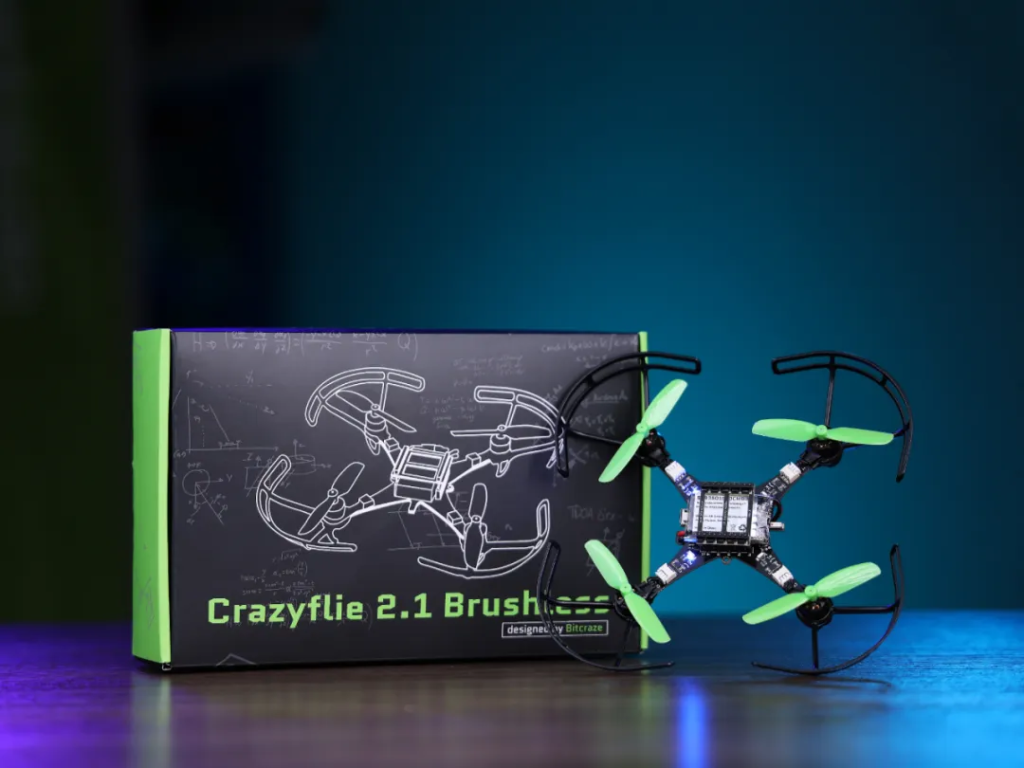
A Swedish student team developed the Crazyfly indoor micro-drone to combat cold weather. Chaihuo proactively reached out to assist with production, sales, and refinement. Today, Crazyfly has become a widely adopted open-source swarm drone platform in scientific research. Another team created “Trigger Trap,” enabling cameras to capture images via sound or signal triggers, significantly expanding the frontiers of scientific research and nature observation.
To help these makers go further, Chaihuo’s parent company, Seeed Studio, established the “Seeed Fund” to specifically invest in prototype projects developed by Chaihuo members and long-term Sidi users. The fund has invested in projects such as AI tennis courts and open-source robotic arms, helping them complete prototypes, enter the market, and generate revenue.
In short, the value of Chaihuo has never been limited to providing tools and space. Its core strength lies in its organizational power. This power brings scattered makers together, integrates complex technologies, and turns creative ideas into reality.
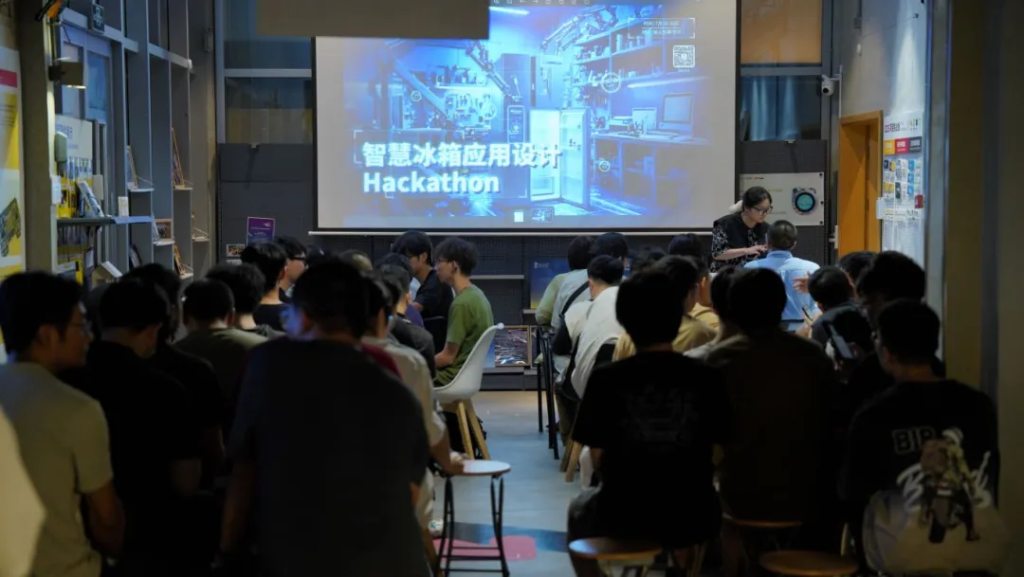
As AI reshapes the boundaries of creation, Chaihuo is evolving from a physical space into an open innovation network: connecting individuals, communities, and industries, bridging China and the world.
True to the theme : AI Without Borders · Rebirth of All Things at Maker Faire Shenzhen 2025. In this era of boundless AI, this flame of Chaihuo continues to burn, connecting everything.
Booth Reservation
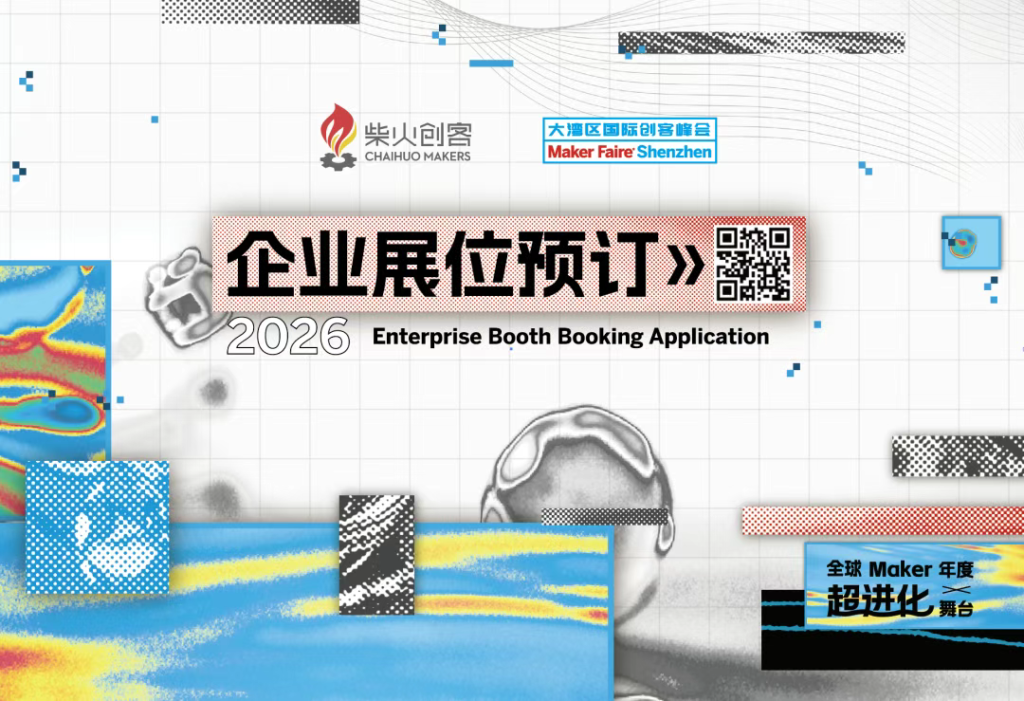
Maker Faire Shenzhen serves as a platform connecting communities and industries, acting as an interface and platform for communication between technological innovation and industry applications. This year’s summit brought together over 145 exhibitors from around the world, attracting nearly 2,000 professional attendees from over 20 countries and more than 20 provinces across China. We look forward to welcoming more tech innovation companies to Maker Faire Shenzhen. If your company is interested in showcasing its technological solutions and projects at China’s premier maker innovation event, scan the QR code or click the link below to apply for an exhibitor booth in advance! We look forward to seeing you at Maker Faire Shenzhen 2026!
If you missed out on this year’s highlights, scan the QR code to access our live photo gallery and let the pictures make up for what you missed.