YIFENG Xu · RESiN Lab Team (KAUST) · Saudi Arabia & China · Technology Education and Interactive Art · Makers and Teams
If previous editions of Maker Faire Shenzhen were testing grounds where inspiration sparked, this year we will see how creative ideas take root and become reality. This year’s event is officially scheduled for December 12–13, 2026, in Nanshan District, Shenzhen — and this time we are putting OPC creators and full-industry-chain service providers center stage, working together to build a “Mega Evolution Stage for Global Makers.”
In today’s “Meet the Maker”, we introduce one of this year’s international exhibitors: RESiN Lab, a multidisciplinary team spanning Saudi Arabia and China, represented by YIFENG Xu.
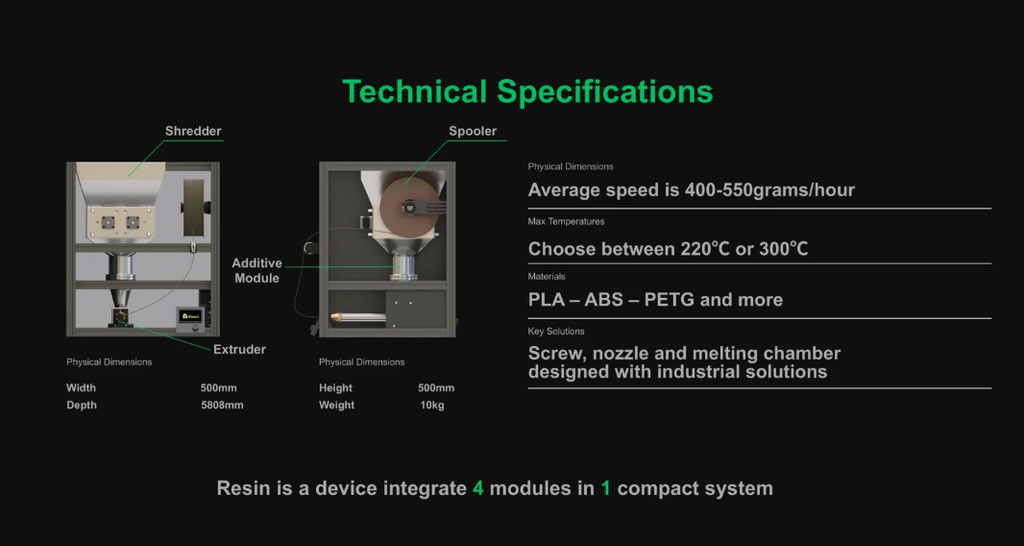
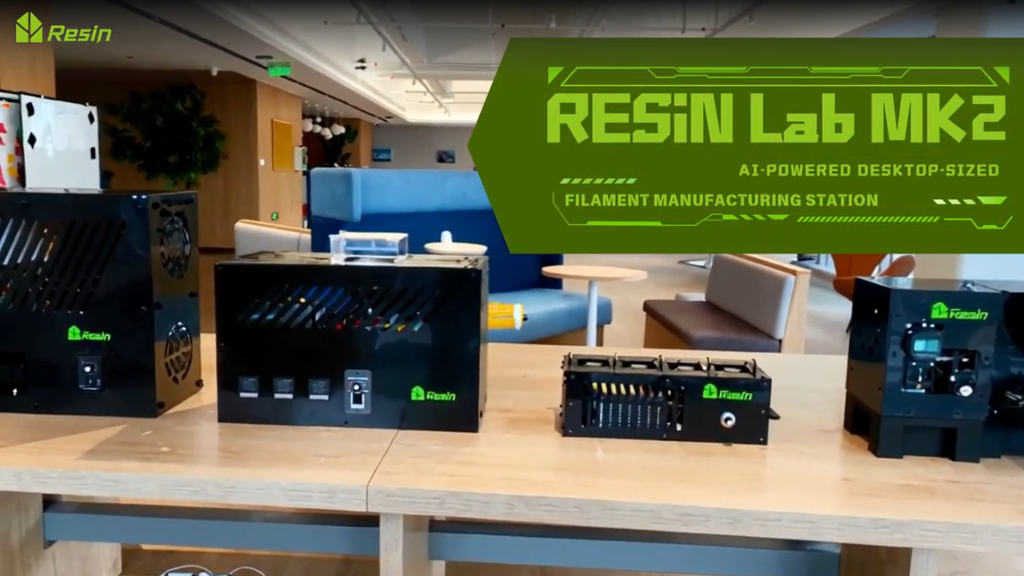
RESiN Lab is a multidisciplinary team of engineers, designers and makers from King Abdullah University of Science and Technology (KAUST) and the global innovation community. What they do is tightly focused: build accessible desktop manufacturing tools that let people create, customize and recycle materials locally. Their project for Maker Faire Shenzhen is a desktop-sized filament customization station that turns plastic pellets and recycled 3D prints into custom filament.
Print. Recycle. Print again — on your desk.
Project Spotlight: Desktop-Sized Filament Customization Station
RESiN Lab’s full project title is Desktop-Sized Filament Customization Station. It turns plastic pellets and recycled 3D prints back into filament with the properties, colour and formulation you actually want.
In a normal 3D printing workflow, filament is a purchased commodity: you choose from a limited range of materials and colours, prices move with the market, and failed prints go in the bin. RESiN Lab moves material-making back onto the desk — creation, colour mixing and recycling all happen on one platform.
The target users are makers, labs and studios: people who print a lot, whose material needs change often, and who would rather not be steered by supply chain and pricing.
The team’s reasoning is that making material creation, colour mixing and recycling accessible is equivalent to handing the decision back to the user about what gets printed.
Why this is also a sustainability story
RESiN Lab sits across two ends of the same problem: making and circulation.
From buying filament to making it. Material stops being a fixed line item in a supply chain and becomes a parameter you can tune.
From failed prints to feedstock. Waste returns to the input side and re-enters the loop instead of going to landfill.
From global production to local manufacturing. A local material loop reduces the pressure of shipping, inventory and emissions at once.
From picking from a catalogue to defining your own. Colour and formulation belong to the user, so niche needs can be met too.
The project lists SDG 9 Industry, Innovation and Infrastructure, SDG 11 Sustainable Cities and Communities, SDG 16 Peace, Justice and Strong Institutions, and SDG 17 Partnerships for the Goals.
About RESiN Lab
RESiN Lab brings together engineers, designers and makers from King Abdullah University of Science and Technology (KAUST), with collaborators around the world. Cross-border collaboration is built into how the team is put together: different backgrounds, different countries, one desktop tool.
Their mission is stated plainly: make manufacturing tools accessible enough that anyone can create, customize and recycle materials locally.
The team notes that they joined Maker Faire last year and found it a special experience — meeting talented makers, seeing creative projects, and feeling a strong sense of openness, curiosity and community. They describe their project as having grown out of the maker community: learning from open-source projects, building prototypes step by step, and improving them through feedback from real users and makers.
Experience Technology and Creativity First-Hand
At Maker Faire Shenzhen 2026, RESiN Lab will be in the Makers and Teams zone. The project has been flagged as a highlight project offering onsite performance — so you can watch the machine actually turn waste into new filament on site.
Here is what you can do at their booth:
Watch plastic pellets and failed prints become a fresh spool of filament, step by step
Ask where the limits of colour mixing and formulation lie, and which materials can be handled this way
If filament cost is a real constraint in your lab, studio or makerspace, this is the place to discuss how to adopt it
We sincerely invite you to visit the Makers and Teams zone during the event, watch waste become filament, and talk with the RESiN Lab team about closing the material loop at desktop scale.
If you would like to share your OPC ideas and experiences at China’s largest maker innovation celebration—and demonstrate how AI can truly become part of our work and everyday lives while solving real-world problems—this is your opportunity.
Let your project be seen by more peers, developers, partners, and potential customers, and allow new ideas to meet and grow here.
Scan the QR code below or click “Read the Original Article” at the end of the post to apply. Together, let us step into the era of OPC creators and unlock the infinite possibilities of the future!
Greater Bay Area International Maker Summit & Maker Faire Shenzhen 2026
Global Call for Makers Now Open
Application period: June 30–October 30, 2026
Event dates: December 12–13, 2026
P.S. Companies that reserved a booth last year do not need to submit another application. More participation opportunities will be announced soon—stay tuned!
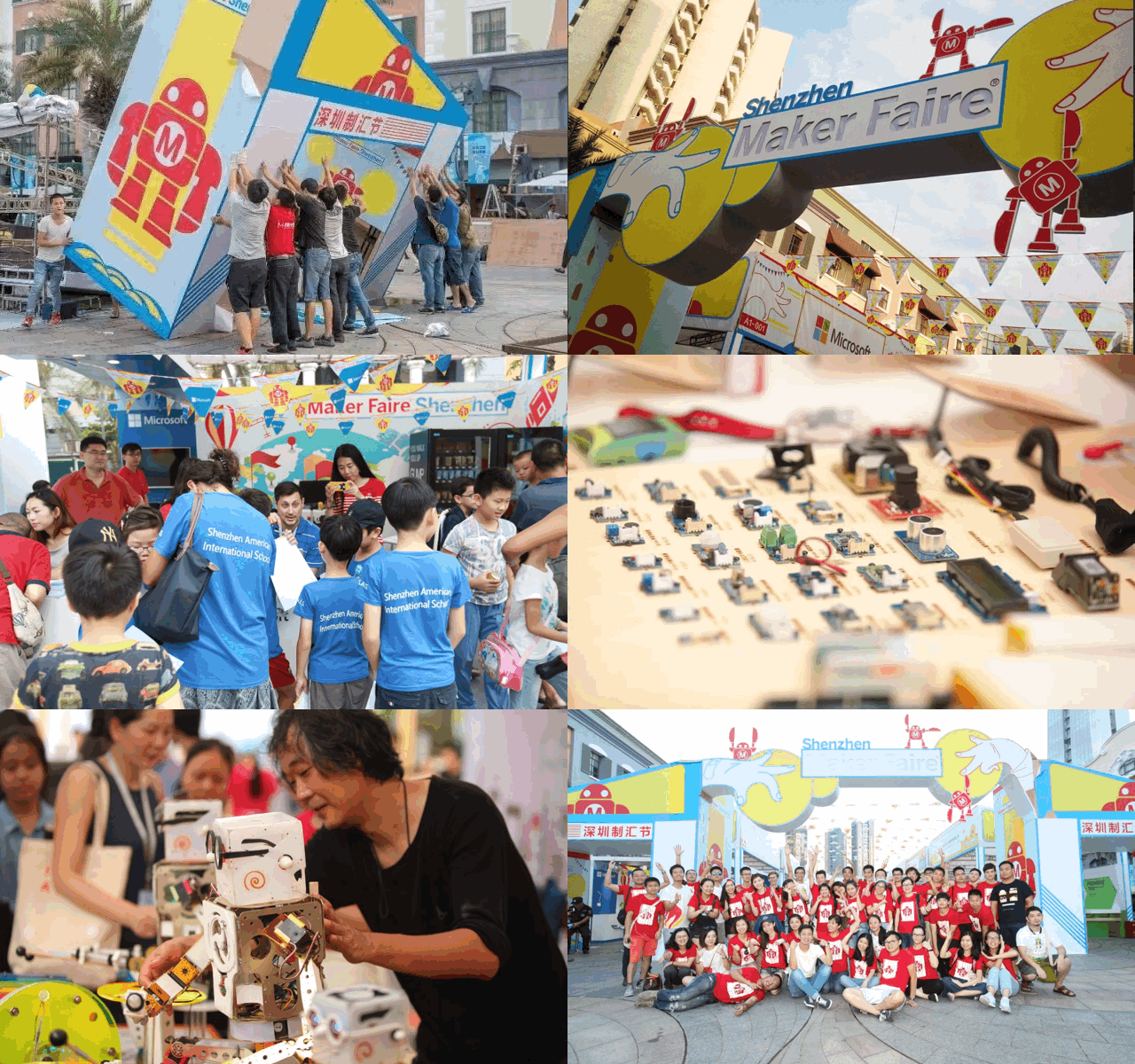
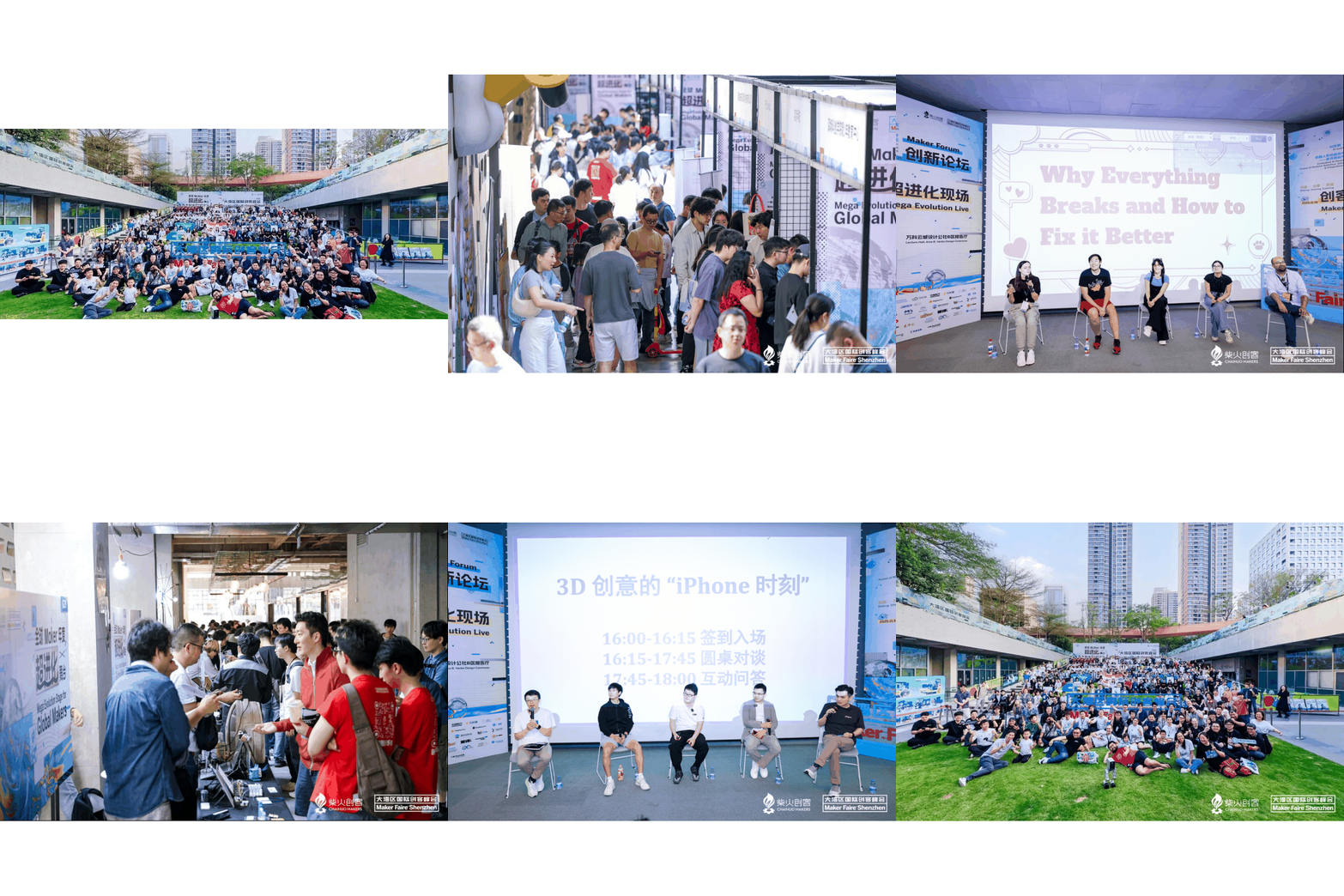
Over the past 13 years, the development trajectory of Maker Faire Shenzhen can be seen as a microcosm of the development of maker culture in China.
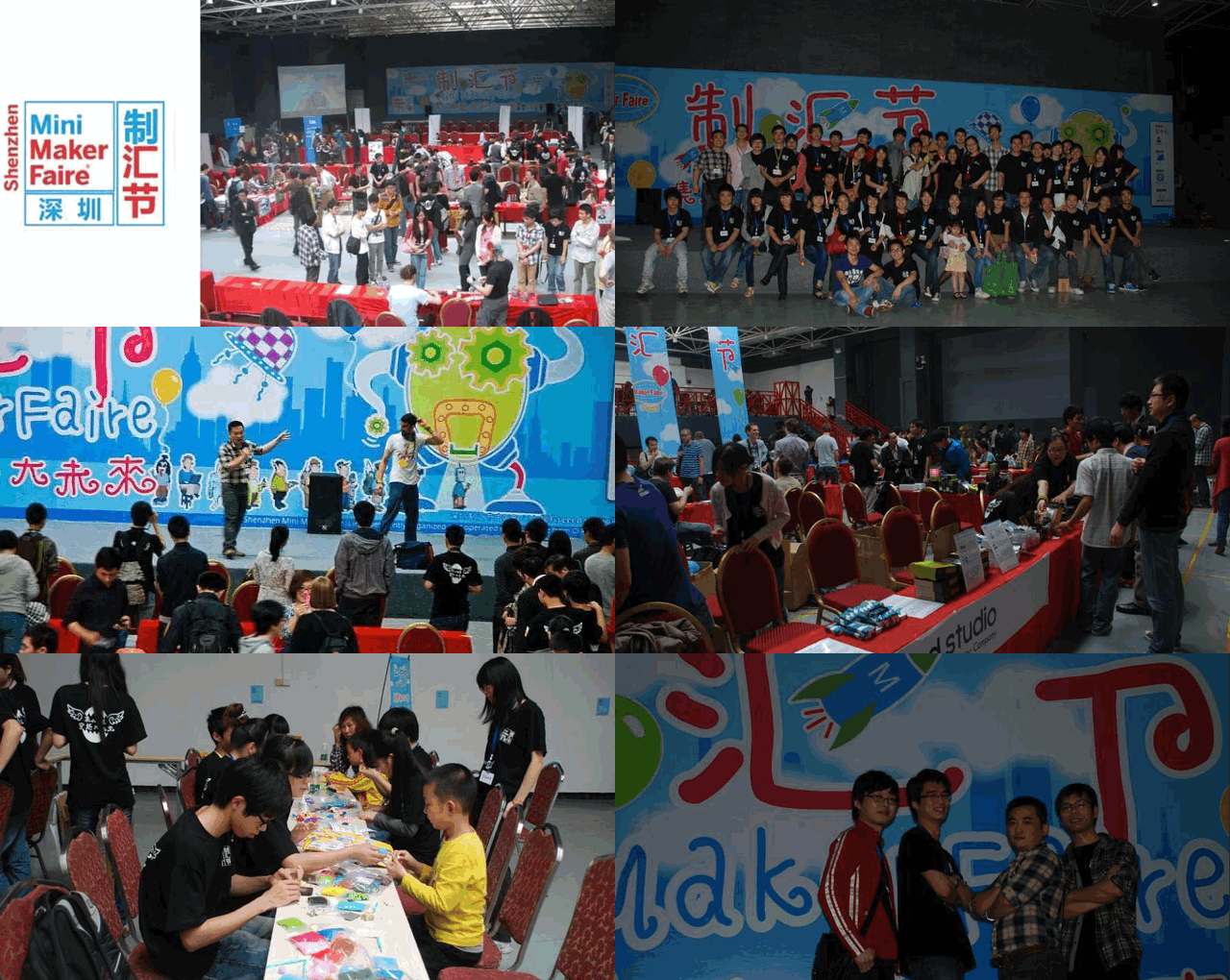
2012: “Gathering Small Wisdom, Journeying through the Great Future” – This was the first Mini Maker Faire in China, with less than 1000 attendees, and was more like a gathering within a small circle. But we saw the infinite possibilities emerging from the maker community.
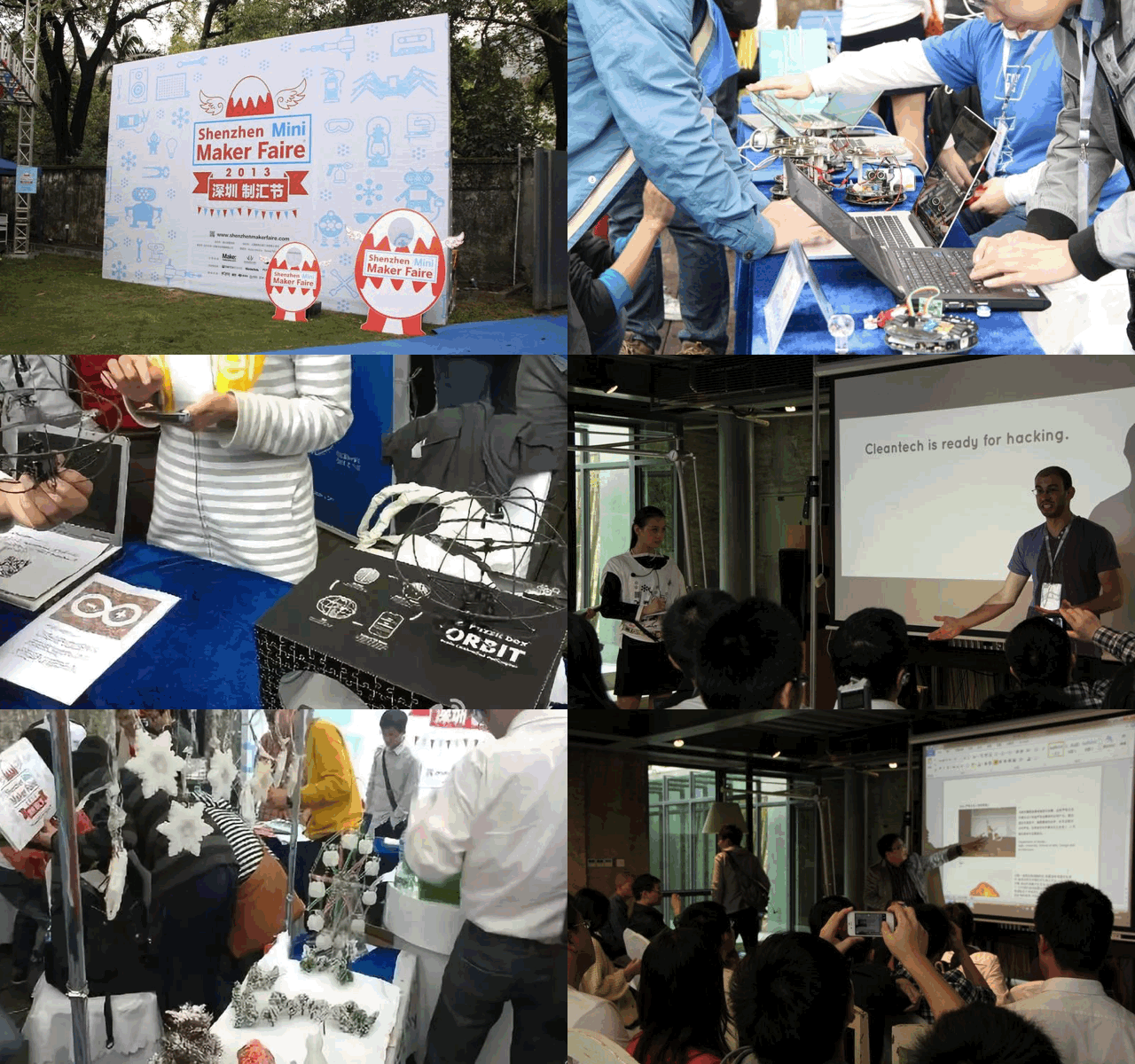
2013: The slogan was absent, and the maker community was still small. – In the OCT Creative Park, there were cross-disciplinary exchanges among different creative communities, silently laying the foundation for cultural output.
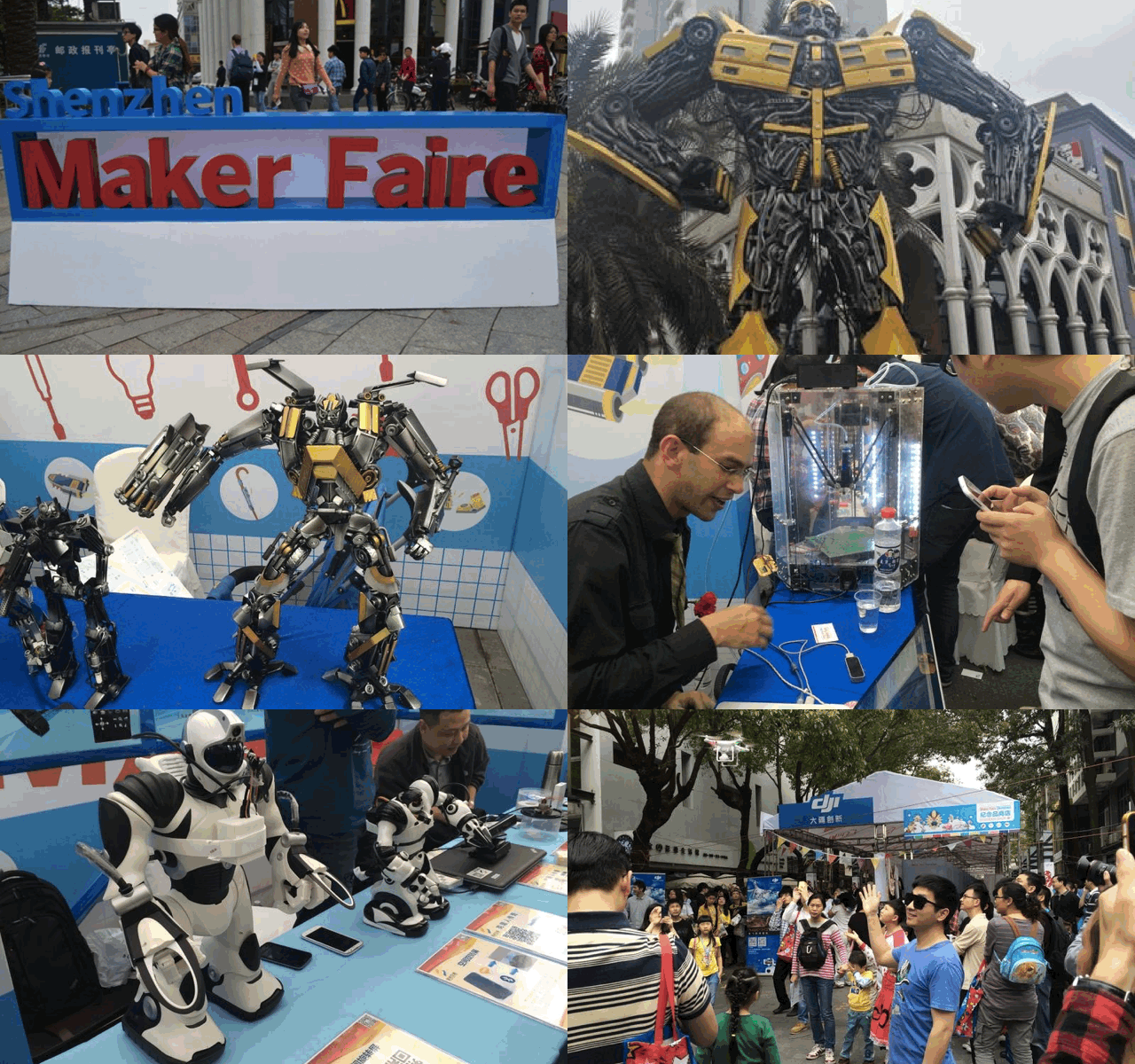
2014: “Innovate with China” – the event was upgraded to the Featured level for the first time, with a significant increase in scale compared to previous years, and the beginning of professional independent forums. This year, makers began to enter the public’s view.
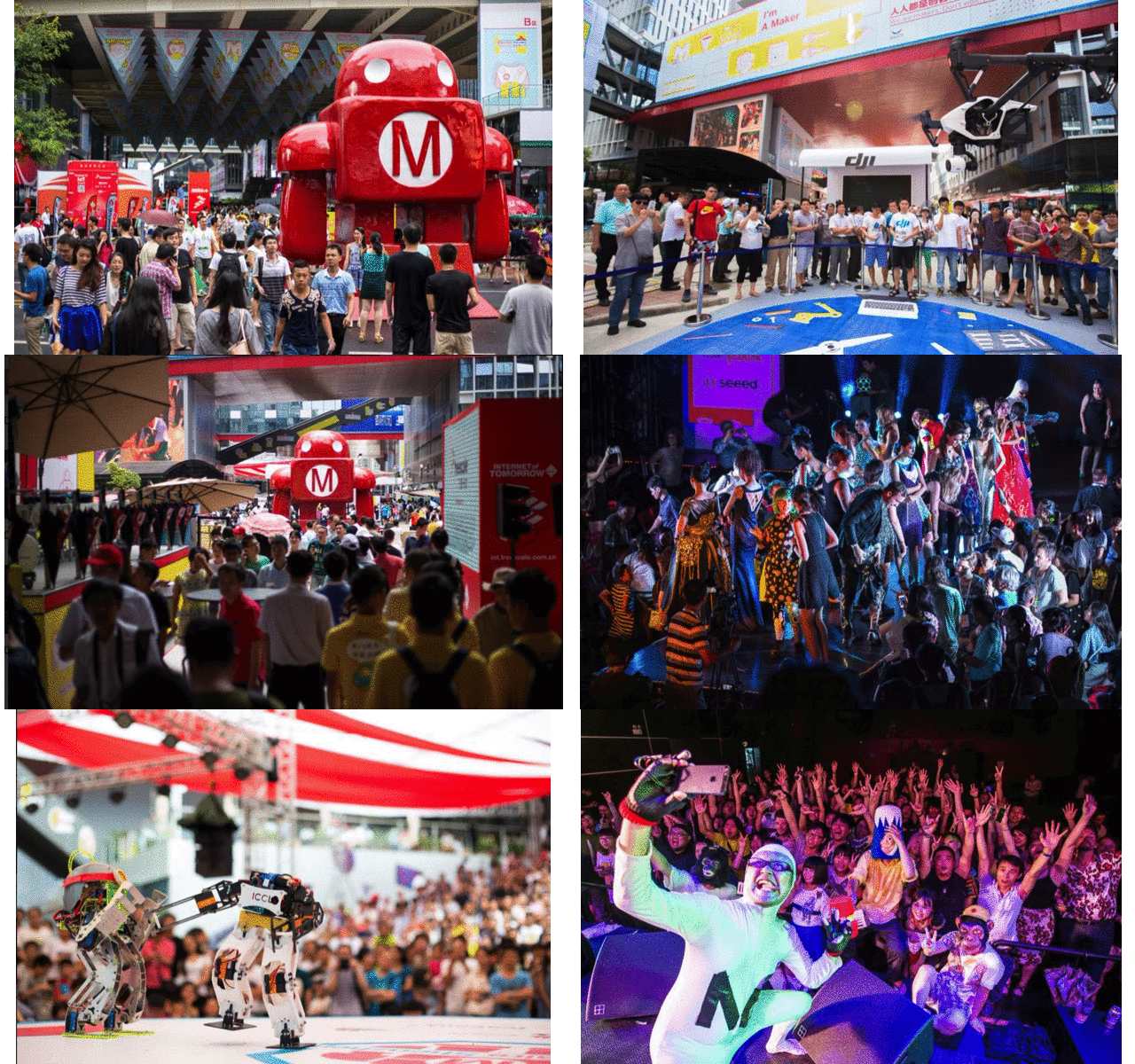
2015: “Everyone is a Maker, what are you waiting for?” – This year’s Shenzhen International Maker Week became one of the largest Maker Faires in the world. This year, the concept of “maker” was elevated to a national level, and the trend of “mass innovation, mass entrepreneurship” swept across the country.
2016: “My World, My Creation” – As the sub-venue of the National Innovation and Entrepreneurship Week, the event was held for the first time in the commercial center area, experiencing unpredictable weather from typhoons to scorching heat. Many makers succeeded in your entrepreneurial endeavors this year, but it seemed like there were even more failures. The hype around entrepreneurship shifted towards rationality.
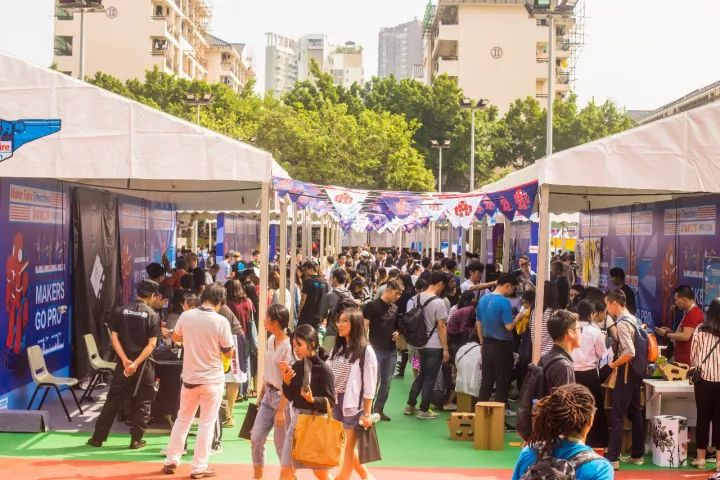
2017: “Makers, Go Pro” – The event took place at the university campus for the first time, focusing on Maker Pros and providing a platform for diverse innovators and makers to showcase themselves, presenting more possibilities for the growth path of makers to the entire community.
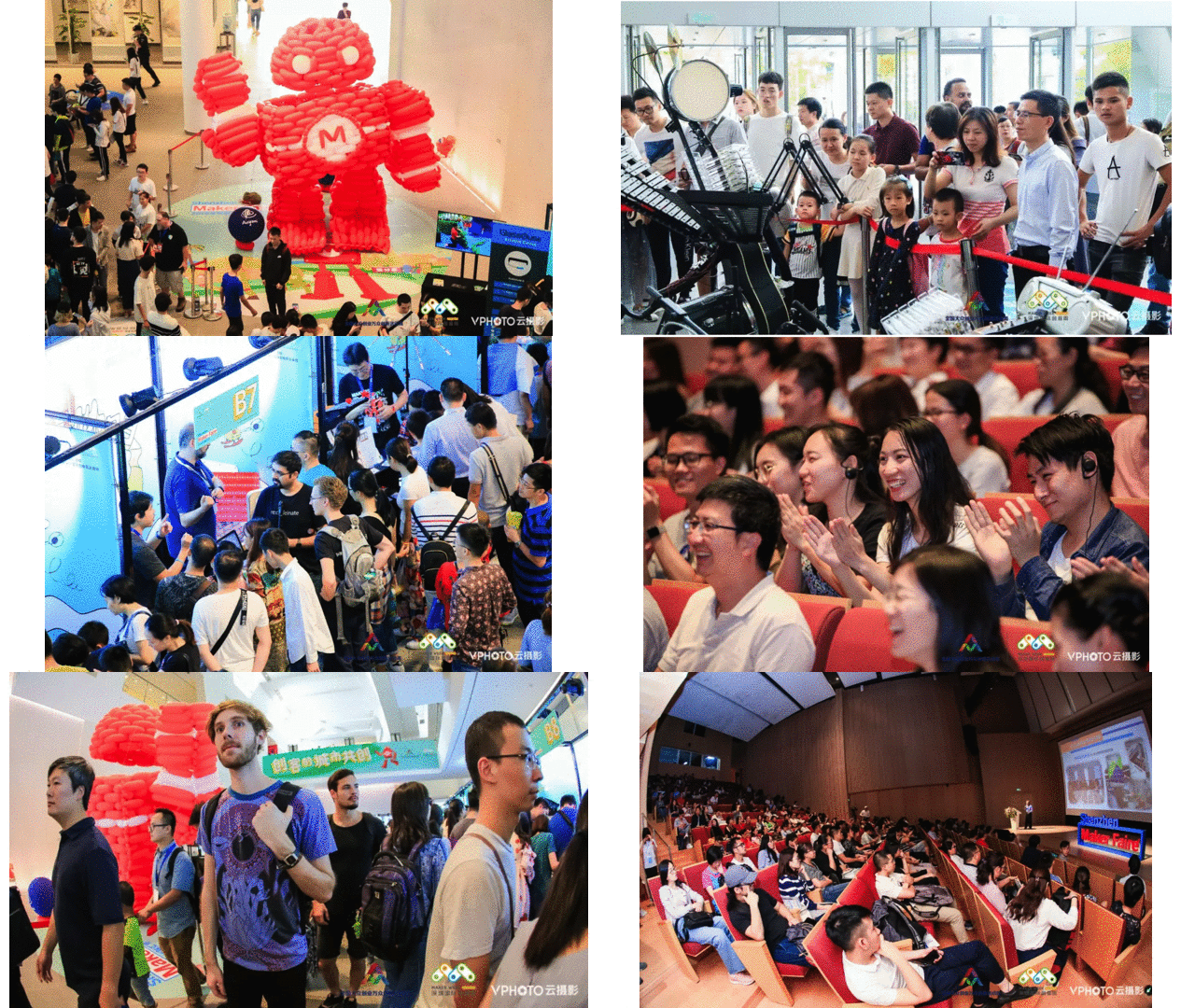
2018: “Co-making in the City” – The main venue of Shenzhen International Maker Week, where individuals and groups with shared visions and values gathered to showcase stories, projects, and explorations of collaboration among different communities and people.
2019: ” To the Heart of Community, To the Cluster of Industry” – The event was upgraded to the Maker Faire Shenzhen, attempting to attract professional audiences and focusing on pragmatic aspects such as solving the needs of industrial upgrading and co-developin. It aims to build a platform for innovation and industry dialogue and collaboration.
2023: “Where Are The Makers?”– Starting from our own mission and values, we aim to explore the future direction of makers and theapossibilities for commercialization. Though this question does not have a definitive answer, we do hope that through this event, we can communicate and share with every one of you, finding more ideas and directions together.
2024: “Everything is AI” – This year, we brought together over 120 exhibitors from around the world, attracting nearly 1,500 professional attendees from nearly 20 countries and over 20 provinces across China. The exhibition showcased a wide range of AI application projects and hosted 10 AI hardware-themed satellite events, alongside various workshops.
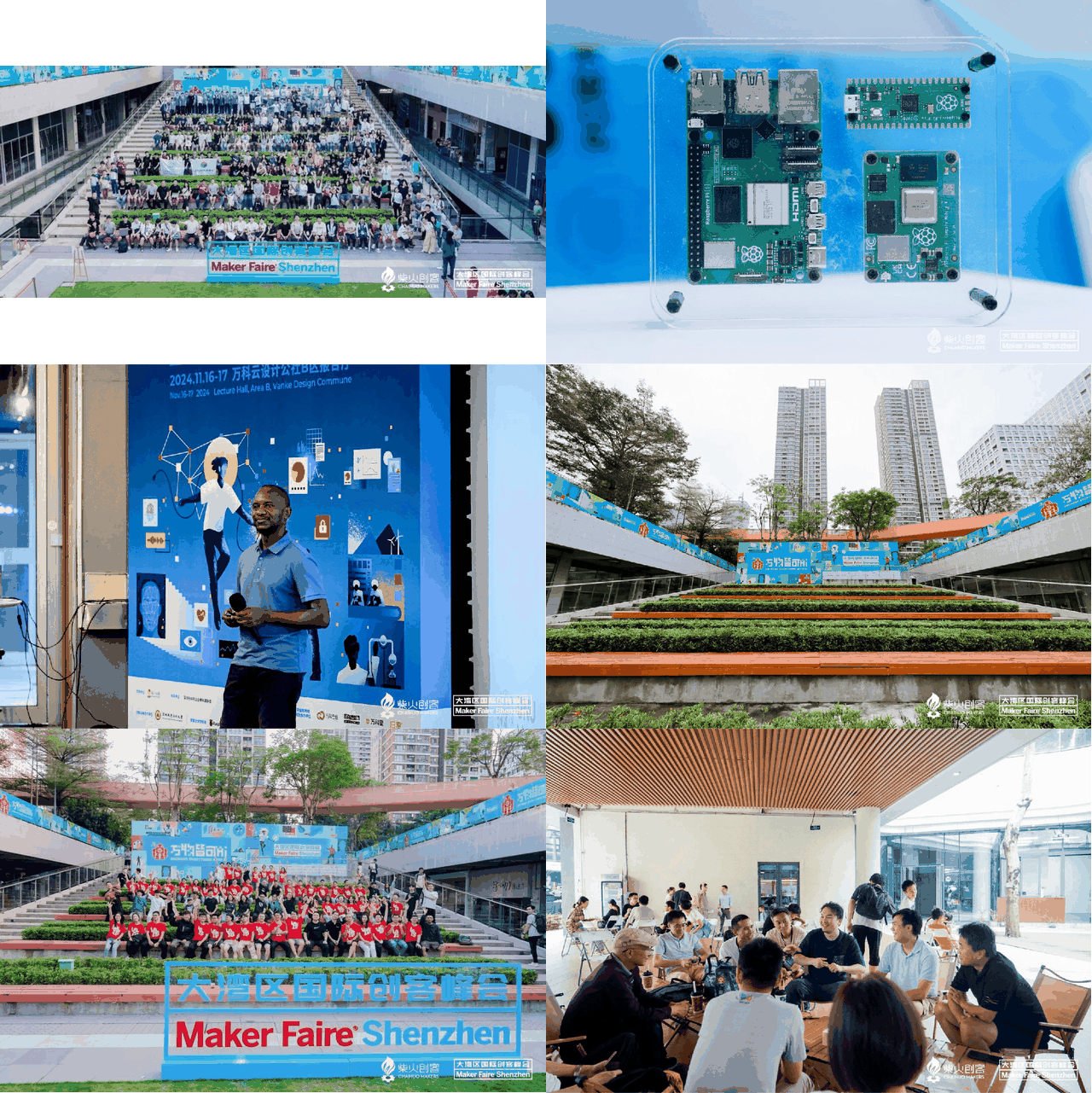
2025: “AI Without Boundaries, Everything Reimagined”The summit brought together nearly 100 international innovation ambassadors and showcased almost 1,000 AI hardware projects.Technology leaders, pioneering makers, industry experts, and university teams from more than 30 countries gathered to create an international innovation event combining frontier thinking, technical exchange, and cross-disciplinary collaboration.